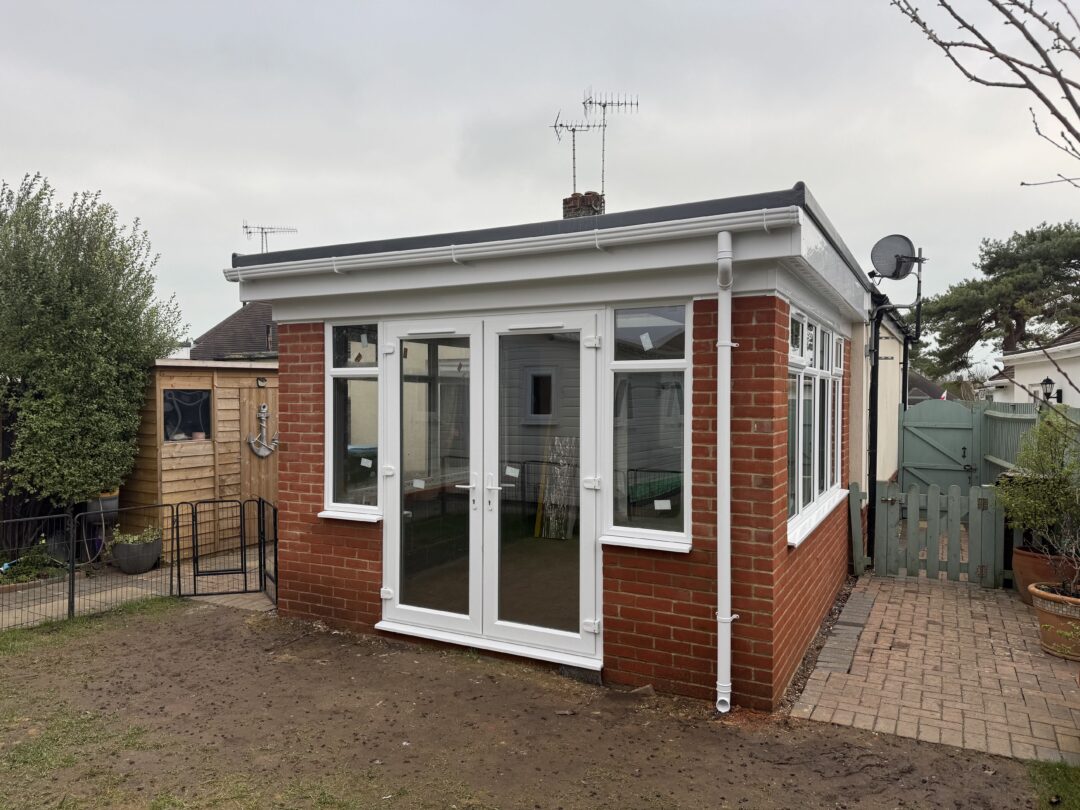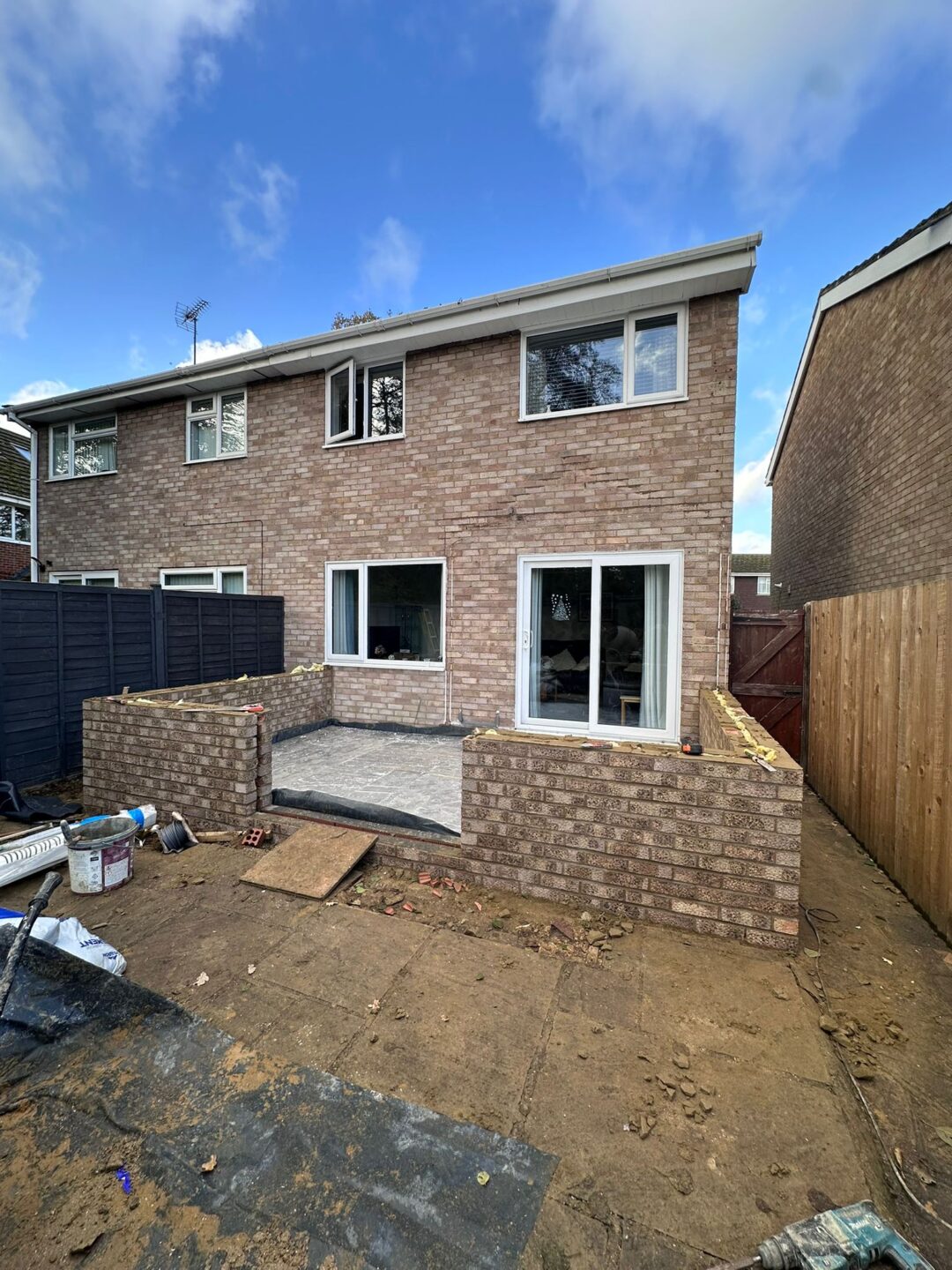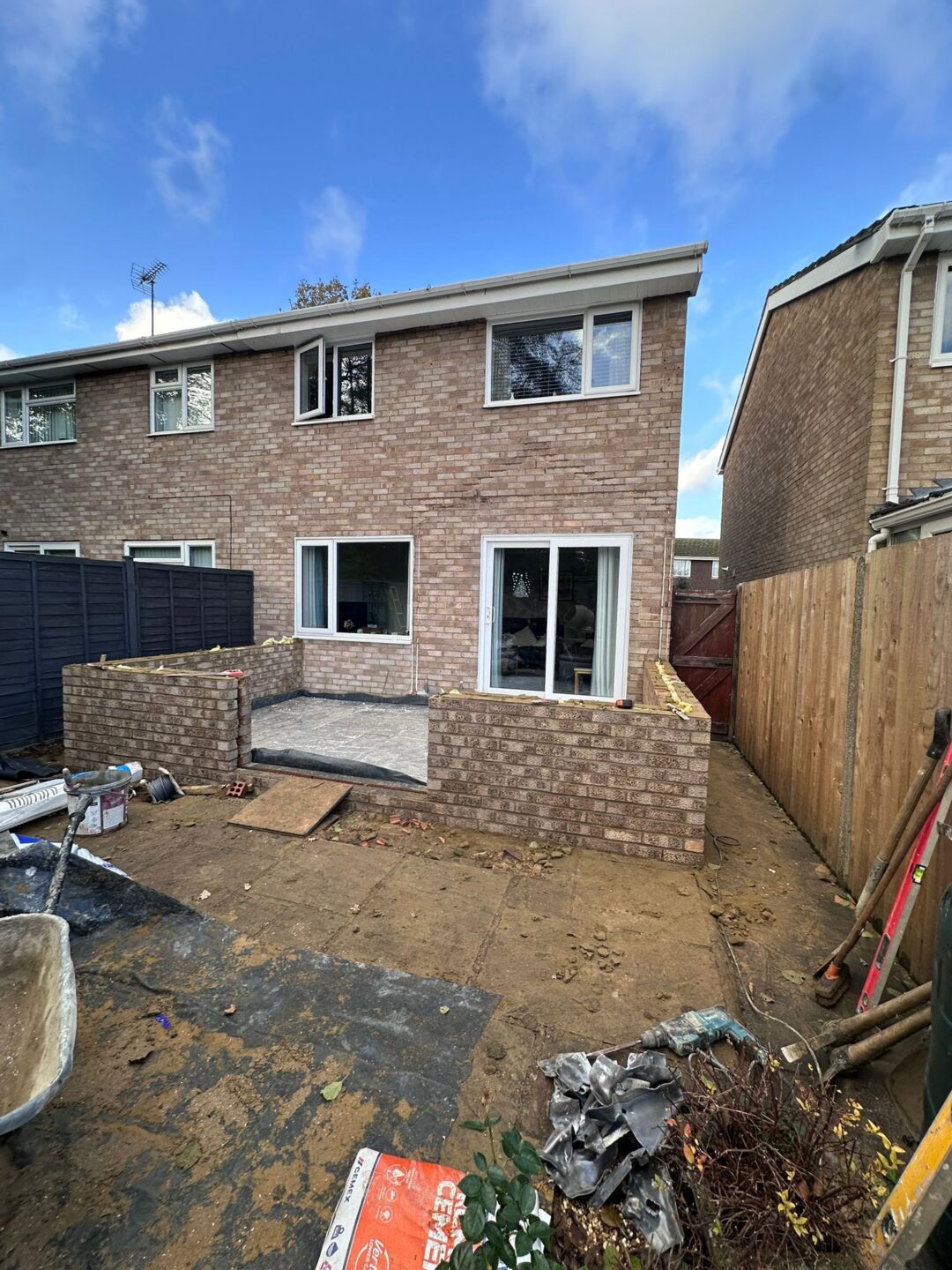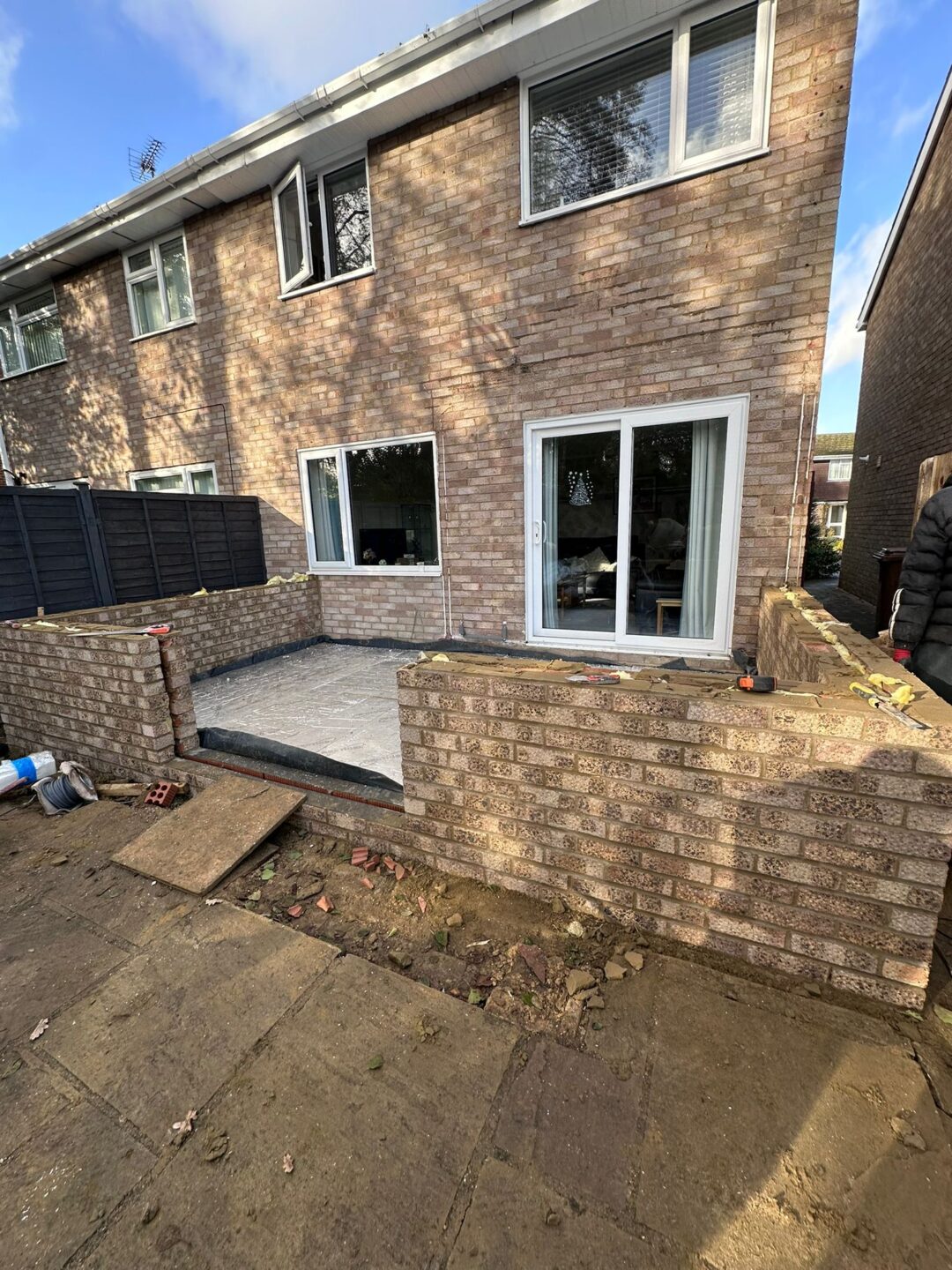
0800 061 4878 Mon - Sat, 8am - 5pm

10 year guarantee on all projects

No-obligation quotes available

Fast & professional installation with no hidden costs

Make great savings this Winter– save up to an extra 30% on all conservatory, orangeries & extensions

From the Ground Up – #9

Real Projects. Real Progress. Real Homes. Welcome to From the Ground Up. Our weekly blog series sharing real progress from live projects across the region. From groundwork to glazing. Follow the journey as we build beautiful, functional spaces that transform the way people live in their homes.

last updated Jan 30, 2026
category News
Share with friends

Wet Weather Progress, Structural Work & Smart Problem-Solving

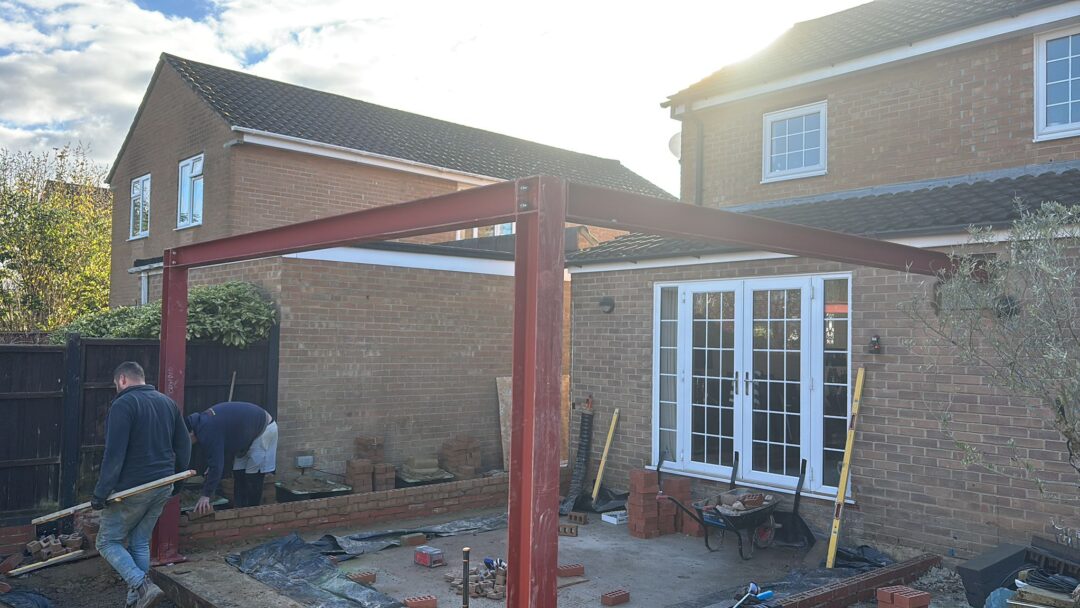
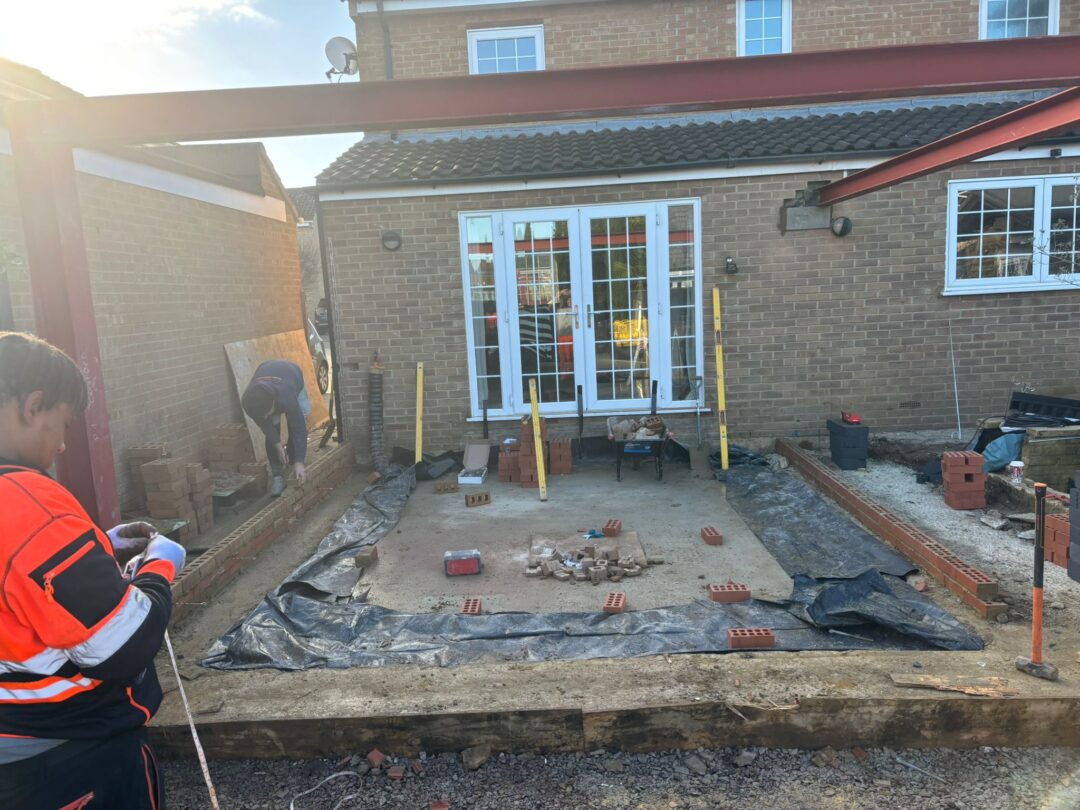
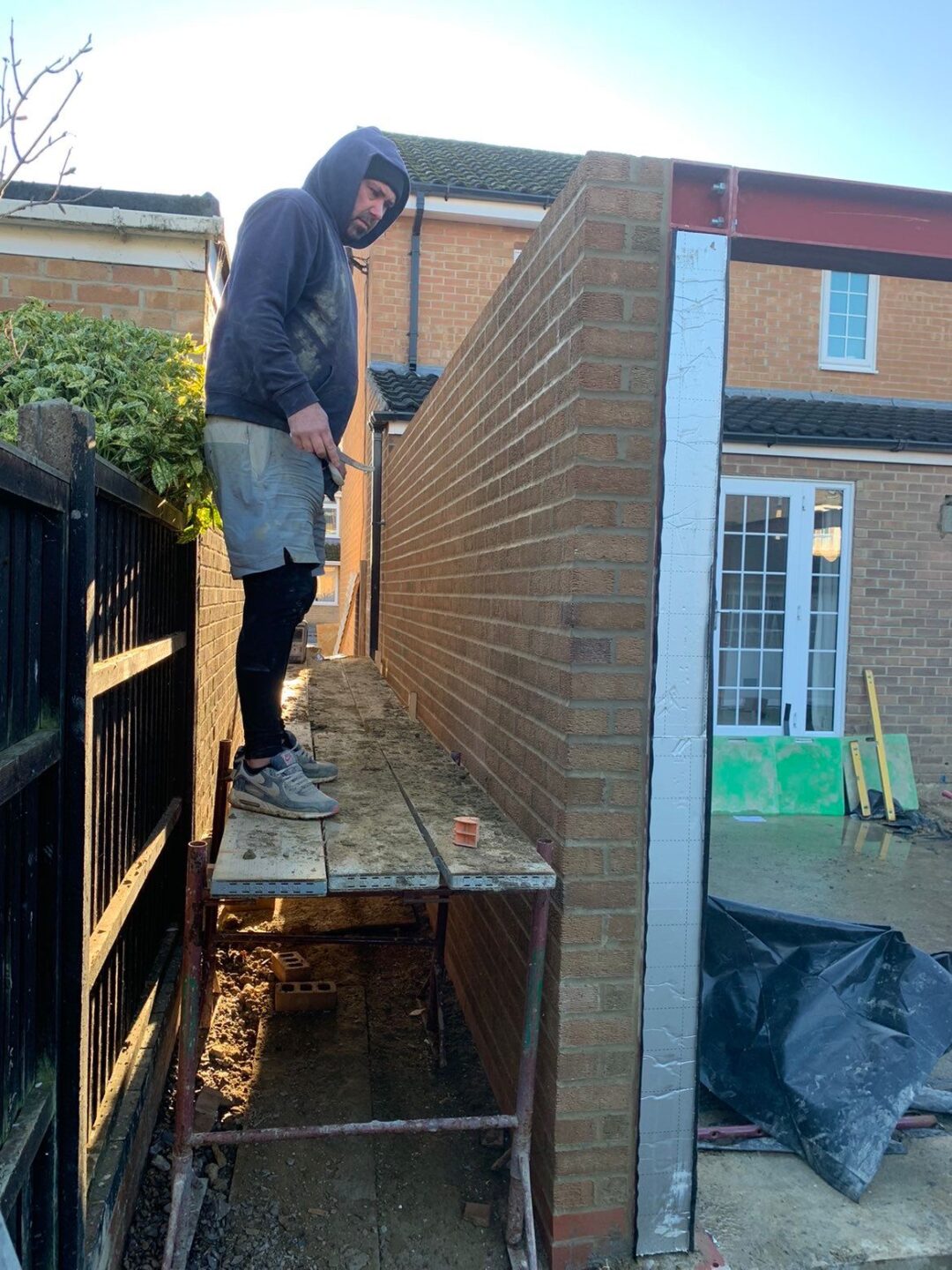
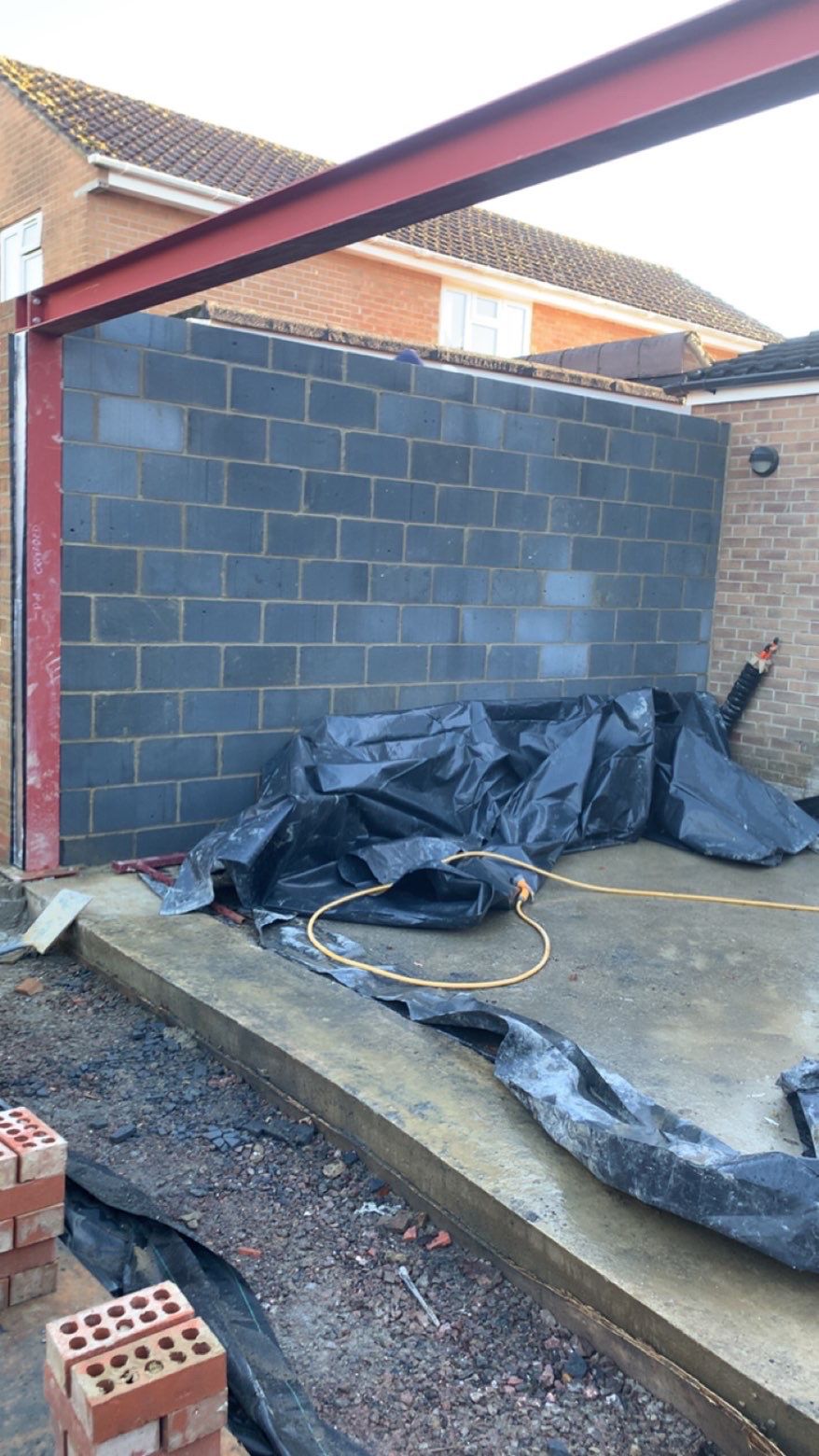
This week we’re pushing projects forward despite challenging conditions. In Chalgrove, groundworks continue in tough weather, in Hindhead structural work is complete, and in Shoreham a rebuild is underway after agreeing the right solution on site.

Check out what happened this week below…even with the weather against us!

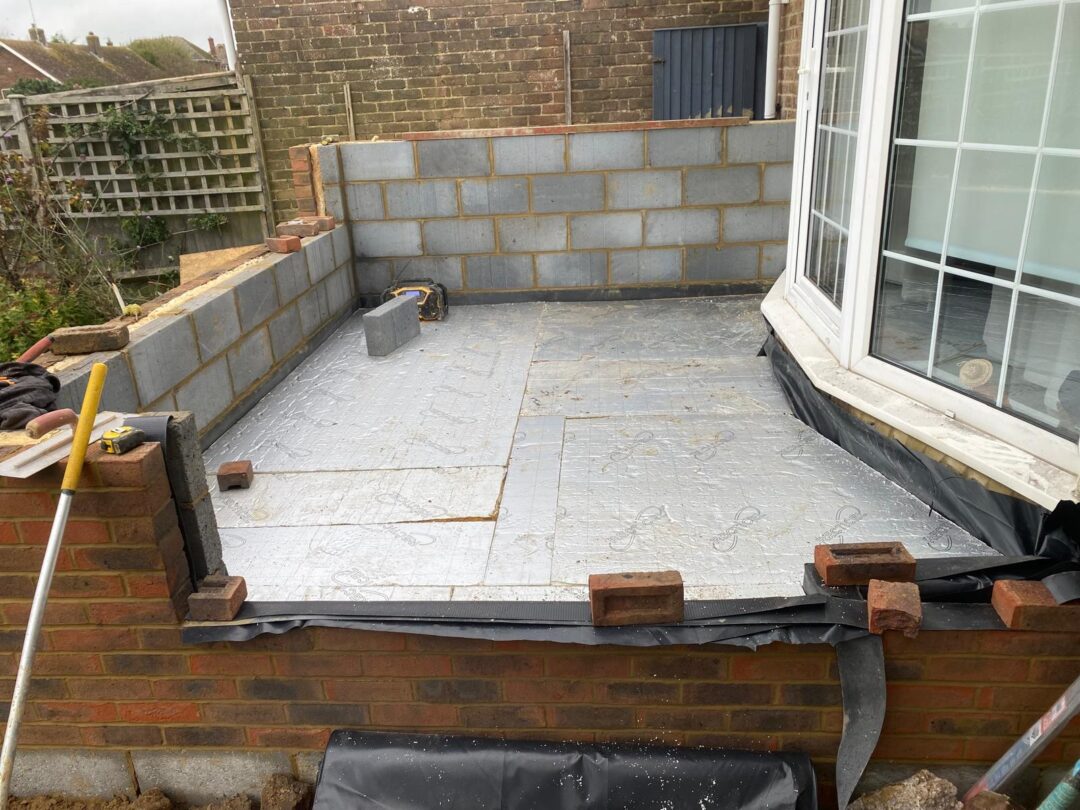
Chalgrove, Oxford

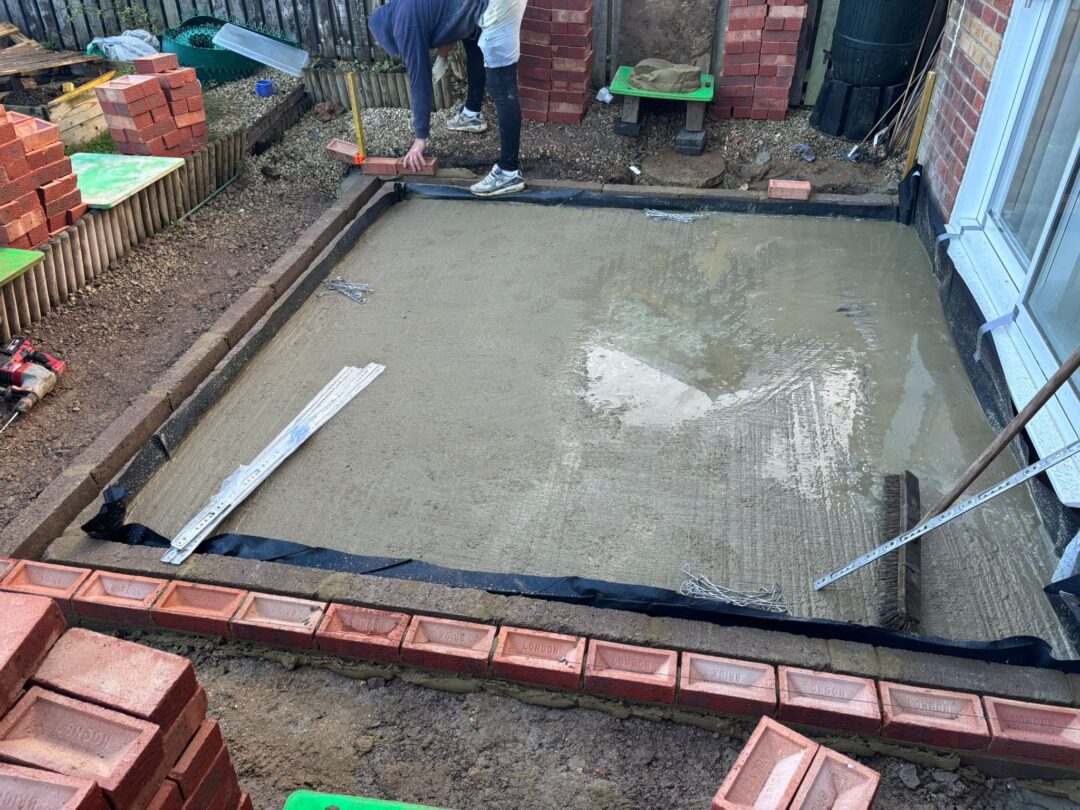
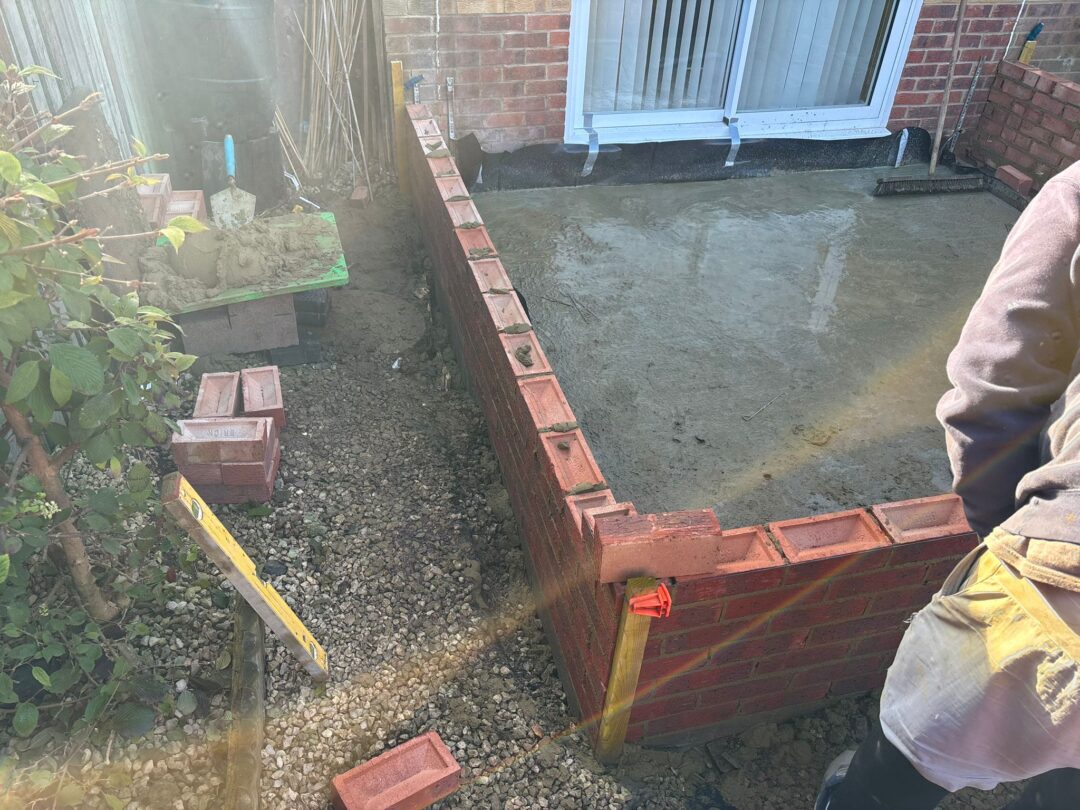
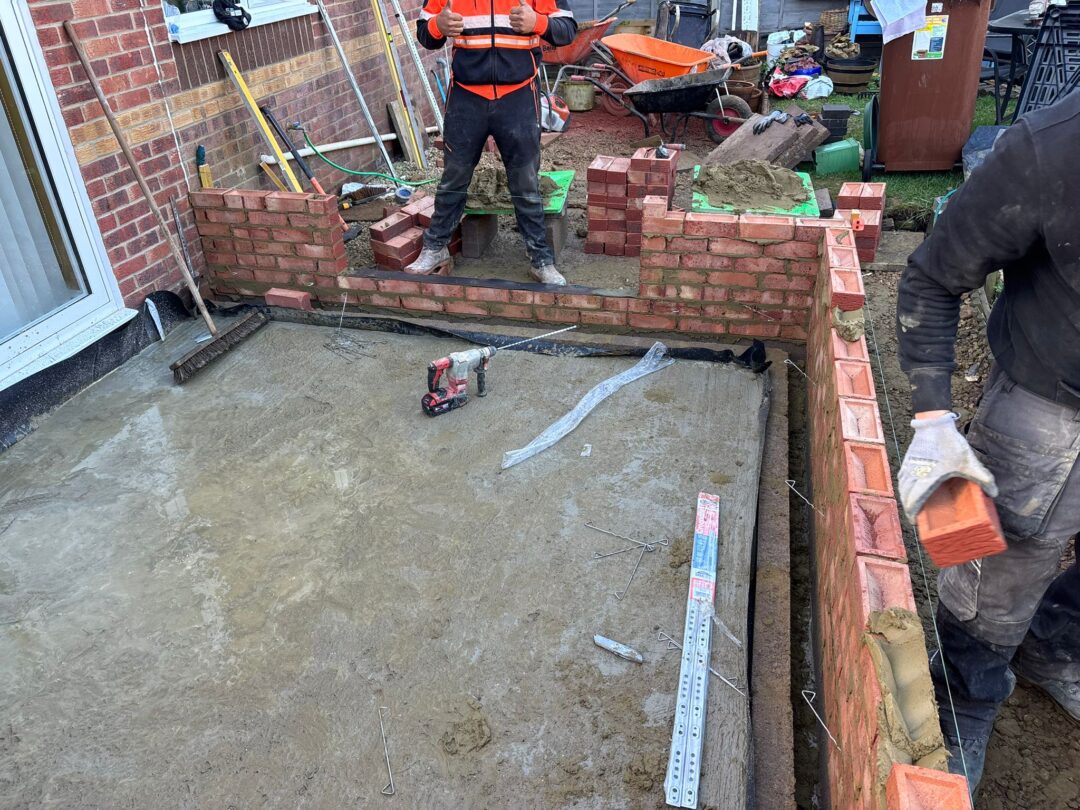
Groundwork Progress Despite the Weather
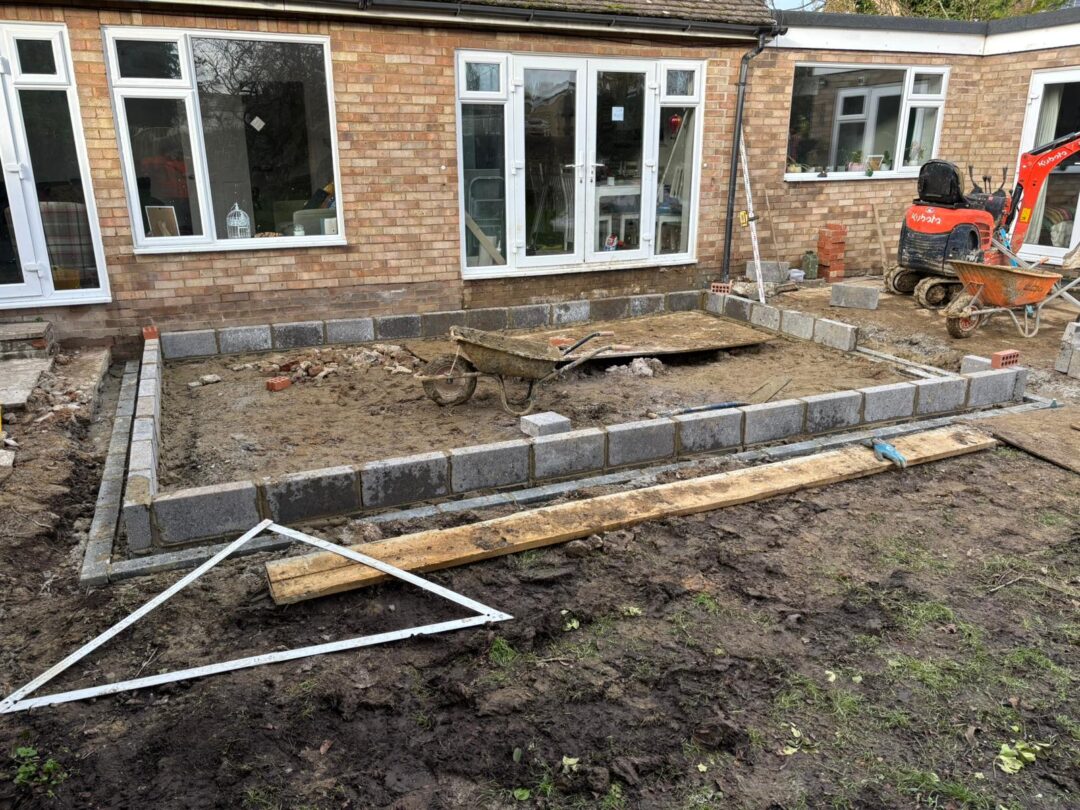
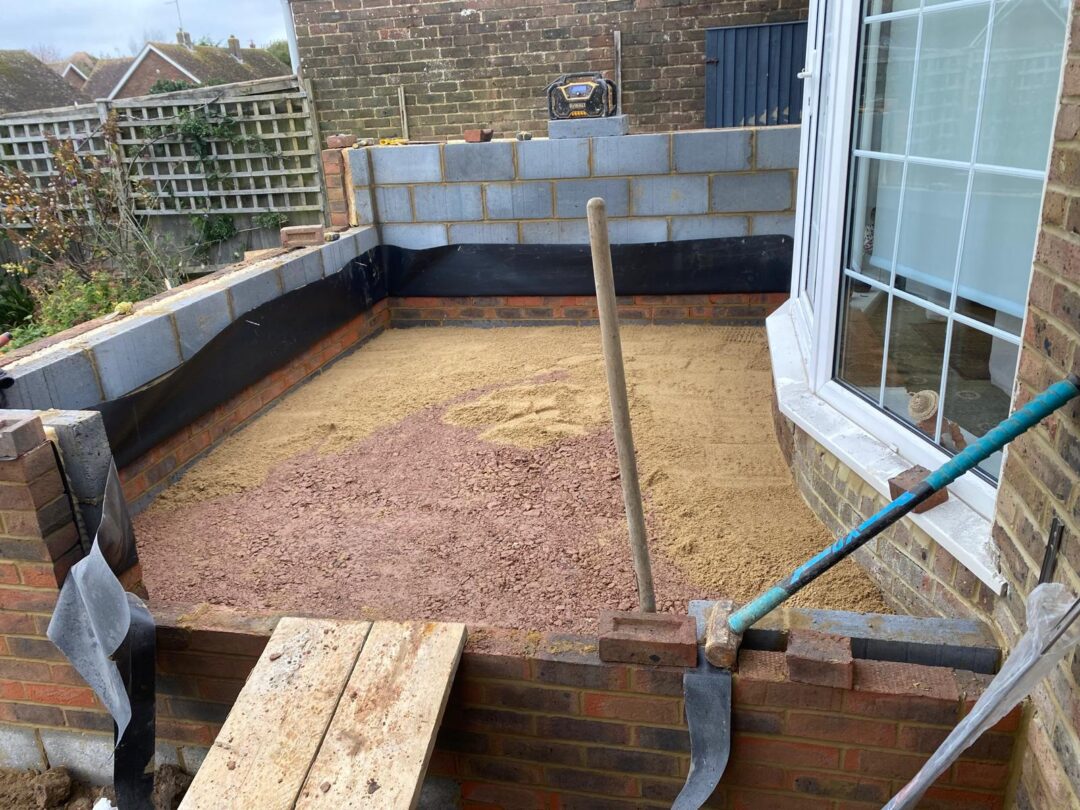
  • Despite very wet weather, we’ve made strong progress on this project.
  • Using a water pump, we’ve been able to get concrete into the ground even with a rising water table.
  • A block-and-beam base is now being constructed due to the build-up required. This gives the customer a solid foundation that also matches the specification of the existing house floor.
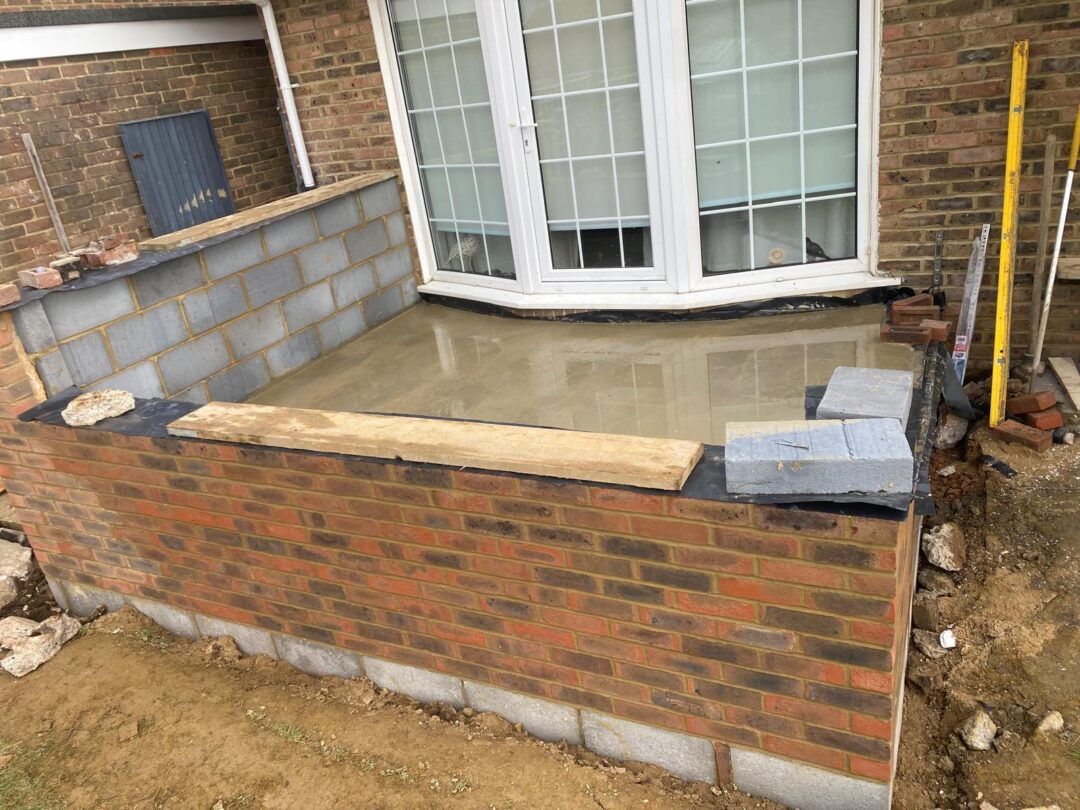
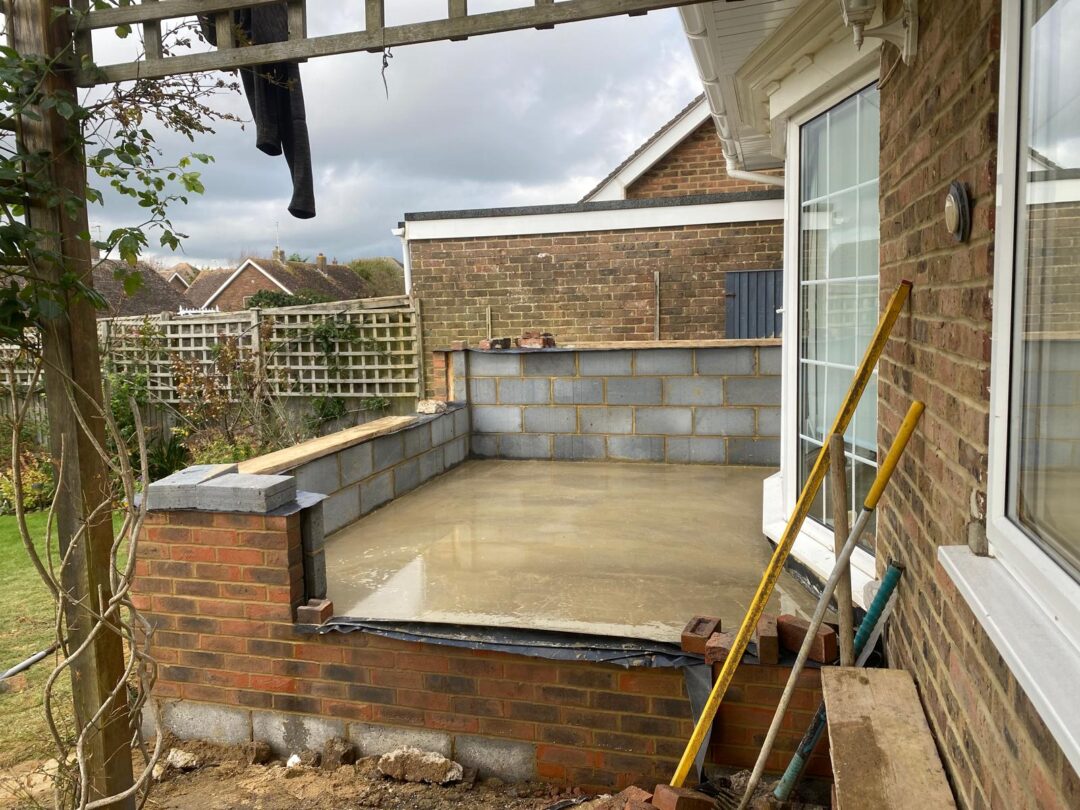
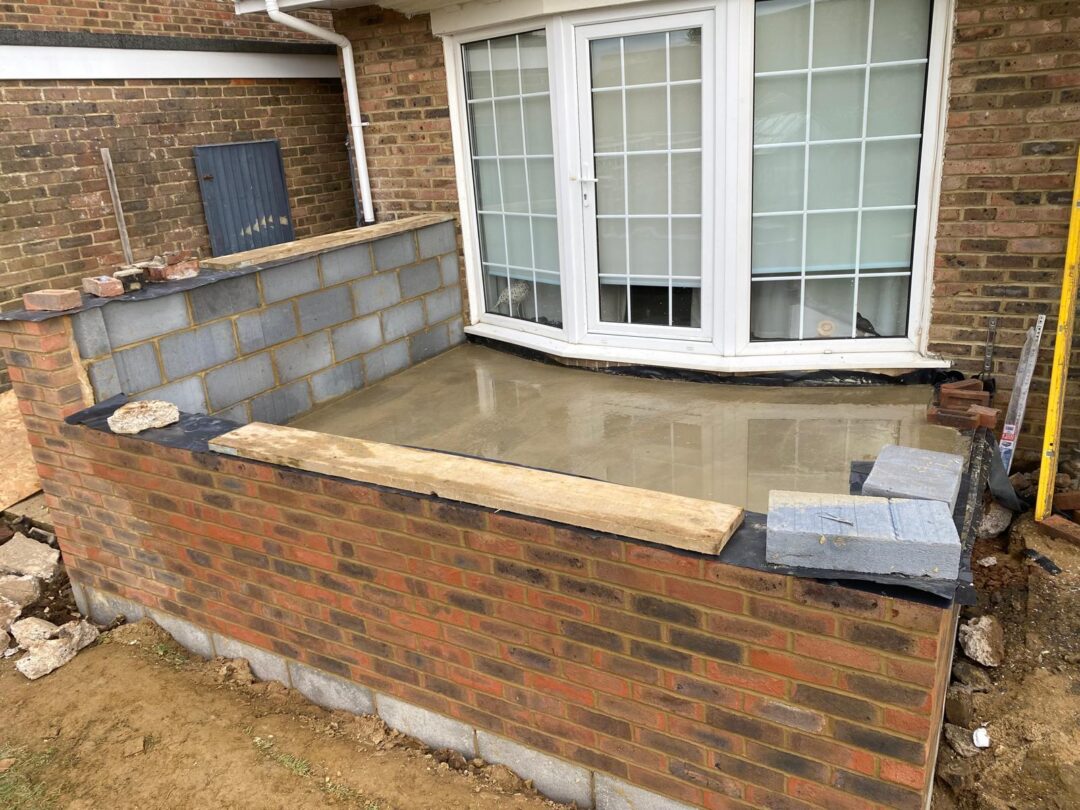
Hindhead, Surrey

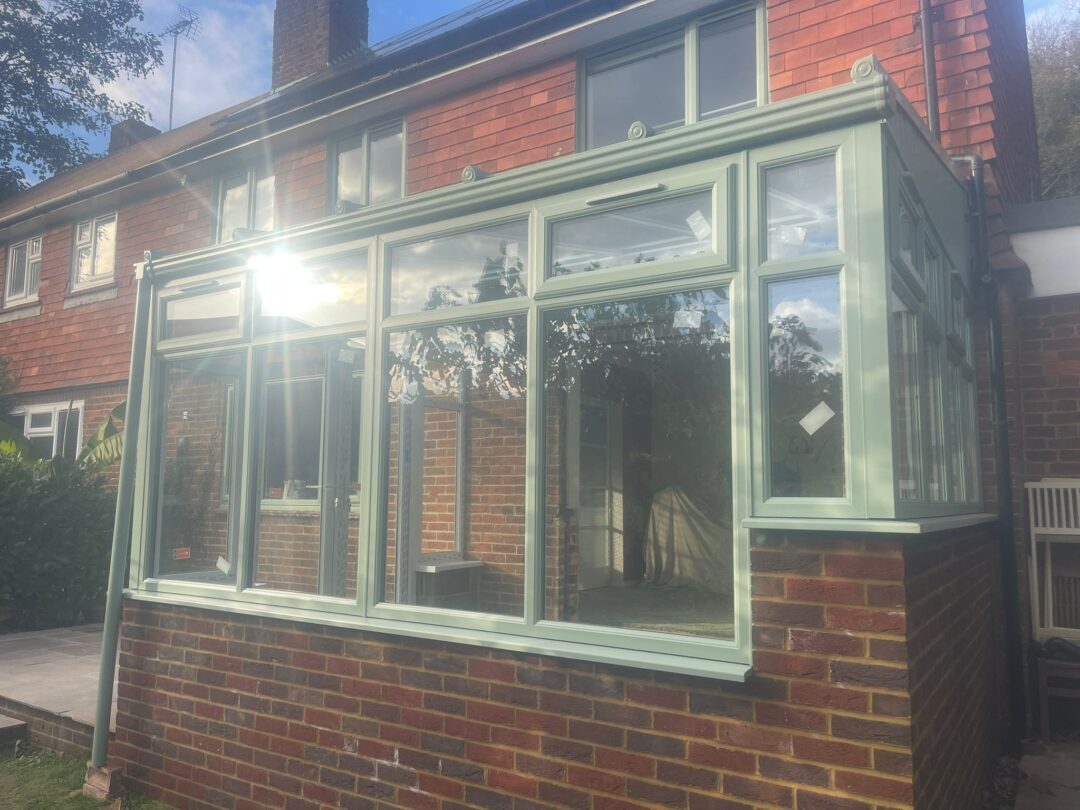
Brickwork Complete, Structure Taking Shape
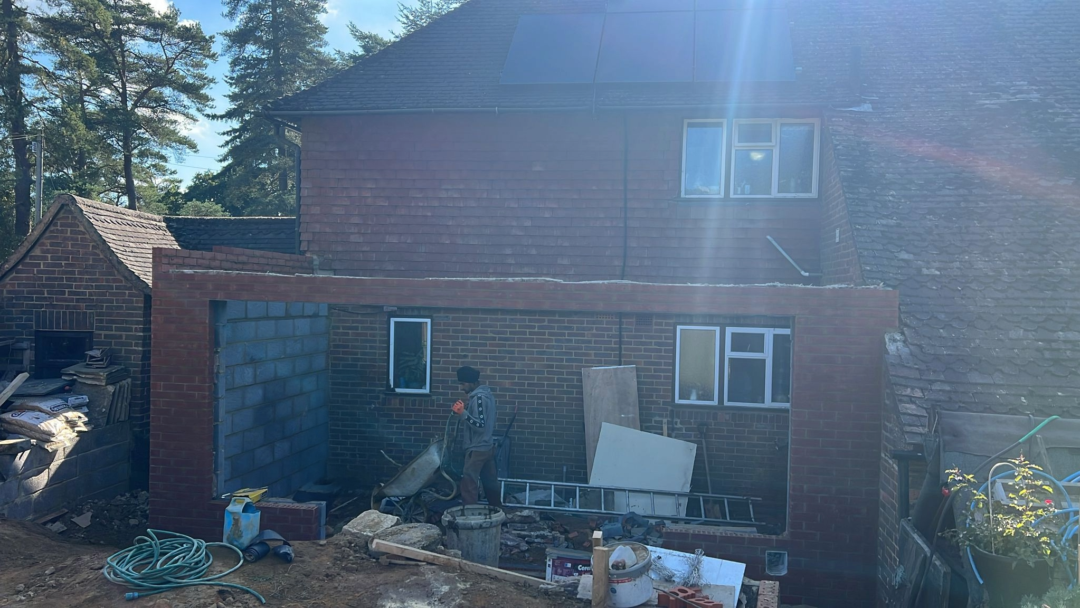
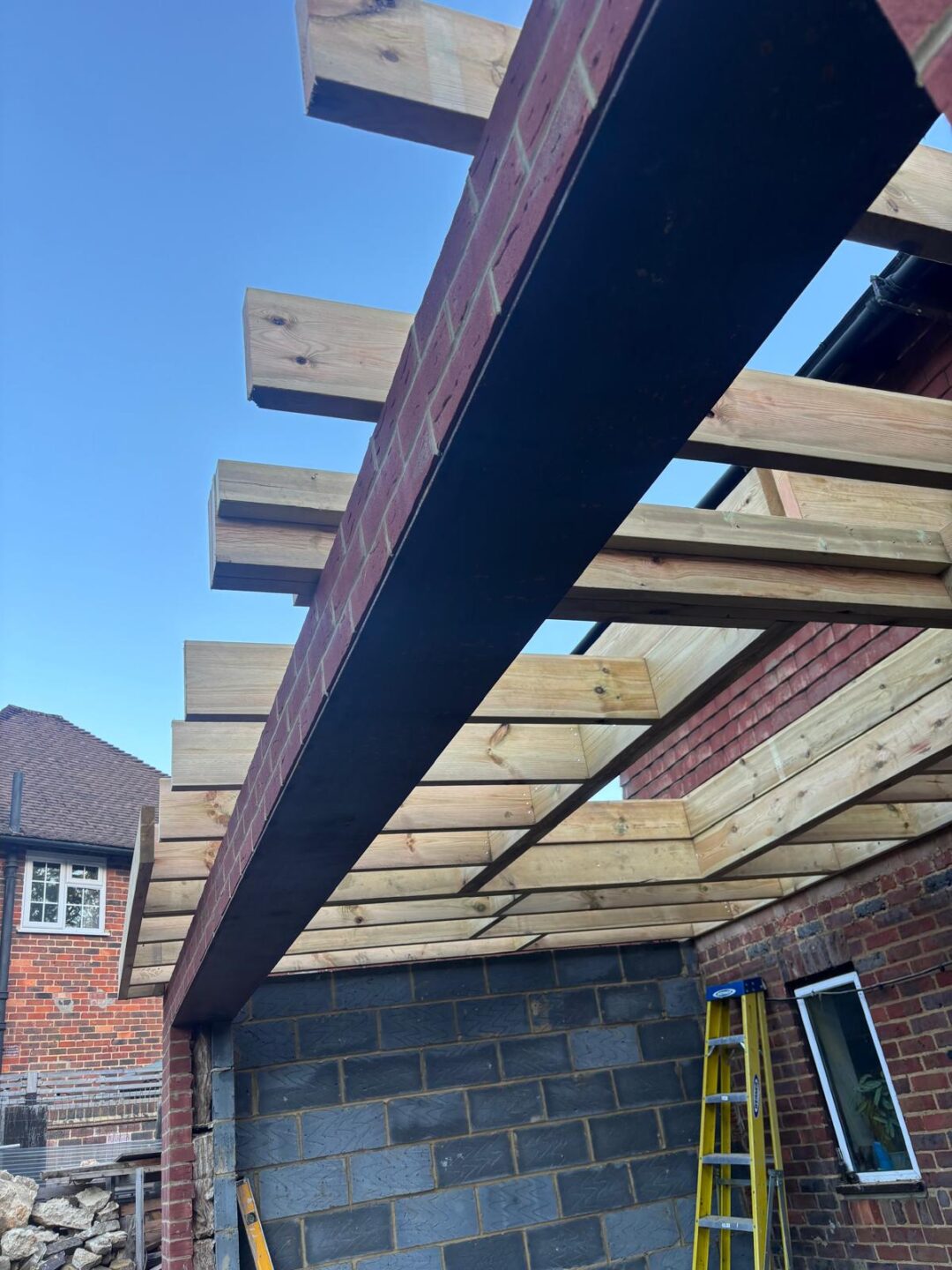
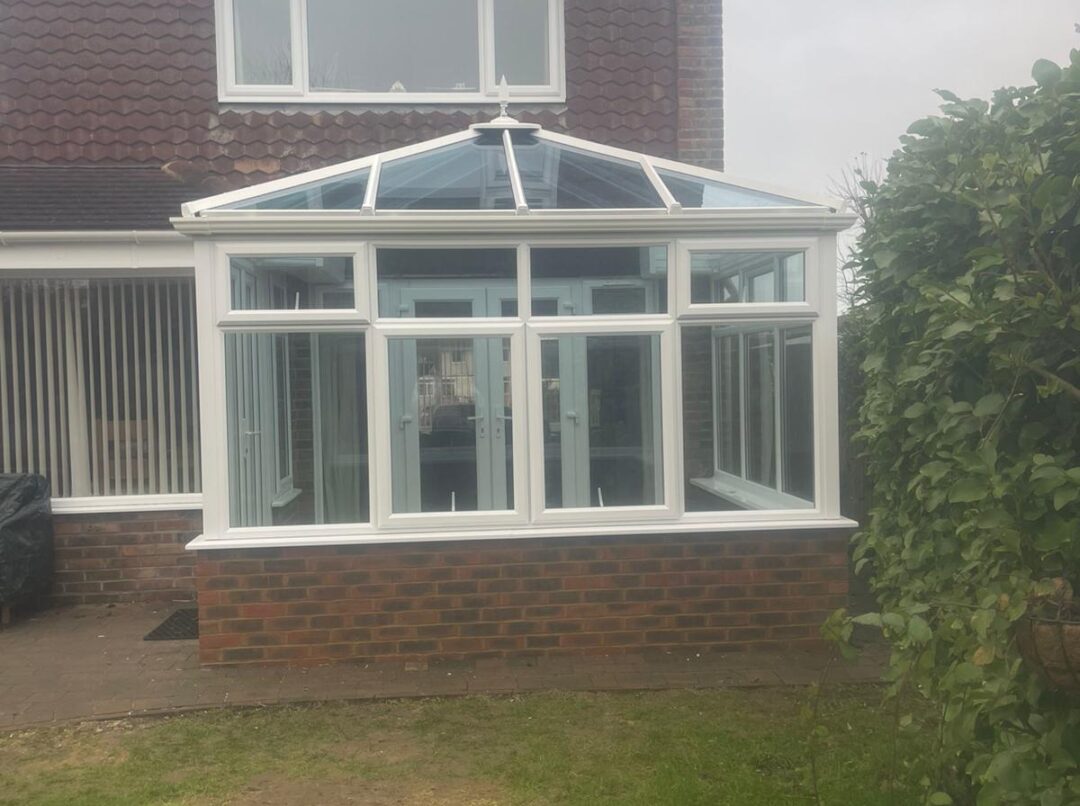
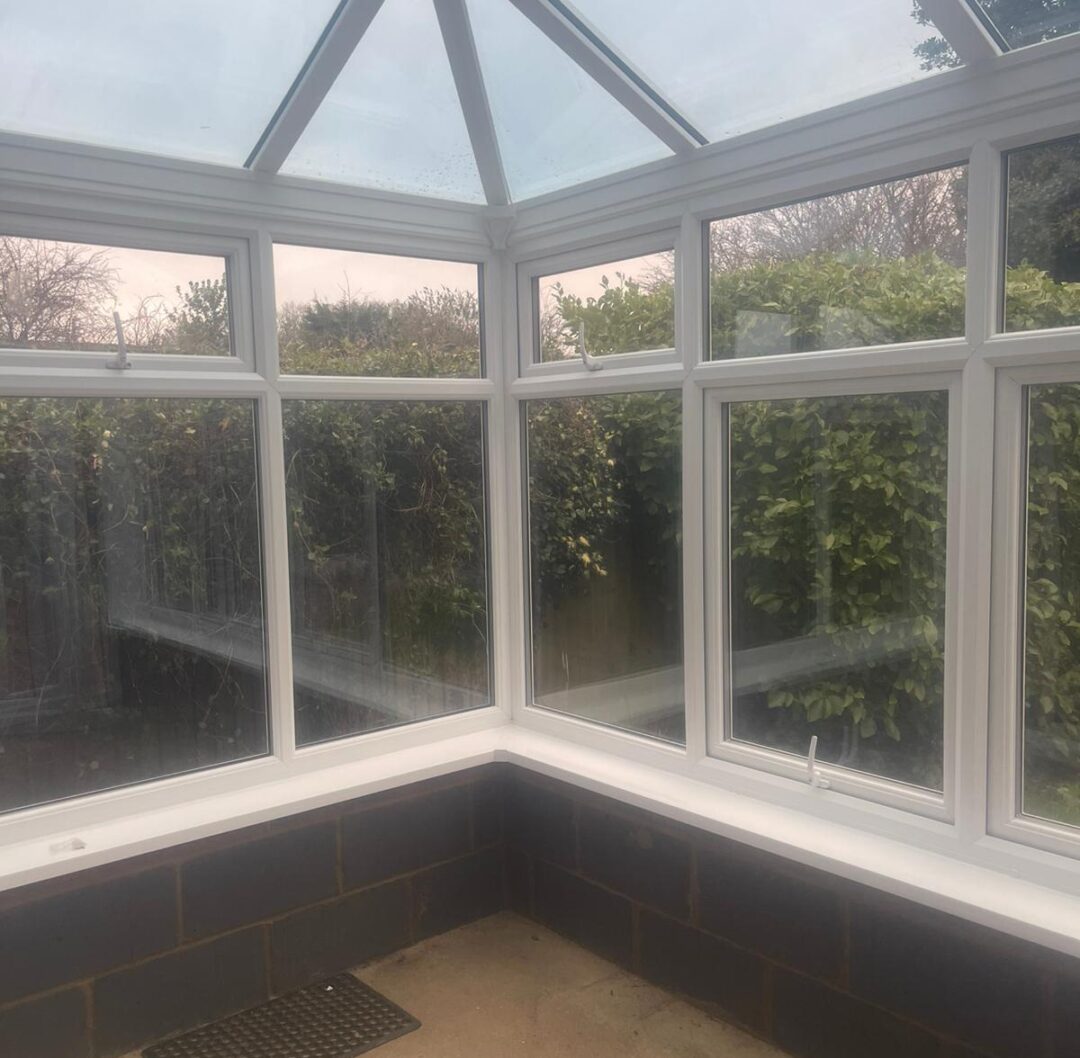
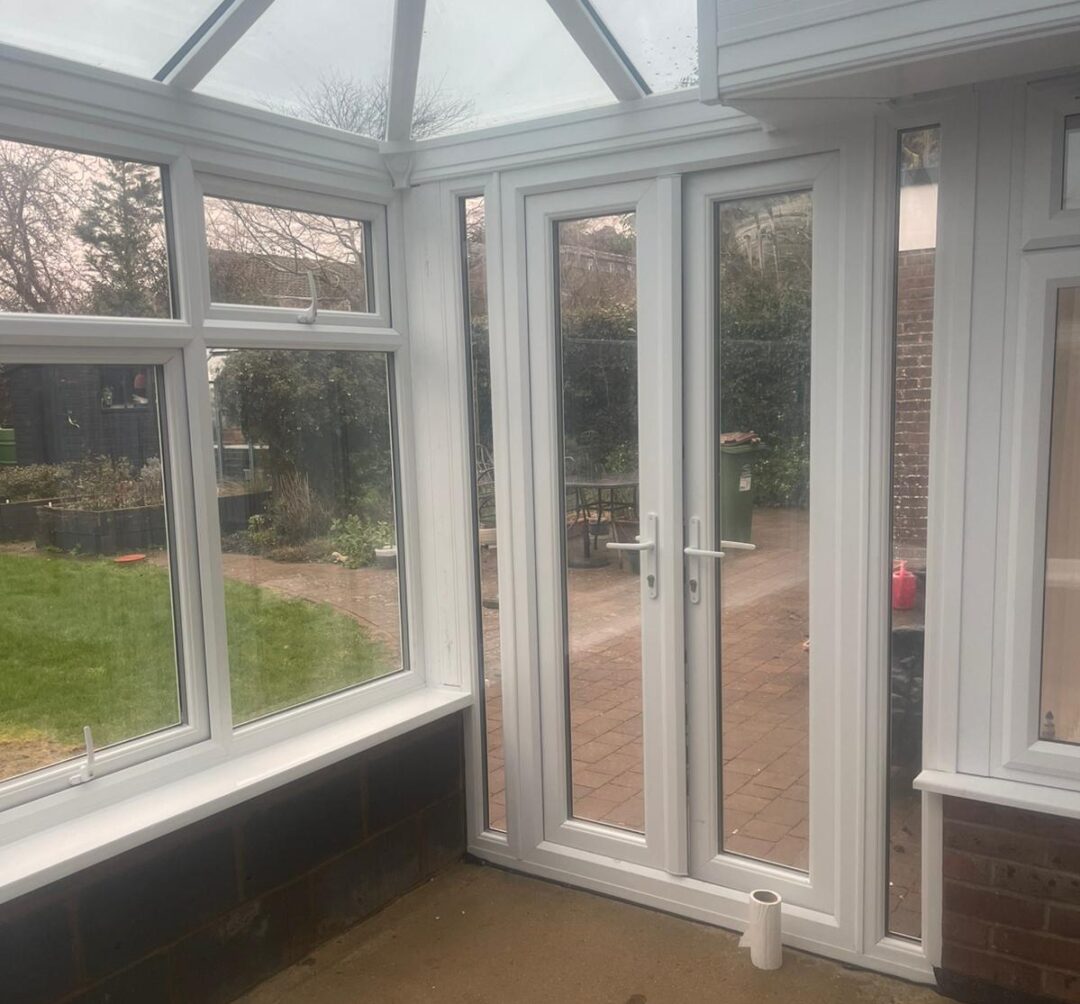
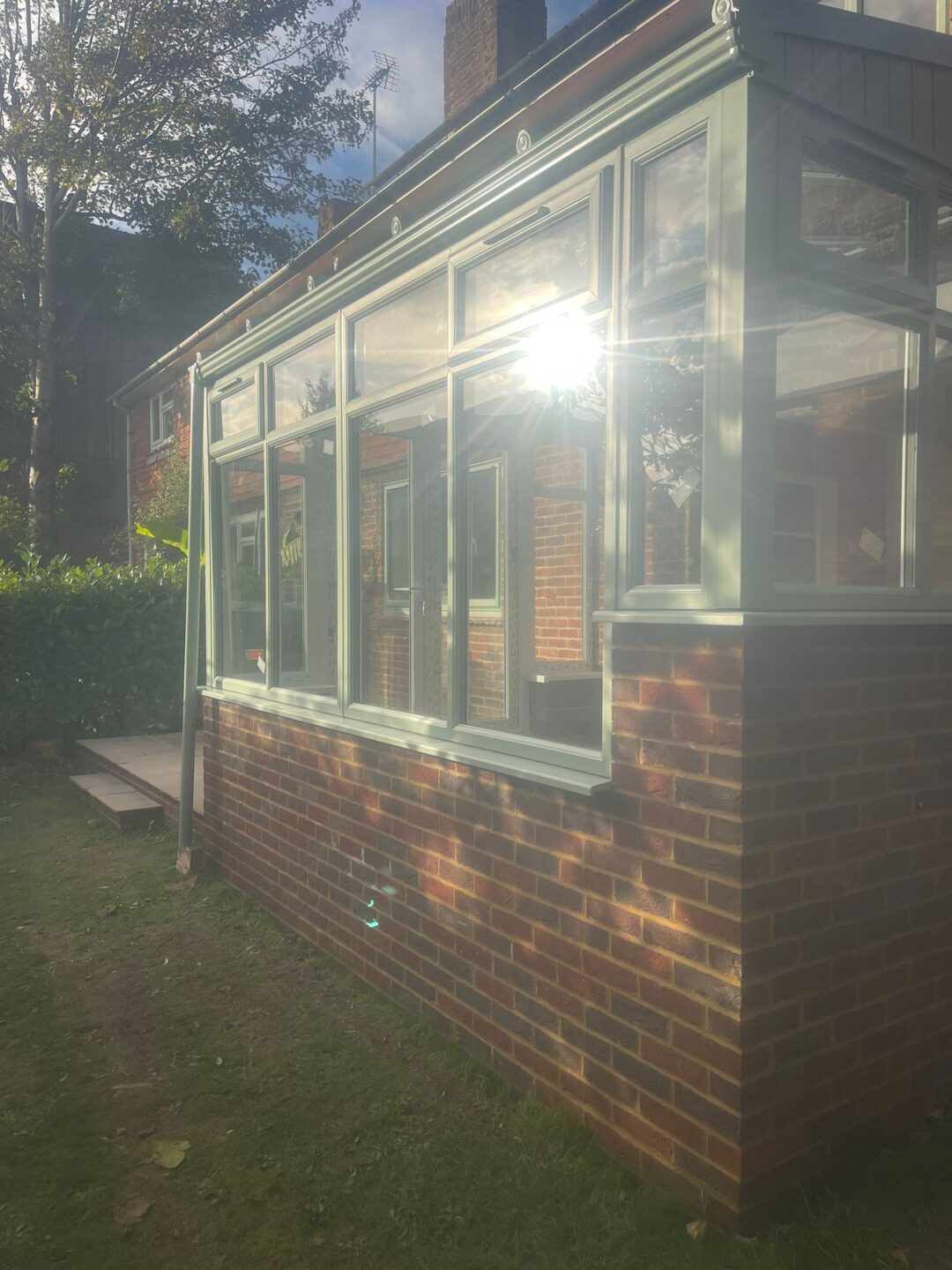
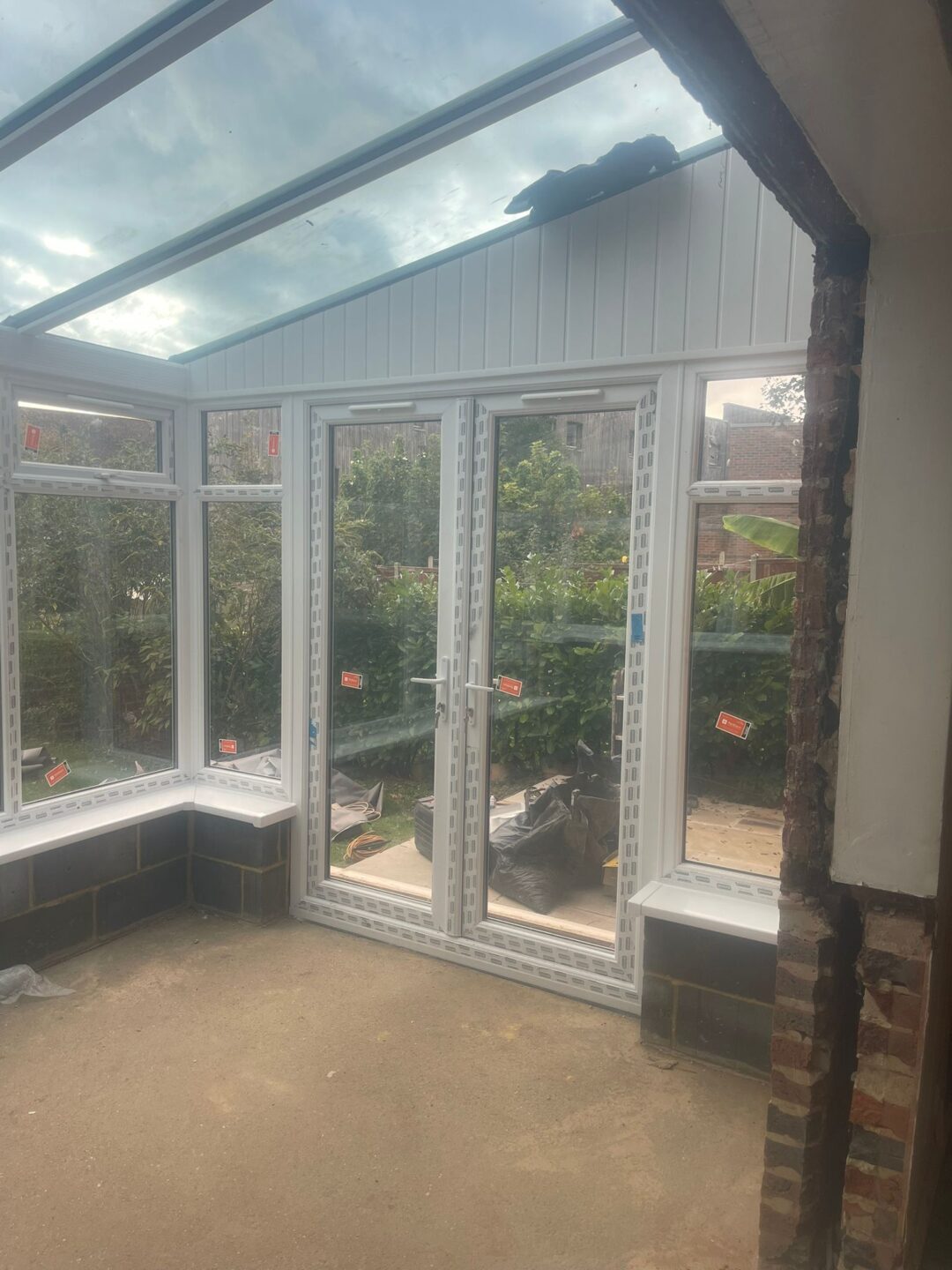
  • Fitting has now been completed on this slightly more complex conservatory.
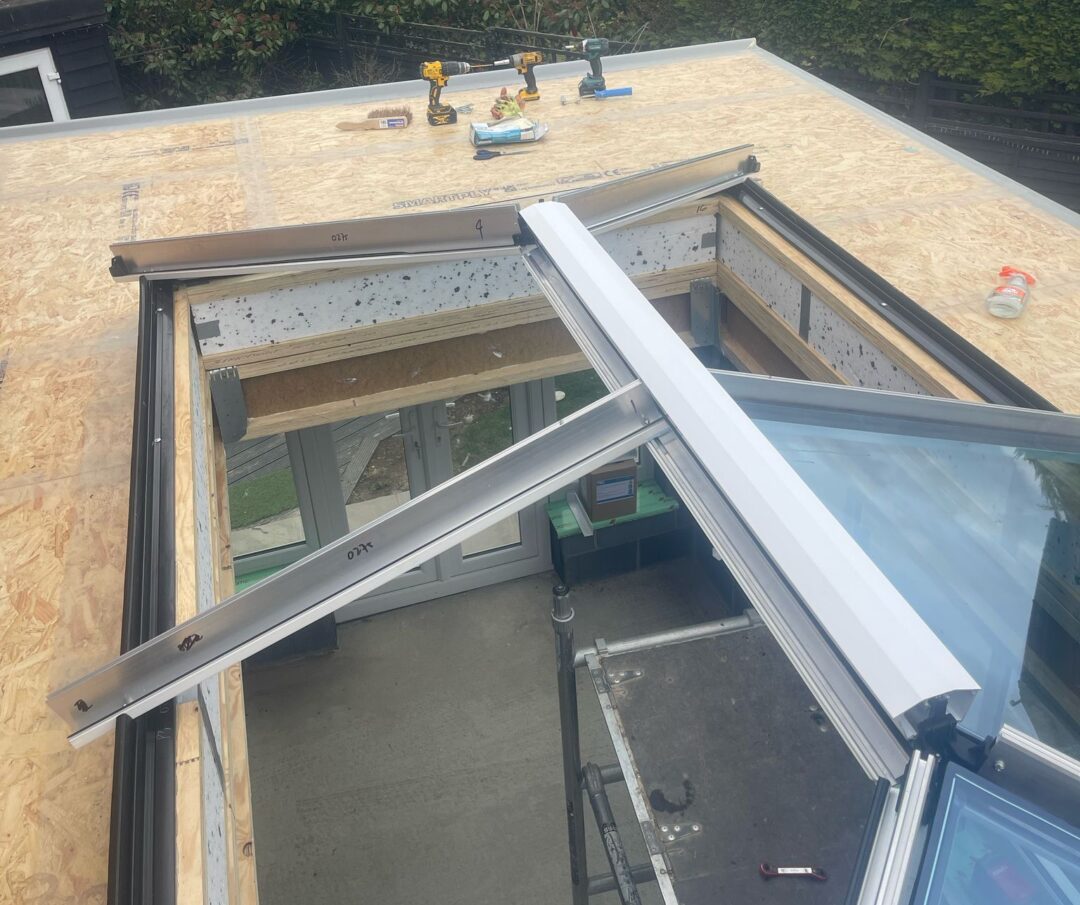
  • Working from a long existing bay window, we’ve integrated the new frames and roof using a neat box-gutter system, fully clad in fascia so it looks clean and finished internally.
  • By filling this corner of the house, the new space improves flow and usability — a layout decision we helped guide the homeowner through when weighing up two different options.
Shoreham, West Sussex

Challenge Overcome, Progress Going Well
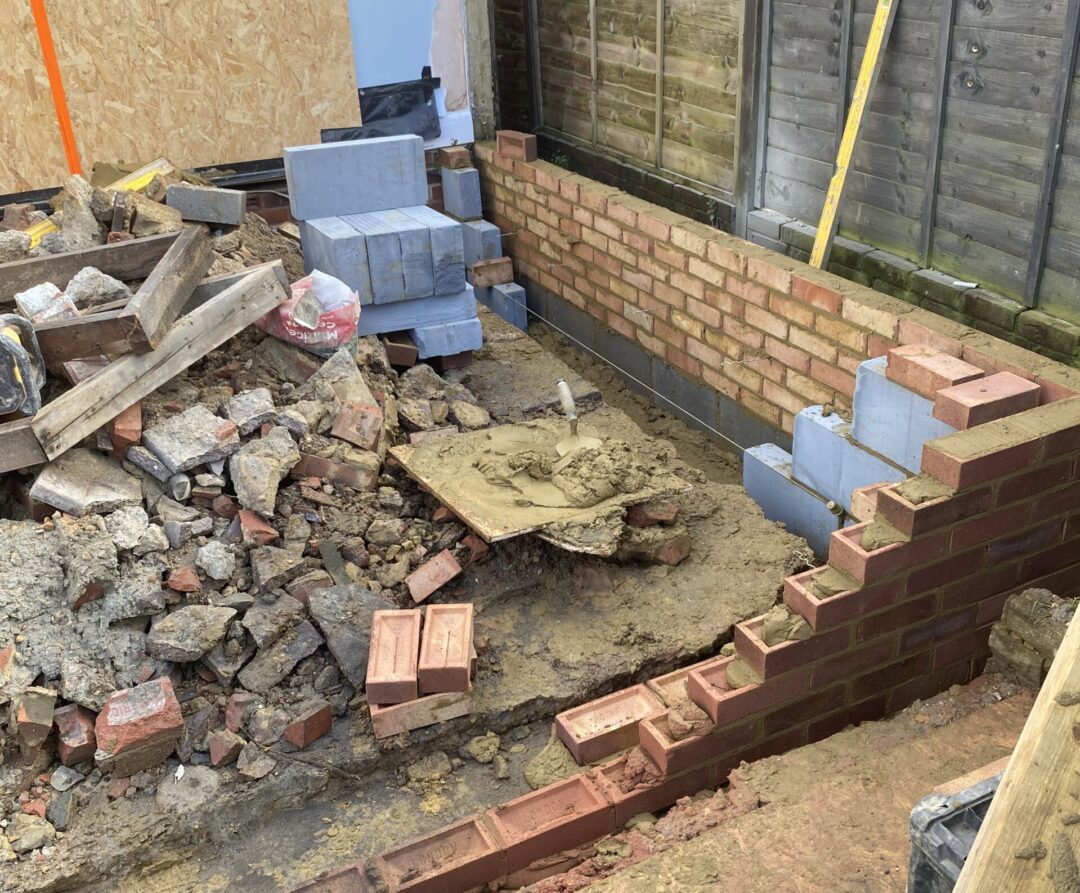
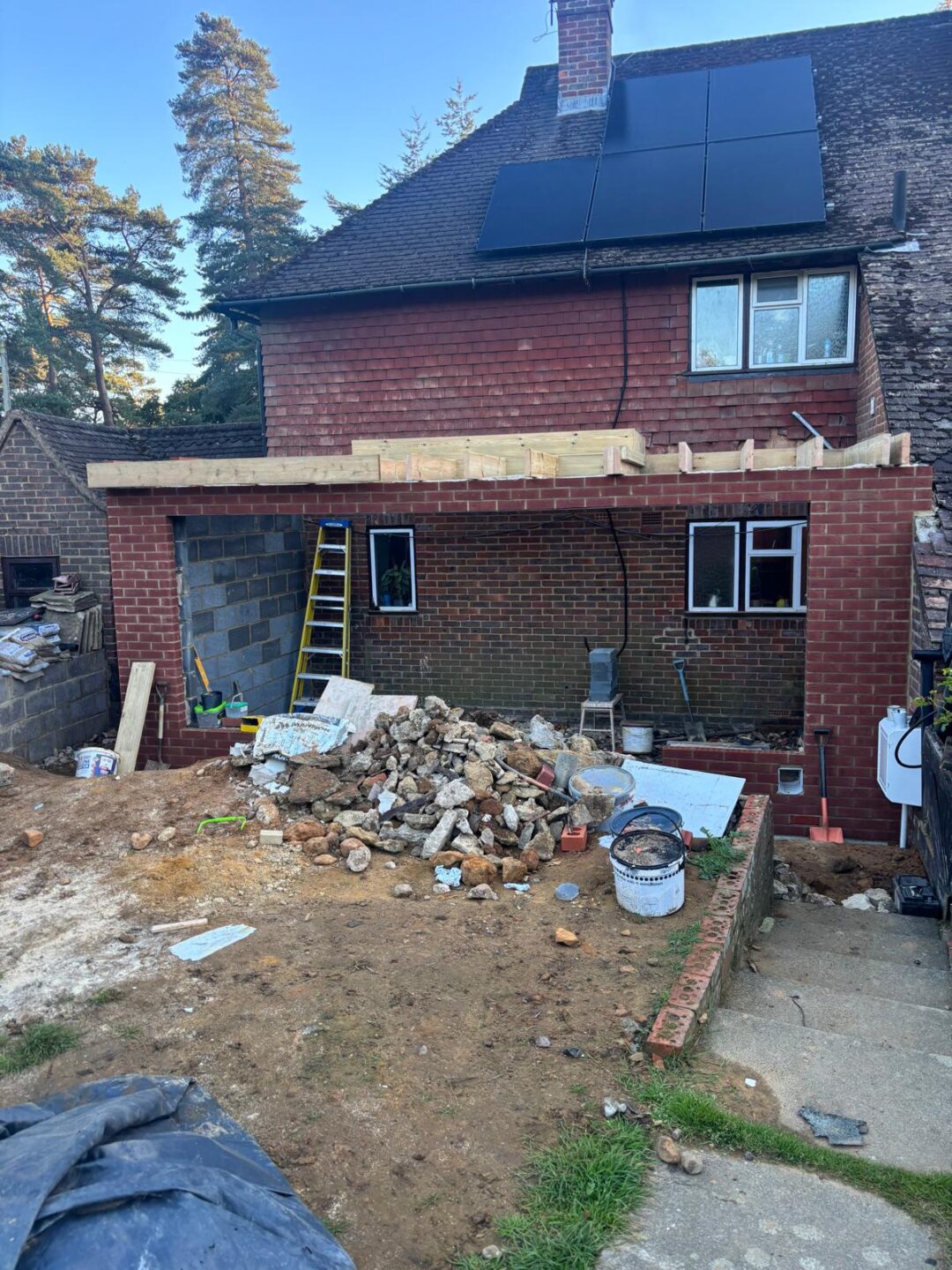
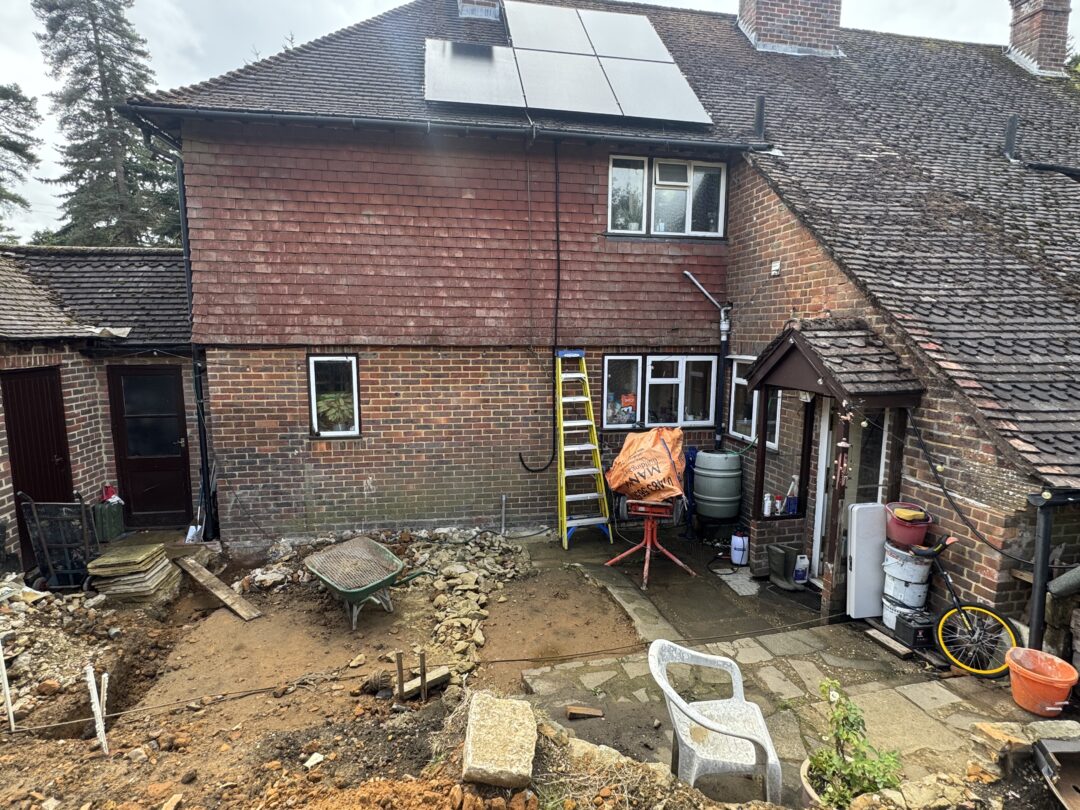
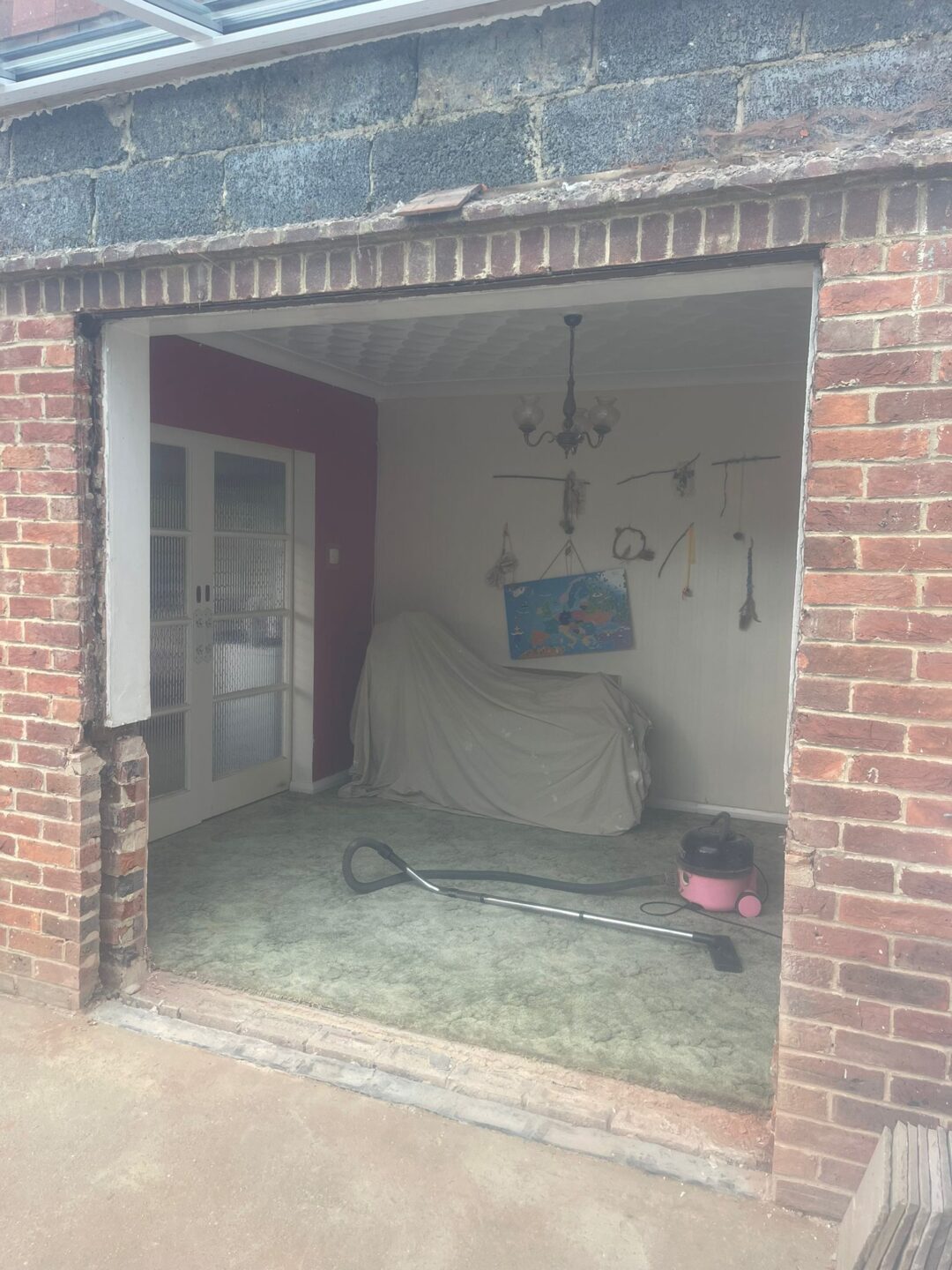
  • A strong start has been made on this project, with the old structure removed and a new one now being built.
  • We discovered the existing base wasn’t to the standard expected and couldn’t be reused, so we worked closely with the customer to agree on a solution everyone was happy with.
  • With that decision made, progress is now moving quickly, and fitting is scheduled for next week.

That’s a Wrap For This Week

That’s it for this week’s round-up! It’s always exciting to see these spaces take shape. From first foundations to final finishes. Whether you’re mid-project, just getting started, or simply gathering ideas, we hope these updates give you a clear view of what’s possible.

👉 Book a free 30-minute consultation with one of our team. We’ll help you explore ideas, understand the process, and see what’s possible for your home.

Check back next week for more real progress from real homes – From The Ground Up.

Find out more

Thinking About Your Own Project?

Speak with our design team about what’s possible for your home.
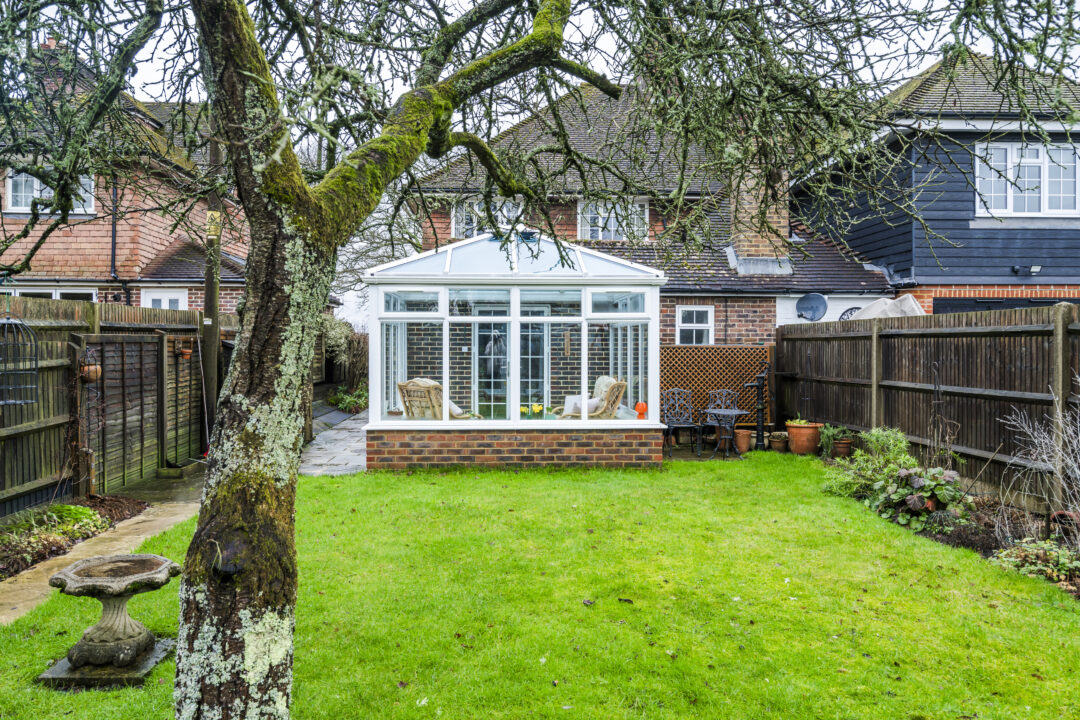
Open-Plan Living Without Major Disruption: How It’s Really Done

Open-plan living does not have to mean months of disruption or major structural work when it is designed properly.

last updated Jan 26, 2026
category Guides
Share with friends

Read time: 4-5 minutes

Many homeowners in the South of England assume open-plan living means removing large sections of the rear wall and living through months of disruption.
In reality, many homes can be opened up far more simply, often without major steelwork or full wall removal.

This guide explains how partial openings work, when steel is required, and how you can achieve an open-plan feel with far less cost and disruption.

The Short Answer

  • Open-plan living does not always require removing the full rear wall
    Many layouts work by removing doors, windows or part of the wall only
  • Steel is only required when openings are widened or newly created
  • Partial openings are often cheaper, faster and less disruptive
  • You can achieve a strong open-plan feel without turning your home into a building site

What “Partial Open-Plan” Actually Means

Partial opening means working with the structure you already have, rather than removing everything.

This often includes removing:

  • Existing doors
  • Existing windows
  • The wall below a window
  • Slightly widening an opening by 200–300mm

These changes can dramatically improve flow, light and connection to the garden, without the complexity of a full knock-through.

Do You Always Need Steel?

No.

Most homes already have structural support above doors and windows.

Steel is not required when:

  • You remove doors or windows
  • You do not increase the size of the opening
  • You fit new doors, such as bifolds, into the existing gap

Steel is required when:

  • You create a brand-new opening
  • You widen an existing opening, even slightly
  • Load from above needs to be redistributed

This distinction is why some open-plan layouts are far more cost-effective than others.

Cost Impact: Why Partial Openings Matter

Structural steel is usually the biggest cost swing in open-plan projects.

Typical comparison:

  • Removing existing doors or windows and making good
    £200–£300 for removal and plastering
  • Creating a new 2–3 metre opening with steel and calculations
    £2,000–£3,000+

By keeping the existing opening size, many homeowners save thousands and still achieve a similar open-plan effect.

Disruption: What Living Through the Work Is Really Like

Partial openings are far less disruptive than full wall removal.

In most cases:

  • Doors and windows are removed after the new structure is watertight
  • Any wall removal happens quickly, often within 1–2 days
  • Dust sheets and temporary barriers are used to separate spaces
  • Openings are boarded and protected immediately

You are rarely left exposed to the elements, and most homeowners remain in the house throughout.

How Partial Openings Help With Design

Light Control

Removing doors or windows improves light flow without blocking it with a solid roof.
This is especially important for kitchens and dining areas behind the new space.

Zoning

Partial openings naturally define spaces without closing them off.
This helps balance noise, warmth and day-to-day use.

Structure

Working with existing openings reduces structural complexity and risk.
Less steel often means faster builds and lower costs.

Real-World Scenarios We See Often

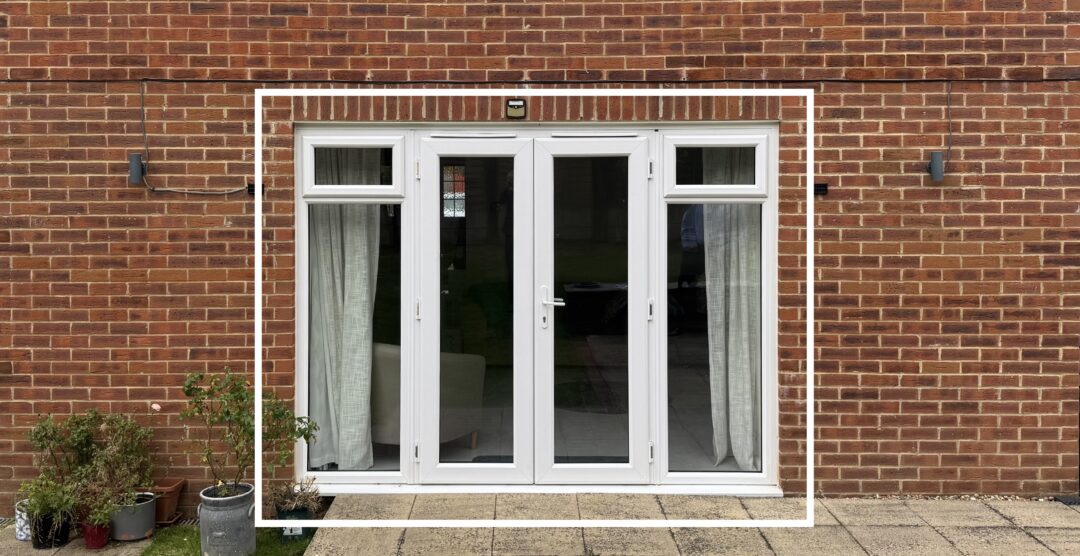
Scenario 1: Existing Doors With Side Panels.

Follow white lines on image

  • Remove doors and side units
  • Create a 2–3 metre opening
  • No steel required
  • Strong open-plan feel at low cost

Result:

Large, open connection with no steel required and minimal disruption.

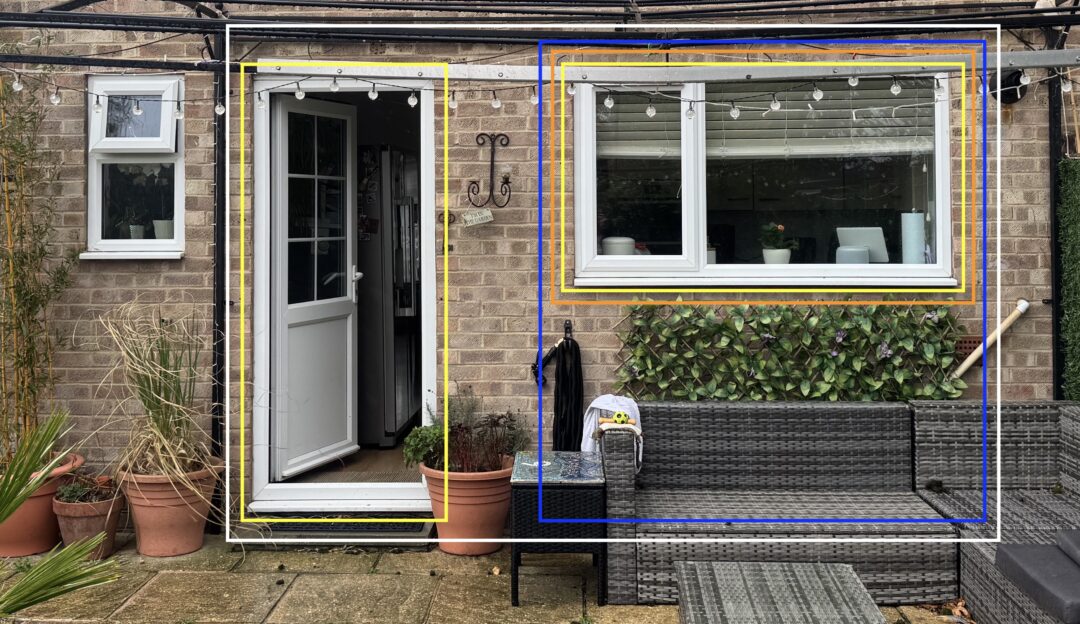
Scenario 2: Door and Window on the Rear Wall

The homeowner wants open-plan living but doesn’t want a full rebuild.

Option A: Follow yellow lines on image

  • Remove the door
  • Remove the window
  • Keep existing kitchen layout

No steel required.

Option B: Follow yellow + orange lines on image

  • Cut the wall down to worktop height
  • Retain existing units
  • Create a breakfast bar or seating on the new side

Option C: Follow yellow + blue lines on image

  • Remove the door
  • Remove the window
  • Remove the wall below the window

This may require a kitchen re-jig but still avoids major structural work.

Option D: Follow white lines on image

  • Remove the door
  • Remove the window
  • Remove the wall below the window
  • Remove the pillar between the wall and window. 

If the pillar between is removed, steel may be required, but disruption remains minimal.

When Partial Open-Plan Works Best

  • You want openness without major cost
  • You want to minimise disruption
  • You want better light and flow, not one vast room
  • You prefer investing budget into finishes, flooring or doors

If you want a completely flush, wall-free opening, steel is usually unavoidable. But many homeowners do not need that to achieve the lifestyle they want.

When a Full Knock-Through Is Still the Right Answer

A full opening is usually better when:

  • You want one continuous room with no wall returns

  • The layout demands a wide, uninterrupted span

  • Structural change is unavoidable to achieve the design

The key is choosing the right solution, not the biggest one.

Final Takeaway

Open-plan living is not about removing walls for the sake of it.
It is about layout, light and how you use the space.

Keeping part of the rear wall often delivers the same feeling, with less cost, less disruption and fewer structural demands.

👉 Book a free 30-minute consultation and we’ll help show you cost-effective ways of creating an open-plan space.

Find out more

Thinking about opening up your home without major disruption?

We will help you explore layout options, costs and whether partial or full open-plan is right for your house before any walls come down.

From the Ground Up – #8

Real Projects. Real Progress. Real Homes. Welcome to From the Ground Up. Our weekly blog series sharing real progress from live projects across the region. From groundwork to glazing. Follow the journey as we build beautiful, functional spaces that transform the way people live in their homes.

last updated Jan 23, 2026
category News
Share with friends

One Extension Complete, One Conservatory Finished, One Orangery Begins

This week we’re completing a major extension, finishing a complex conservatory, and breaking ground on a new orangery. In Twickenham, a large extension is handed over, in Eastbourne fitting is complete, and in Surrey groundwork is underway.

Check out what happened this week below.

Twickenham, Middlesex

Modern Extension Complete

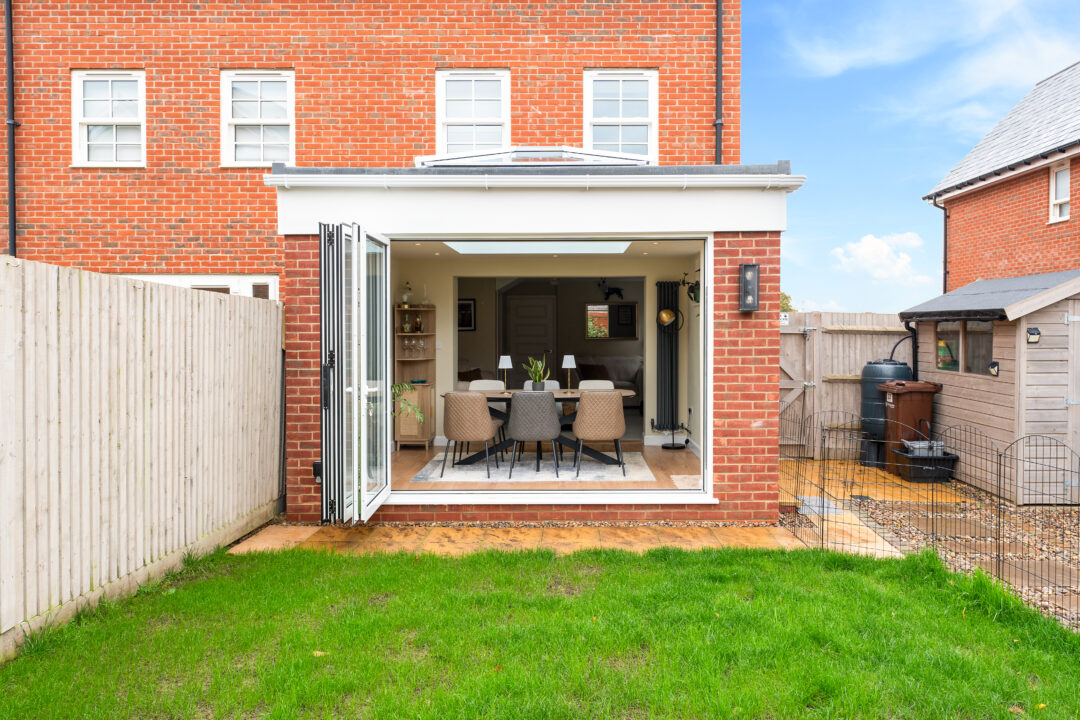
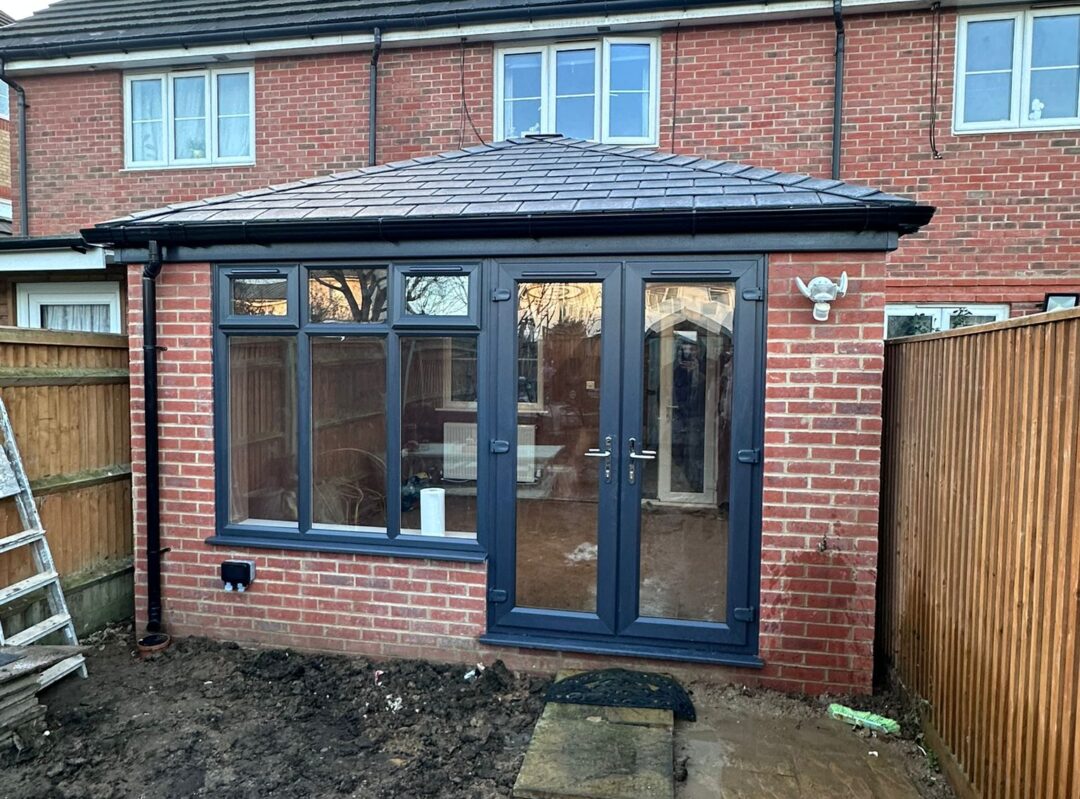
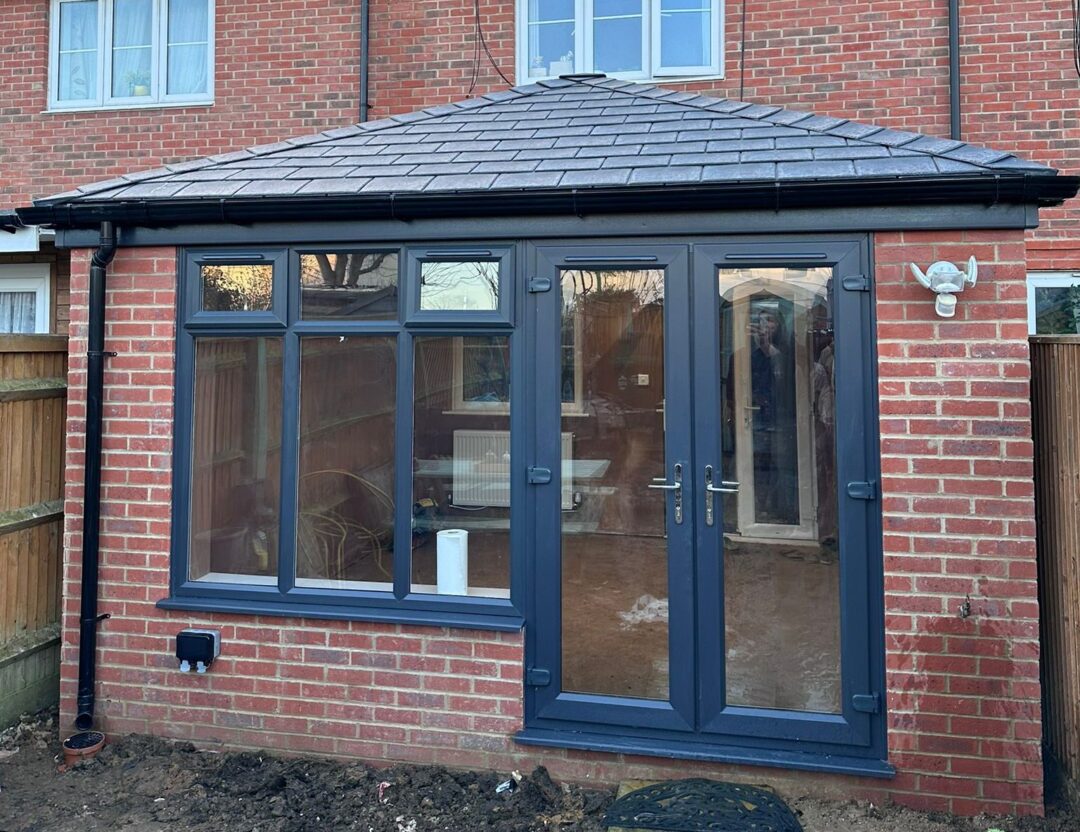
  • This week we’ve completed a fantastic extension project in Twickenham.
  • The scheme went fully through planning, allowing us to achieve the maximum projection possible on this new-build estate.
  • Modern anthracite grey frames paired with a slate-coloured roof help the extension blend seamlessly into the wider development.
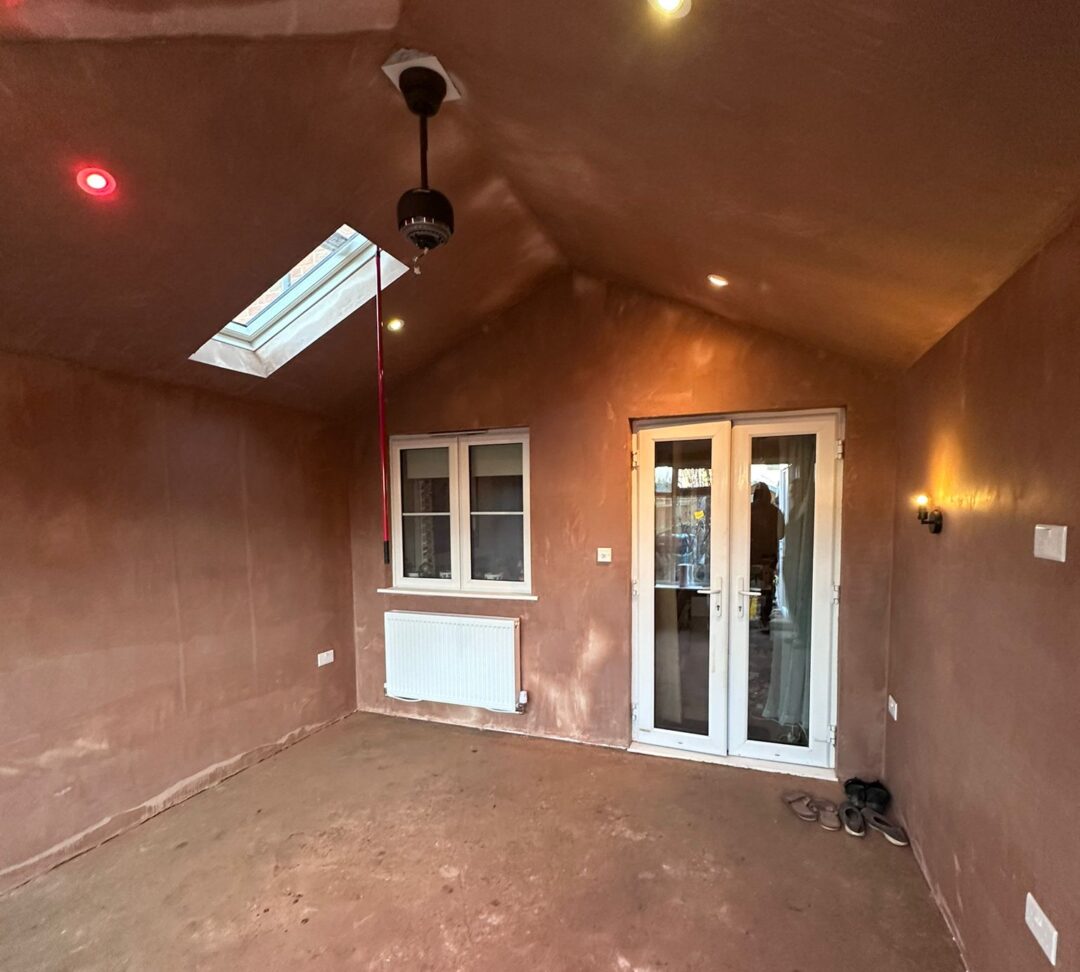
  • With generous wall space and a super-insulated tiled roof, this is now a highly functional, year-round living area for the family.
Eastbourne, East Sussex

Complex Conservatory Fitting Complete

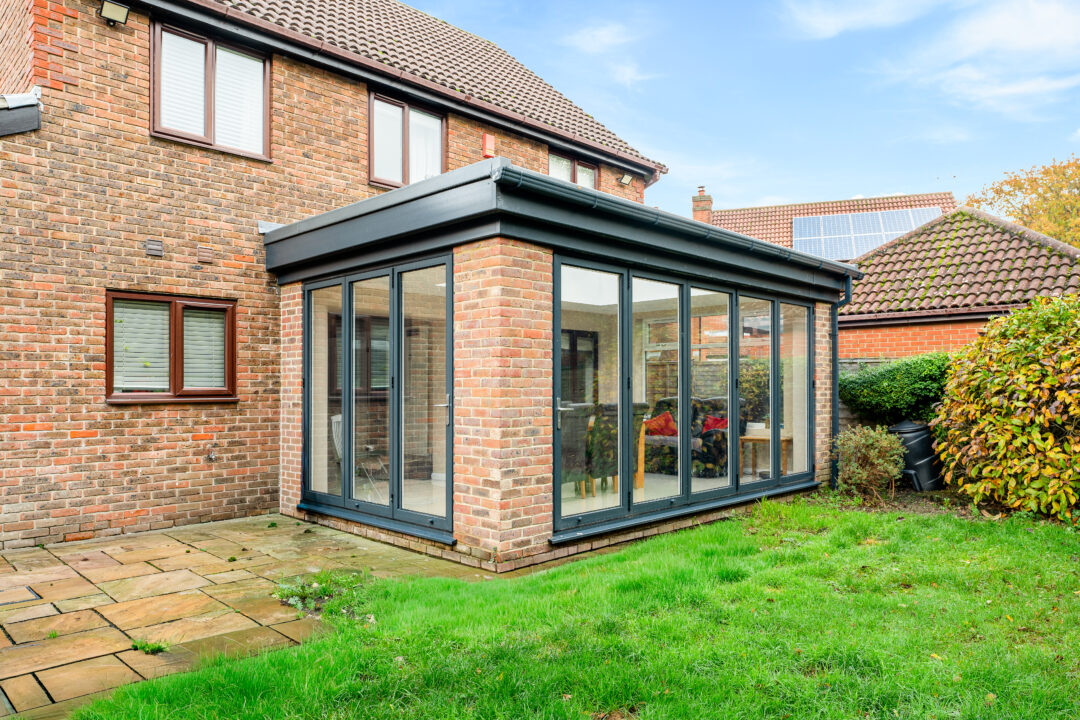
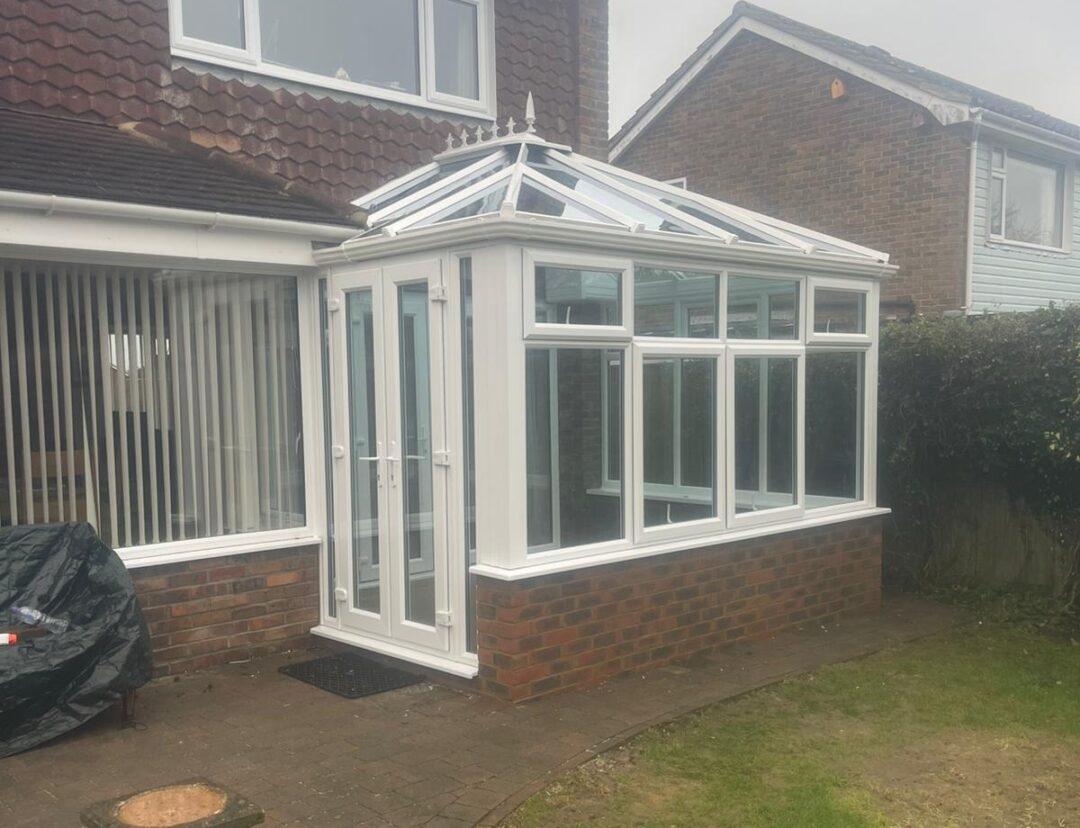
  • Fitting has now been completed on this slightly more complex conservatory.
  • Working from a long existing bay window, we’ve integrated the new frames and roof using a neat box-gutter system, fully clad in fascia so it looks clean and finished internally.
  • By filling this corner of the house, the new space improves flow and usability — a layout decision we helped guide the homeowner through when weighing up two different options.
Hindhead, Surrey

Breaking Ground on a Special Orangery

  • Ground has now been broken on what will be a standout orangery project.
  • Although access is tight, working through the garage and alongside an existing retaining wall, our team is hand-digging to minimise disruption to both the house and garden.
  • Footings will be completed over the next couple of days, with concrete booked for later this week to keep the project moving despite the weather.

That’s a Wrap For This Week

That’s it for this week’s round-up! It’s always exciting to see these spaces take shape. From first foundations to final finishes. Whether you’re mid-project, just getting started, or simply gathering ideas, we hope these updates give you a clear view of what’s possible.

👉 Book a free 30-minute consultation with one of our team. We’ll help you explore ideas, understand the process, and see what’s possible for your home.

Check back next week for more real progress from real homes – From The Ground Up.

Find out more

Thinking About Your Own Project?

Speak with our design team about what’s possible for your home.
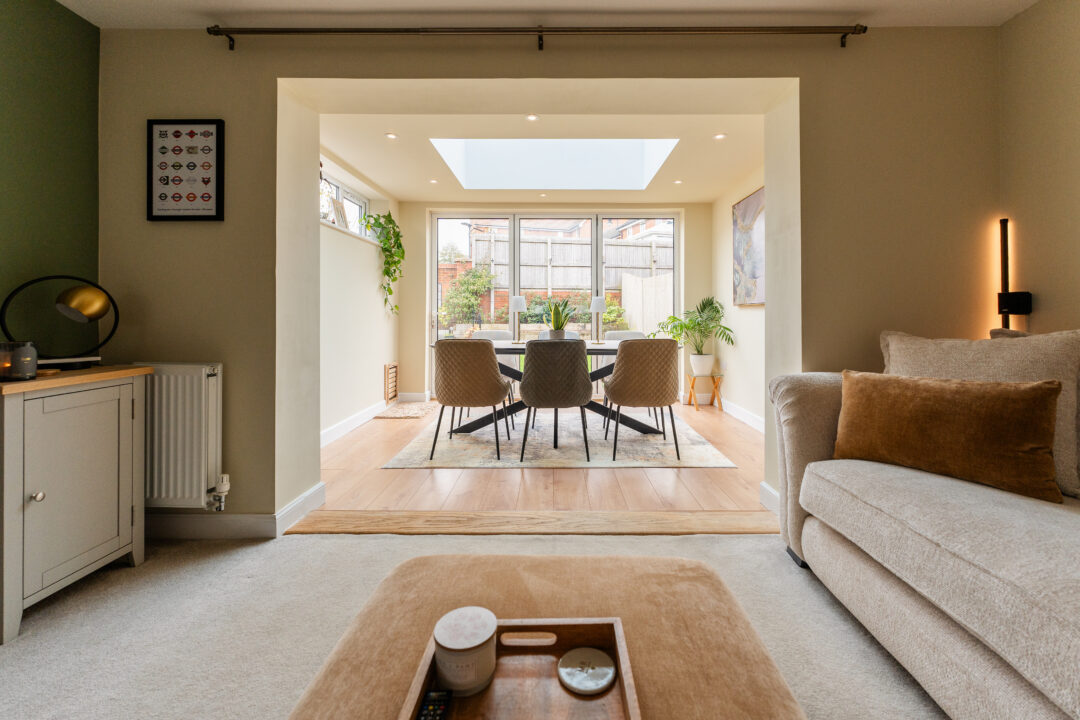
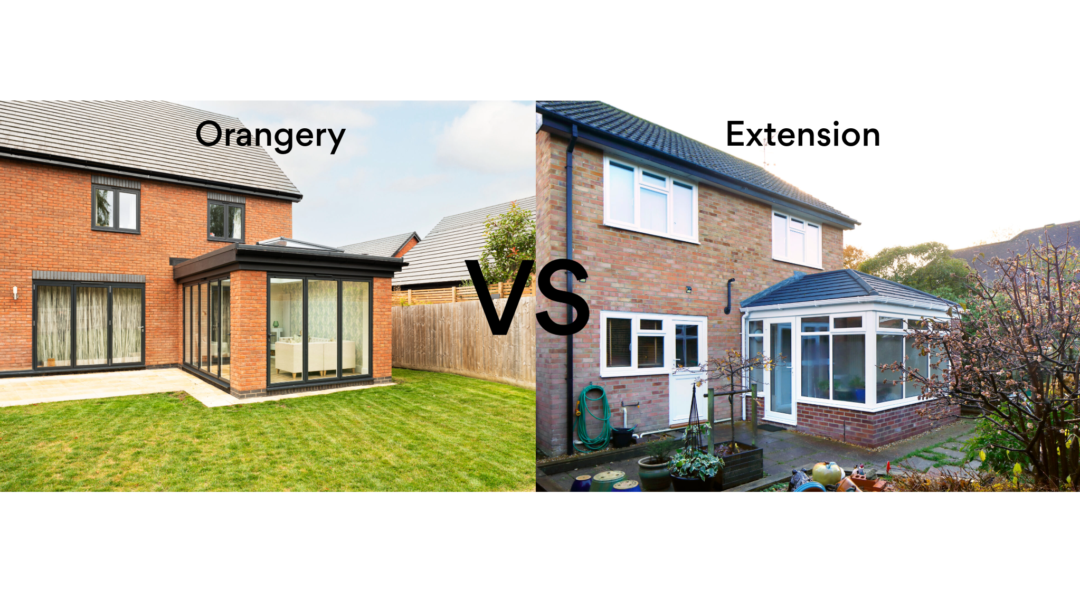
Orangery or Extension for Open-Plan Living in 2026. What is right for Your Home?

If you are a homeowner in the South of England planning an open-plan space in 2026, this guide is for you.

last updated Jan 21, 2026
category Guides
Share with friends

Read time: 8-9 minutes

Many homeowners want open-plan living. However, they often feel dread at the thought of the process. Removing the rear wall of your home sounds major. Risky. Disruptive.

When well designed and managed, an open-plan space can avoid turning your home into a building site. In some layouts you can open up the back of the house without needing major steelwork.

This guide covers what happens when you knock through walls, when you need steel, and when you don’t. It also explains how orangeries are made for open-plan living and helps you choose the right structure for your lifestyle.

The Short Answer

  • Open-plan living does not always require removing the entire rear wall.

  • Structural steel is only needed when openings are widened or newly created.

  • A modern orangery is built to the same standards as a flat-roof extension.

  • Orangeries retain more natural light in open-plan layouts.

  • If you create a new opening and fit a door, Building Regulations usually apply only to the steel; if you leave the opening fully open, they apply to the steel and the structure.

  • The right solution depends on layout, light, structure and disruption, not product labels.

The real question is not whether an orangery is a proper room.
It is what structure and layout suit your home and lifestyle best.

At a Glance: Orangery vs Extension for Open-Plan Living

  • Structure
    • Both are permanent extensions built to full Building Regulations.
  • Light
    • Orangeries retain and introduce more light into existing rooms.
  • Roof 
    • Orangery uses an insulated flat roof with lanterns. Extensions may be fully solid.
  • Open-plan layouts
    •  Orangeries are designed to integrate large openings cleanly.
  • Look and feel
    • Orangeries create a feature space. Extensions are more traditional.
  • Disruption 
    • Both require knock-through works if fully open-plan.

If you want a deeper comparison of insulation, comfort and performance, we’ve covered that in detail here.

Each of these points is explained in detail below.


What Open-Plan Living Actually Means in Real Homes

Open-plan living is not one single layout.

In real homes, it usually means one of three things:

  • Removing an existing set of doors or windows.
  • Widening an existing opening.
  • Removing most or all of the rear wall.

Each option has a very different impact on structure, cost and disruption. Many homeowners assume full removal is the only route. Often, it is not.

Structure and Performance: Why an Orangery Is a True Extension

A modern orangery is constructed to the same standards as any flat-roof extension.

This includes:

  • Proper foundations.
  • Insulated cavity walls.
  • Full compliance with Building Regulations where they apply
  • Permanent, habitable construction.

Our orangery systems use over 200mm of roof insulation, compared to around 150mm in many standard warm-roof systems. This delivers strong thermal performance and stable internal temperatures all year round.

In performance terms, there is no compromise. The difference is architectural design, not comfort or durability.

Roof, Insulation and Heating in Open-Plan Spaces

Heating becomes more important once a house is opened up.

When internal walls are removed, heat moves differently through the home. A well-designed orangery accounts for this from the start.

Key considerations include:

  • Insulation levels that prevent heat loss through the roof.
  • Maintaining warmth in both the new space and the existing room.

Heating layouts that suit larger, connected spaces.
With modern insulation standards, an open-plan orangery can be heated just as efficiently as the rest of the house. There is no inherent increase in running costs when it is designed properly.

Light: Why Orangeries Work So Well for Open-Plan Living

Light is the factor most homeowners overlook.

When you knock through the rear wall of a house, you are not just adding a new space. You are also affecting the light levels in the existing room you are opening from.

This is where orangeries excel.

Features such as:

  • Roof lanterns.
  • Reduced full-height glazing balanced with solid walls.
  • Carefully proportioned openings.
  • Allow light to travel deeper into the original home.

With a fully solid roof extension, restoring lost light later can be difficult and expensive. With an orangery, light is designed in from the beginning – especially when paired with the right glazing.

What really changes when you knock through (and when you need steel)

Knocking through is usually the most worrying part for homeowners. Understanding what actually happens helps reduce that fear.

Structural Support

When you enlarge an opening or remove part of the rear wall, the load above must be supported.

This is done with structural steel.

Steel is required when:

  • A new opening is created.

An existing opening is widened, even by 100–200mm.
Steel is not required when:

  • Doors or windows are removed without enlarging the opening.

Examples where steel is often not needed:

  • Removing French doors to the garden.
  • Removing a kitchen door and adjacent window while keeping the original opening width.

Services and Drainage

Anything fixed to the rear wall must be addressed before knock-through works.

This includes:

  • Downpipes.
  • Waste pipes.
  • Taps and sinks.
  • Electrical points.

Rerouting is usually straightforward. Complexity increases when there are multiple waste pipes or soil stacks, which is why layout planning matters early.

Making Good

After the structural work is complete, finishing work brings the home back together.

This includes:

  • Closing wall cavities.
  • Plastering internal and external surfaces.
  • Screeding floors where walls or doors were removed.
  • Preparing surfaces so flooring and finishes can be installed easily.

The goal is always to leave the space move-in ready, not half finished.

Keeping Part of the Rear Wall vs Full Knock-Through

This is one of the most important design decisions.

As soon as you meet any of the following conditions, costs increase:

  • Widening openings significantly.
  • Introducing large steels.
  • Relocating drainage and services.
  • Creating flush ceiling steel insertions.

Keeping part of the rear wall can:

  • Reduce steel size.
  • Reduce disruption.
  • Lower cost.
  • Still achieve a strong open-plan feel.

Do You Always Need Steel to Go Open-Plan?

No – but you always need proper structural support.

In simple terms:

  • New openings or wider openings almost always require steel or an equivalent structural solution.
  • Keeping the existing opening size can sometimes be done without additional steel, if the original opening was properly supported and passes structural checks.

This is why some open‑plan layouts are significantly more cost‑effective than others: they work with the existing structure instead of fighting it.

Important note: the examples in this guide are for illustration only. On every project we:

  • Survey the property
  • Obtain structural calculations where required
  • Agree the final knock‑through design based on what is safe, compliant and appropriate for that specific house

That’s how we keep costs sensible without taking risks with the structure.

What Changes the Cost of Steel Works

Steel cost is not just about the beam itself.

Key cost drivers include:

  • Size: Larger openings require larger steels.
  • Complexity: Welding to existing steels or complex load paths adds cost.
  • Access: Most steels are carried in by hand. Difficult access may require lifting equipment or, rarely, a crane.
  • Splice joints: Where access is tight, steels can be bolted together in sections to avoid heavy lifting.

Most projects do not require cranes. Where they do, costs can increase by £1,000–£2,000.

Types of Steel Insertion

Ceiling Level

  • Stepped steel: Steel sits below the existing ceiling line. More common and more cost-effective.
  • Flush steel: Steel is hidden within the floor structure above so ceilings run level. This costs more but creates a cleaner look.

Side Supports

Most steels require supporting pillars at each end.

In some cases, windposts can be hidden within wall cavities. This avoids visible pillars but increases cost and is used selectively.

When an Orangery Makes More Sense for Open-Plan Living

An orangery is often the better choice when:

  • You want to open a kitchen or diner to the garden but retain light.
  • You want a feature space that still feels part of the home.
  • You are concerned a fully solid roof will darken the centre of the plan.

Real-world example:
On this project, the goal was to improve flow without losing daylight in the existing home.

  • The orangery was designed with controlled glazing and a lantern.
  • The knock-through was sized carefully to balance openness and structure.
  • Light now travels deeper into the original rooms, not just the new space.

👉 View the Case Study here

When a Solid Extension Is Still the Right Answer

A traditional extension can be better when:

  • Deep plans require more ceiling space for services.
  • Privacy is a priority.
  • Planning or design constraints limit glazing.

Storage and wall space outweigh light requirements.

Design Rules We Use for Successful Open-Plan Living

  • Preserve or add light into existing rooms.
  • Make homeowners aware of any internal pillars early.
  • Zone spaces for noise and quiet.
  • Ensure natural circulation without creating corridors.
  • Treat the orangery as part of the house, not an add-on.

Common Mistakes to Avoid

  • Knocking through without considering light loss.
  • Assuming steel is always required.
  • Ignoring cost-effective layout options.
  • Skipping proper structural calculations.
  • Treating the orangery as a bolt-on room.

Living in the house during knock-through works

Most homeowners can stay in the house during works. The key is clear sequencing and knowing what happens at each stage of the build.

Typical realities include:

  • Short periods of dust and noise.
  • Temporary loss of access through the rear.
  • Clear sequencing to minimise disruption.

Partial knock-throughs are usually far less disruptive than full wall removal.

Planning and Building Regulations Explained Simply

Planning permission answers one question: can I build it?
Building Regulations answer another: has it been built properly and safely?

f you want a full breakdown of how planning works in 2026, including Permitted Development and Prior Approval, we explain it here.

For open-plan projects, Building Regulations are triggered by structural change, not by the idea of open-plan living itself.

If you only remember one thing, remember this:

  • New or wider openings almost always need structural calculations and Building Regulations sign‑off.
  • Replacing doors/windows in an existing opening is usually simpler, and often cheaper, than creating a brand‑new opening.

What matters most is whether a new opening changes how the house is supported.

When structural calculations and Building Regulations are not required

  • You remove existing doors or windows.
  • You do not increase the size of the opening.
  • You install new doors, such as bifolds, into the existing gap.

In this case:

  • No new structural support is needed.
  • No structural calculations are required.
  • No Building Regulations approval is needed for the opening itself.

This is why some open-plan layouts are simpler and more cost-effective than people expect.

When structural calculations are required

Structural calculations are required when:

  • A new opening is created.
  • An existing opening is widened, even slightly.
  • Load from above needs to be redistributed.

This usually means installing a steel beam.

How Building Regulations apply in different knock-through scenarios

  1. New opening with a steel beam and a door installed (for example, bifolds)
    • Structural calculations are required for the steel.
    • Building Regulations apply to the steel only, not to the new structure as a whole.
  1. New opening with a steel beam and no door installed (fully open plan)
    • Structural calculations are required.
    • Building Regulations apply to:

      • The steel.
      • The surrounding structure.

Fire safety and load paths where relevant.

This is because the opening becomes part of the main habitable space, not a separated room.

The simple rule to remember

  • If you create a new opening and install a door, Building Regulations usually apply only to the steel.
  • If you create a new opening and leave it fully open, Building Regulations apply to the steel and the structure.

This distinction is important, and it is why layout decisions can affect cost and complexity.

Why this matters for homeowners

Understanding this early allows:

  • Smarter layout choices.
  • Better cost control.
  • Fewer surprises once work starts.

It also explains why some open-plan projects feel straightforward, while others require more involvement.

How Precision Handles Open-Plan Projects

Our process removes uncertainty:

  • Site visit and layout review.
  • Light and structure assessment.
  • Options presented, including when not to knock through.
  • Clear costed routes.
  • Fixed-price proposal for the agreed scope.

We will tell you when a solid extension is better than an orangery, and when keeping part of the wall makes more sense.

Final Takeaway

Open-plan living is not about removing walls for the sake of it.

It is about light, structure, comfort and how you want to live day to day.

A modern orangery is designed to make open-plan living work, not just look good.

👉 Book a free 30-minute consultation and we’ll help show you if an open-plan design works for you.

Find out more

Thinking about creating an open-plan space in 2026?

We will help you decide whether an orangery or extension is the right move for your home, before any walls come down.

From the Ground Up – #7

Real Projects. Real Progress. Real Homes. Welcome to From the Ground Up. Our weekly blog series sharing real progress from live projects across the region. From groundwork to glazing. Follow the journey as we build beautiful, functional spaces that transform the way people live in their homes.

last updated Jan 16, 2026
category News
Share with friends

Orangeries Near Completion & a New Build Begins

This week we’re seeing projects near completion and new builds taking shape. In Chichester and Shoreham, two orangeries are in their final stages, while in Farnborough a new structure is rising after the old conservatory was removed.

Here’s what took shape on site.

Chichester, West Sussex

Modern Orangery with Traditional Character

  • Following on from earlier From the Ground Up updates, this orangery is now in its final stages.
  • Fitting, plastering, and electrics have all been completed, transforming the space into a bright, modern extension.
  • Anthracite grey frames paired with buff brickwork, while retaining the original red brick detailing, creates a contemporary look that still ties beautifully into the existing house.
  • Our team will return next week for final snagging, ready for the customer to move in and enjoy the space.
Shoreham, West Sussex

Orangery Approaching Completion

  • This impressive orangery is nearing completion, with plastering and electrics being finished off.
  • From planning approval through to this stage, we’ve managed the entire process, giving the customer a truly hands-off experience.
  • A super-insulated roof and striking lantern will flood the new space with natural light, creating a comfortable, year-round room at the heart of the home.
Farnborough, Hampshire

Old Conservatory Removed. New Build Underway

  • The existing conservatory has been removed, with the new base and walls now in place.
  • Matching brickwork ties the structure seamlessly into the house, while cavity walls ensure the space will be warm and usable throughout the year.
  • Frame delivery is scheduled for next week, keeping the project on track for completion in time for early spring.
  • Watch this space as the build continues to take shape.

That’s a Wrap For This Week

That’s it for this week’s round-up! It’s always exciting to see these spaces take shape. From first foundations to final finishes. Whether you’re mid-project, just getting started, or simply gathering ideas, we hope these updates give you a clear view of what’s possible.

👉 Book a free 30-minute consultation with one of our team. We’ll help you explore ideas, understand the process, and see what’s possible for your home.

Check back next week for more real progress from real homes – From The Ground Up.

Find out more

Thinking About Your Own Project?

Speak with our design team about what’s possible for your home.
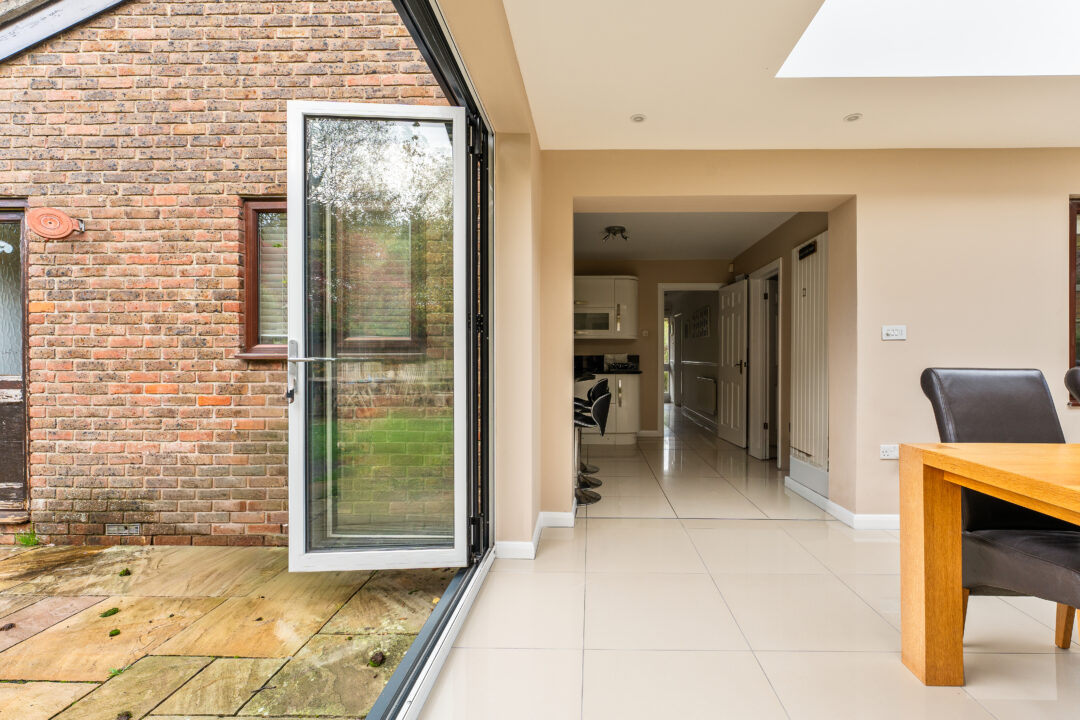
How much does a 4 x 3m Orangery Cost in 2026?

A realistic cost guide covering specification choices, structural work, and how to budget properly.

last updated Jan 12, 2026
category Guides
Share with friends

Read time: 5-6 minutes

Many homeowners in the South of England ask the same question when planning an orangery:

“How much will a 4 x 3m orangery actually cost in 2026?”

This guide explains what drives the price, what is included, what is not, and how to plan your budget with confidence.

The Short Answer

  • For a typical 4 x 3m orangery  (approximately 12m²) in the South of England in 2026, including VAT
    • Standard finishes and minimal structural work: approx £30,000–£32,000
    • Higher-spec designs with more brickwork, wider openings or premium finishes: from £35,000+

Below we break down what actually changes these numbers

What Actually Changes the Price?

  • Groundworks & Foundations
    • This is often one of the biggest cost variables.
    • Where deeper footings are required to meet Building Regulations, or where the garden level drops away from the house, costs increase due to additional excavation, concrete and build-up. We’ve seen this add £1500-2000 when the ground falls away fast from the house. 
    • This is usually one of the largest swings between projects.
  • Access, Drainage and Plumbing
    • Difficult access, such as working through the house, increases labour time and site costs.
    • Minor drainage moves may add a few hundred pounds, but relocating a public manhole can add £1,500 or more due to permissions, CCTV surveys and specialist work. Drainage is often the most unpredictable element.
  • Structural Works & Knock-Throughs
    • Structural alterations are typically the single biggest cost swing.
    • Removing an existing door or window without increasing the opening is the most cost-effective option. 
    • Creating a wider 2–3 metre opening usually adds around £2,000–£3,000, including structural calculations and steels.
  • Roof System & Insulation
    • In our projects, the roof system is not a variable cost item. 
    • Every orangery is built with the same fully insulated roof specification to meet current standards and deliver year-round comfort, so this does not change the price up or down.
  • Glazing & External Finishes
    • Specification choices affect manufacturing cost rather than performance.
    • Upgrading frame colours typically adds £500–£700.
    • Moving from French doors to bifold doors can add £1,500 or more, depending on size and configuration.
  • Internal Finishes
    • Including plastering, electrics and heating increases cost but completes the room as a finished space.
    • Stripping these back can reduce the initial budget, but most homeowners choose to include them as they want a turn-key solution.


A Real 4 x 3m Orangery Cost Breakdown

Project: Waterlooville

Brief

  • Location: South of England
  • Property type: New-build home
  • Goal: Open-plan orangery with strong garden connection
  • Main concern: Cost control without compromising performance

Specification:

  • Style: Traditional Orangery
  • Roof Type: Flat Roof Lantern
  • Frames: BiFolding Doors + uPVC windows
  • Build: Full Build, Minor internal works

Indicative cost breakdown

  • Base build and walls: £9,689
  • Frames and roof system: £11,934
  • Structural works: £110 (internal door removal)
  • Installation: £4,235
  • Electrics, heating and finishes: £5,576
  • Professional fees and approvals: £2,100

Total (including VAT): £33,644

This sits squarely within the typical range for a well-specified 4 x 3m orangery.

Real-world example:

👉 View the Case Study here

How to Plan Your Own Budget

  • Keeping the rear wall mostly intact helps stay toward the lower end of the range.
  • Standard finishes offer the best balance of cost and performance.
  • Full open-plan layouts and premium glazing push budgets upward.
  • Always allow for making good to existing rooms after knock-throughs.

Common Cost Traps to Avoid

  • Vague quotes without a clear specification
  • Unclear VAT treatment
  • Open‑ended pricing with no cost certainty
  • Ignoring drainage or access constraints
    Forgetting internal making good works

How Precision Handles Pricing

We price orangeries based on clarity, not assumptions.

  • Every proposal includes a written specification in plain English.
  • If it is shown on the drawings and written in the specification, it is included.
  • We provide fixed-price proposals for agreed designs and specifications.

Costs only change if you request additional work or if an issue is uncovered on site that could not reasonably have been identified in advance. In those cases, options are explained and agreed before work continues.

Final Takeaway

A 4 x 3m orangery costs what it does because it is a permanent extension built properly.

Understanding what drives the price lets you control it, budget accurately and avoid surprises.

Thinking About Your Own Project?

If you’re planning an orangery in 2026 we can:

  • Assess your site, structure and budget properly
  • Tell you where your project is likely to sit before you commit

👉 Book a free 30-minute consultation for clear, honest guidance on your specific home

Find out more

Thinking About a Orangery in 2026?

We’ll assess structure, insulation, and planning properly, confirm the right route before quoting, and design a space that works all year round.

Orangery vs Extension: Insulation, Comfort & Performance in 2026 – Which is Right for You?

A clear, real-world comparison to help you choose the right year-round space for your home in 2026.

last updated Jan 10, 2026
category Guides
Share with friends
Orangery vs Extension 2026

Read time: 7 minutes

Many homeowners still assume an orangery sits somewhere between a conservatory and an extension – attractive, but not quite as warm or usable.

In reality, a modern orangery is built to the same standards as a flat-roof extension.
Same foundations. Same walls. Same year-round performance.

The Short Answer

  • Structure & insulation
    • Both are permanent extensions: proper foundations, insulated cavity walls. No inherent performance gap if designed correctly.
  • Comfort & heating costs
    • A modern orangery should be just as warm in winter and comfortable in summer as a flat‑roof extension. There is no ongoing “penalty” on your heating bill for choosing an orangery.
  • Natural light & feel
    • Orangeries usually bring in more controlled natural light via roof lanterns and carefully positioned glazing, creating a brighter, more “feature” space than a fully solid‑roof extension.
  • Cost to build
    • Orangeries are often slightly more cost‑effective because of prefabricated roof systems that reduce time on site. Not because the standards are lower.
  • Planning & Building Regulations
    • Both follow the same rules. An orangery does not get treated more leniently or more strictly by planning; it’s simply another form of extension. The benefit of a Orangery is that is does not always require building regulations.
  • Resale & value
    • When built correctly, both are treated as permanent, habitable extensions by buyers and surveyors. An orangery can feel more desirable because of the extra light and design detail.

The real decision is about style and light. Not whether it’s a “proper” room.

The Biggest Myth we hear about orangeries

“An orangery won’t be as insulated as a proper extension.”

This is one of the most common misconceptions we hear — and it usually comes from confusing older, traditional orangeries (or conservatories) with modern builds.

The reality

A modern orangery is an extension.

It is:

  • Built on proper foundations
  • Constructed with insulated cavity walls
  • Designed to meet Building Regulations
  • Finished as a permanent, habitable room

It is not an upgraded conservatory.

The term orangery describes the architectural style, not the performance level.

Structure: Why an Orangery Is Built Like an Extension

Brickwork & Walls

One of the biggest reasons an orangery performs like an extension is the amount of solid construction.

Compared to a conservatory, an orangery typically includes:

  • Substantial brick or block walls
  • Insulated cavity construction
  • Reduced full-height glazing

This improves:

  • Thermal efficiency
  • Acoustic comfort
  • Structural solidity
  • The “permanent” feel of the space

Visually, it removes the glass-box look and makes the room feel fully integrated with the house.

Key point:
An orangery is not “similar to” an extension — it is one, just designed with more architectural detail.

Real-world example:
On this project, the orangery was designed and built as a full extension. With insulated cavity walls, permanent foundations and a solid roof. It seamlessly integrates into the existing kitchen-lounge.

The result wasn’t a “garden room” or seasonal space, but a permanent, year-round living area that performs exactly like a traditional extension.

👉 View the Case Study here

Corner Pillars (Why They Matter)

Corner pillars are a defining orangery feature — and they’re not just aesthetic.

They:

  • Break up large glazed elevations
  • Reduce heat loss compared to full glass corners
  • Add a solid, permanent feel
  • Provide fixing points for external lighting
  • Improve proportions and symmetry
  • In some cases, add structural stability

This is a small design detail that makes a big difference in how the space feels day to day.

Roof Performance: Where Year-Round Use Is Won or Lost

If there’s one element that determines whether a space is genuinely usable all year, it’s the roof.

Modern orangeries use fully insulated flat roof systems, not lightweight glazed or hybrid solutions.

What actually matters to homeowners

  • Permanent structure
  • Strong thermal performance
  • No condensation risk
  • Comfortable in winter and summer
  • Built to Building Regulations (if required)

Modern prefabricated roof systems deliver all of this. Often outperforming many traditional flat roofs.

Insulation (Simplified)

Rather than focusing on technical jargon, here’s what matters:

  • Over 200mm of insulation (thicker than most standard systems)
  • Designed and tested to achieve excellent thermal performance
  • Keeps heat in during winter
  • Prevents overheating in summer
  • Designed to avoid condensation and moisture build-up

This is why modern orangeries are genuinely year-round living spaces, not “three-season rooms”.

Real-world example:
On this project, the orangery was constructed with a fully insulated flat roof designed for permanent, everyday use.

The space now functions as part of the main home all year. Not a seasonal room. This reinforces that modern orangeries deliver the same comfort and thermal performance as a traditional extension.

👉 View the Case Study here

Cost: Is an Orangery Cheaper Than an Extension?

Often, yes – even though it’s built to the same standard.

Why orangeries can be more cost-effective

The difference comes down to construction method, not quality.

  • Orangery roofs are typically prefabricated
  • Manufactured in controlled conditions
  • Assembled quickly on site
  • Reduce labour time and disruption

This saves on:

  • Installation time
  • Labour costs
  • Site disruption

Important reassurance

This does not affect:

  • Insulation
  • Structural performance
  • Longevity
  • Appearance
  • Comfort

Prefabrication is increasingly standard across UK construction because it improves consistency and efficiency. Not because it’s lower quality.

Heating costs

When built correctly, an orangery:

  • Is insulated to the same standards as a flat-roof extension
  • Has no higher heating costs
  • Performs just as efficiently

There is no ongoing “penalty” for choosing an orangery.

Light, Doors & Openings: Will it feel Bright Enough?

This concern comes up frequently – and almost never reflects reality.

There’s no single statistic that measures how a room feels, but real-world feedback matters.

What we see in practice

Across orangery projects:

  • Feedback is never about lack of light
  • Spaces are consistently described as bright, open and balanced

In fact, when designing traditional tiled extensions, we often raise the risk of reduced daylight due to fully solid roofs.

With orangeries:

  • Glazing is designed in deliberately
  • Roof lanterns or glazed panels are proportioned carefully
  • Light is drawn deeper into the room

If you look through our Orangery projects you’ll see the same result: light-filled spaces that still feel solid and comfortable.

Bi-Fold Doors & Structure: No Chunky Steel Required

For homeowners wanting wide openings, structure matters.

Modern orangery systems are engineered to:

  • Span large openings
  • Use integrated structural solutions
  • Avoid bulky RSJs where possible

This results in:

  • Cleaner ceilings
  • Better proportions
  • Reduced structural disruption
  • Lower additional costs

Real-world example:
This orangery demonstrates how large bifold openings can be achieved without compromising comfort or performance.

Despite wide spans and open sightlines to the garden, the orangery remains warm in winter and cool in summer. This is because the structure, roof and walls are built as a complete extension, not a glazed add-on.

👉 View the Case Study here

Integrated Structure & Open-Plan Living: Removing the Boundary Between Inside and Out

One of the biggest advantages of choosing an orangery over a conservatory is the ability to properly open up the back of the house.

This is where an orangery truly behaves like an extension — not just visually, but structurally.

Removing Walls, Doors & Windows

Because a modern orangery is built as a permanent extension, it allows you to:

  • Remove existing rear walls
  • Take out old doors or windows
  • Create a fully open-plan connection between house and new space

This transforms the orangery from a “separate room” into a true continuation of the home. Often becoming part of the main kitchen, dining or living area.

You simply can’t achieve this safely or compliantly with lightweight or seasonal structures.

How This Is Made Safe (And Why It Matters)

When internal walls are removed, the structure of the house must be properly supported.

That typically involves:

  • Structural steel (or engineered alternatives)
  • Structural calculations by an engineer
  • Building Regulations approval
  • Inspection and sign-off

This isn’t optional – it’s what ensures:

  • The existing house remains fully supported
  • Loads are transferred correctly
  • The space is safe long term

An orangery is designed with this in mind from the outset, which is why it supports large internal openings without compromise.

Does This Affect Cost? (Honest Answer)

Yes – opening up the house does increase cost, and it’s important to be upfront about that.

Additional costs can include:

  • Structural steel or engineered supports
  • Structural engineer calculations
  • Building Regulations design and inspections
  • Additional labour and temporary supports

However, these costs are not orangery-specific.

They apply to:

  • Any extension
  • Any internal wall knock through

In other words, this isn’t a downside of choosing an orangery. It’s simply the cost of creating a proper open-plan extension.

Why Orangeries Are Particularly Well-Suited to Open-Plan Design

Orangeries work especially well in open-plan layouts because they combine:

  • Solid structure (like an extension)
  • Carefully controlled glazing
  • Strong roof performance

This avoids the common problem of:

  • Large open spaces that feel cold
  • Glare-heavy rooms
  • Structurally awkward transitions

Real-world example:
Projects like this one show how wide internal openings and large external bifolds can be combined into a single, cohesive living space. One that works year-round. Not just in summer.

👉 View the Case Study here


Regulations & Resale: How are Orangeries treated Long Term?

Planning Permission: Are Orangeries Treated Differently?

No.

An orangery follows exactly the same planning rules as any other extension.

  • Same Permitted Development limits
  • Same height, depth and boundary rules
  • Same considerations for listed buildings, conservation areas and new-build estates

The product type does not determine planning — the rules do.

If you want the full breakdown, we cover it here:
👉 Do I Need Planning Permission in 2026? A Simple Homeowner Guide

Building Regulations: Reassurance, Not a Barrier

Building Regulations are often seen as a hurdle — but in reality, they exist to protect you.

What matters to homeowners

  • Will it pass?
  • Will it delay the build?
  • Will it cause stress?

Modern orangery systems are:

  • Independently tested and certified
  • Designed to meet Building Regulations
  • Approved through recognised inspection routes

The process is predictable, smooth, and repeatable — not experimental or risky.

Building Regulations shouldn’t be something to fear.
They should be reassurance that your space is built properly.

Resale Value: How Are Orangeries Viewed by Buyers?

There’s no separate category for “orangery value” — because when built correctly, orangeries are treated the same as extensions.

They are considered:

  • Permanent
  • Habitable
  • Year-round living space

Where orangeries often go one step further is desirability.

In a like-for-like comparison between two similar homes:

  • Same location
  • Same layout
  • Same size

The home with an orangery often feels more appealing due to:

  • Increased usable floor space
  • Better natural light
  • More flexible living

That differentiation can influence both value and speed of sale.

Roof-Only Conversions: A Popular Alternative

For many homeowners, a roof-only conversion is a smart option.

Why people choose this route

  • Retains existing frames
  • Preserves light
  • Delivers full year-round usability
  • Faster than a rebuild
  • More cost-effective

Structural reality

  • Modern roof systems are lighter than glass roofs
  • Existing foundations are often suitable
  • Frames are checked and reinforced if required
  • Footings are assessed before installation

Final Takeaway

A modern orangery is a flat-roof extension with architectural glazing. Not a compromise between a conservatory and an extension.

You get:

  • The insulation and comfort of an extension
  • The permanence and compliance of an extension
  • With more light and refined design

Choosing an orangery is not choosing a second-best option.
It’s choosing a different style of extension.

Thinking About Your Own Project?

If you’re considering an orangery or extension in 2026:

  • We’ll assess structure, insulation and planning properly
  • Confirm the correct route before quoting
  • Design for year-round performance from day one

👉 Book a free 30-minute consultation and we’ll help you decide which approach is right for your home.

Find out more

Thinking About a Orangery in 2026?

We’ll assess structure, insulation, and planning properly, confirm the right route before quoting, and design a space that works all year round.

From the Ground Up – #6

Real Projects. Real Progress. Real Homes. Welcome to From the Ground Up. Our weekly blog series sharing real progress from live projects across the region. From groundwork to glazing. Follow the journey as we build beautiful, functional spaces that transform the way people live in their homes.

last updated Jan 9, 2026
category News
Share with friends

New Conservatories, New Systems, New Foundations

This week’s updates take us across Crawley, Burgess Hill and Bicester. Three very different builds, each showing how the right design decisions create warm, usable, future-proof spaces.

Here’s what took shape on site.

Crawley, West Sussex

Stunning New Conservatory Complete

  • Electrics have now been completed on this beautiful new conservatory in Crawley.
  • We visited the customer this week, who told us they were initially worried the structure might overpower the garden – but were thrilled to see how well it sits within the space.
  • With a double Edwardian roof and carefully matched brickwork, the conservatory enhances the look of the house while giving the family a bright space to enjoy their garden.
  • A full case study will be coming later this month – watch this space.
Burgess Hill, West Sussex

A Different Approach. Steel Durabase Installed

  • A slightly different type of project has been wrapped up in Burgess Hill. Instead of a traditional concrete base, we installed a steel Durabase system. The perfect solution when a manhole or underground services make digging problematic.
  • This avoided disturbing the area below, removed the customer’s concerns, and kept the project moving smoothly.
  • Finished with a super-insulated tiled roof, this space is now warm, quiet and genuinely usable all year round.
Bicester, Oxford

Old Conservatory Removed. New Base and Walls Taking Shape

  • In Bicester, the old conservatory has been removed and the original base has been broken up to make way for a stronger, better-insulated one.
  • A previous manhole meant adjusting the position of the new structure, but the customer kept the same overall size. 
  • Matching brickwork is already tying the new walls beautifully into the existing house.
  • Great progress on a project that is going to transform the way this home is used.

That’s a Wrap For This Week

That’s it for this week’s round-up! It’s always exciting to see these spaces take shape. From first foundations to final finishes. Whether you’re mid-project, just getting started, or simply gathering ideas, we hope these updates give you a clear view of what’s possible.

👉 Book a free 30-minute consultation with one of our team. We’ll help you explore ideas, understand the process, and see what’s possible for your home.

Check back next week for more real progress from real homes – From The Ground Up.

Find out more

Thinking About Your Own Project?

Speak with our design team about what’s possible for your home.
From the Ground Up – #5

Real Projects. Real Progress. Real Homes. Welcome to From the Ground Up. Our weekly blog series sharing real progress from live projects across the region. From groundwork to glazing. Follow the journey as we build beautiful, functional spaces that transform the way people live in their homes.

last updated Dec 5, 2025
category News
Share with friends

Three Builds, Three Big Steps Forward

This week brings another round of solid progress across three very different project. From a characterful lean-to in Hove, to a full patio-and-extension package in Seaford, to major steelwork going in at a stunning upcoming build in Didcot.

Here’s what took shape on site.

Hove

Fitting Now Complete on Beautiful Lean-To

  • Fitting is now finished on this lean-to. Full of character and finished with stunning Chartwell Green frames that complement the home perfectly.
  • Inside, the knock-through has been completed, opening the space into the existing room. We’ve also cleaned, cleared and tidied the internal area, giving the customer a bright, usable space from day one.
  • A small project with big charm. A great example of how colour and detail can make all the difference.
Seaford

Walls Up, Base Complete & Patio Works Beginning

  • In Seaford, both the walls and base are now complete. With the main structure in place, we’re moving straight onto construction of the surrounding patio.
  • This customer wanted a complete, turn-key finish. A new room and a fully landscaped outdoor space ready to enjoy immediately.
  • The patio will be finished in a modern, low-maintenance Indian sandstone. The perfect partner for the new extension.
Didcot

Steel Goalpost System Installed for a Stunning Future Build

  • Following last week’s base build, the new patio is now complete with a stunning Indian sandstone finish.
  • The raised design creates a natural step between the conservatory and garden, giving a lovely flow between the two levels.
  • This new sun-trap terrace will be a perfect spot for family time and entertaining. 
  • Another project where we’ve delivered a full start-to-finish solution.

That’s a Wrap For This Week

That’s it for this week’s round-up! It’s always exciting to see these spaces take shape. From first foundations to final finishes. Whether you’re mid-project, just getting started, or simply gathering ideas, we hope these updates give you a clear view of what’s possible.

👉 Book a free 30-minute consultation with one of our team. We’ll help you explore ideas, understand the process, and see what’s possible for your home.

Check back next week for more real progress from real homes – From The Ground Up.

Find out more

Thinking About Your Own Project?

Speak with our design team about what’s possible for your home.
Do I Need Planning Permission in 2026? A Simple Homeowner Guide

Most single-storey extensions in 2026 won’t need full planning permission But certain sizes, heights and locations still do. Here’s the simple guide to know which applies to your project.

last updated Feb 4, 2026
category Guides
Share with friends

Read time: 7 minutes

in 2026 will I need planning permission for my extension Project?

Short answer: Most single-storey extensions in 2026 do not require full planning permission – as long as they meet the UK’s Permitted Development (PD) rules. But if your design is too large, too tall, in a restricted area, or connects to an older extension, you may need Prior Approval or Full Planning Permission instead.

This guide lays out the rules simply. It includes real homeowner scenarios, so you’ll know where you stand before starting your project.

1. First: How Planning Permission Actually Works in 2026

Before we dive into the rules, let’s break down the three types of permissions in the UK.

A) Permitted Development (PD)

✔ No full planning required

✔ Fastest, simplest route

✔ Works for most single-storey extensions

✔ Still requires Building Regulations

PD is what most customers use their projects.

If you stay within PD limits, you skip the planning process entirely.

B) Prior Approval (Larger Home Extension Scheme)

A halfway step between PD and full planning.

✔ Needed only when depth is:

  • Between 3-6m on semis/terraces

  • Between 4-8m on detached

The council checks impact on neighbours but the process is much lighter than full planning.

C) Full Planning Permission

Required when:

  • You exceed PD limits.

  • You live in a conservation area / AONB / listed building.

  • PD rights are removed (common on new-build estates)

  • You want a more complex or taller design.

  • You link onto an existing extension and exceed the limits.

This is the slowest route – but sometimes is essential.

2. The Permitted Development Rules Explained (Simple + Visual)

These are the rules most homeowners fall under.

✔ How far you can extend (projection depth)

  • Detached home: up to 8m (via Prior Approval)

  • Semi-detached / terrace: up to 6m (via Prior Approval)

Without Prior Approval:

  • Detached = 4m

  • Semi/terrace = 3m

Important detail most people miss:

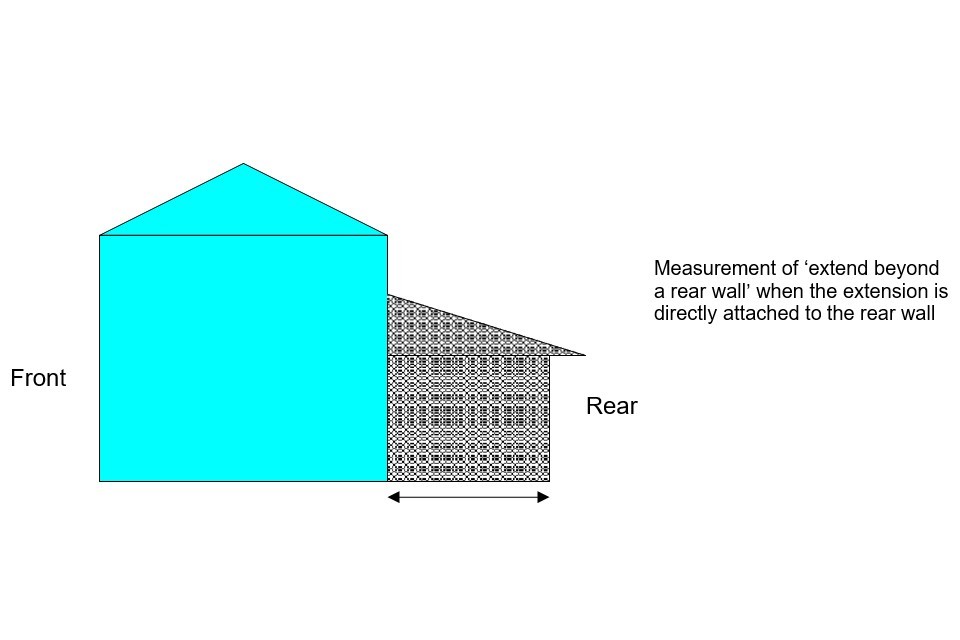
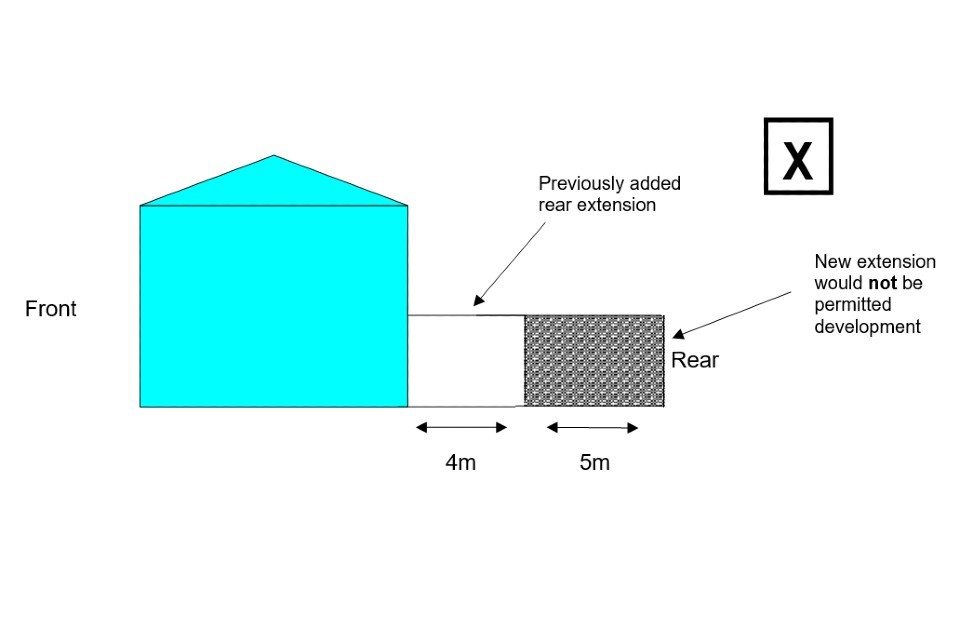
Projection is always measured from the “original rear wall” of the house — not the current one.

This means:

  • Bay windows count as part of the “original” wall.

  • Previous extensions push the measurement forward.

  • L-shaped houses measure from the furthest rear point.

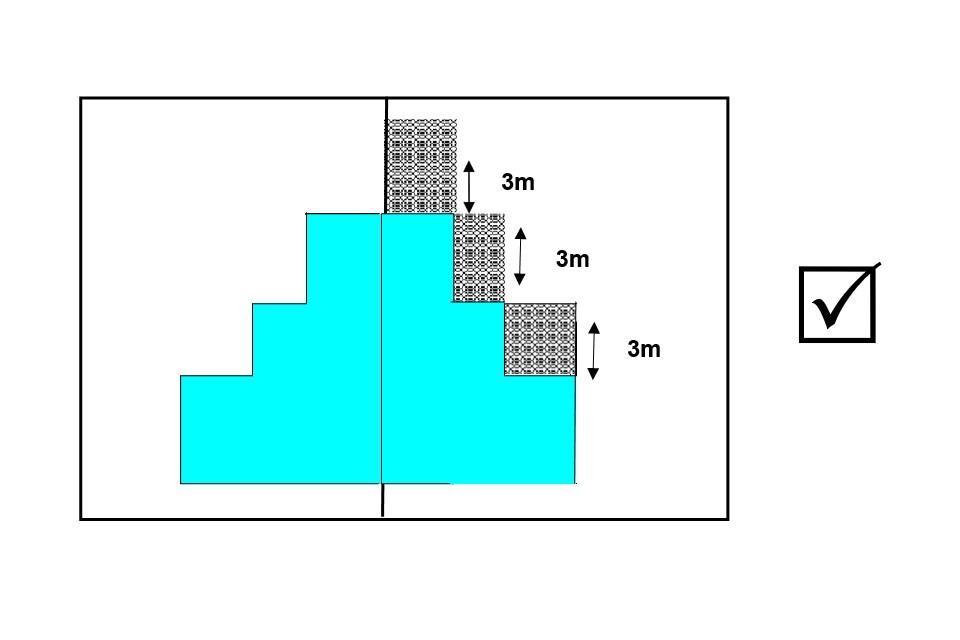
This detail changes everything for some projects.

If the back of your house isn’t in a straight line and has “steps,” each step counts as part of the original rear wall.
This means you measure your extension from the part you are building from, as long as none of the new walls go beyond the permitted depth.

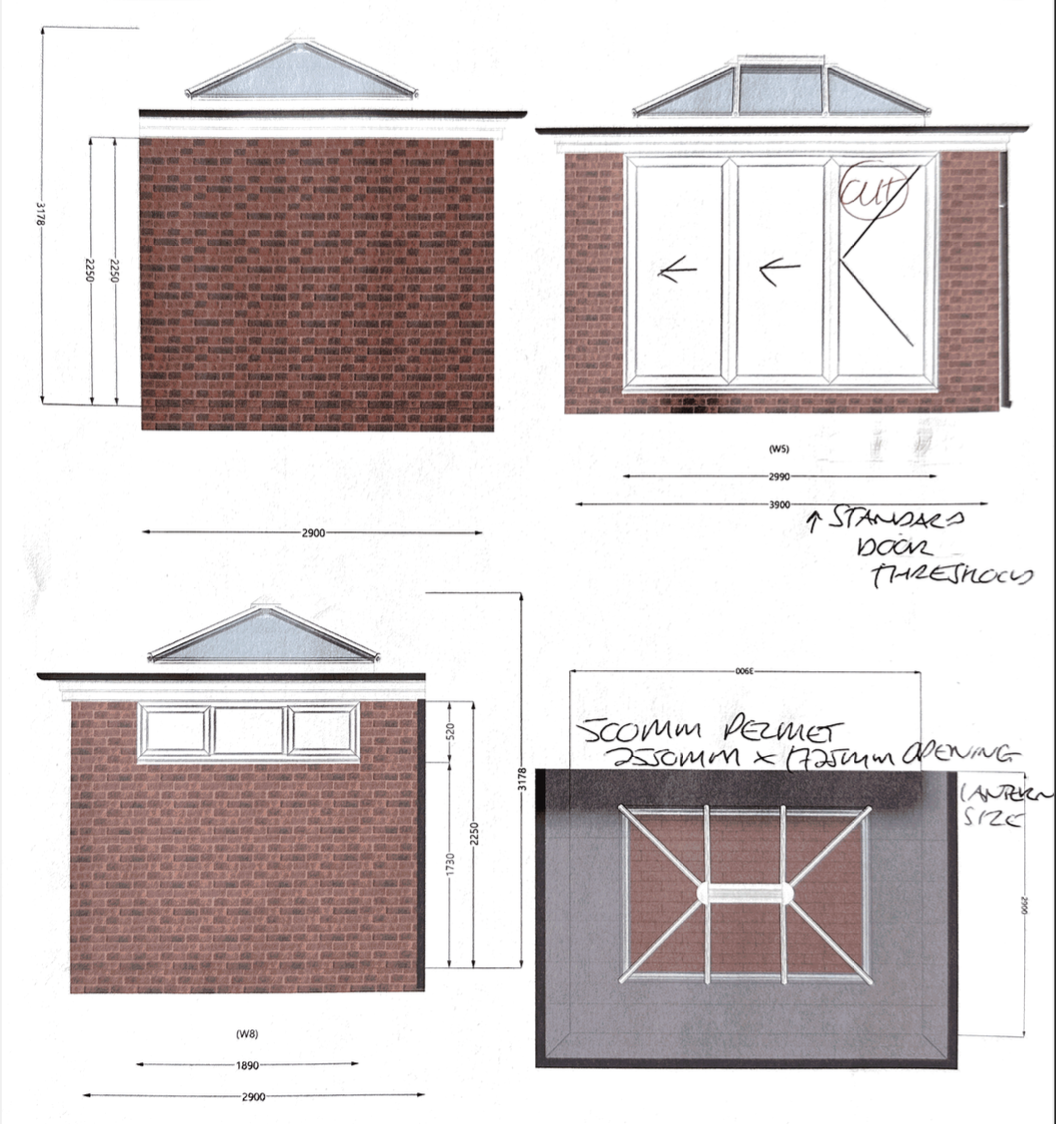
In the example below a semi-detached house can extend 3m from the original rear wall.

✔ Height rules (simple version)

  • Max eaves height: 3m if within 2m of a boundary

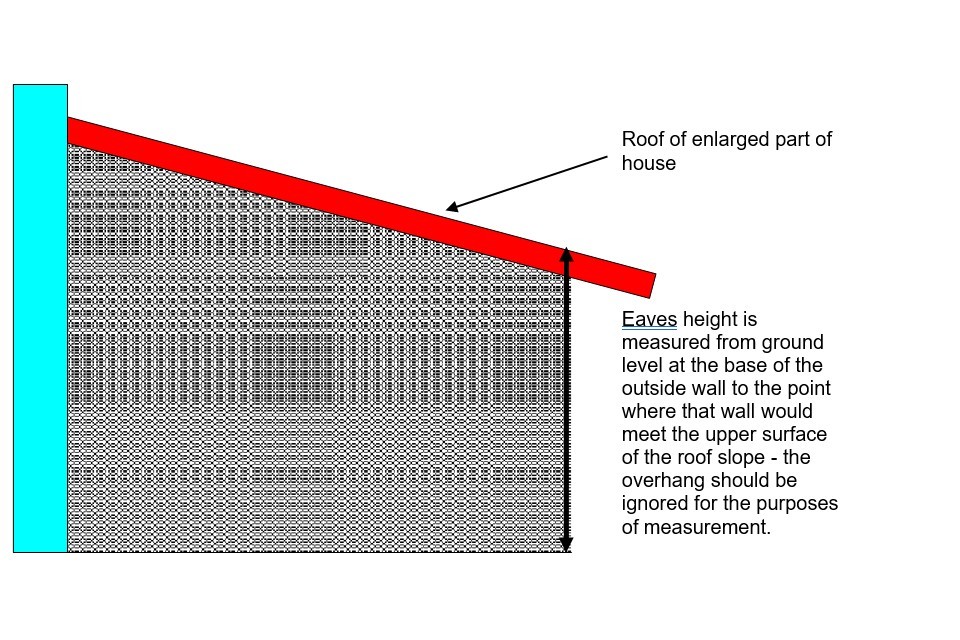
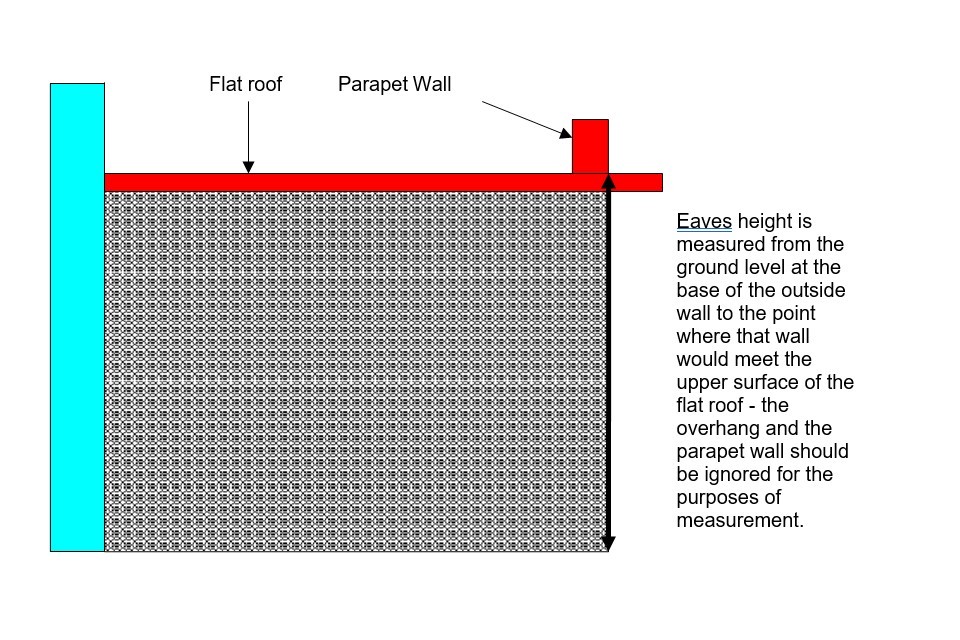
What “Eaves Height” Actually Means (Clear Definition)

To avoid confusion, here’s the exact definition:

The eaves are the point where the wall of your extension meets the lowest part of the roof.

In even simpler terms:

👉 Eaves height = the height of the wall before the roof begins.

  • Max overall height:

    • 4m (dual pitch)

    • 3m (flat roof)

  • Cannot be taller than your house

The same approach is taken for flat roofs.

✔ Width and placement

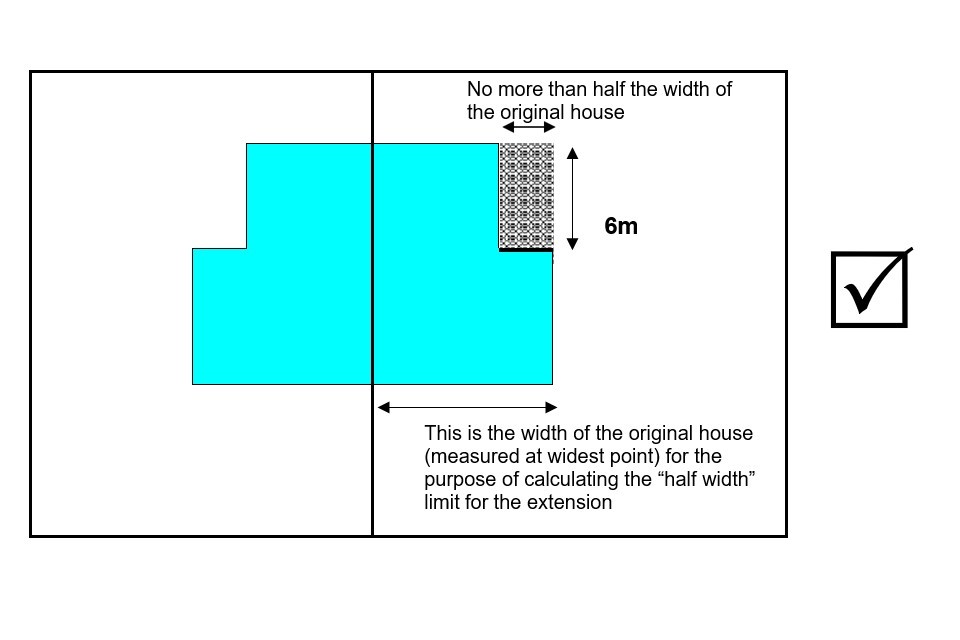
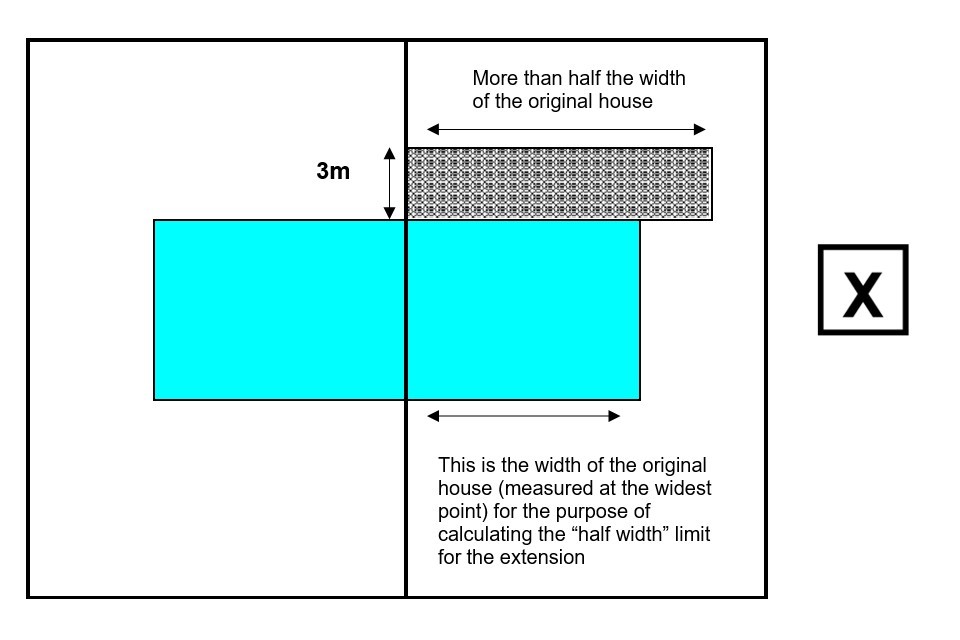
  • You can’t extend beyond half the width of the original house

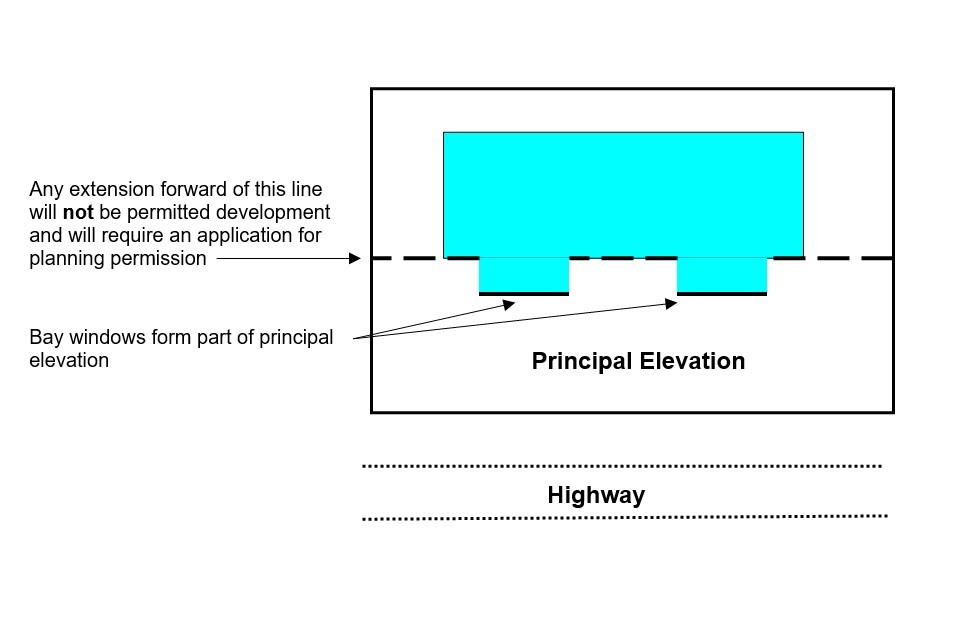
  • You cannot extend forward of the main elevation.

✔ Roof types allowed under PD

All of these can be PD:

  • Glass roof = Conservatory

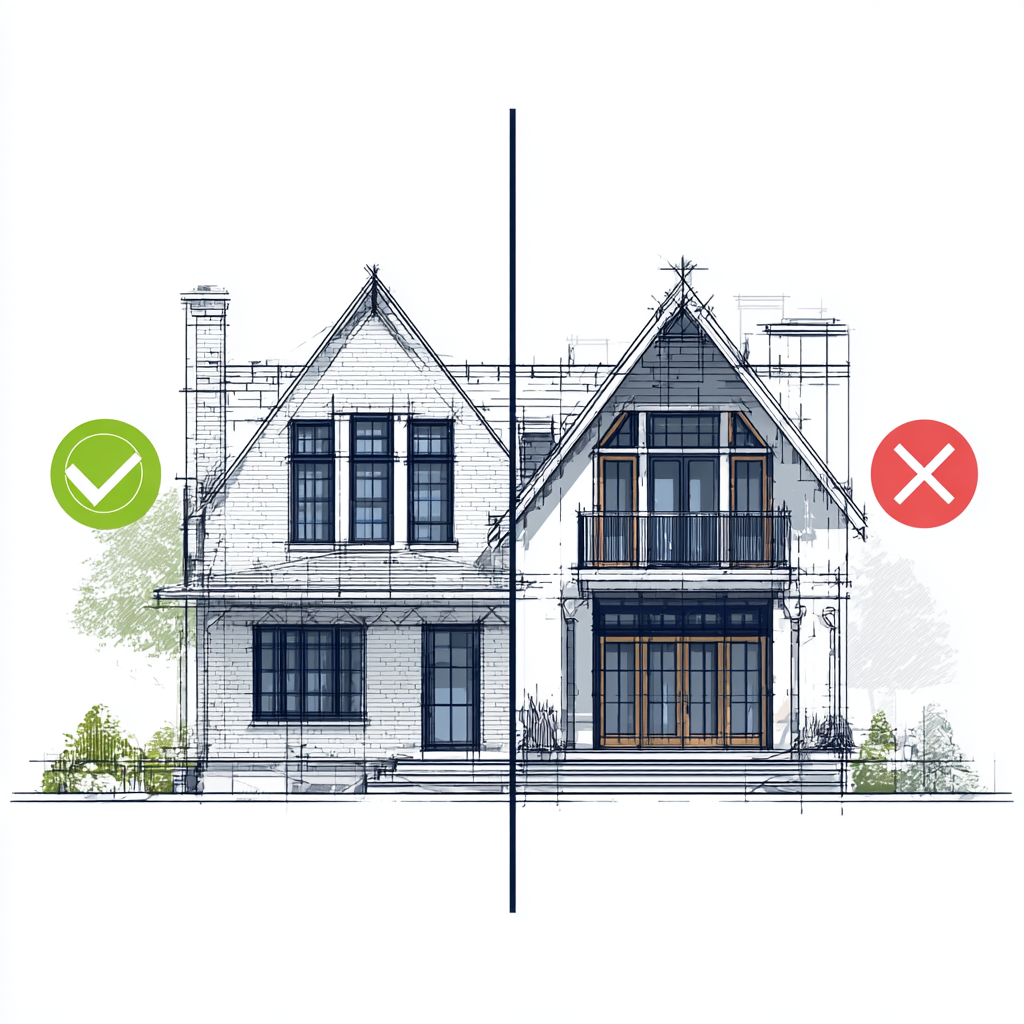
  • Flat roof = Orangery

  • Tiled roof = Extension

As long as the design stays within the PD limitations.

✔ Materials

Must be “similar in appearance” to the main house.

We achieve this with:

  • Matching brickwork

  • Matching render

  • Same colour schemes

  • Heritage detailing

This is why Precision designs look “natural” – and why they often fall comfortably under PD.

3. When You NEED Full Planning Permission

Full planning is required if:

  • You live in a conservation area.

  • Your home is listed.

  • PD rights have been removed (common on estates built after 2010).

  • Your design is too deep or too tall.

  • You want to build on the side or front.

  • Roof height exceeds PD.

  • You’re creating a balcony or raised platform.

  • You connect your new extension to an existing one and go over the combined limits..

Linking to an older extension often leads to planning issues. The council views the whole structure as one extension.

We take care of this during the design stage, so customers don’t make wrong assumptions.

4. The Most Common Misconceptions (Homeowners Get These Wrong)

This is the section that sets your guide above everyone else’s.

❌ 1. “If my neighbour objects, my project will be refused.”

False.

A neighbour objection only matters if it raises a valid planning concern, such as:

  • Loss of light

  • Overlooking

  • Overshadowing

“I don’t like it” is NOT a planning reason. Your project can still be approved.

❌ 2. “If I change the design of my conservatory, I need planning.”

Not usually.

Changing:

  • Doors

  • Frame colour

  • Layout

  • Windows

…does not trigger planning as long as the conservatory stays within existing PD limits.

❌ 3. “Changing my conservatory roof always needs planning.”

Not always.

✔ Replacing a glass/poly roof with another?

Usually no planning.

✔ Changing to a tiled roof?

Often PD-compliant as long as:

  • Height doesn’t increase

  • Eaves remain compliant

This is why most tiled-roof upgrades we design do not need planning.

✔ Planning IS needed when the new roof goes outside PD limits.

👉 It’s not the fact that the roof is tiled – it’s whether the new design breaches PD.

✔ Regardless of planning, Building Regulations are ALWAYS required

This applies to every solid roof, because:

  • The structure must support the extra weight

  • A thermal assessment may be needed.

  • Ventilation must comply.

  • Structural calculations are required.

So the simple rule is:

👉 Planning depends on PD limits. Building Regulations are required every time.
❌ 4. “Orangeries need planning but conservatories don’t.”

False. The product type doesn’t matter – only the rules.
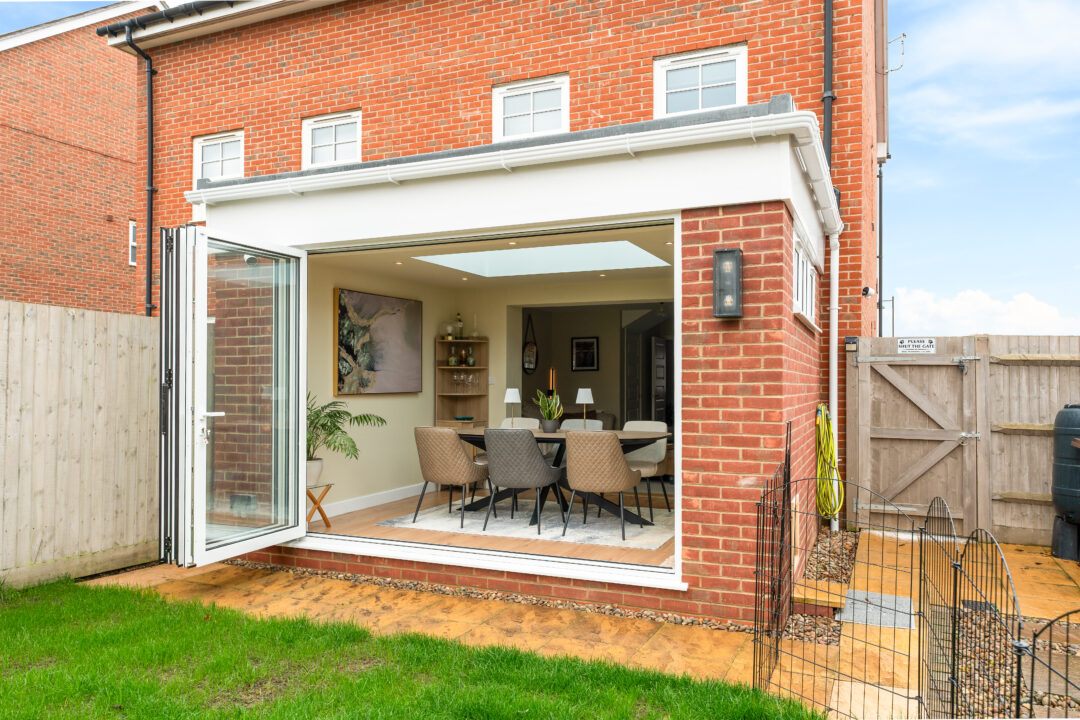
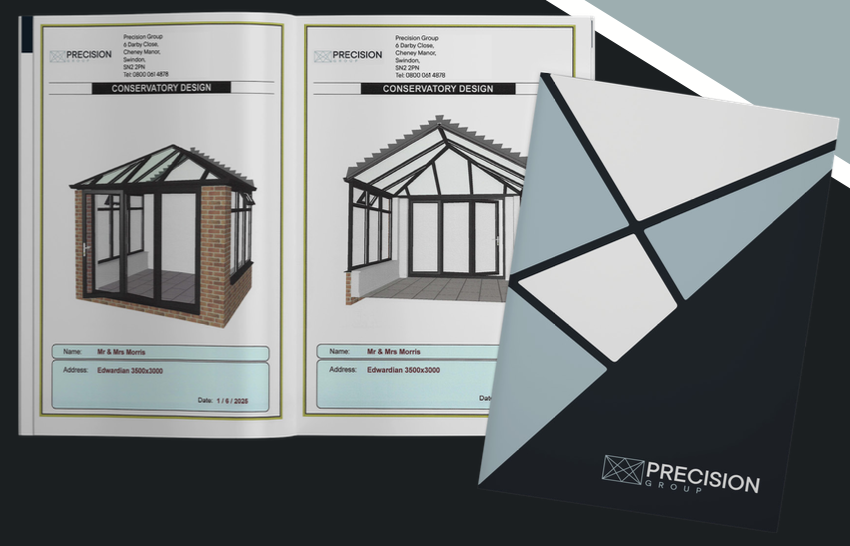
A small orangery may be PD. A tall conservatory might need planning.

❌ 5. “You can’t extend a listed building.”

You can – but you need Listed Building Consent.

Councils prefer:

  • Timber

  • Slimline profiles

  • Heritage glass

But in 2025/2026 we are seeing more conservation departments approving aluminium when the design is sympathetic.

❌ 6. “If there was a conservatory here before, I can rebuild without planning.”

Not always.

If the old structure:

  • Exceeded PD.

  • Was built illegally.

  • Was part of a previous extension.

  • Changed the rear elevation layout.

…then you may need planning to replace it.

We check this during survey.

❌ 7. “If it’s PD, I don’t need building regulations.”

Incorrect.

Building Regulations apply to:

  • Tiled roofs.

  • Structural knock-throughs.

PD = removes planning

Building regs = safety & compliance

5. Does Linking to an Existing Extension Require Planning?

Often yes.

Here’s the simple rule:

✔ If your new extension connects to an old extension and the combined depth exceeds PD limits

Planning is needed.

✔ If the old extension already used up your PD rights

Planning is needed.

This is one of the biggest mistakes budget builders make – they ignore this rule entirely.

6. Real-World Scenarios 

Scenario 1 — 4m Orangery on a Semi

✔ PD compliant ✔ No planning ✔ Building regs required

Scenario 2 — 7m Orangery on a Detached Home

✔ Needs Prior Approval ✔ No full planning

Scenario 3 — 4m Orangery on a Detached Home with Internal Wall Removal

✔ PD compliant ✔ No planning ✔ Building regs required

Scenario 4 — Replacing Old Conservatory With Tiled Roof Extension

✔ Often PD if height remains the same ✘ Planning if roof height increases ✔ Building regs required

Scenario 5 — Extension on a New-Build Estate

✘ PD often removed by developer ✔ Planning required ✔ Building regs required

7. Certificate of Lawfulness — Should You Get One?

At Precision, we don’t routinely apply for Certificates of Lawfulness unless:

  • The homeowner requests it.

  • PD limits are tight.

  • Proving legality will help with future sale.

  • The property is in a sensitive area.

It is optional. Not essential. But helpful for peace of mind.

8. How Precision Confirms Whether You Need Planning

We make the planning route clear from the very start so there are no surprises later.

Step 1 — Site Survey

We take accurate measurements. Check boundaries. Assess the existing structure.

Step 2 — Initial Planning Guidance

We explain whether your project is likely to fall under:

  • Permitted Development

  • Prior Approval

  • Full Planning Permission

So you know the route before any design work begins.

Step 3 — PD / Planning Check Before Quoting

Before we quote, we run a full check against PD rules and planning requirements. This ensures your quote is correct and you know what permissions you need.

We will take care of all the permissions for you = remove the hassle.

Step 4 — Structural & Building Reg Design (If Required)

We handle all structural and Building Regulations design as needed. This gives you a specification that’s compliant and ready for your project.

Want the full breakdown of what happens next?

We’ve created a step-by-step guide that shows you exactly what happens after this stage – from planning checks to foundations, frames, roof installation and final sign-off.

👉 Read the full step-by-step build timeline here

Find out more

Thinking About a 2026 Project?

Whether you’re unsure about planning or need help designing within PD limits, we can tell you exactly what is and isn’t possible for your home.