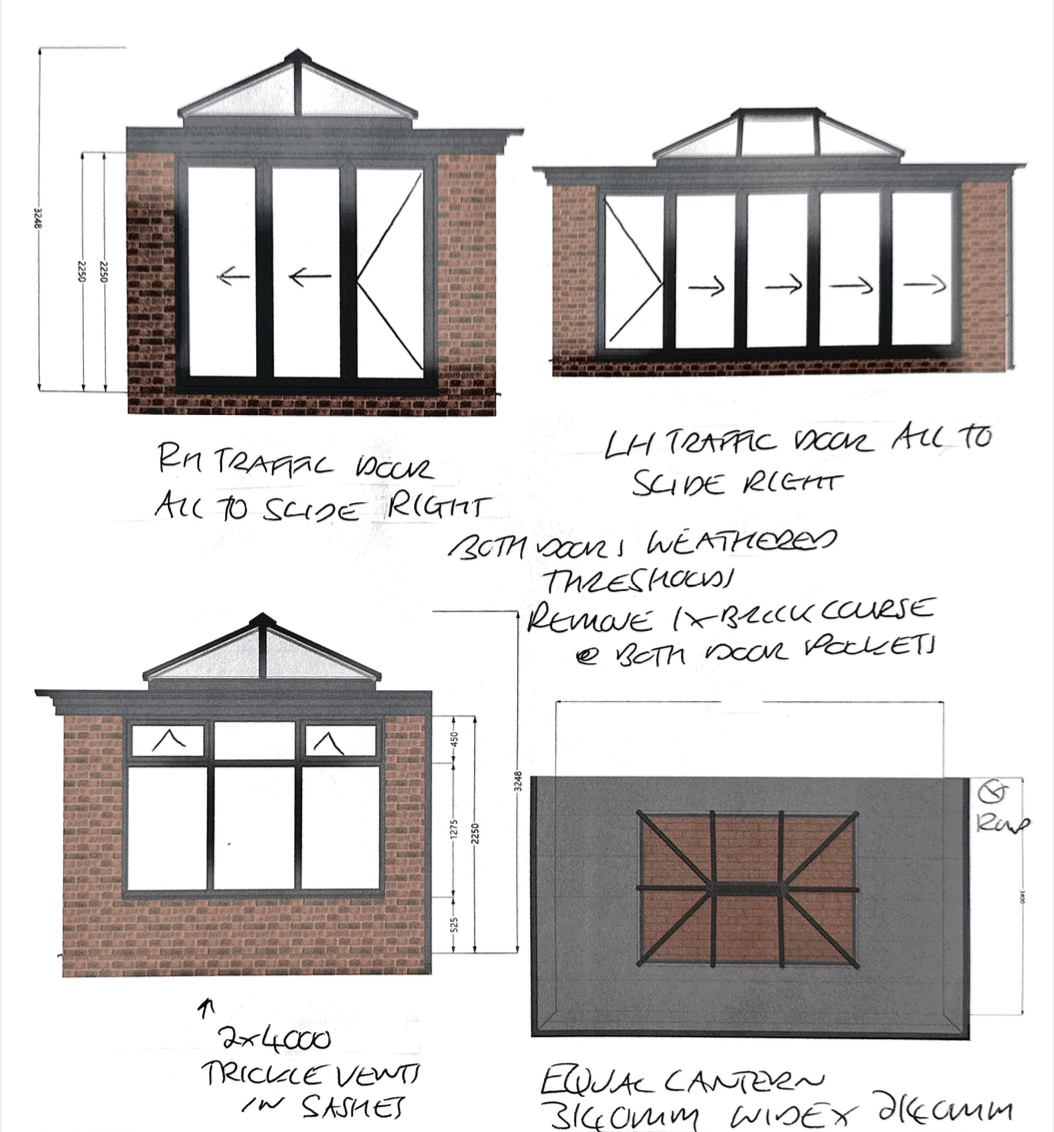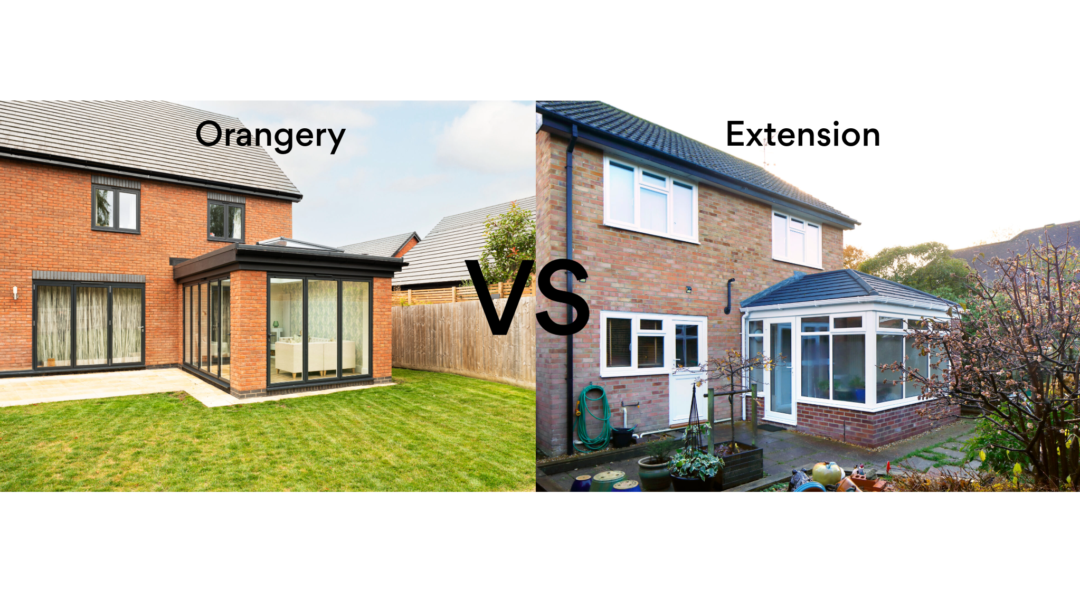
Read time: 7 minutes
Many homeowners still assume an orangery sits somewhere between a conservatory and an extension – attractive, but not quite as warm or usable.
In reality, a modern orangery is built to the same standards as a flat-roof extension.
Same foundations. Same walls. Same year-round performance.
The Short Answer
- Structure & insulation
- Both are permanent extensions: proper foundations, insulated cavity walls. No inherent performance gap if designed correctly.
- Comfort & heating costs
- A modern orangery should be just as warm in winter and comfortable in summer as a flat‑roof extension. There is no ongoing “penalty” on your heating bill for choosing an orangery.
- Natural light & feel
- Orangeries usually bring in more controlled natural light via roof lanterns and carefully positioned glazing, creating a brighter, more “feature” space than a fully solid‑roof extension.
- Cost to build
- Orangeries are often slightly more cost‑effective because of prefabricated roof systems that reduce time on site. Not because the standards are lower.
- Planning & Building Regulations
- Both follow the same rules. An orangery does not get treated more leniently or more strictly by planning; it’s simply another form of extension. The benefit of a Orangery is that is does not always require building regulations.
- Resale & value
- When built correctly, both are treated as permanent, habitable extensions by buyers and surveyors. An orangery can feel more desirable because of the extra light and design detail.
The real decision is about style and light. Not whether it’s a “proper” room.
The Biggest Myth we hear about orangeries
“An orangery won’t be as insulated as a proper extension.”
This is one of the most common misconceptions we hear — and it usually comes from confusing older, traditional orangeries (or conservatories) with modern builds.
The reality
A modern orangery is an extension.
It is:
- Built on proper foundations
- Constructed with insulated cavity walls
- Designed to meet Building Regulations
- Finished as a permanent, habitable room
It is not an upgraded conservatory.
The term orangery describes the architectural style, not the performance level.
Structure: Why an Orangery Is Built Like an Extension
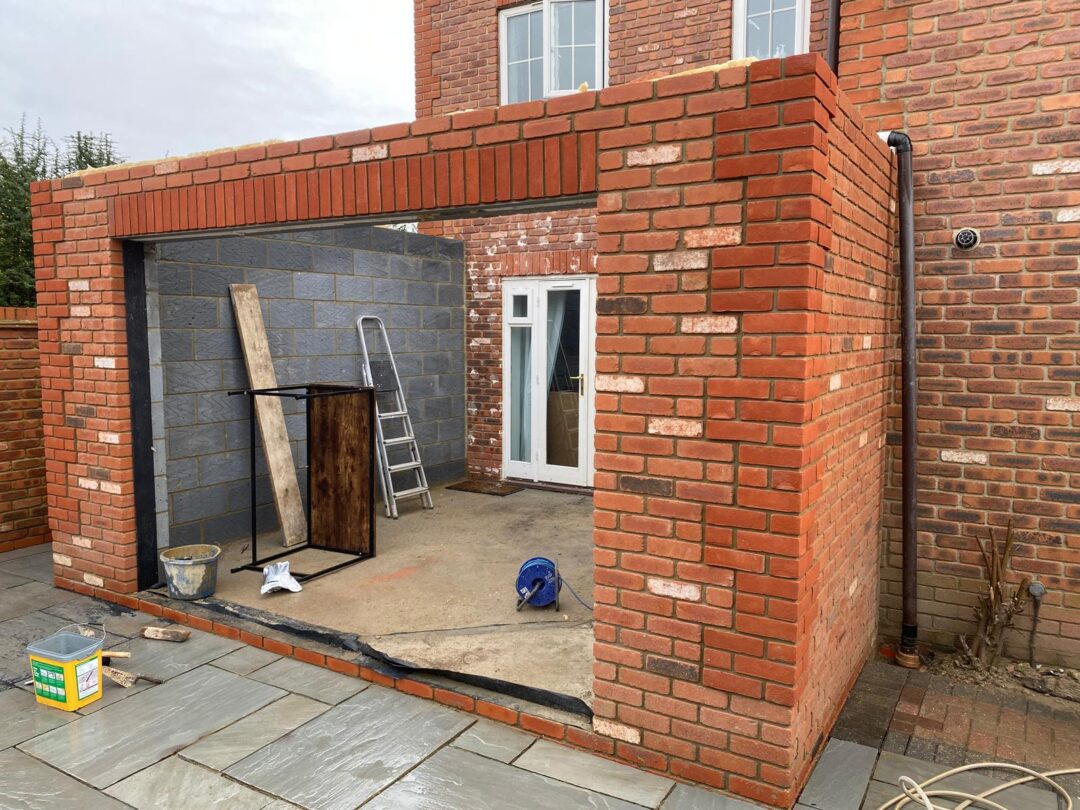
Brickwork & Walls
One of the biggest reasons an orangery performs like an extension is the amount of solid construction.
Compared to a conservatory, an orangery typically includes:
- Substantial brick or block walls
- Insulated cavity construction
- Reduced full-height glazing
This improves:
- Thermal efficiency
- Acoustic comfort
- Structural solidity
- The “permanent” feel of the space
Visually, it removes the glass-box look and makes the room feel fully integrated with the house.
Key point:
An orangery is not “similar to” an extension — it is one, just designed with more architectural detail.
Real-world example:
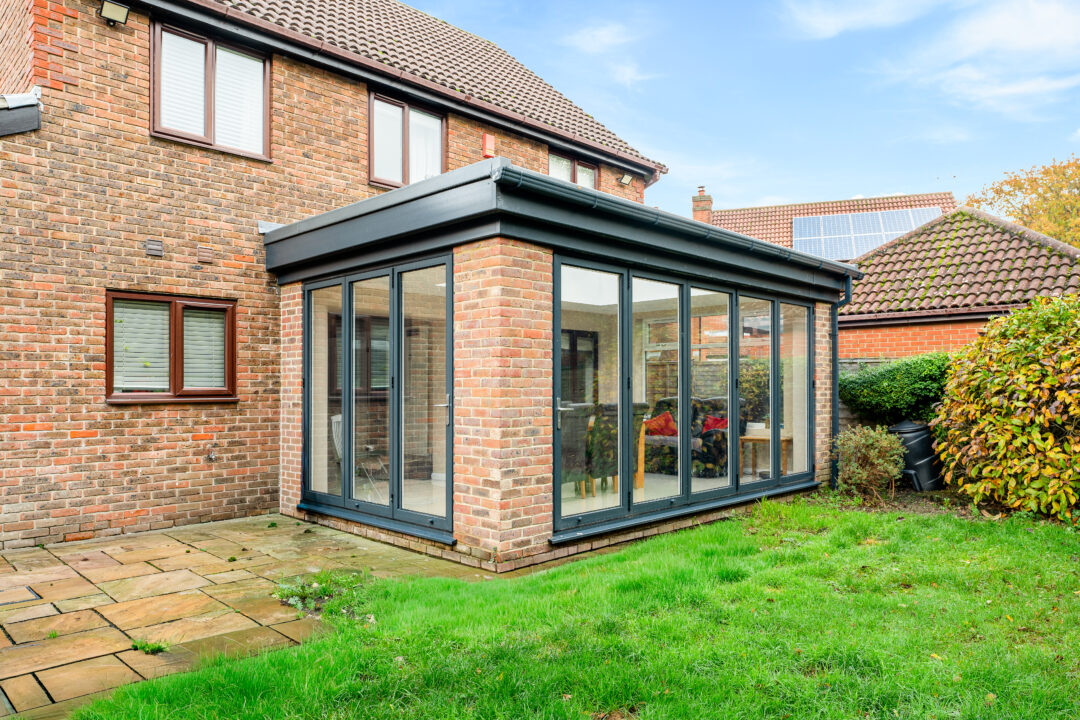
On this project, the orangery was designed and built as a full extension. With insulated cavity walls, permanent foundations and a solid roof. It seamlessly integrates into the existing kitchen-lounge.
The result wasn’t a “garden room” or seasonal space, but a permanent, year-round living area that performs exactly like a traditional extension.
Corner Pillars (Why They Matter)
Corner pillars are a defining orangery feature — and they’re not just aesthetic.
They:
- Break up large glazed elevations
- Reduce heat loss compared to full glass corners
- Add a solid, permanent feel
- Provide fixing points for external lighting
- Improve proportions and symmetry
- In some cases, add structural stability
This is a small design detail that makes a big difference in how the space feels day to day.
Roof Performance: Where Year-Round Use Is Won or Lost
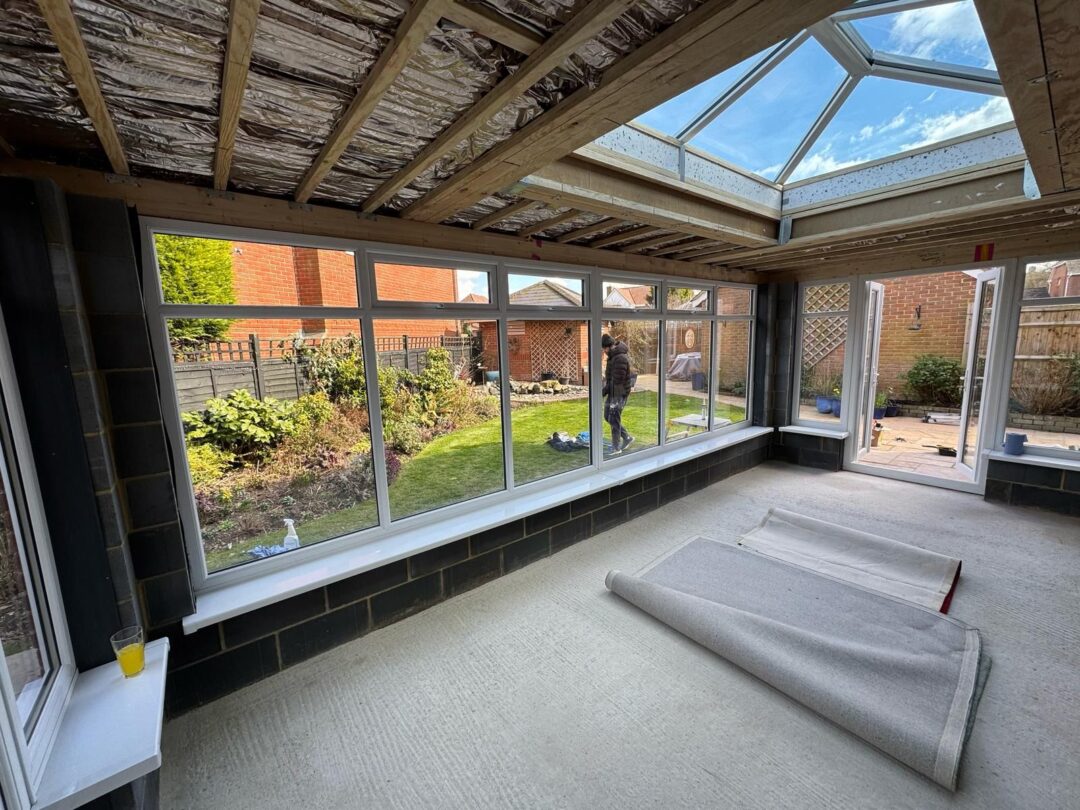
If there’s one element that determines whether a space is genuinely usable all year, it’s the roof.
Modern orangeries use fully insulated flat roof systems, not lightweight glazed or hybrid solutions.
What actually matters to homeowners
- Permanent structure
- Strong thermal performance
- No condensation risk
- Comfortable in winter and summer
- Built to Building Regulations (if required)
Modern prefabricated roof systems deliver all of this. Often outperforming many traditional flat roofs.
Insulation (Simplified)
Rather than focusing on technical jargon, here’s what matters:
- Over 200mm of insulation (thicker than most standard systems)
- Designed and tested to achieve excellent thermal performance
- Keeps heat in during winter
- Prevents overheating in summer
- Designed to avoid condensation and moisture build-up
This is why modern orangeries are genuinely year-round living spaces, not “three-season rooms”.
Real-world example:
On this project, the orangery was constructed with a fully insulated flat roof designed for permanent, everyday use.
The space now functions as part of the main home all year. Not a seasonal room. This reinforces that modern orangeries deliver the same comfort and thermal performance as a traditional extension.
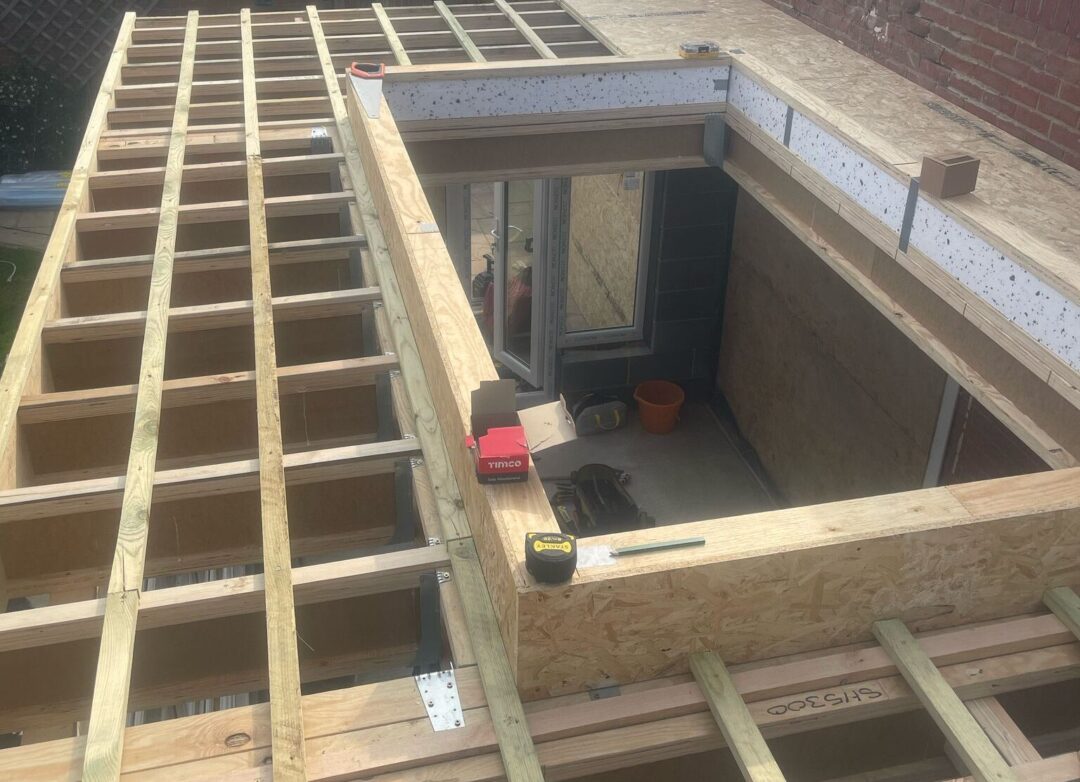
Cost: Is an Orangery Cheaper Than an Extension?
Often, yes – even though it’s built to the same standard.
Why orangeries can be more cost-effective
The difference comes down to construction method, not quality.
- Orangery roofs are typically prefabricated
- Manufactured in controlled conditions
- Assembled quickly on site
- Reduce labour time and disruption
This saves on:
- Installation time
- Labour costs
- Site disruption
Important reassurance
This does not affect:
- Insulation
- Structural performance
- Longevity
- Appearance
- Comfort
Prefabrication is increasingly standard across UK construction because it improves consistency and efficiency. Not because it’s lower quality.
Heating costs
When built correctly, an orangery:
- Is insulated to the same standards as a flat-roof extension
- Has no higher heating costs
- Performs just as efficiently
There is no ongoing “penalty” for choosing an orangery.
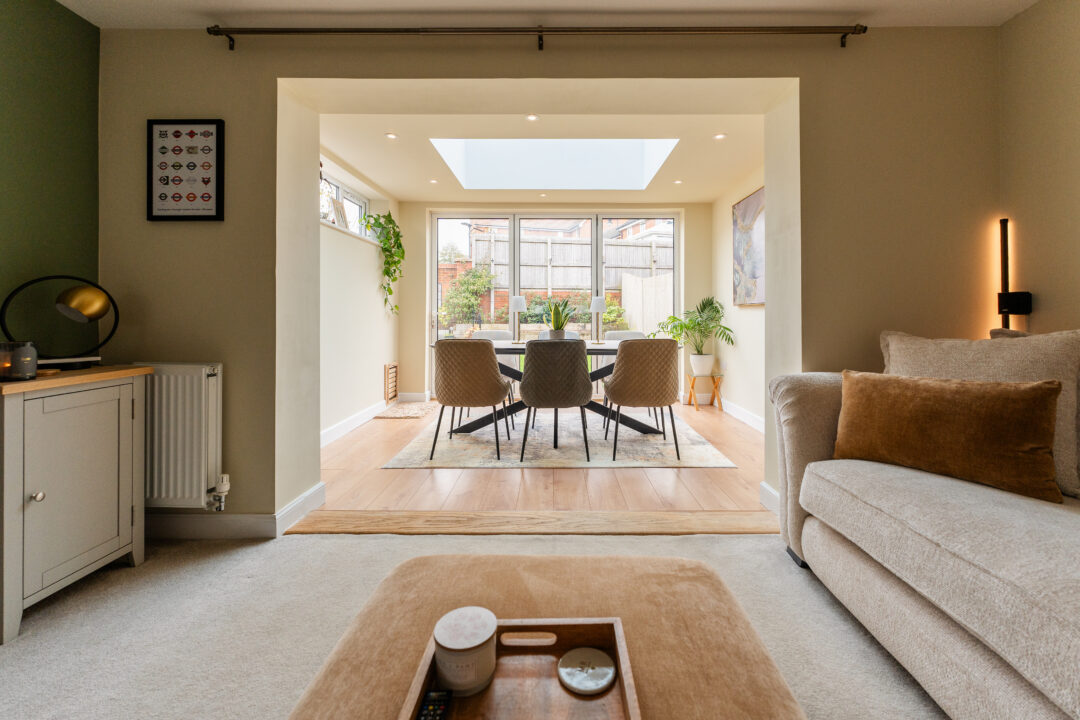
Light, Doors & Openings: Will it feel Bright Enough?
This concern comes up frequently – and almost never reflects reality.
There’s no single statistic that measures how a room feels, but real-world feedback matters.
What we see in practice
Across orangery projects:
- Feedback is never about lack of light
- Spaces are consistently described as bright, open and balanced
In fact, when designing traditional tiled extensions, we often raise the risk of reduced daylight due to fully solid roofs.
With orangeries:
- Glazing is designed in deliberately
- Roof lanterns or glazed panels are proportioned carefully
- Light is drawn deeper into the room
If you look through our Orangery projects you’ll see the same result: light-filled spaces that still feel solid and comfortable.
Bi-Fold Doors & Structure: No Chunky Steel Required
For homeowners wanting wide openings, structure matters.
Modern orangery systems are engineered to:
- Span large openings
- Use integrated structural solutions
- Avoid bulky RSJs where possible
This results in:
- Cleaner ceilings
- Better proportions
- Reduced structural disruption
- Lower additional costs
Real-world example:
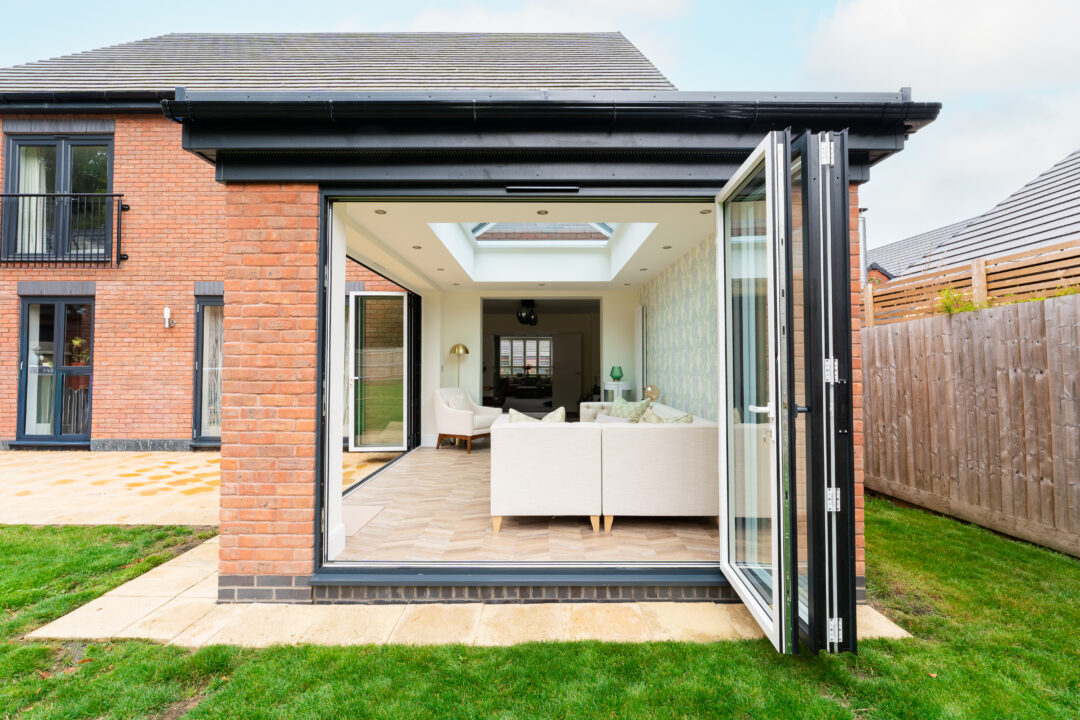
This orangery demonstrates how large bifold openings can be achieved without compromising comfort or performance.
Despite wide spans and open sightlines to the garden, the orangery remains warm in winter and cool in summer. This is because the structure, roof and walls are built as a complete extension, not a glazed add-on.
Integrated Structure & Open-Plan Living: Removing the Boundary Between Inside and Out
One of the biggest advantages of choosing an orangery over a conservatory is the ability to properly open up the back of the house.
This is where an orangery truly behaves like an extension — not just visually, but structurally.
Removing Walls, Doors & Windows
Because a modern orangery is built as a permanent extension, it allows you to:
- Remove existing rear walls
- Take out old doors or windows
- Create a fully open-plan connection between house and new space
This transforms the orangery from a “separate room” into a true continuation of the home. Often becoming part of the main kitchen, dining or living area.
You simply can’t achieve this safely or compliantly with lightweight or seasonal structures.
How This Is Made Safe (And Why It Matters)
When internal walls are removed, the structure of the house must be properly supported.
That typically involves:
- Structural steel (or engineered alternatives)
- Structural calculations by an engineer
- Building Regulations approval
- Inspection and sign-off
This isn’t optional – it’s what ensures:
- The existing house remains fully supported
- Loads are transferred correctly
- The space is safe long term
An orangery is designed with this in mind from the outset, which is why it supports large internal openings without compromise.
Does This Affect Cost? (Honest Answer)
Yes – opening up the house does increase cost, and it’s important to be upfront about that.
Additional costs can include:
- Structural steel or engineered supports
- Structural engineer calculations
- Building Regulations design and inspections
- Additional labour and temporary supports
However, these costs are not orangery-specific.
They apply to:
- Any extension
- Any internal wall knock through
In other words, this isn’t a downside of choosing an orangery. It’s simply the cost of creating a proper open-plan extension.
Why Orangeries Are Particularly Well-Suited to Open-Plan Design
Orangeries work especially well in open-plan layouts because they combine:
- Solid structure (like an extension)
- Carefully controlled glazing
- Strong roof performance
This avoids the common problem of:
- Large open spaces that feel cold
- Glare-heavy rooms
- Structurally awkward transitions
Real-world example:
Projects like this one show how wide internal openings and large external bifolds can be combined into a single, cohesive living space. One that works year-round. Not just in summer.
Regulations & Resale: How are Orangeries treated Long Term?
Planning Permission: Are Orangeries Treated Differently?
No.
An orangery follows exactly the same planning rules as any other extension.
- Same Permitted Development limits
- Same height, depth and boundary rules
- Same considerations for listed buildings, conservation areas and new-build estates
The product type does not determine planning — the rules do.
If you want the full breakdown, we cover it here:
👉 Do I Need Planning Permission in 2026? A Simple Homeowner Guide
Building Regulations: Reassurance, Not a Barrier
Building Regulations are often seen as a hurdle — but in reality, they exist to protect you.
What matters to homeowners
- Will it pass?
- Will it delay the build?
- Will it cause stress?
Modern orangery systems are:
- Independently tested and certified
- Designed to meet Building Regulations
- Approved through recognised inspection routes
The process is predictable, smooth, and repeatable — not experimental or risky.
Building Regulations shouldn’t be something to fear.
They should be reassurance that your space is built properly.
Resale Value: How Are Orangeries Viewed by Buyers?
There’s no separate category for “orangery value” — because when built correctly, orangeries are treated the same as extensions.
They are considered:
- Permanent
- Habitable
- Year-round living space
Where orangeries often go one step further is desirability.
In a like-for-like comparison between two similar homes:
- Same location
- Same layout
- Same size
The home with an orangery often feels more appealing due to:
- Increased usable floor space
- Better natural light
- More flexible living
That differentiation can influence both value and speed of sale.
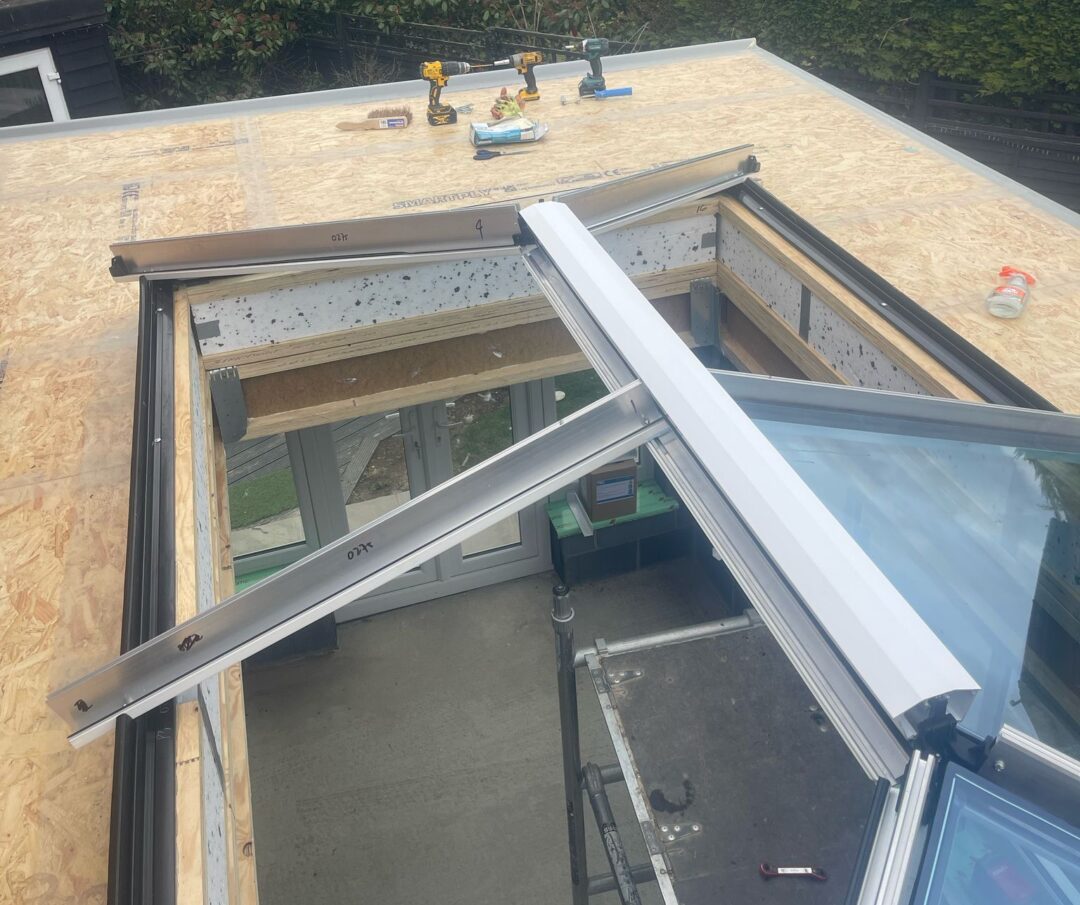
Roof-Only Conversions: A Popular Alternative
For many homeowners, a roof-only conversion is a smart option.
Why people choose this route
- Retains existing frames
- Preserves light
- Delivers full year-round usability
- Faster than a rebuild
- More cost-effective
Structural reality
- Modern roof systems are lighter than glass roofs
- Existing foundations are often suitable
- Frames are checked and reinforced if required
- Footings are assessed before installation
Final Takeaway
A modern orangery is a flat-roof extension with architectural glazing. Not a compromise between a conservatory and an extension.
You get:
- The insulation and comfort of an extension
- The permanence and compliance of an extension
- With more light and refined design
Choosing an orangery is not choosing a second-best option.
It’s choosing a different style of extension.
Thinking About Your Own Project?
If you’re considering an orangery or extension in 2026:
- We’ll assess structure, insulation and planning properly
- Confirm the correct route before quoting
- Design for year-round performance from day one
👉 Book a free 30-minute consultation and we’ll help you decide which approach is right for your home.
Thinking About a Orangery in 2026?
We’ll assess structure, insulation, and planning properly, confirm the right route before quoting, and design a space that works all year round.