Read time: 6-8 minutes
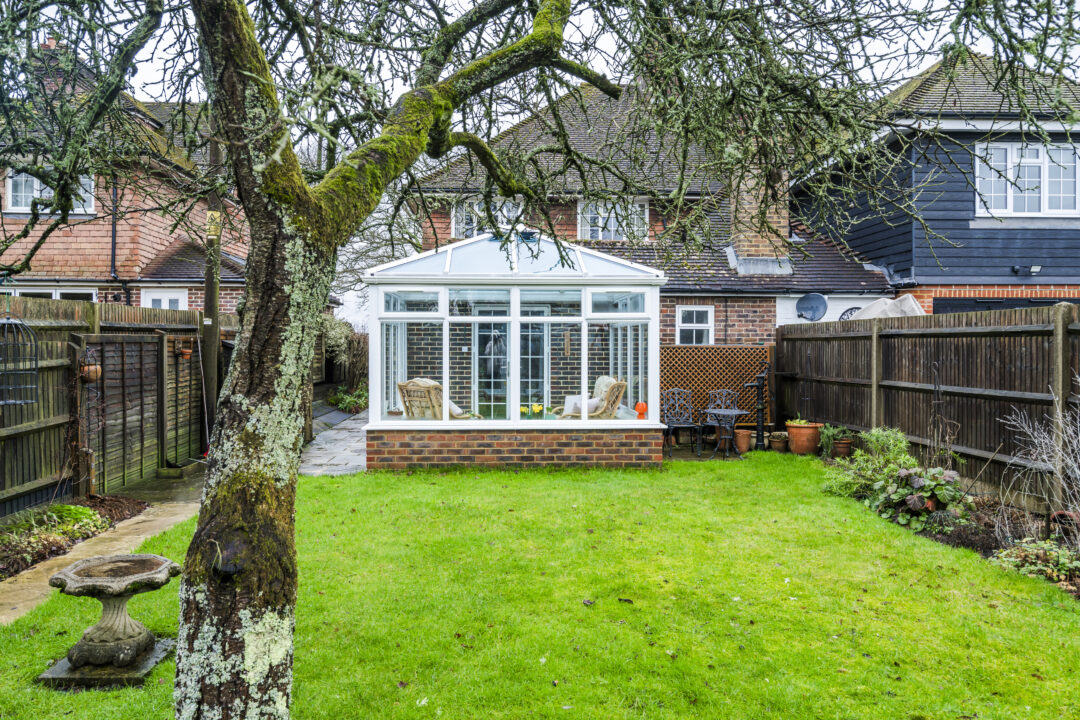
Many homeowners have an older conservatory that technically still exists, but no longer works. It might be too cold in winter, too hot in summer, noisy in the rain, or simply the wrong size or shape to be used properly.
In those situations, a roof-only conversion can be a smart and affordable upgrade. It can turn an underperforming space into a comfortable, year-round room.
But that is not always the right answer.
If the layout is wrong, the base is poor, or the frames are failing, upgrading the roof alone can be wasted money. You may fix the temperature, but still be left with a space that doesn’t work.
This guide explains the difference clearly. By the end, you will know whether replacing the roof makes sense for your home, or whether starting again is the better long-term decision.
The Short Answer
- Roof-only conversions work when the base, frames and layout are fundamentally sound.
- Starting again is usually better when there are structural, layout or integration problems.
- Roof-only upgrades are faster and less disruptive, but more limited.
- New structures cost more, but remove compromise and unlock full design flexibility.
- The goal is not to change something on paper, but to create a genuinely usable room.
The decision is not about cost alone. It is about what your existing structure allows you to achieve.
The ranges in this guide are based on projects we deliver in the South of England in 2026 and include VAT
Roof-Only Conversion vs New Structure at a Glance
- Structure
- Roof-only retains the existing base, walls and frames. A new build replaces everything.
- Disruption
- Roof-only is faster and less invasive. A new build involves demolition and groundwork.
- Layout flexibility
- Roof-only keeps the existing footprint. A new structure allows redesign.
- Comfort upgrade
- Both can deliver year-round comfort when done correctly.
- Longevity
- Both can be permanent solutions, depending on the condition of what is kept.
Each of these points is explained in detail below.
What a Roof-Only Conversion Actually Is
A roof-only conversion means removing the existing roof completely and replacing it with a new system.
This can include:
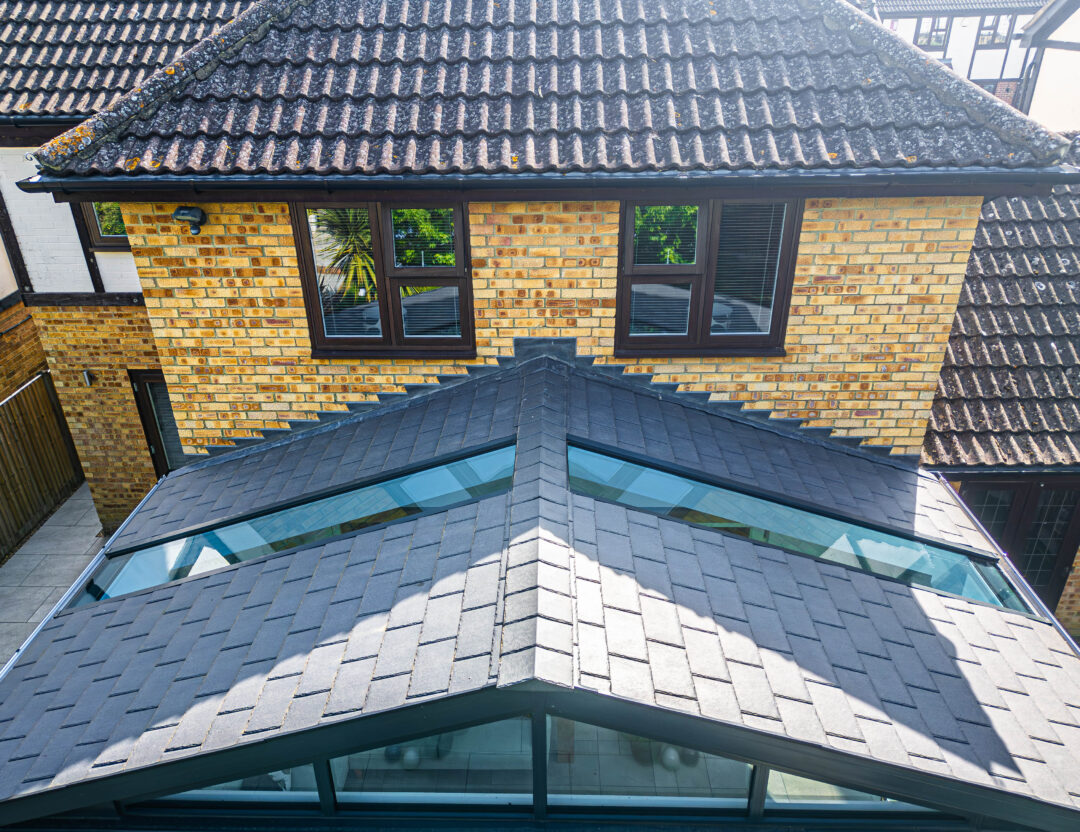
- A high-performance conservatory roof with solar control glass
- An insulated orangery-style flat roof
- A fully insulated tiled roof system
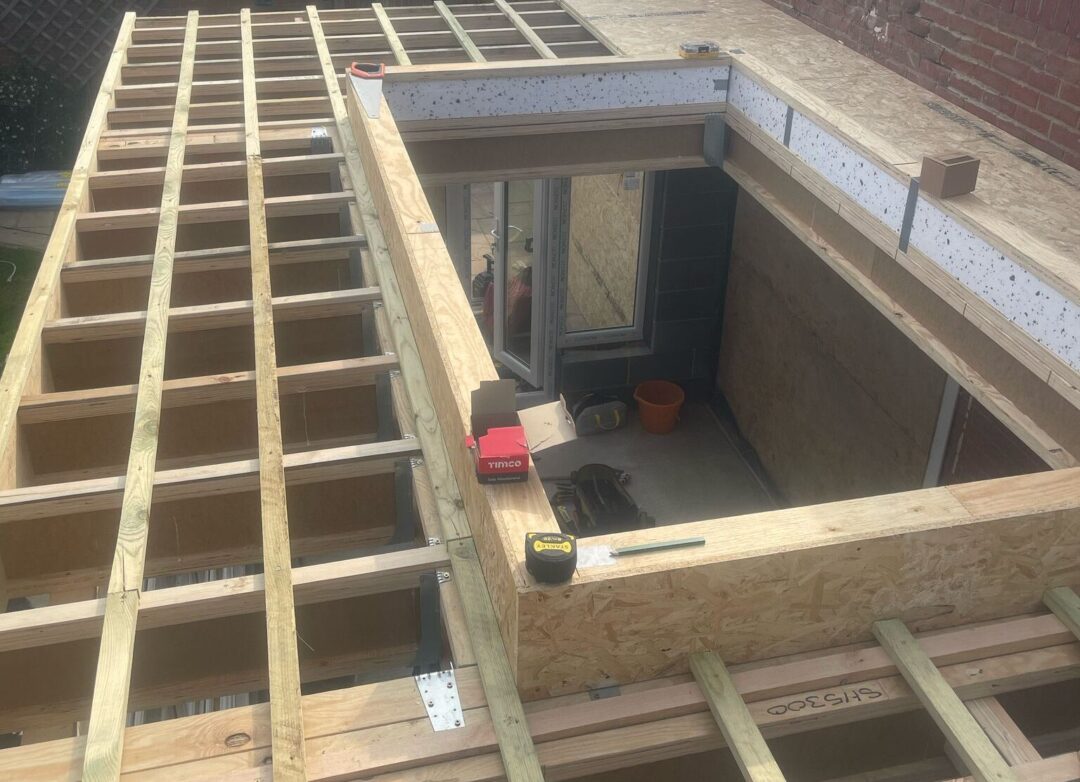
In all cases, the new roof is built using a timber structure with fully insulated pods. No cladding over old roofs. No shortcuts.
What stays the same:
- The existing walls
- The existing frames
- The footprint and layout
What changes:
- Thermal performance
- Acoustic performance
- Comfort and usability
A roof-only conversion turns a seasonal space into a year-round room.
It does not change the size, shape or connection to the house.
Key reassurance:
Roof-only conversions are not a shortcut. They are a legitimate upgrade when the structure allows it.
Why Most Homeowners Look at Replacing the Roof
The reasons are usually practical rather than cosmetic.
Common issues include:
- Too hot in summer and too cold in winter
- Loud rain and external noise
- Leaks, condensation or mould
- A tired finish that no longer matches the house
- A room that is barely used for half the year
Roof-only solutions are designed to fix these problems. The important question is whether they fix enough in your case.
When You Are Better Off Starting Again
Sometimes upgrading the roof alone simply does not solve the real problem.
You are usually better starting again if there are:
- Signs of movement, cracking or a failing base
- Poor integration with the house, such as awkward steps or low ceilings
- A layout that will never work for how you live
- Old frames you would want to replace anyway
Adding a heavy, insulated roof onto a weak structure can be unsafe or flagged during inspections. In other cases, homeowners find they are spending most of the cost of a rebuild while still keeping compromises.
A new structure allows:
- Proper foundations and insulation throughout
- A layout that connects cleanly to the house
- Improved light, ceiling height and proportions
- A space that genuinely feels permanent

Cost and Disruption Compared
Roof-only conversion
- Typical cost: £10,000 to £18,000 (depending mainly on size, roof type and access)
- Time on site: around one week
- Disruption: low, room out of use briefly
New orangery or extension
- Typical cost for around 12m²: £25,000 to £35,000
- Time on site: around six weeks
- Disruption: higher, but delivers full flexibility
A new structure often adds more value because it improves layout, integration and long-term usability, not just comfort.
Planning and Building Regulations Explained Simply
Planning permission answers one question: can I build it?
Building Regulations answer another: has it been built properly and safely?
Roof-only conversions usually require Building Regulations for the roof structure when:
- A tiled or insulated solid roof is installed, or
- Other Building Regulations criteria are met.
New builds usually require Building Regulations for the entire structure when:
- A tiled or insulated solid roof is installed, or
- Other Building Regulations criteria are met.
Planning permission depends on size, height and location, not on whether you are upgrading a roof or rebuilding from scratch.
Both routes are normal and manageable when planned and handled correctly.
Two real projects: one roof-only, one full rebuild
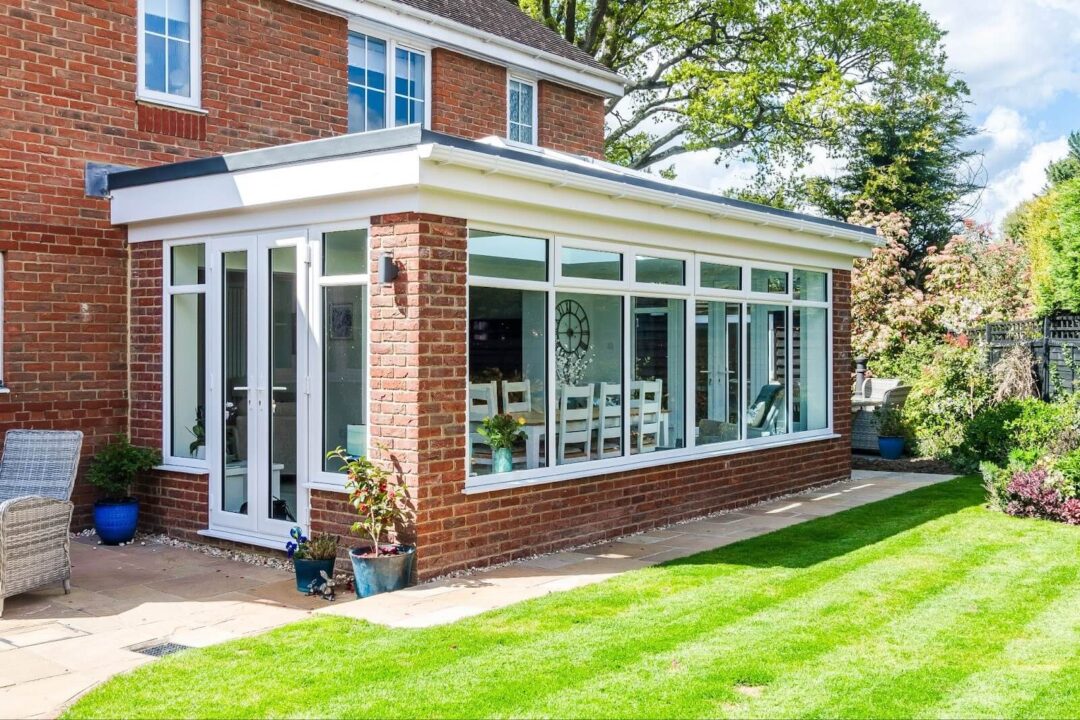
East Grinstead, West Sussex
What was wrong
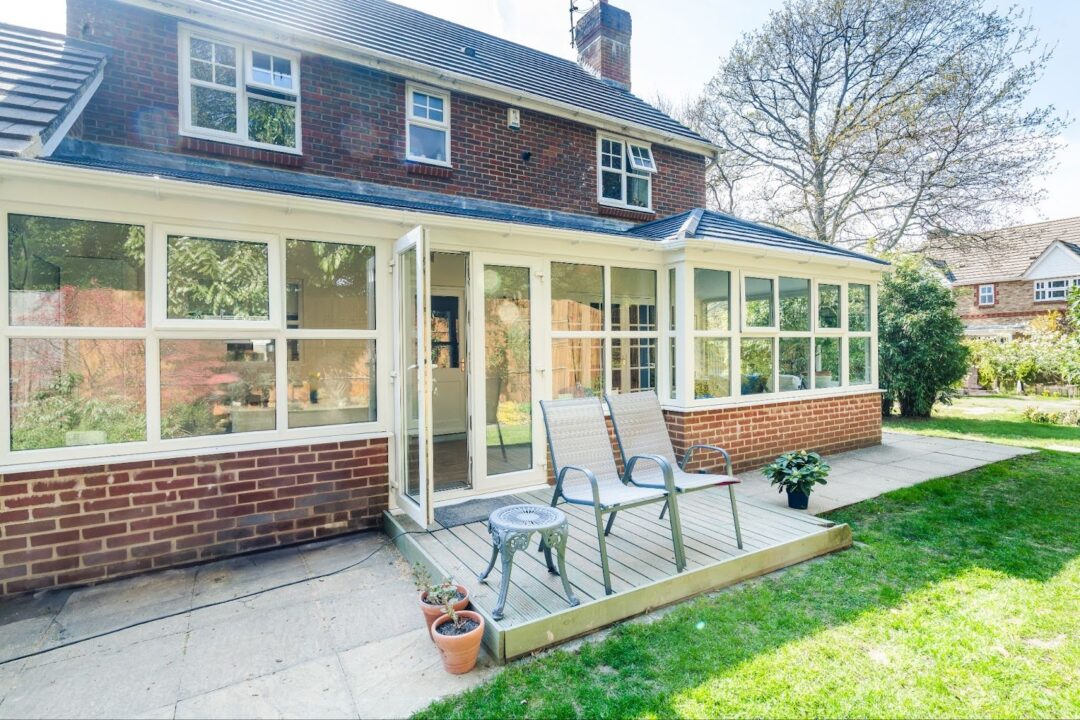
The homeowner had a large conservatory that was rarely used due to draughts, heat loss, and noise from the existing roof, despite the structure itself being in good condition.
What we recommended and why
We recommended a roof-only upgrade using a fully insulated system. The base and frames were sound, so replacing the roof addressed the comfort issues without the cost or disruption of a full rebuild.
The outcome
The space is now warm, quiet, and usable all year. The upgrade transformed the conservatory into a proper living room without changing its footprint or layout.
Real-world example:
Billingshurst, West Sussex
What was wrong
The existing conservatory was small, poorly insulated, and no longer usable year round. It lacked the space and comfort needed to function as part of the kitchen-lounge.
What we recommended and why
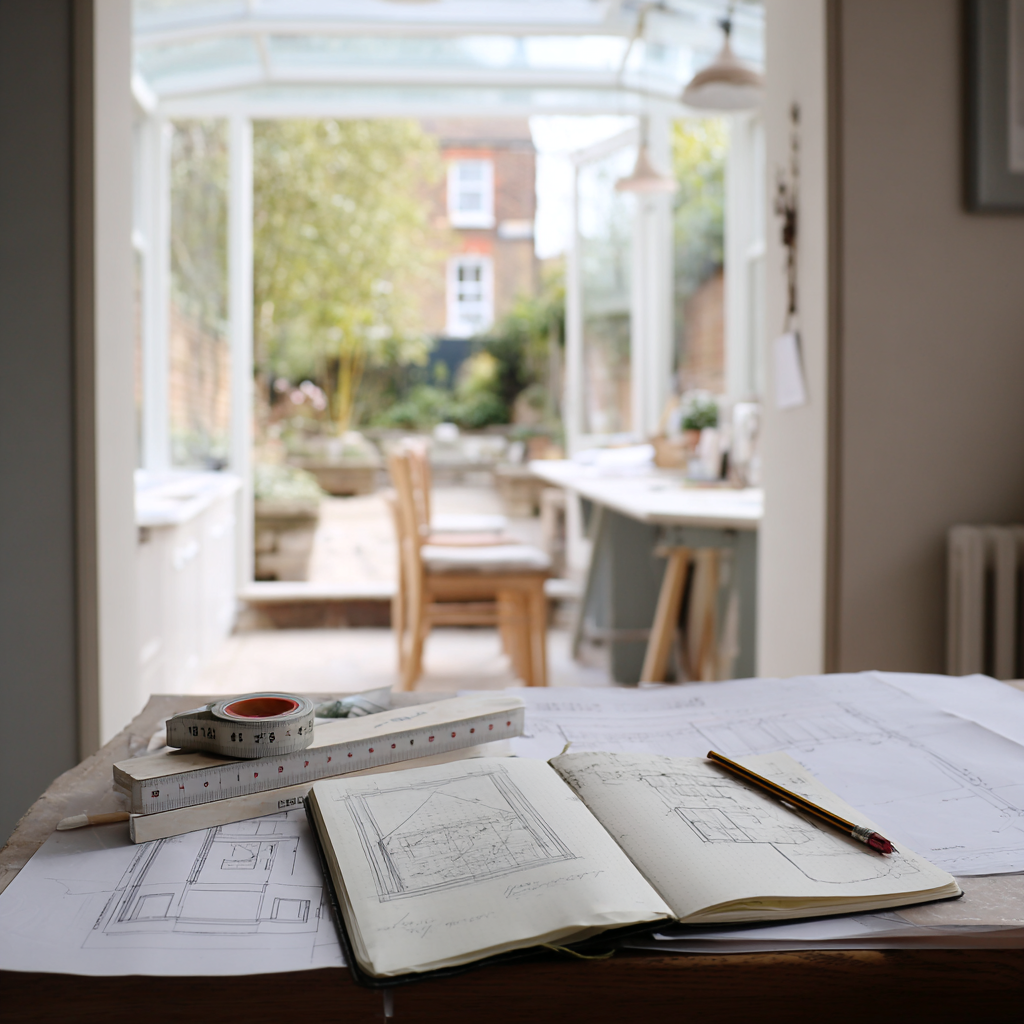
We recommended removing the conservatory entirely and starting again with a full orangery build. This allowed us to correct the layout, install proper foundations and insulation, and create a space that could integrate fully with the existing kitchen and lounge.
The outcome
The new orangery is now a bright, warm, open-plan dining space that feels like part of the original home. By starting again, the project removed compromise and delivered a room the family uses comfortably every day.
Real-world example:
How to Decide Before You Spend Anything
Ask yourself:
- Do we like the size and shape of the current space?
- Is there any sign of movement, leaks or decay?
- Does the layout work with how we live now?
- Are we happy locking in the existing walls and frames for the next 10 to 20 years?
- Are we fixing comfort only, or comfort plus layout and integration?
Mostly yes answers point toward a roof-only conversion.
Several no answers usually mean starting again is the wiser choice.
How Precision Approaches These Projects
Our process is designed to avoid regret:
- Survey and base inspection
- Honest assessment of roof-only vs rebuild options
- Clear pros, cons and costs for each route
- Fixed-price proposal for the agreed scope
We will tell you when a roof-only conversion is a bad idea, and when it is a smart, cost-effective upgrade.
Final Takeaway
Replacing a conservatory roof can be an excellent solution when the structure and layout are right.
Starting again is the better option when they are not.
The right decision is the one that gives you a room that works properly for how you live, not just one that looks improved on paper.
 Book a free 30-minute consultation and we’ll help show you the best option for your existing structure.
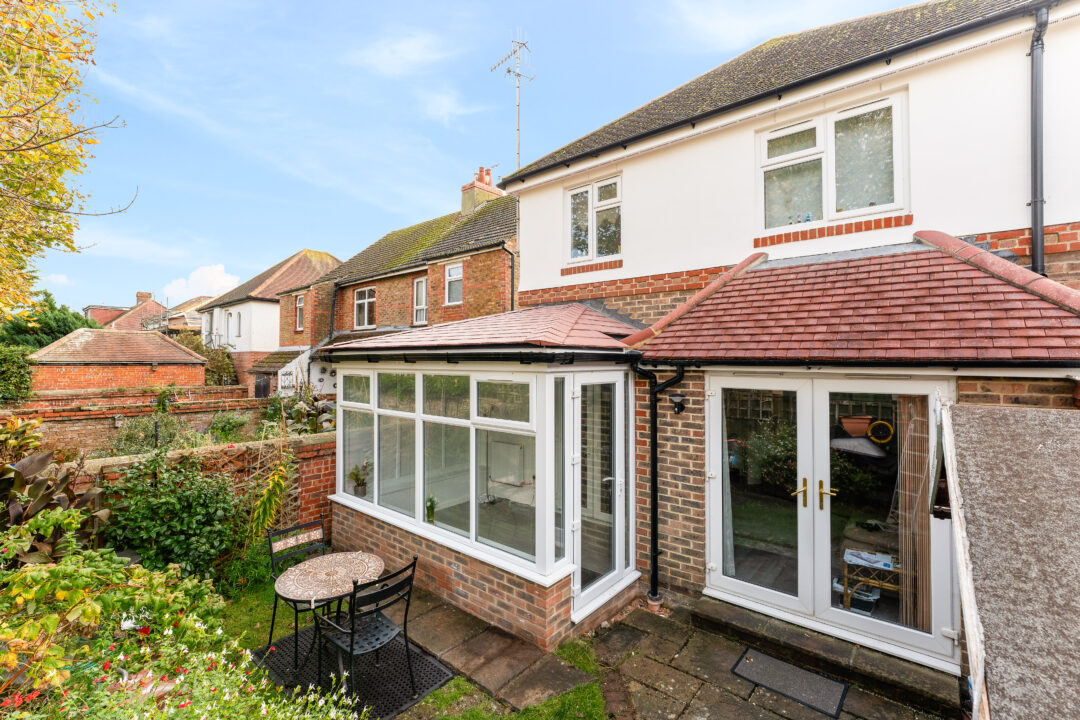
Not Sure Whether to Replace the Roof or Start Again?
We’ll assess your existing structure and tell you honestly what option will give you long-term value