0800 061 4878 Mon - Sat, 8am - 5pm

10 year guarantee on all projects

No-obligation quotes available

Fast & professional installation with no hidden costs

Make great savings this Winter– save up to an extra 30% on all conservatory, orangeries & extensions

Archives for Max

From the Ground Up – #14

Real Projects. Real Progress. Real Homes. Welcome to From the Ground Up. Our weekly blog series sharing real progress from live projects across the region. From groundwork to glazing. Follow the journey as we build beautiful, functional spaces that transform the way people live in their homes.

last updated Mar 6, 2026
category News
Share with friends

Foundations Down, Structures Up & Drainage Challenges Solved

This week we’re laying foundations for new extensions, completing a lean-to conservatory structure, and tackling complex drainage work. Across Worthing, Christchurch, and Southampton, projects are progressing through very different stages.

Let’s get stuck in!

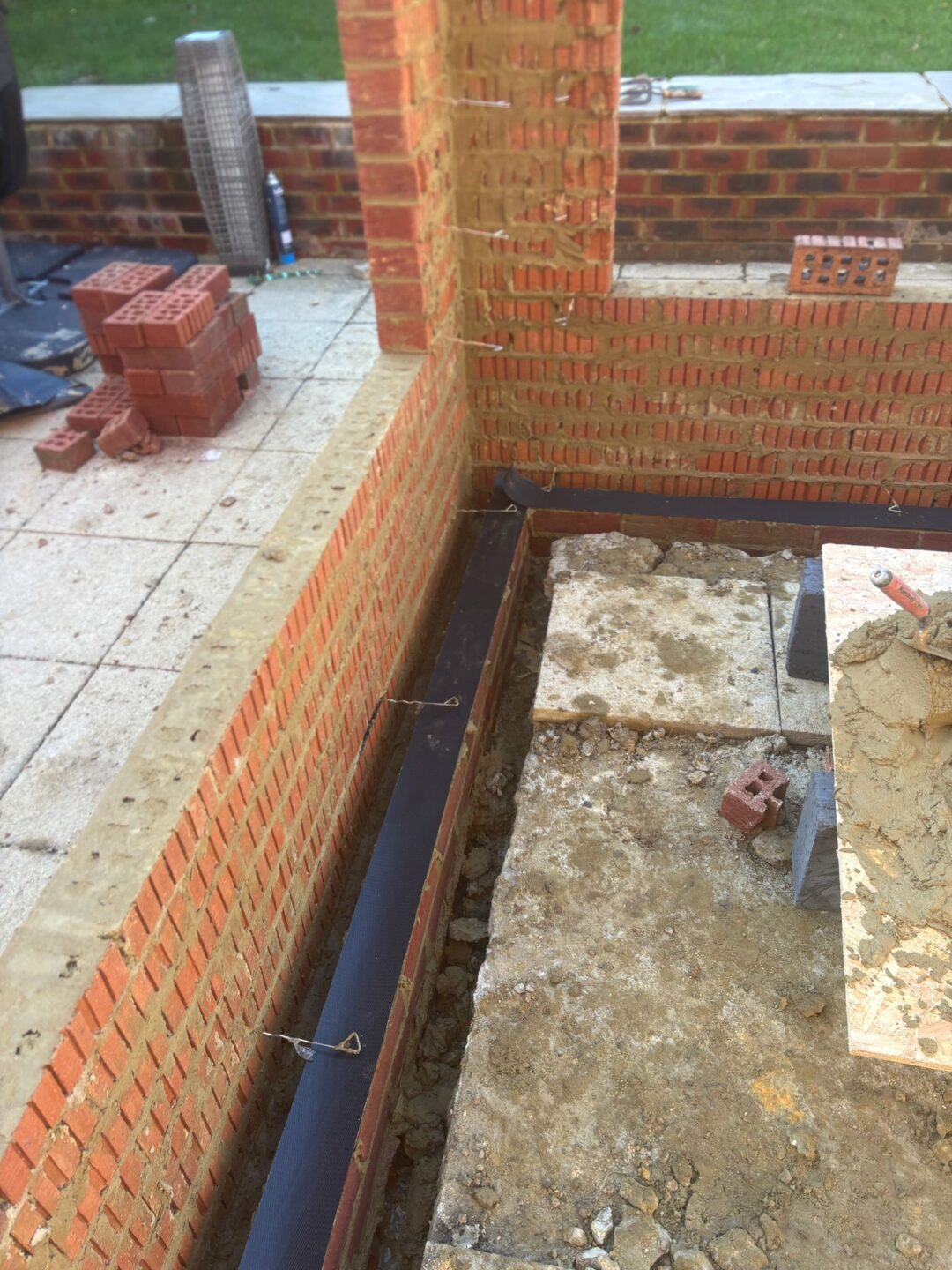
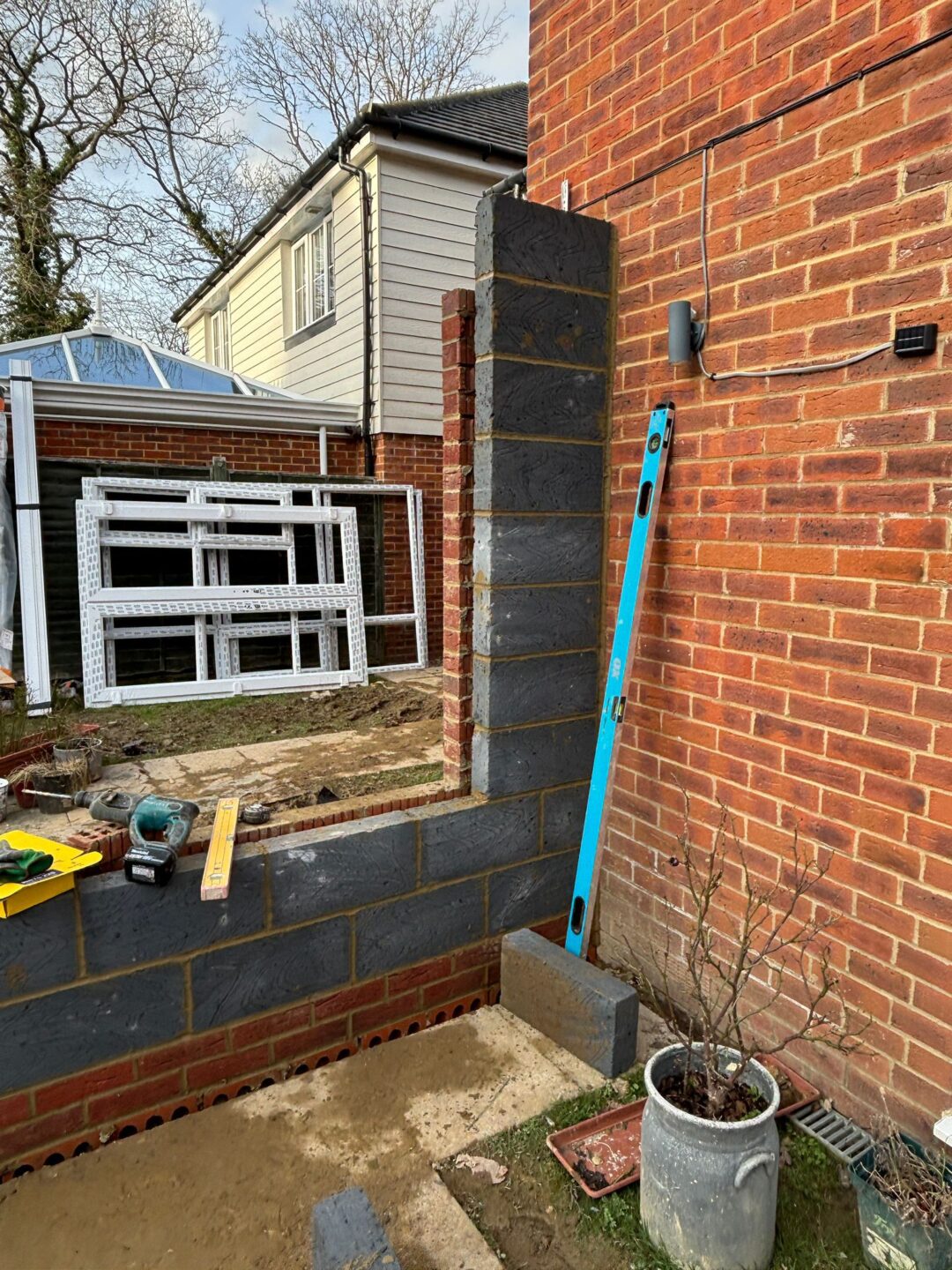
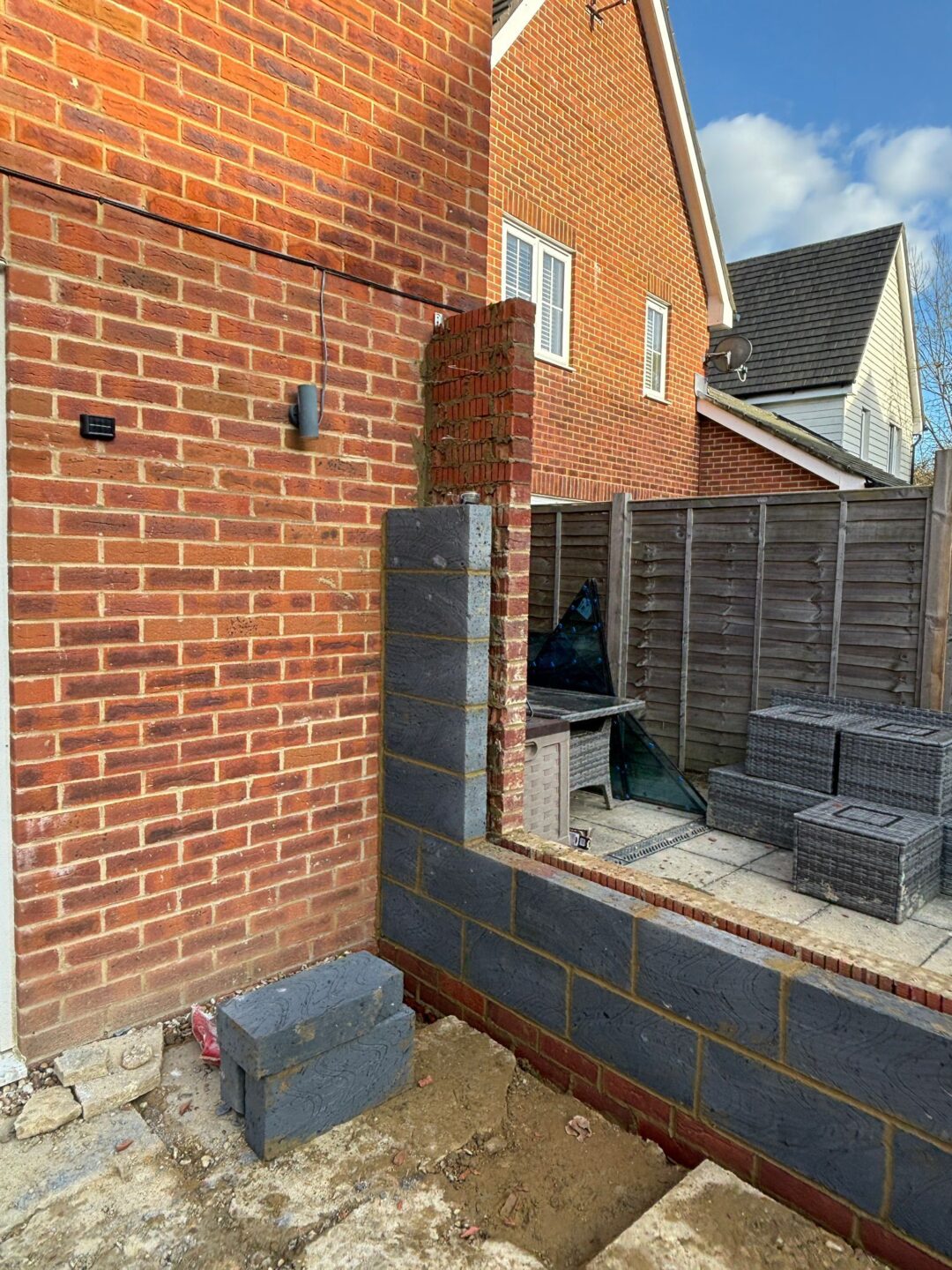
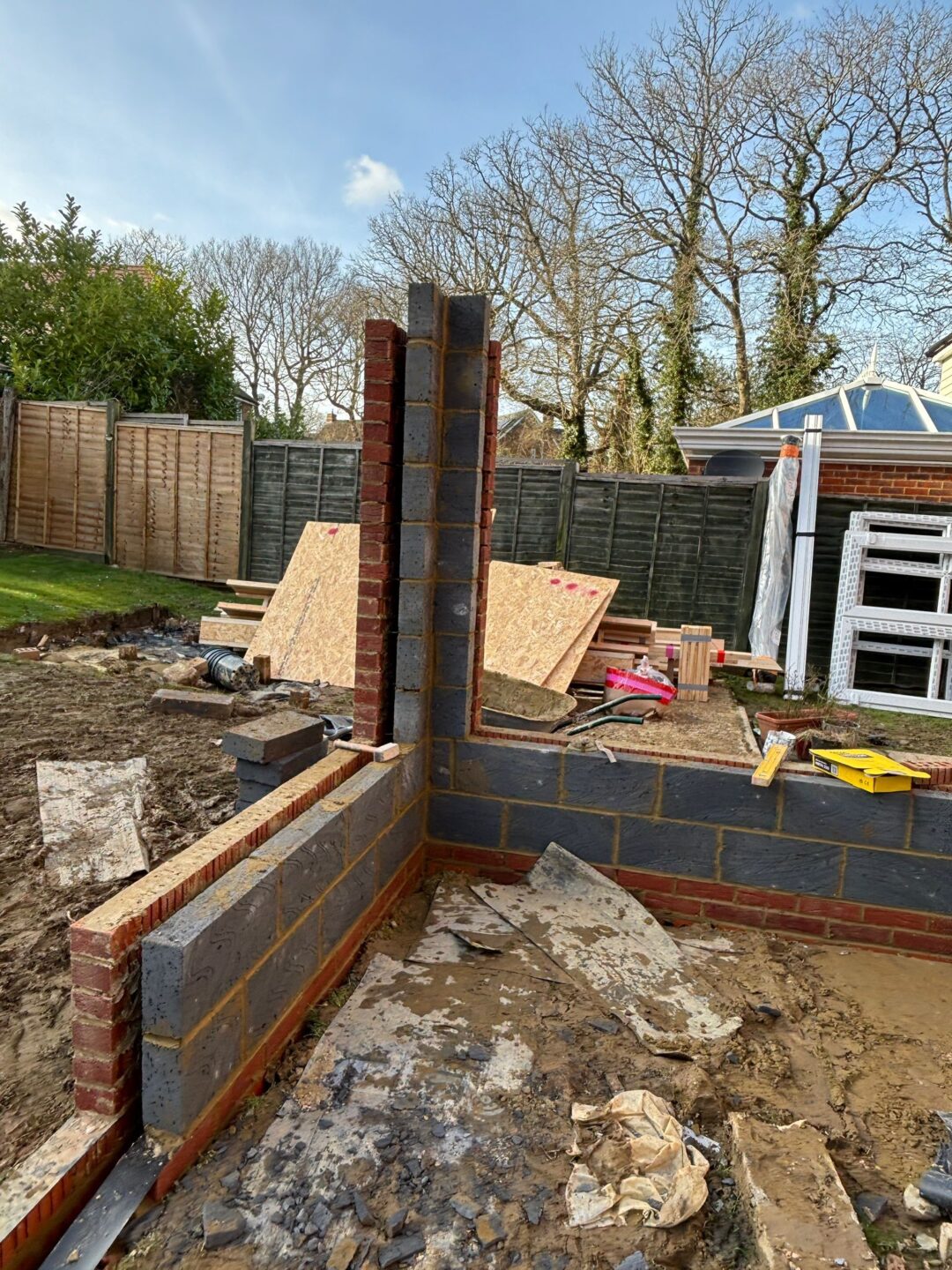
Worthin, West Sussex

Back Working With a Previous Customer
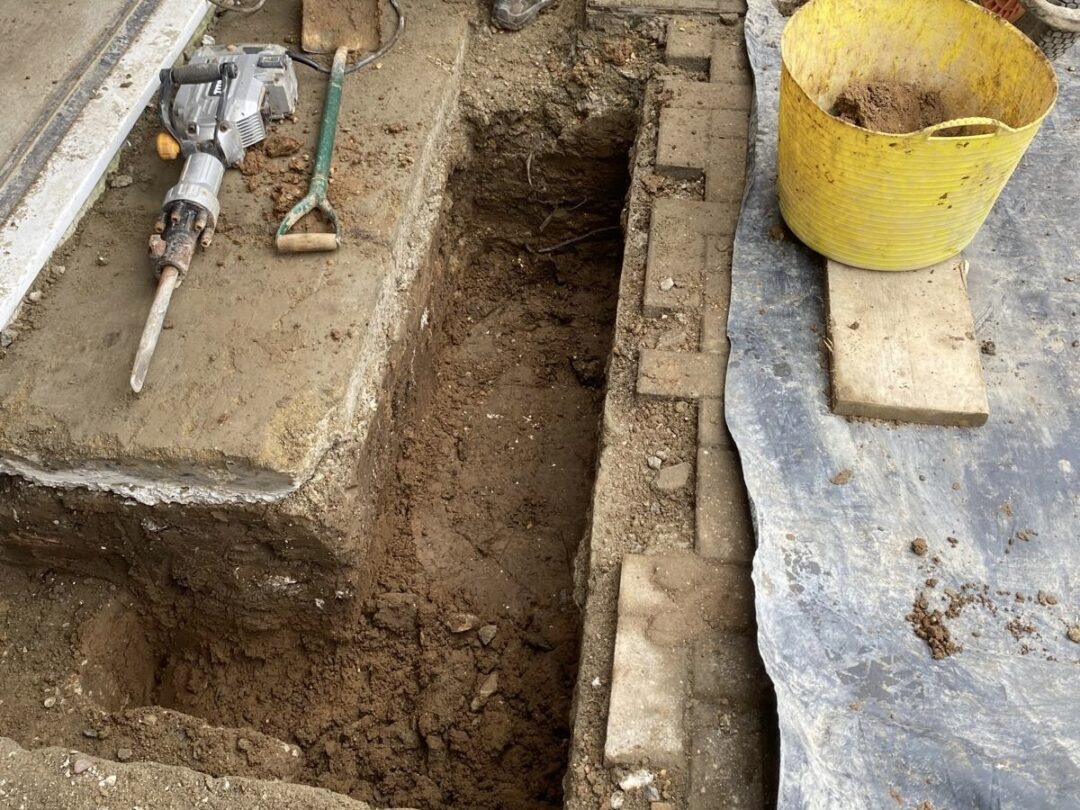
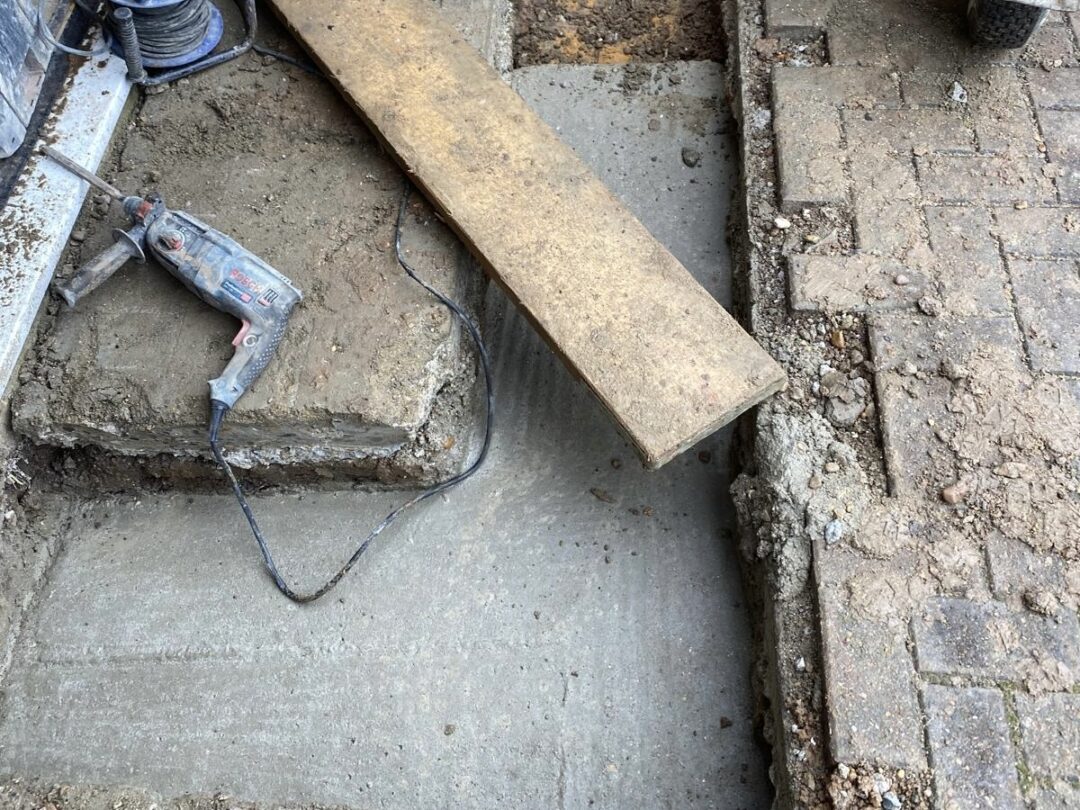
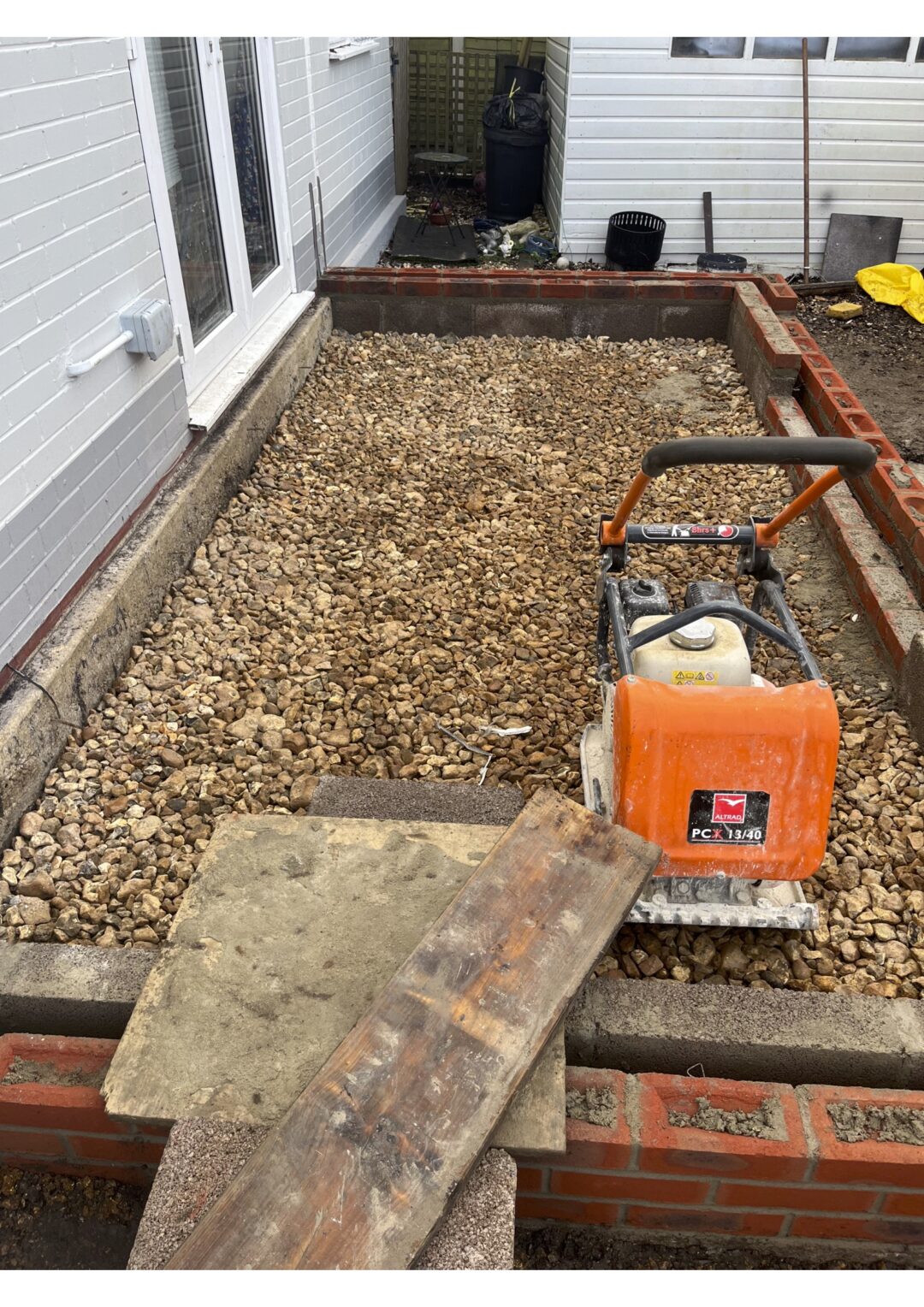
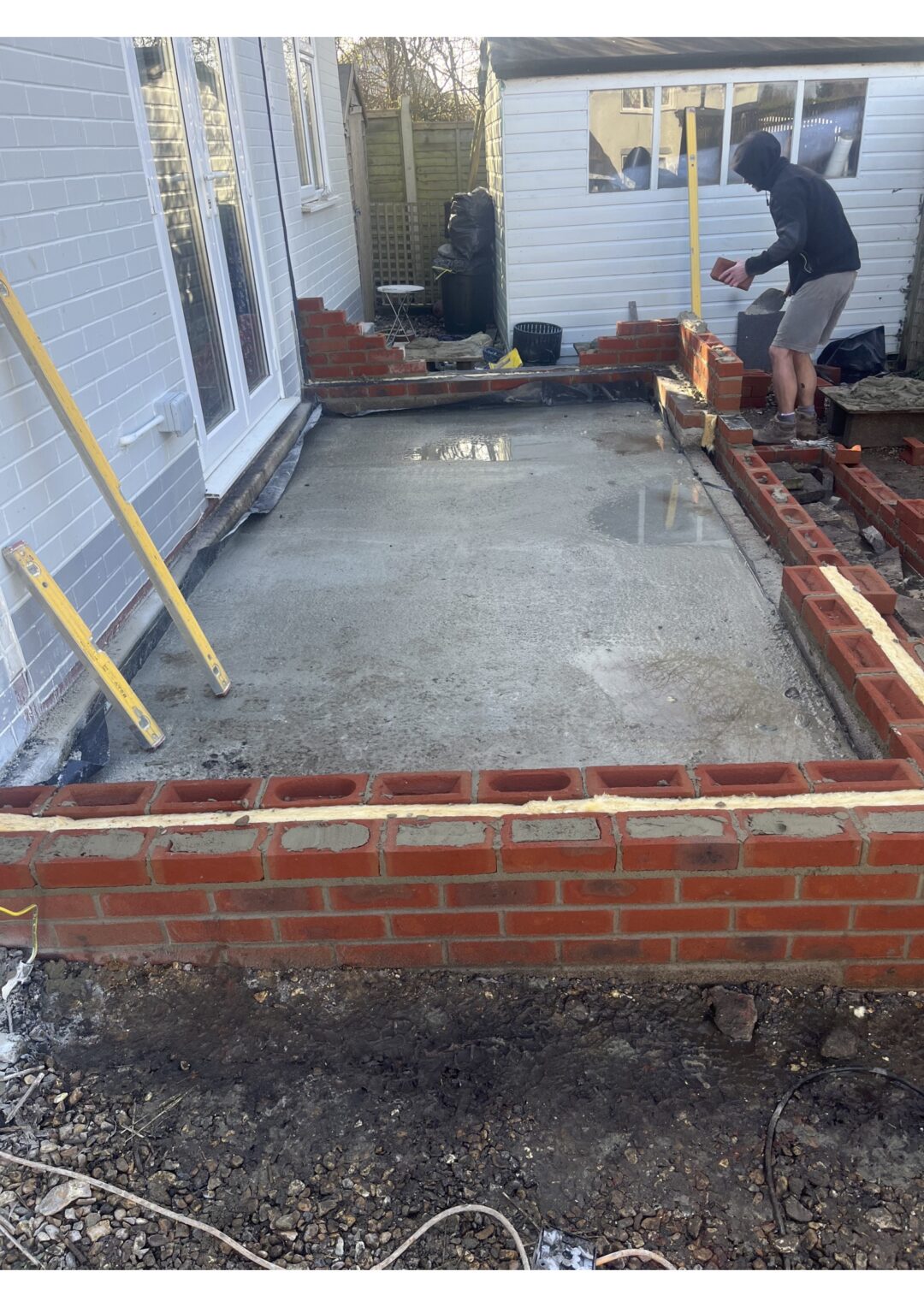
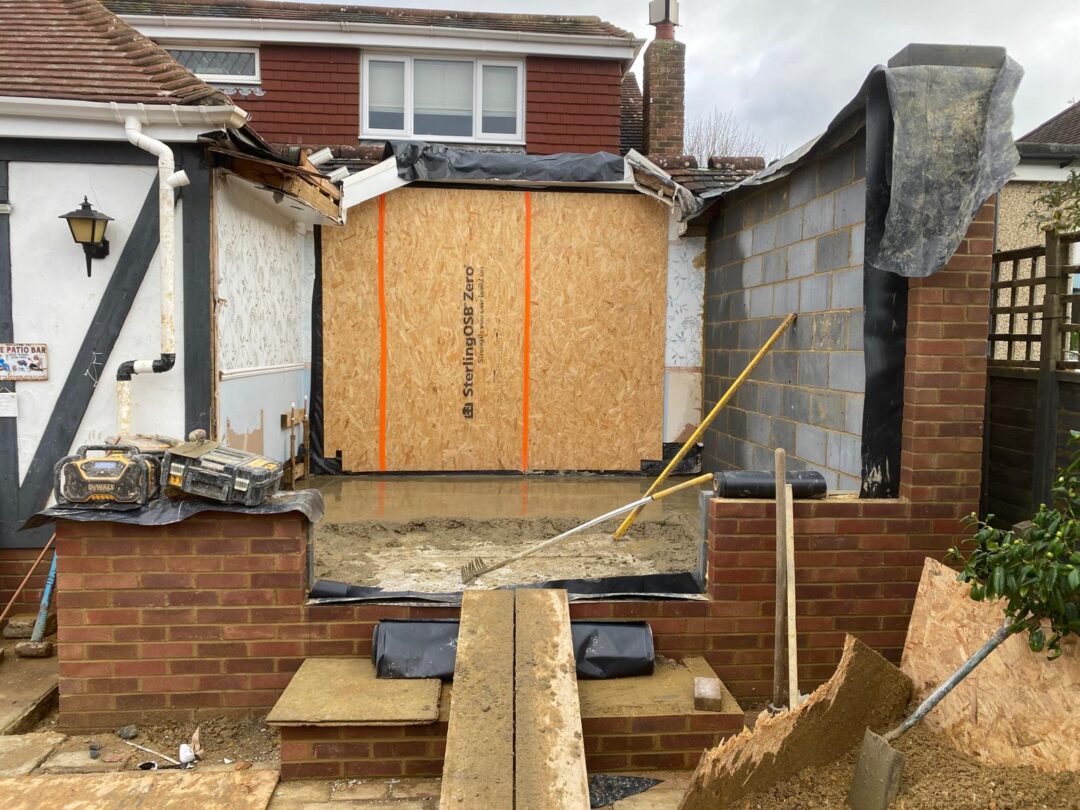
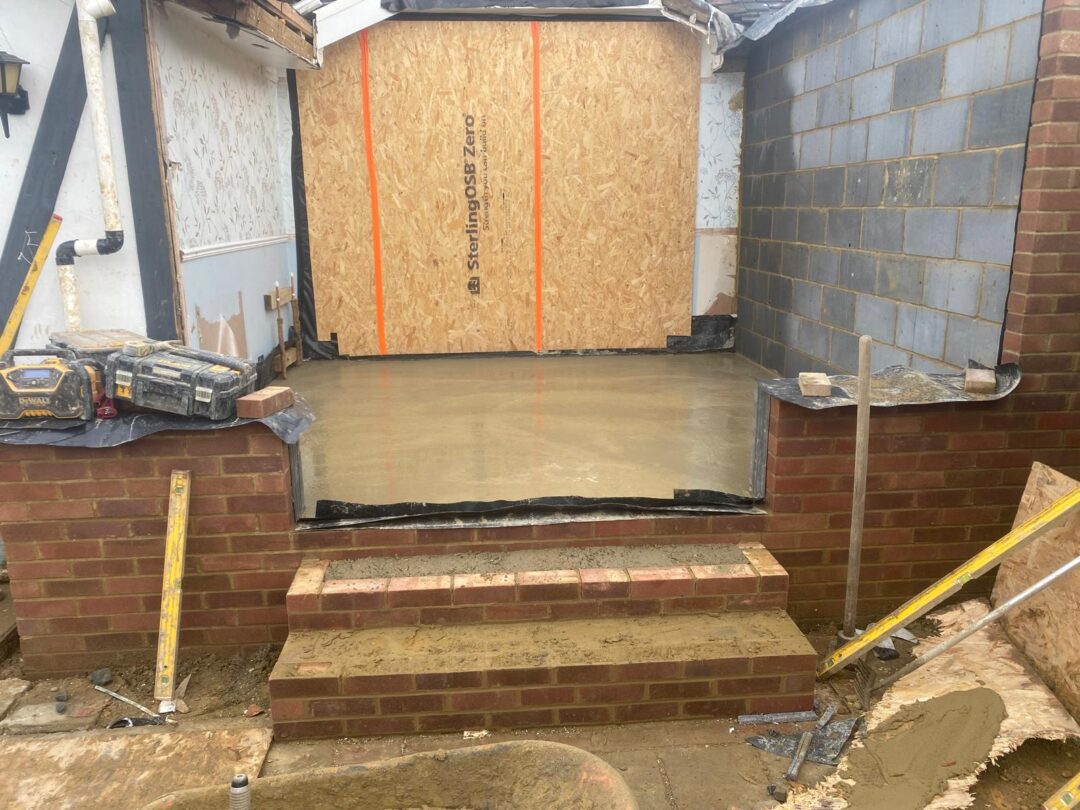
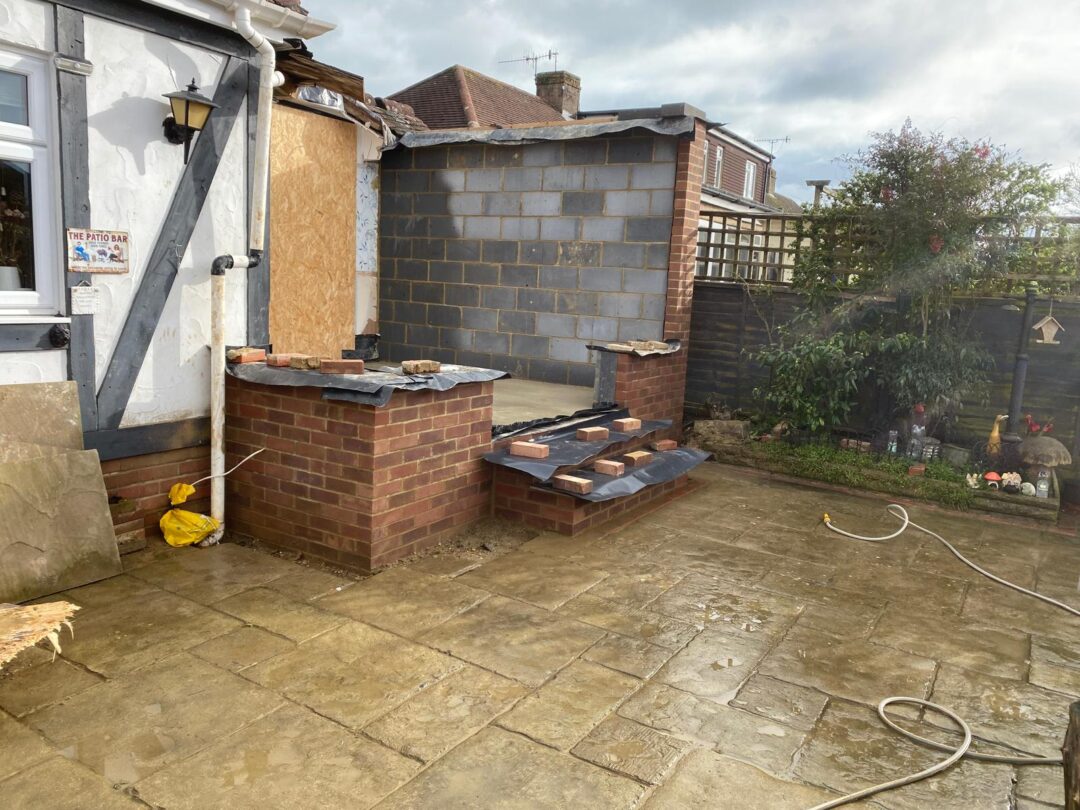
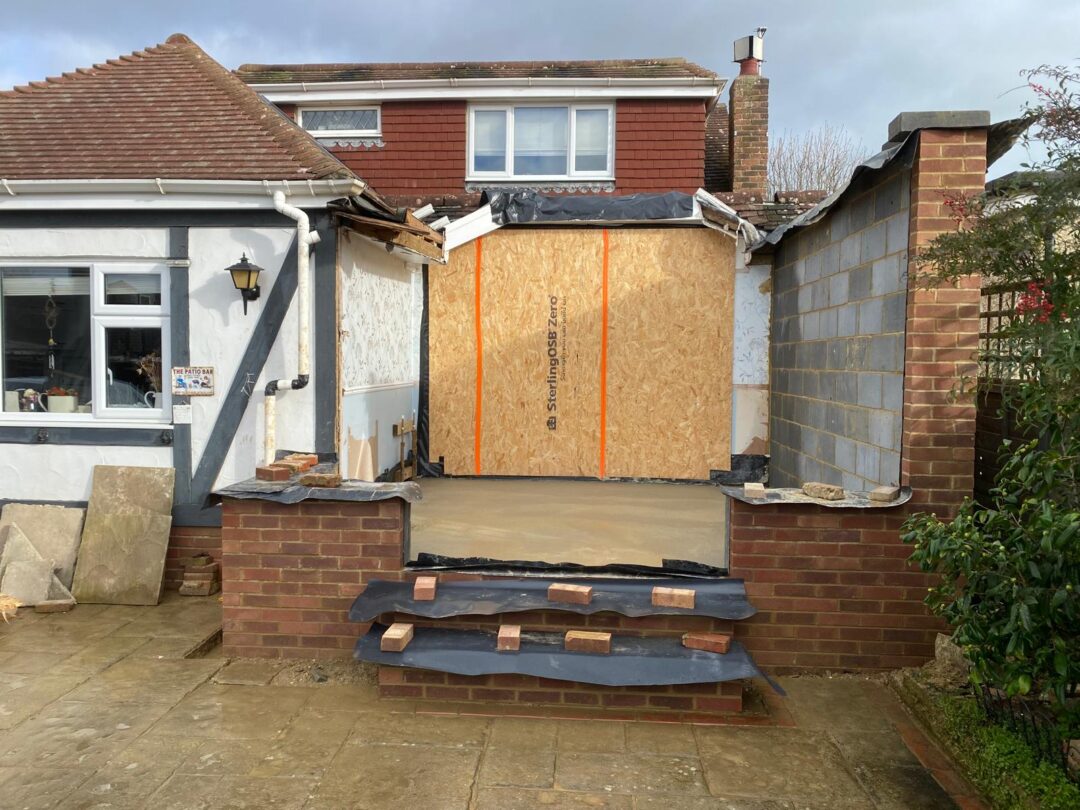
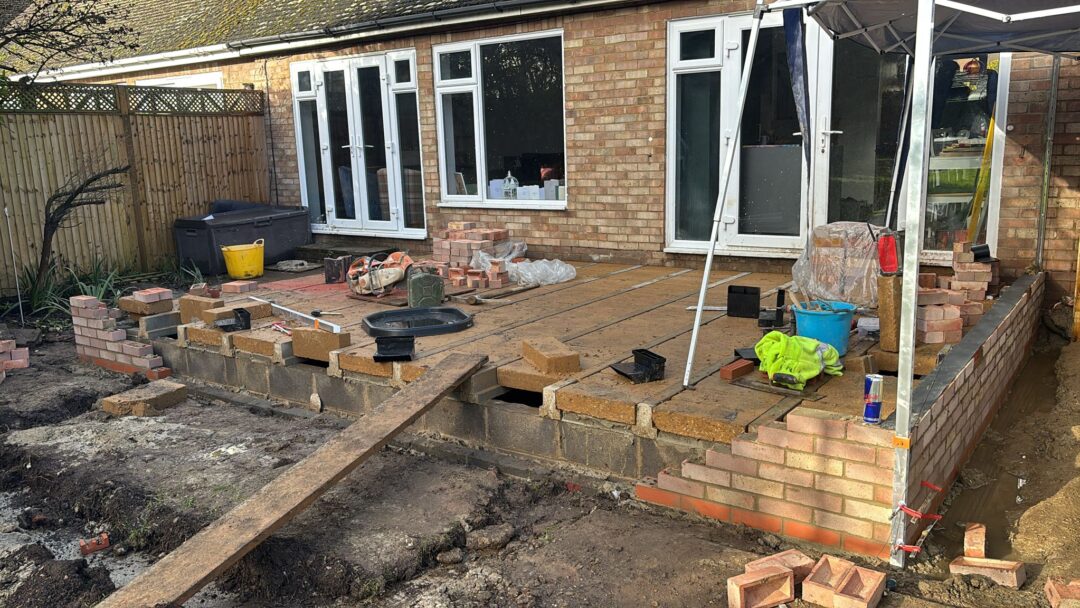
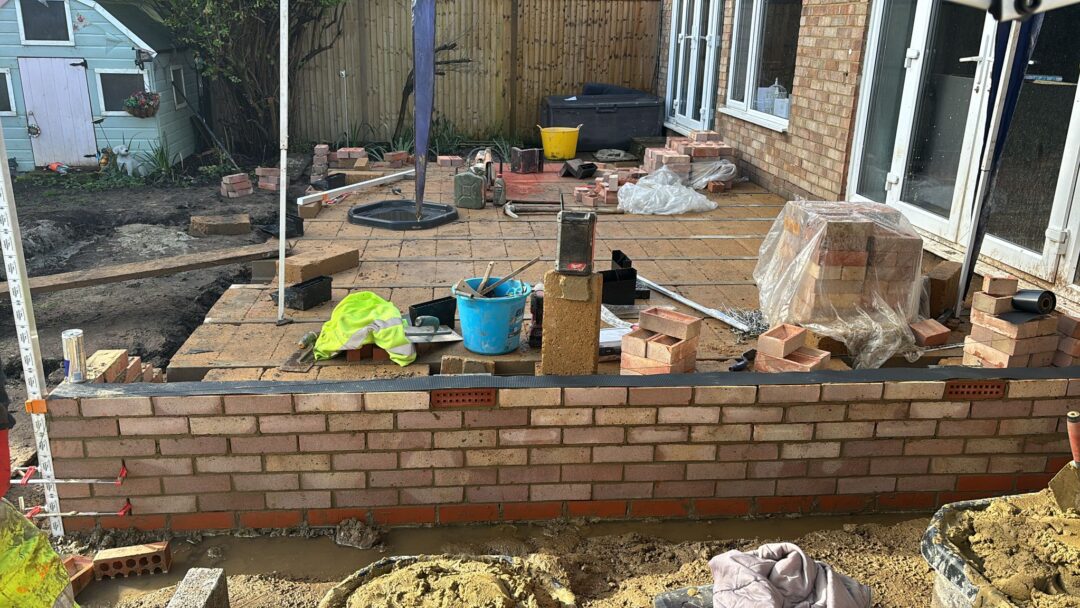
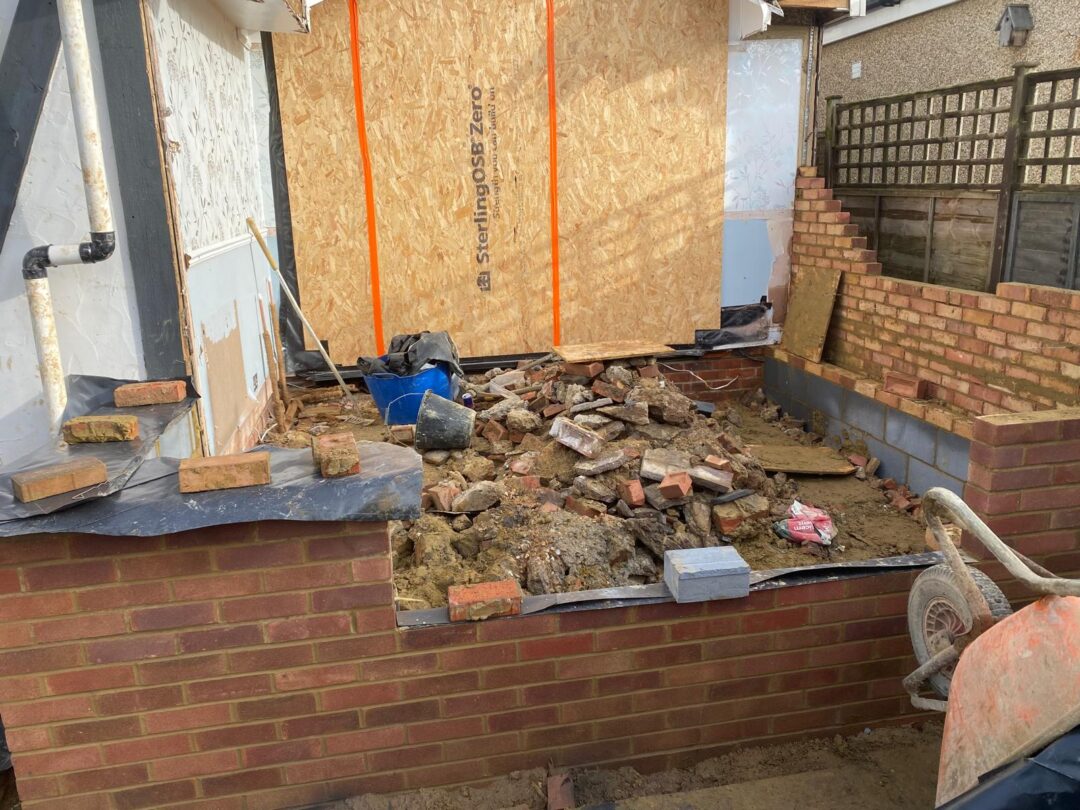
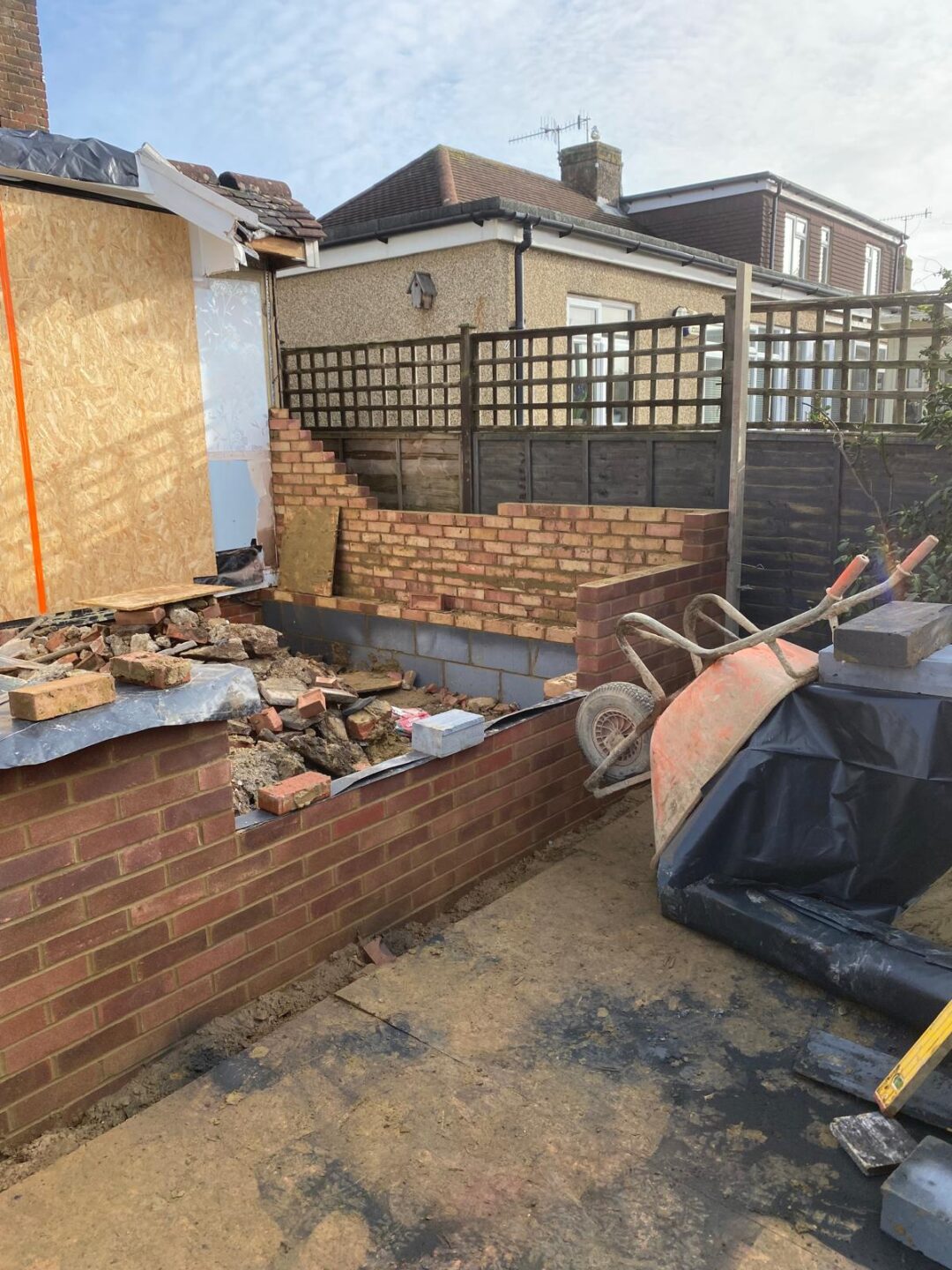
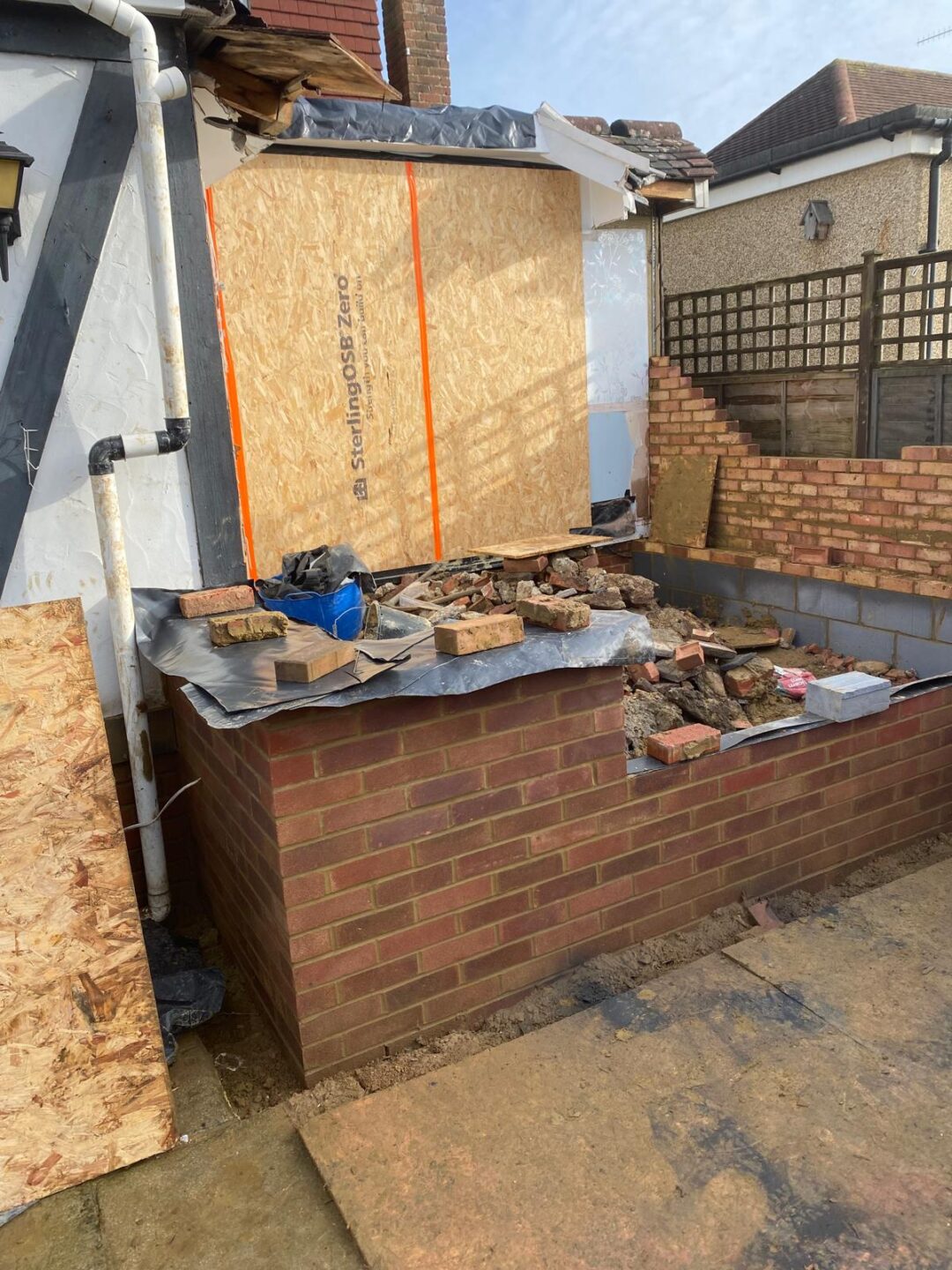
  • We’re back with a previous customer on this project, building a new extension down the side and across the front of the house.
  • Planning permission was approved at the end of last year, and groundwork is now underway.
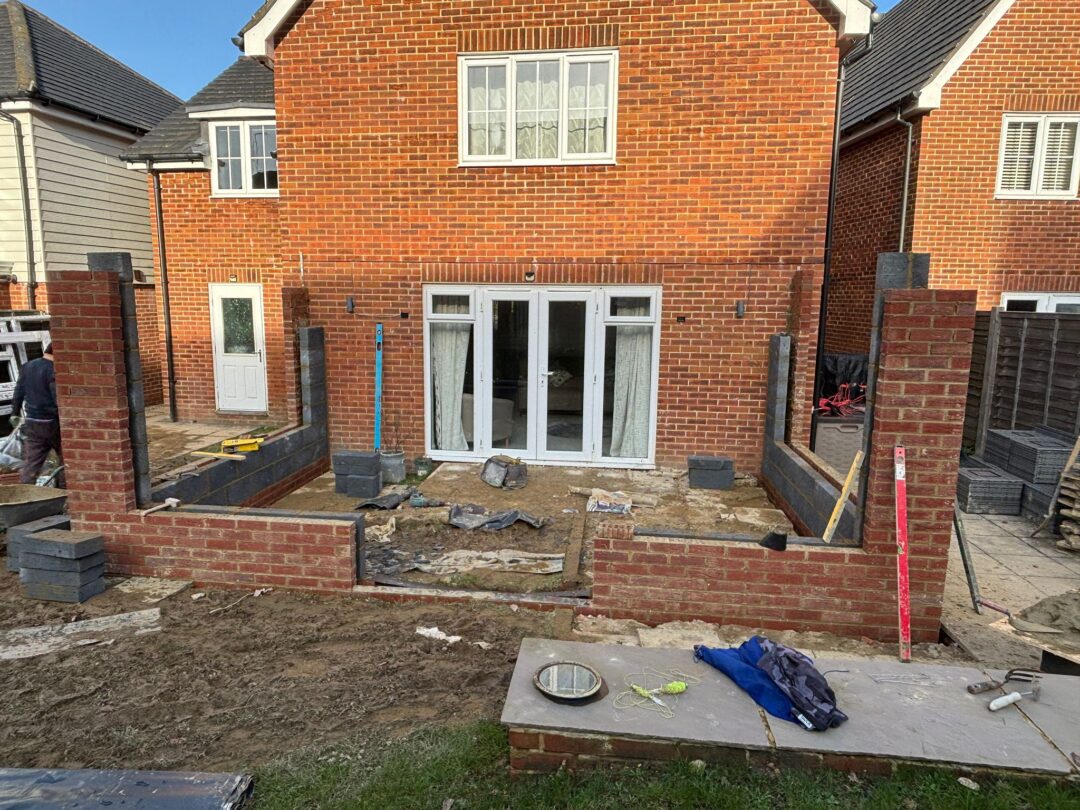
  • Footings have been completed on the side extension this week, while the front extension has already been poured and brickwork is beginning to rise.
  • It’s always great returning to work with existing customers as we help convert their garage into a proper usable room as part of the project.
Christchurch, Dorset

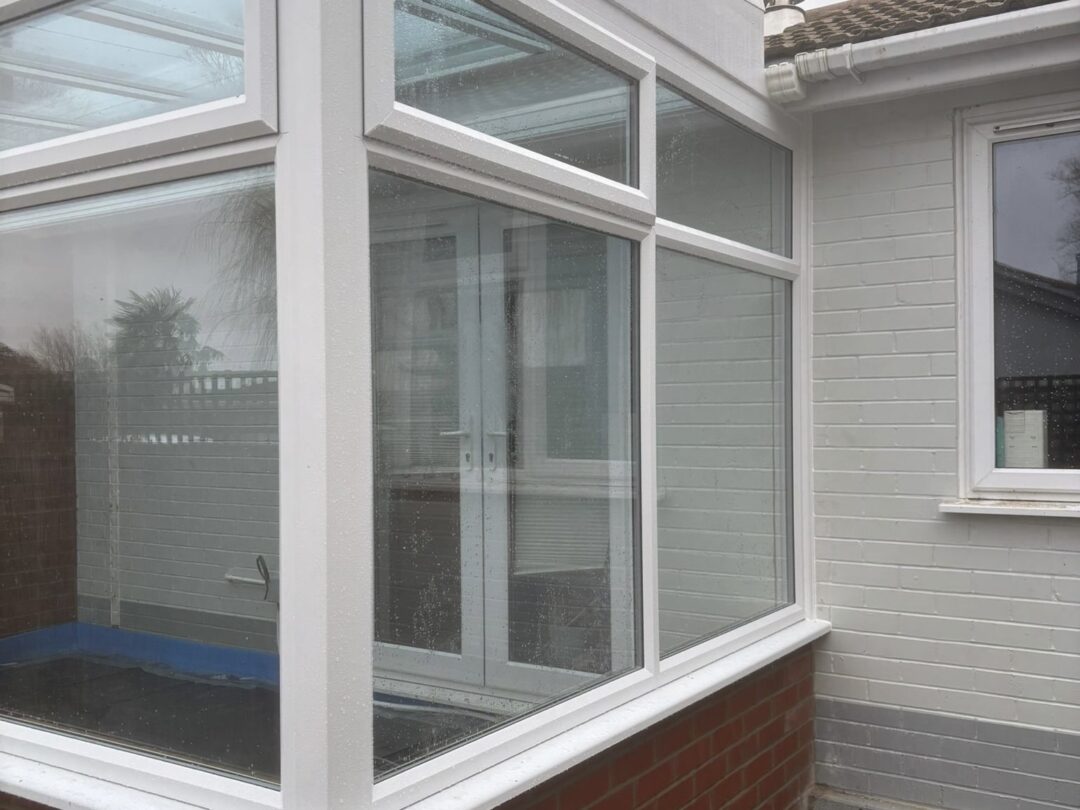
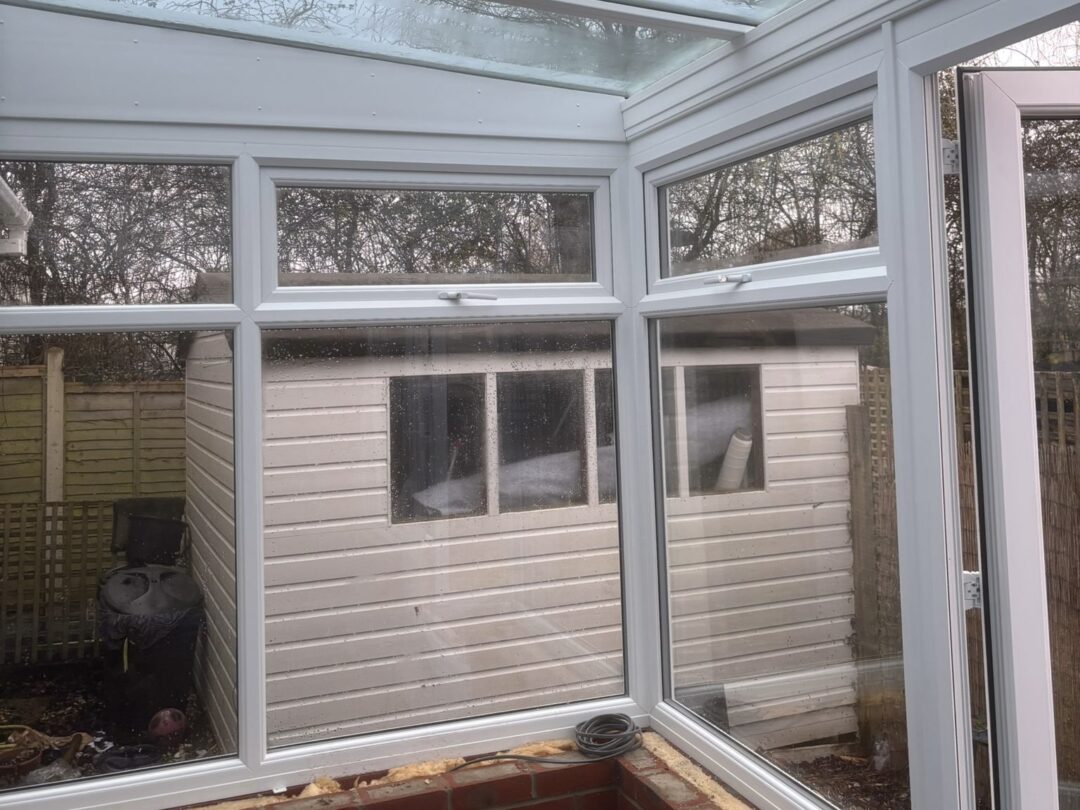
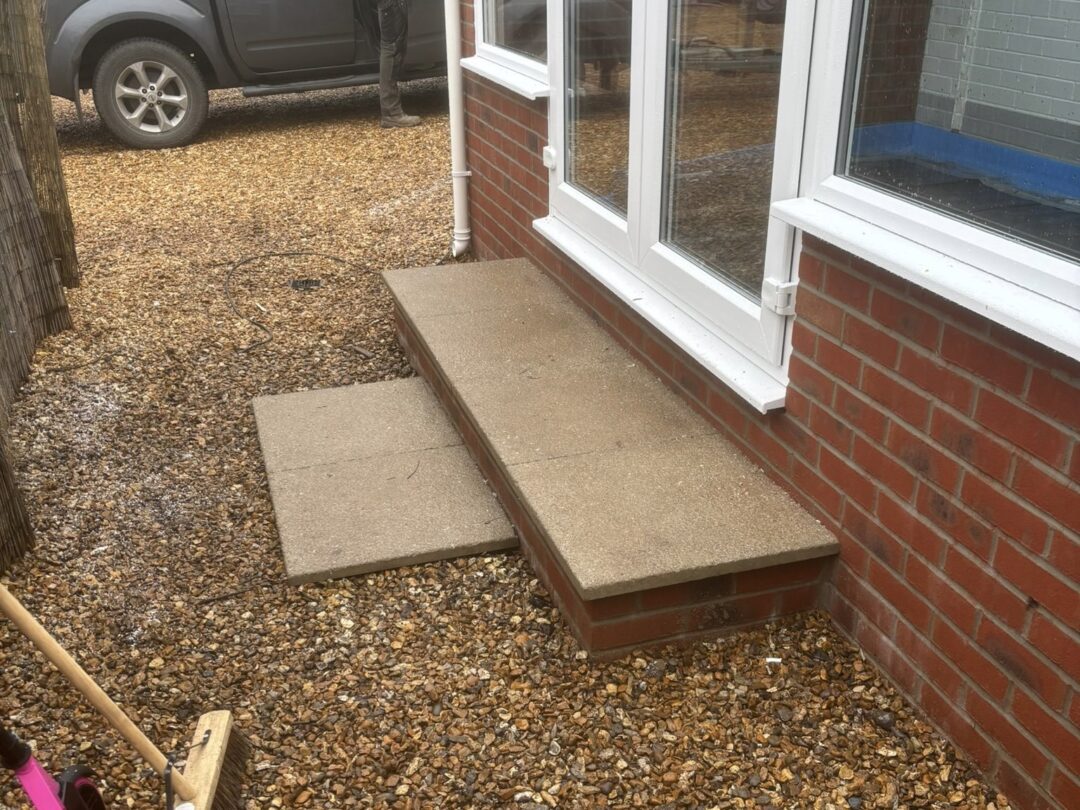
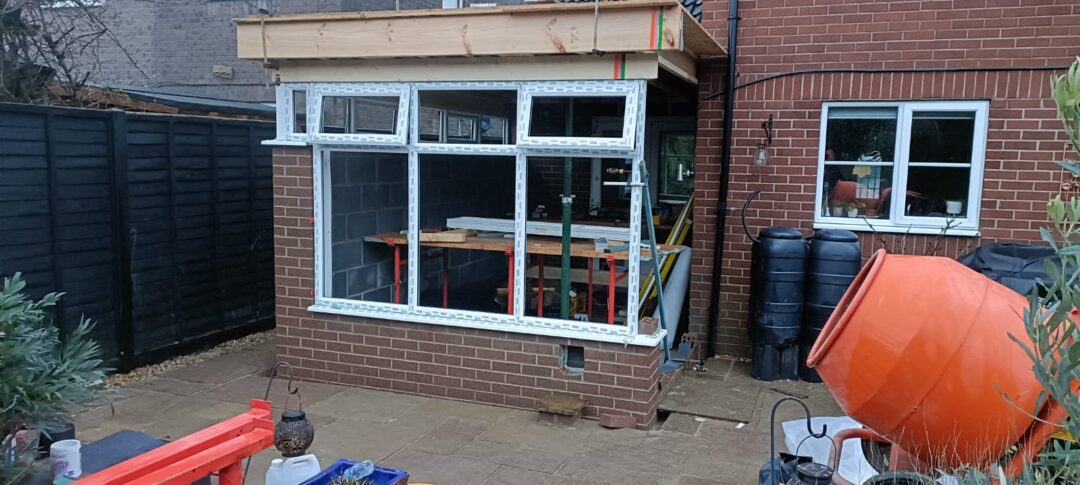
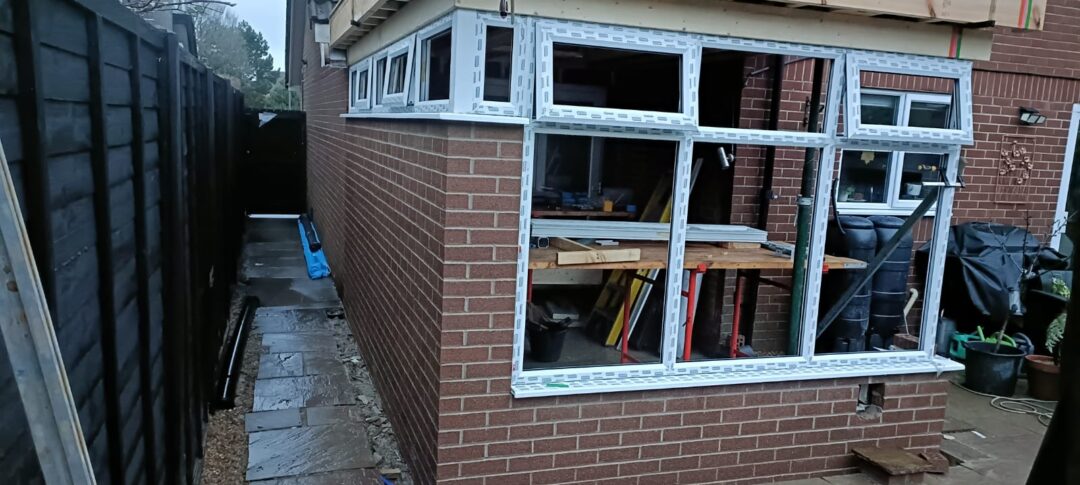
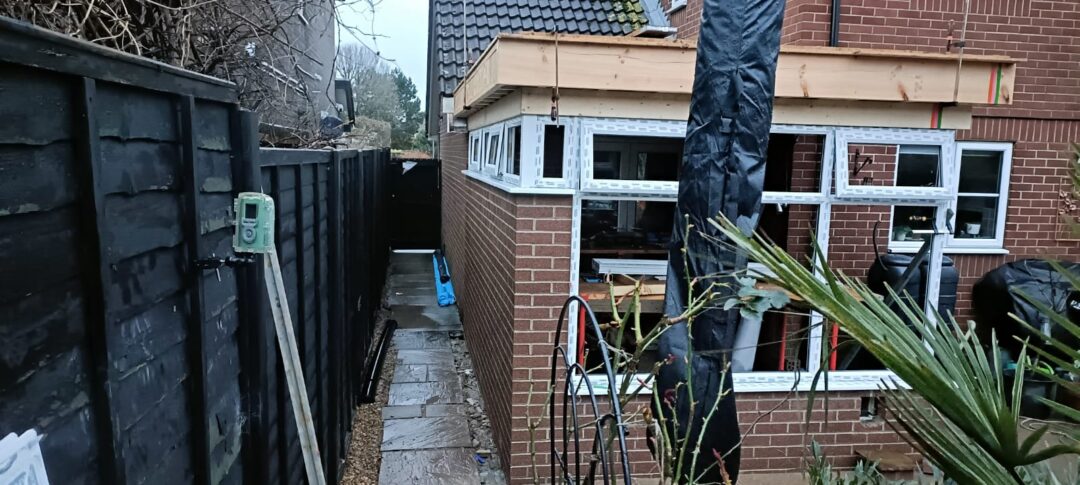
A Clean Modern Lean-To Fully Installed
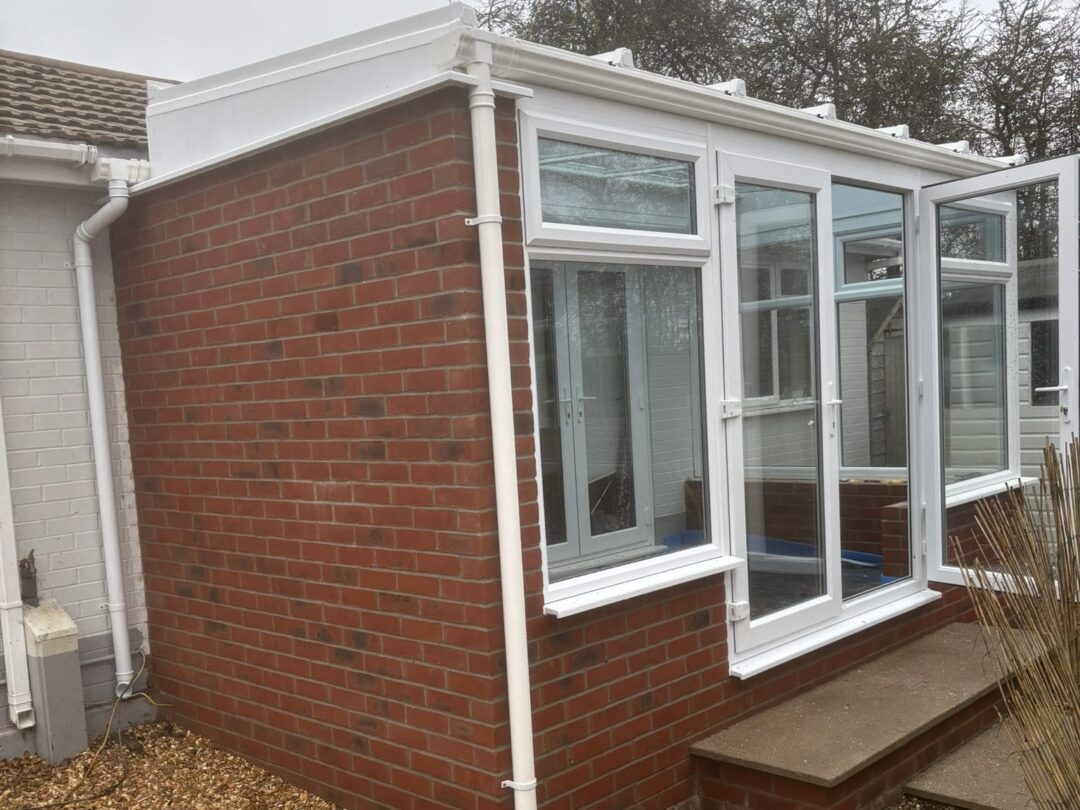
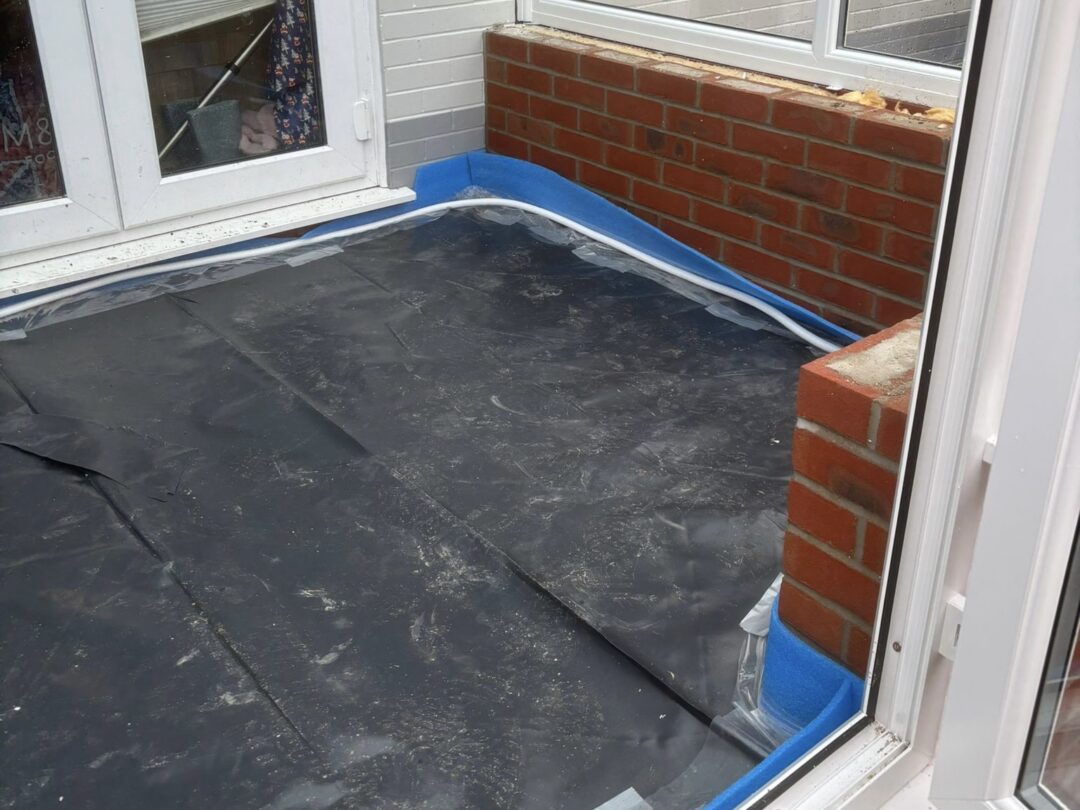
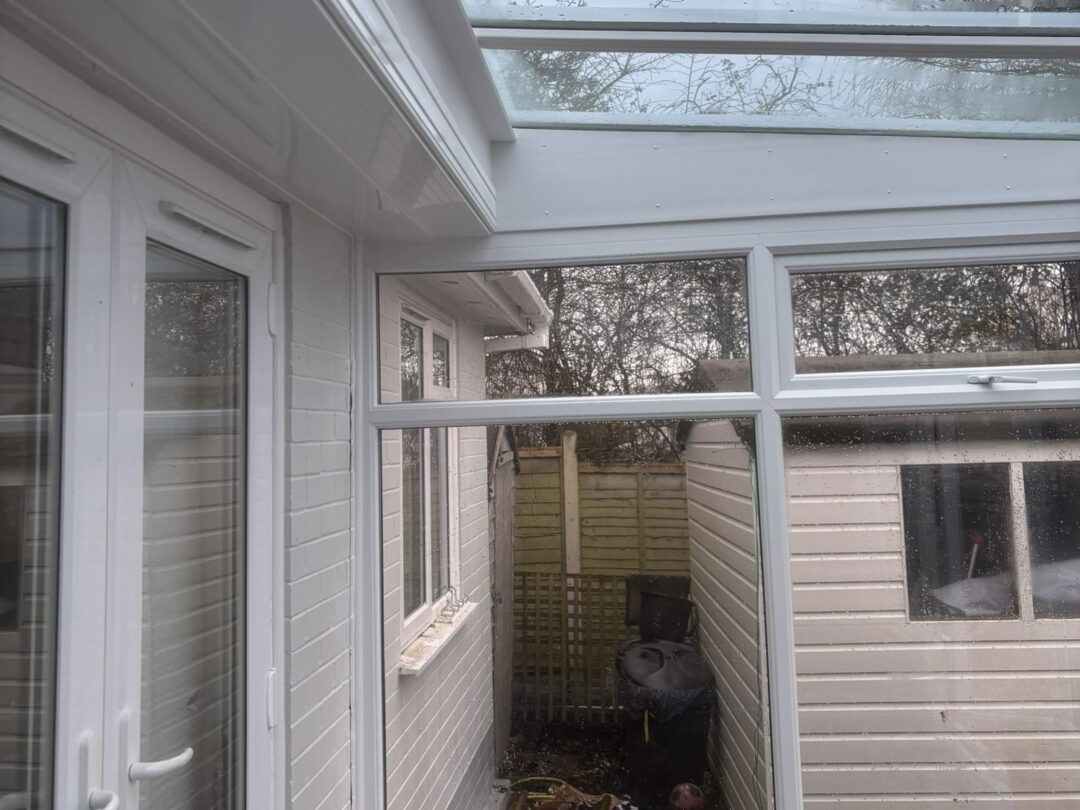
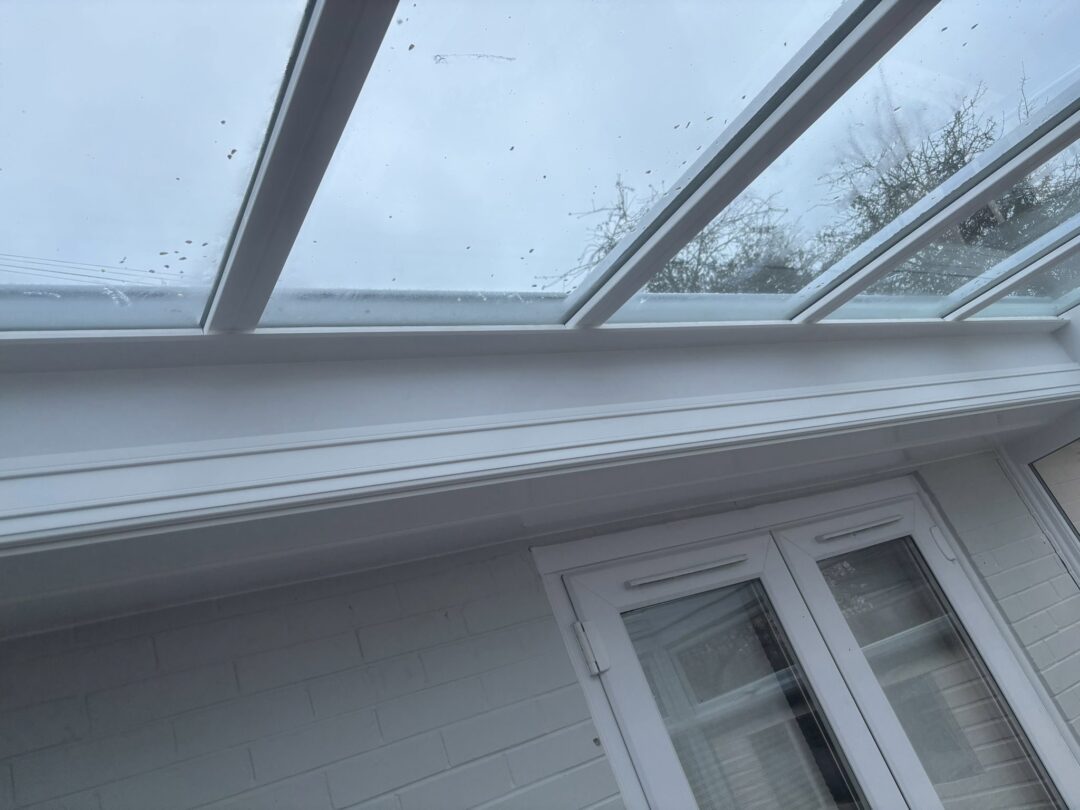
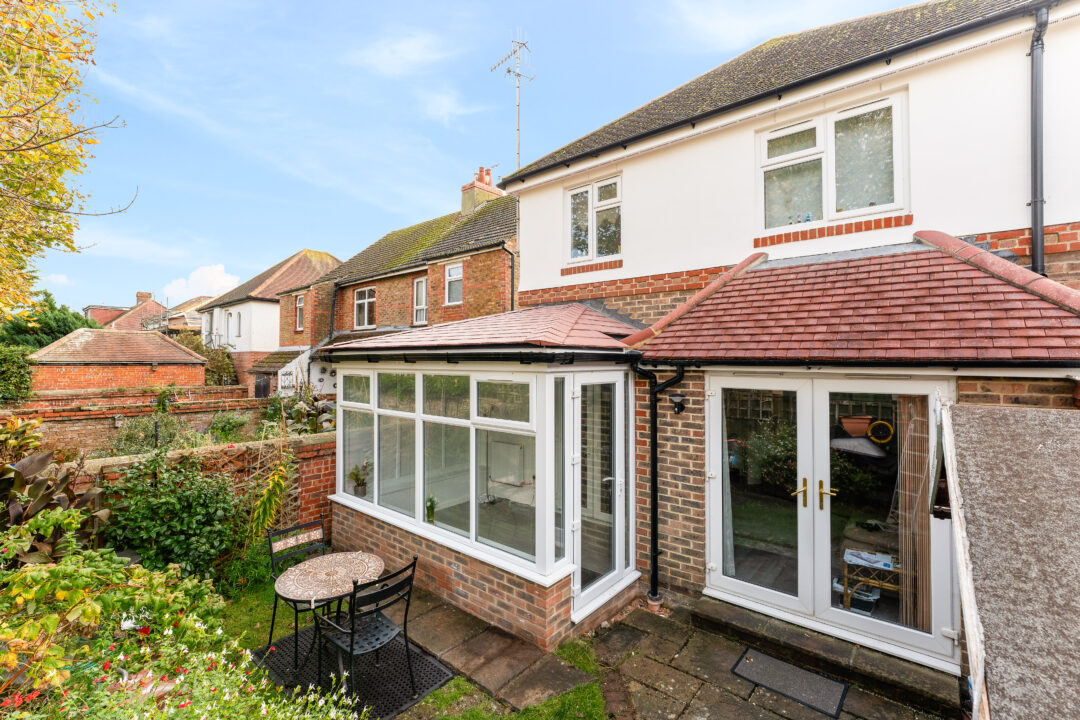
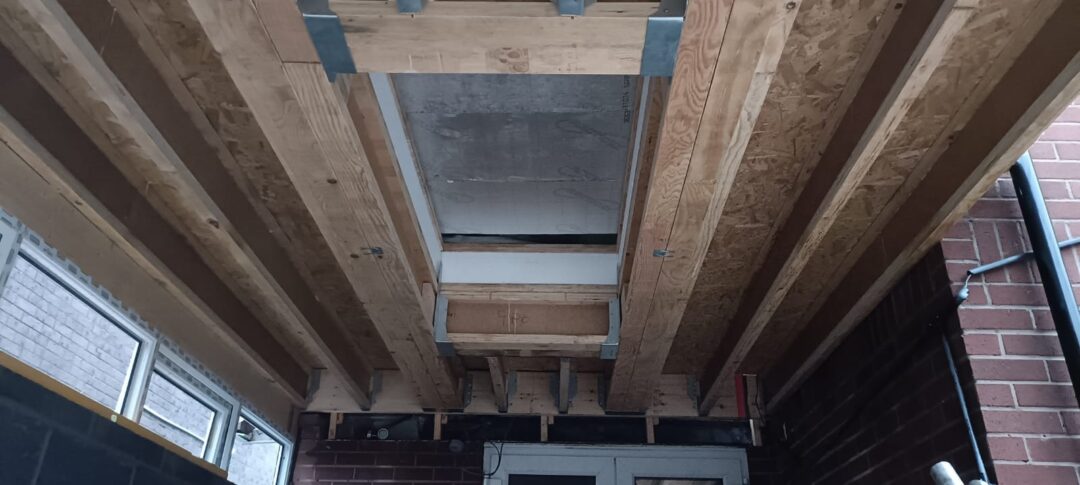
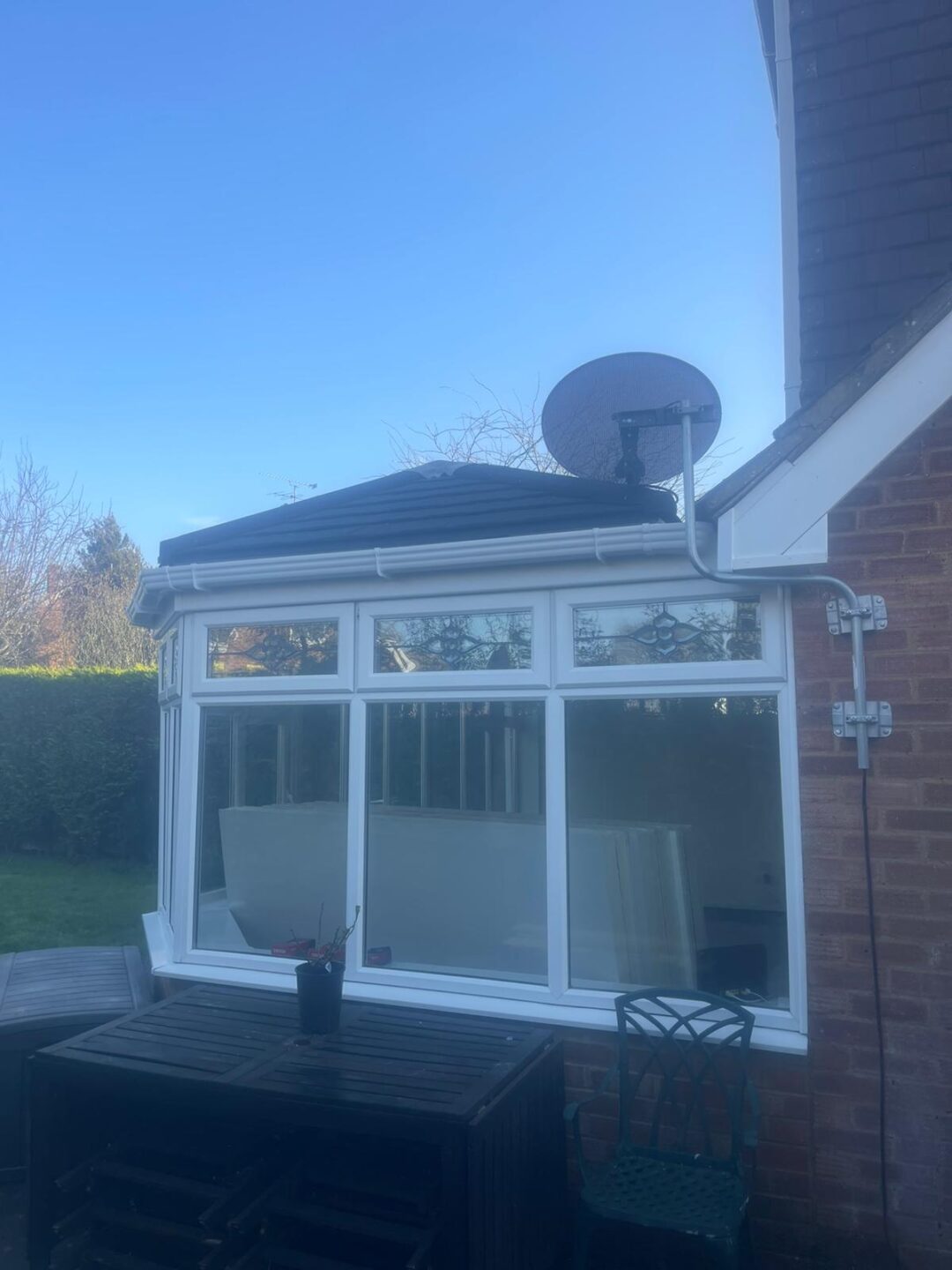
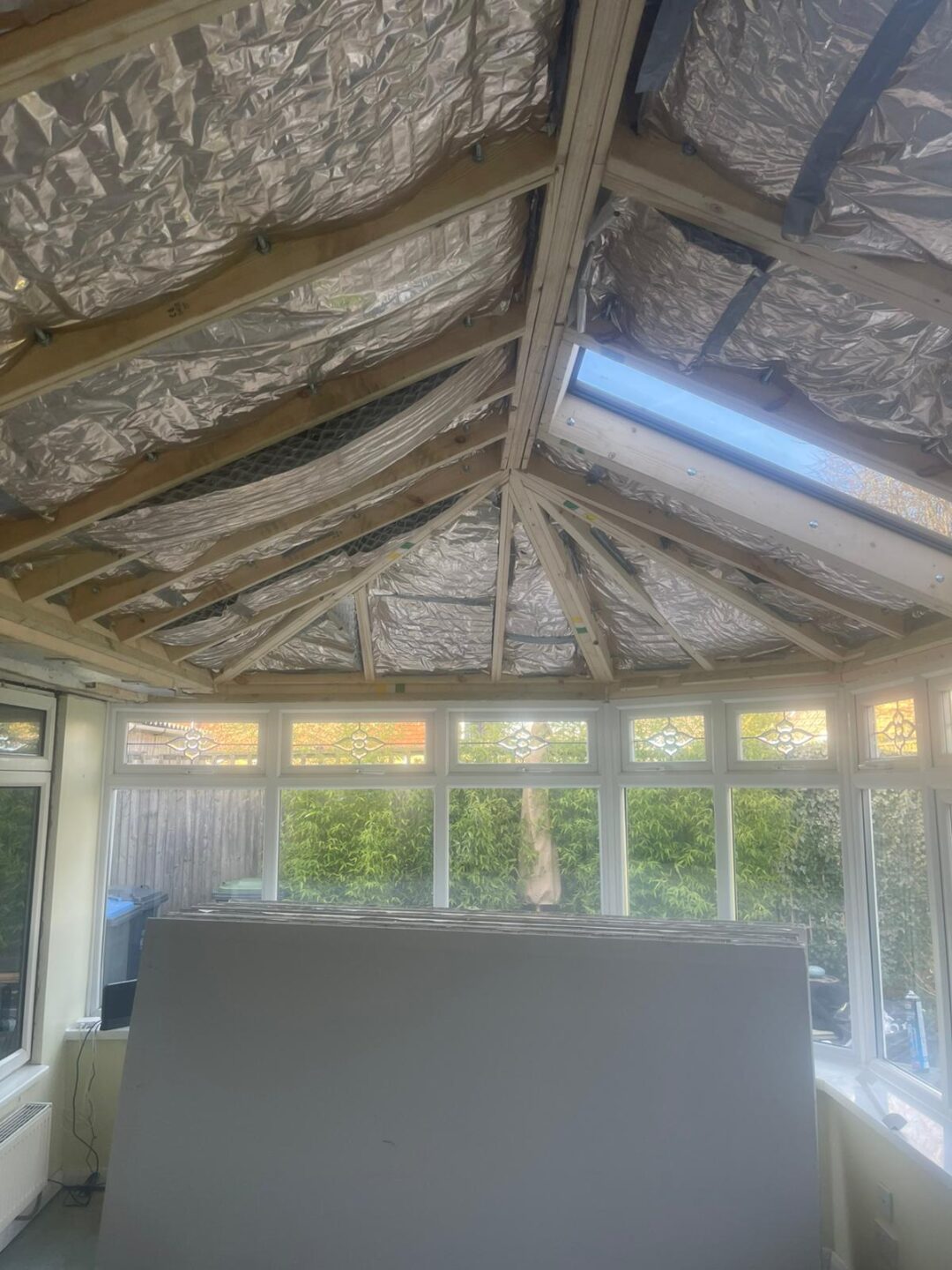
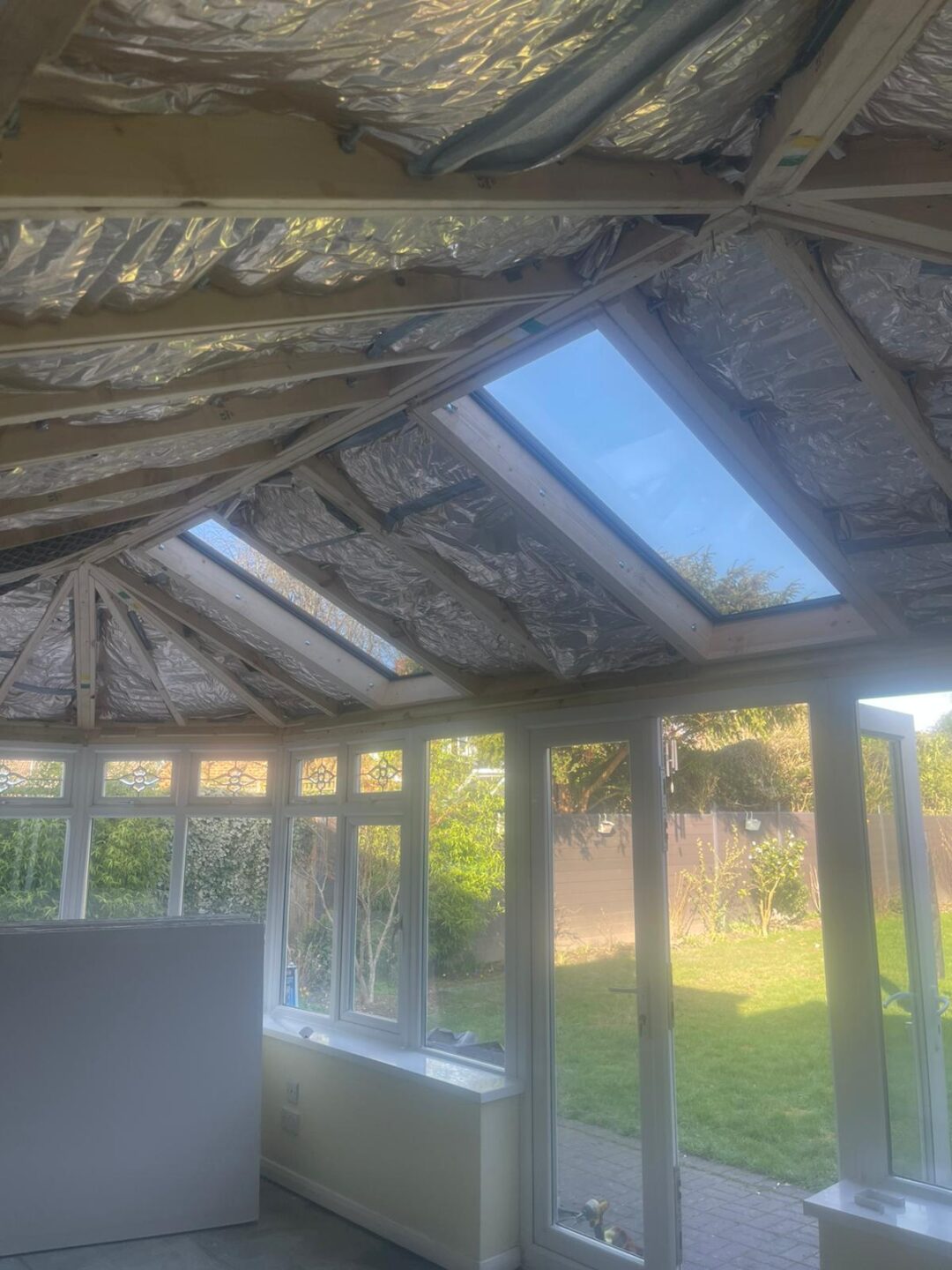
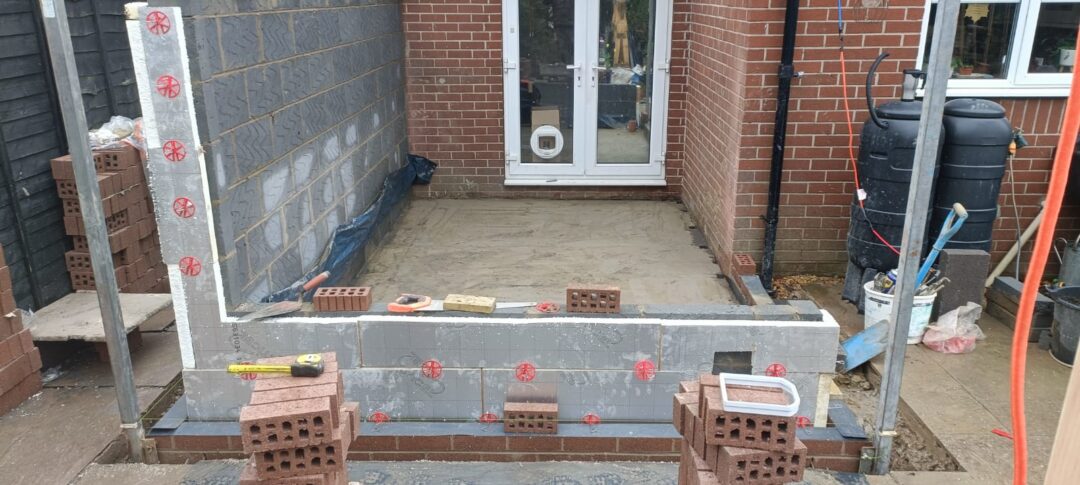
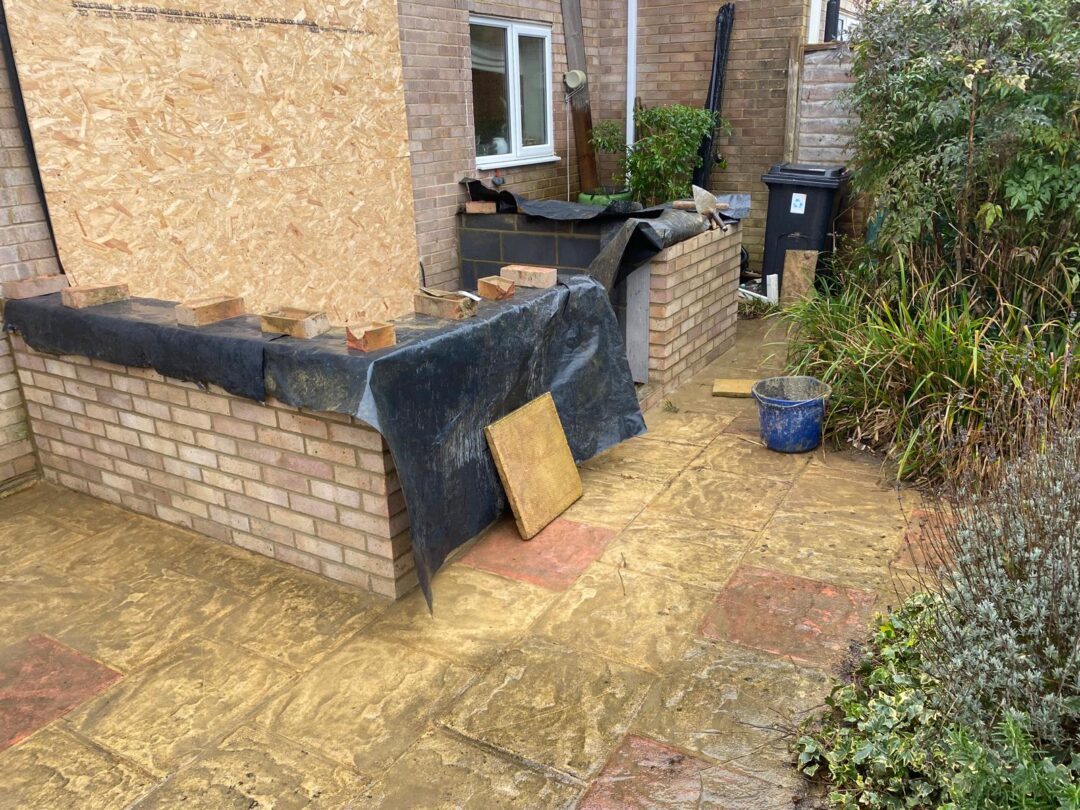
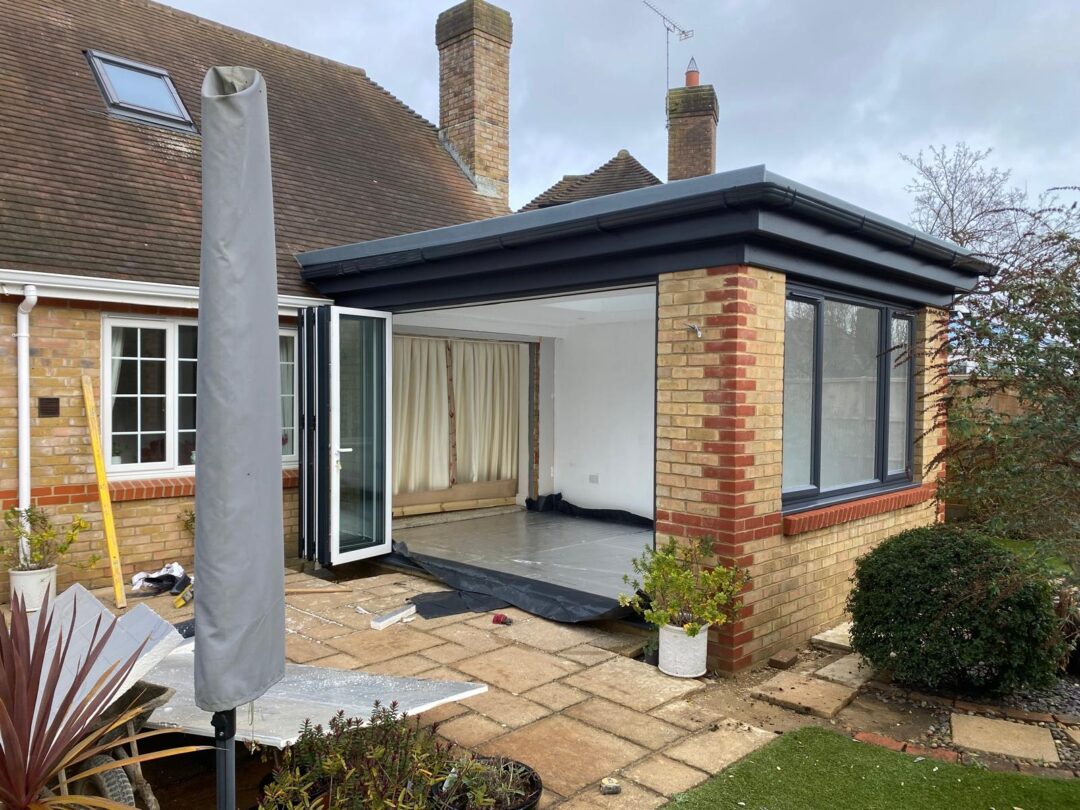
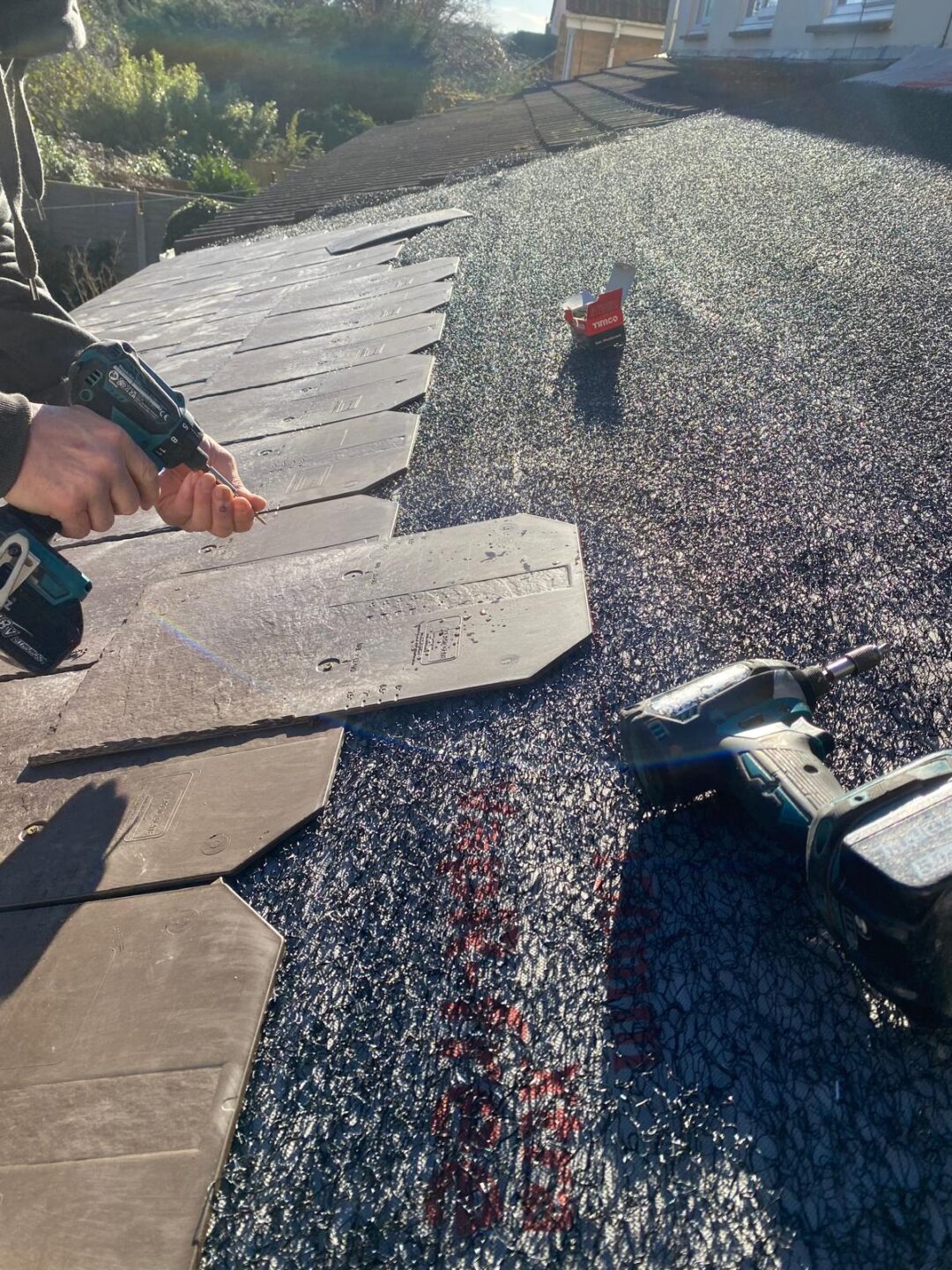
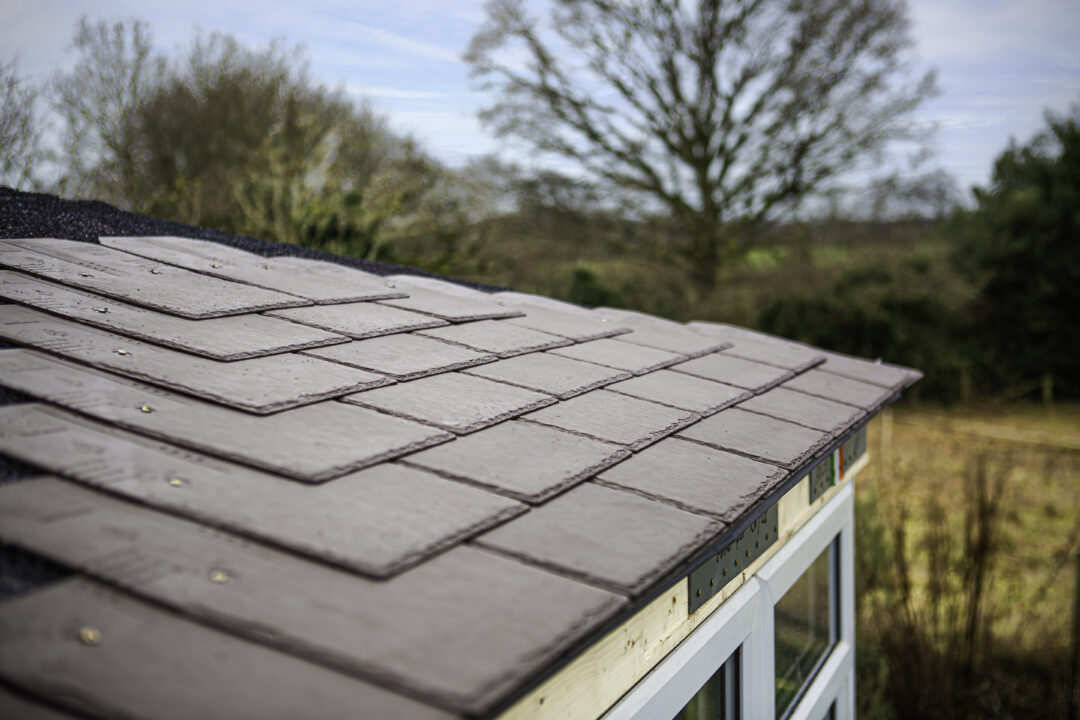
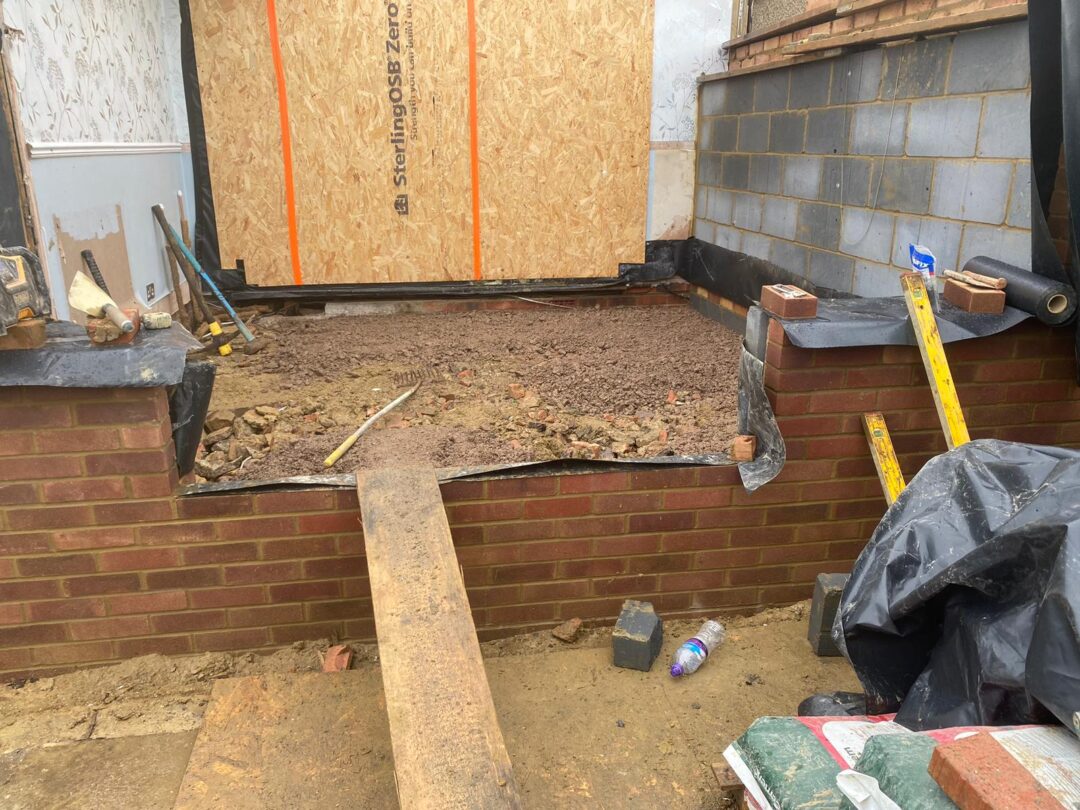
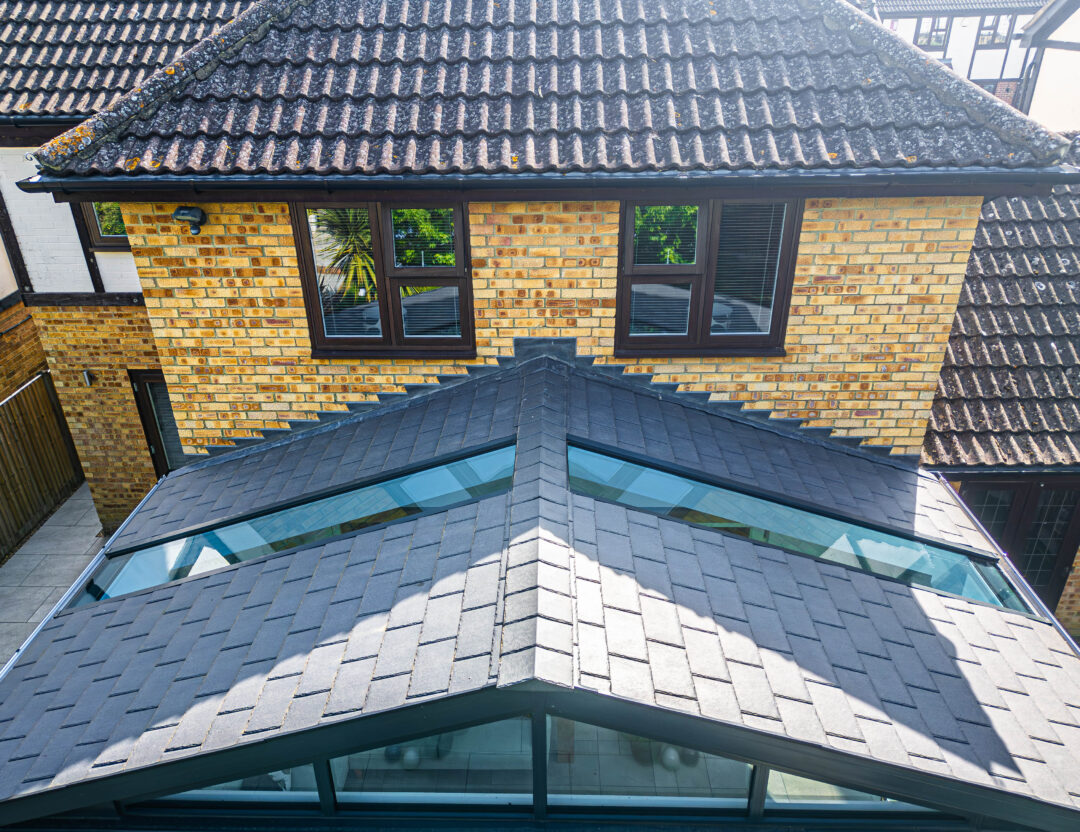
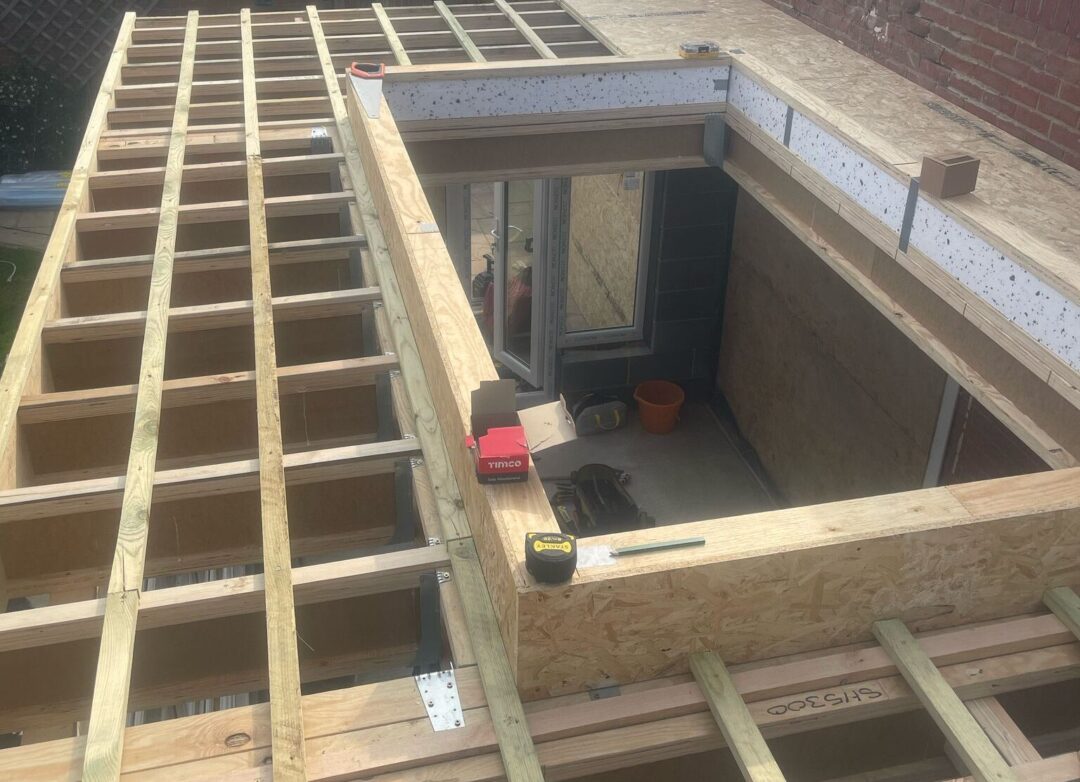
  • The conservatory structure has now been fully fitted with a smart modern lean-to design.
  • A box gutter and false back allow the roof to neatly join onto the existing bungalow roofline.
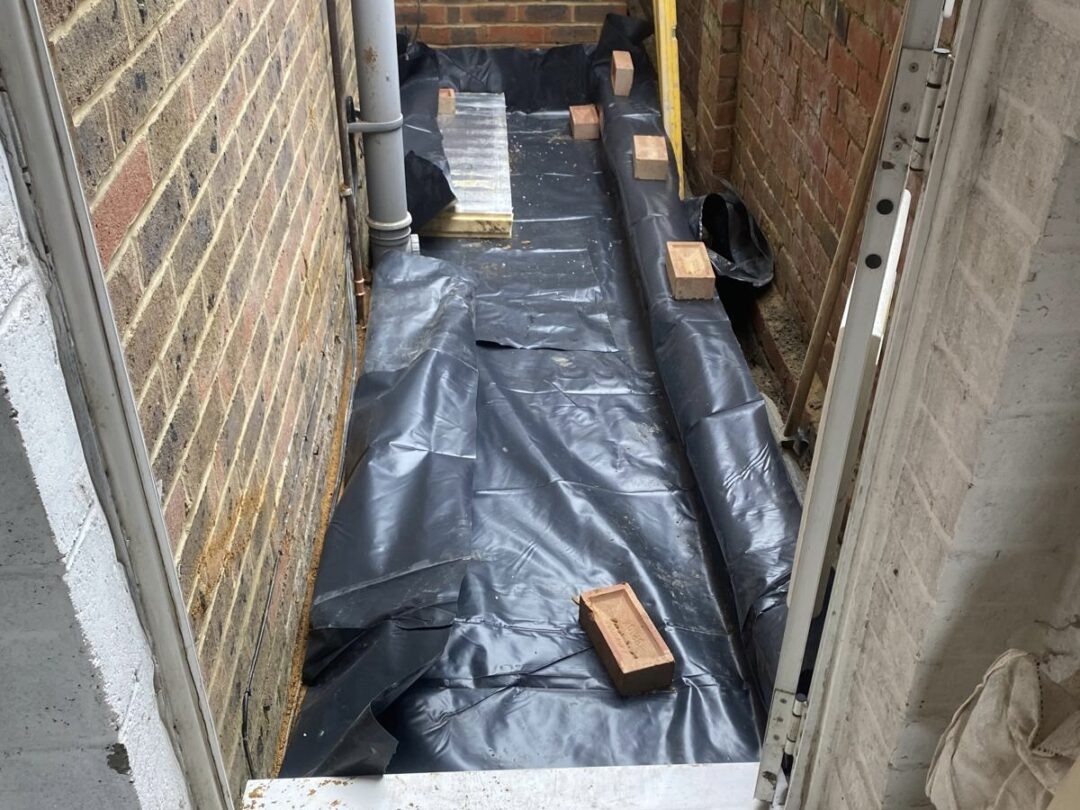
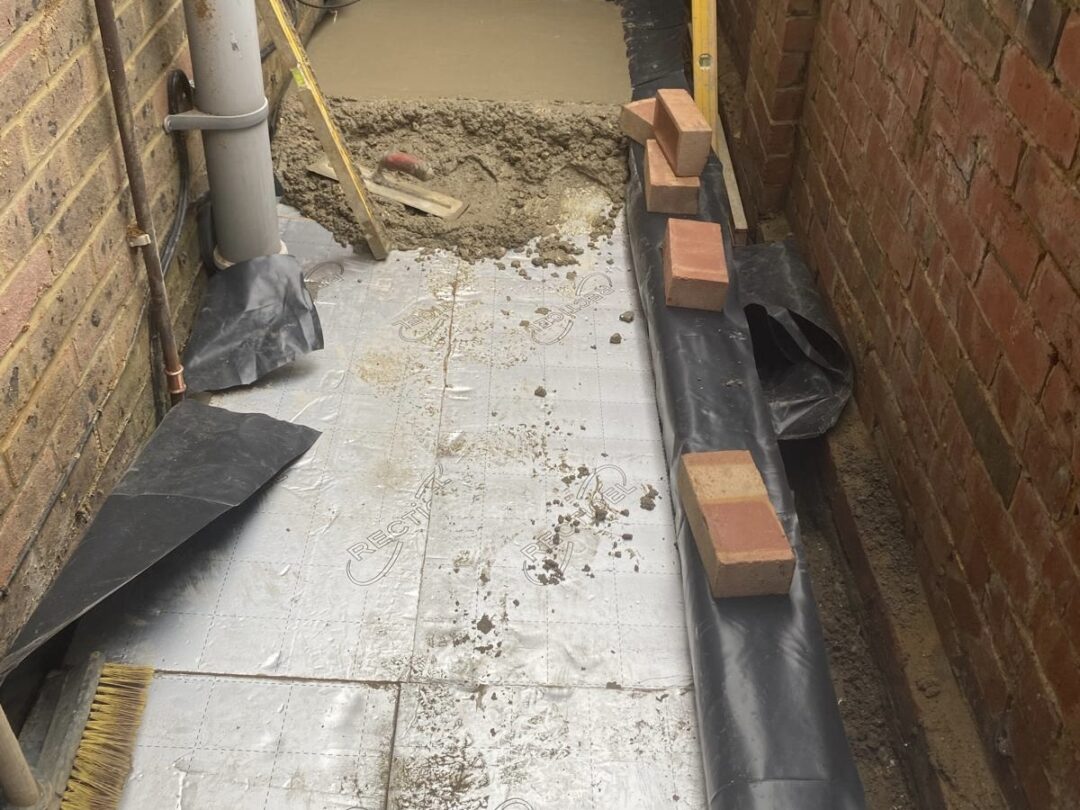
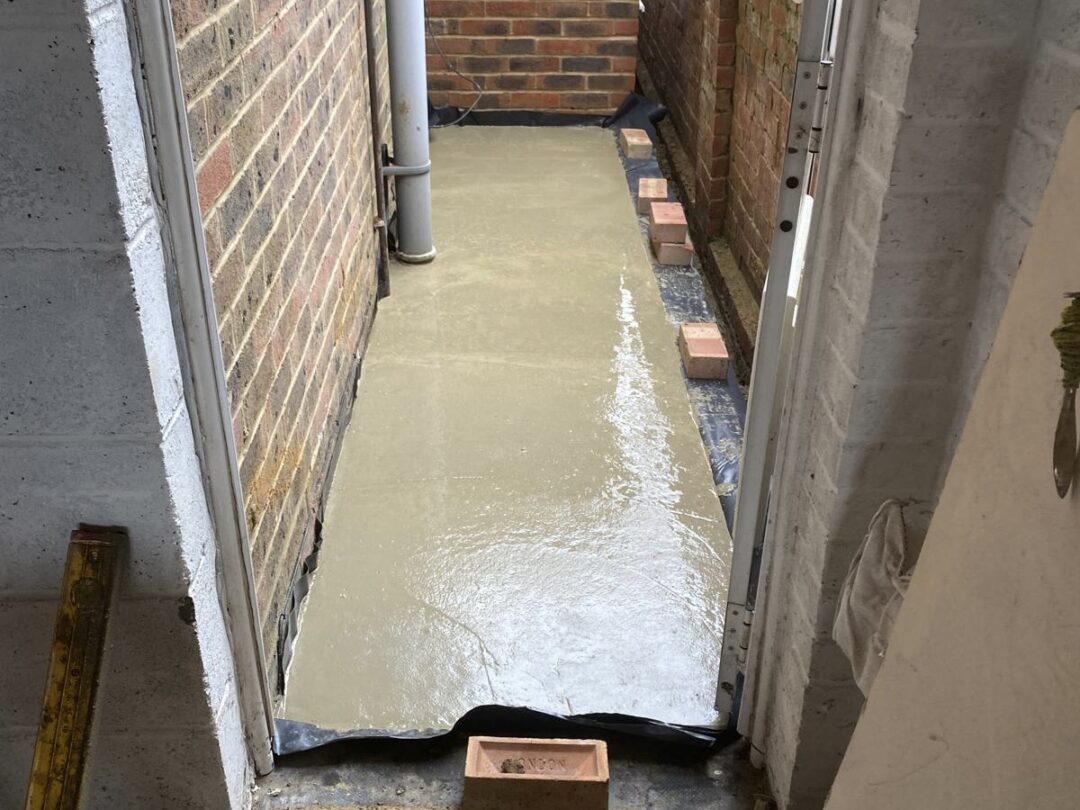
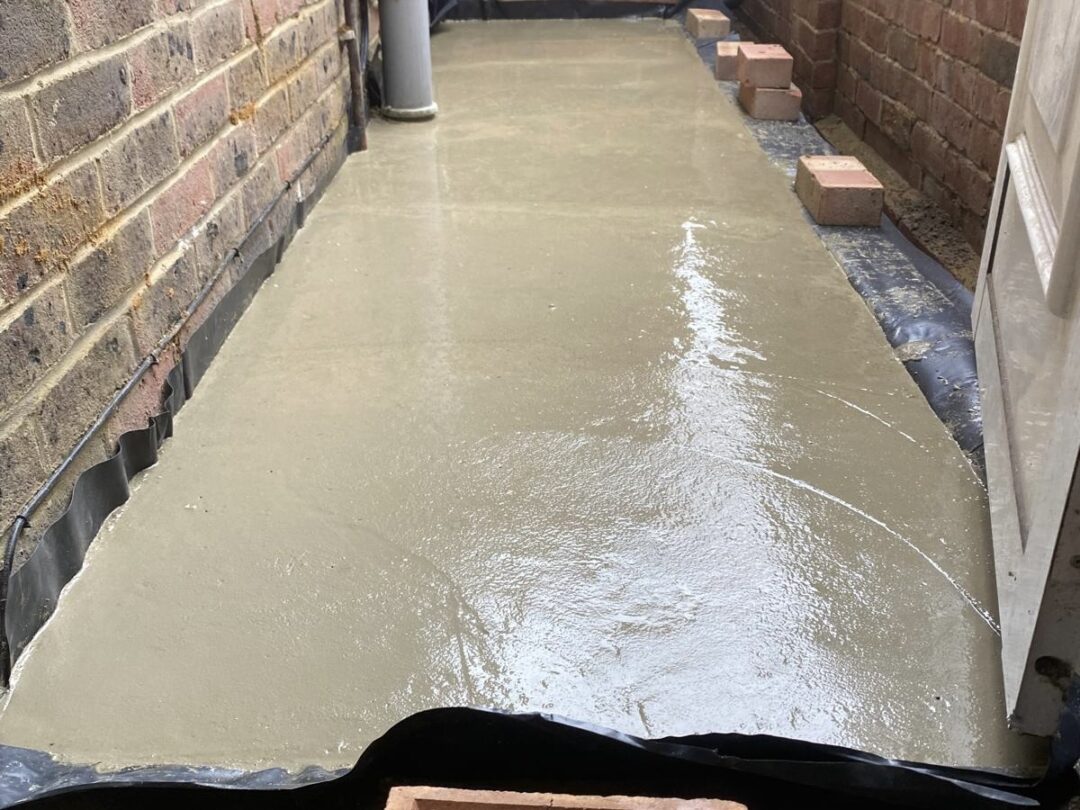
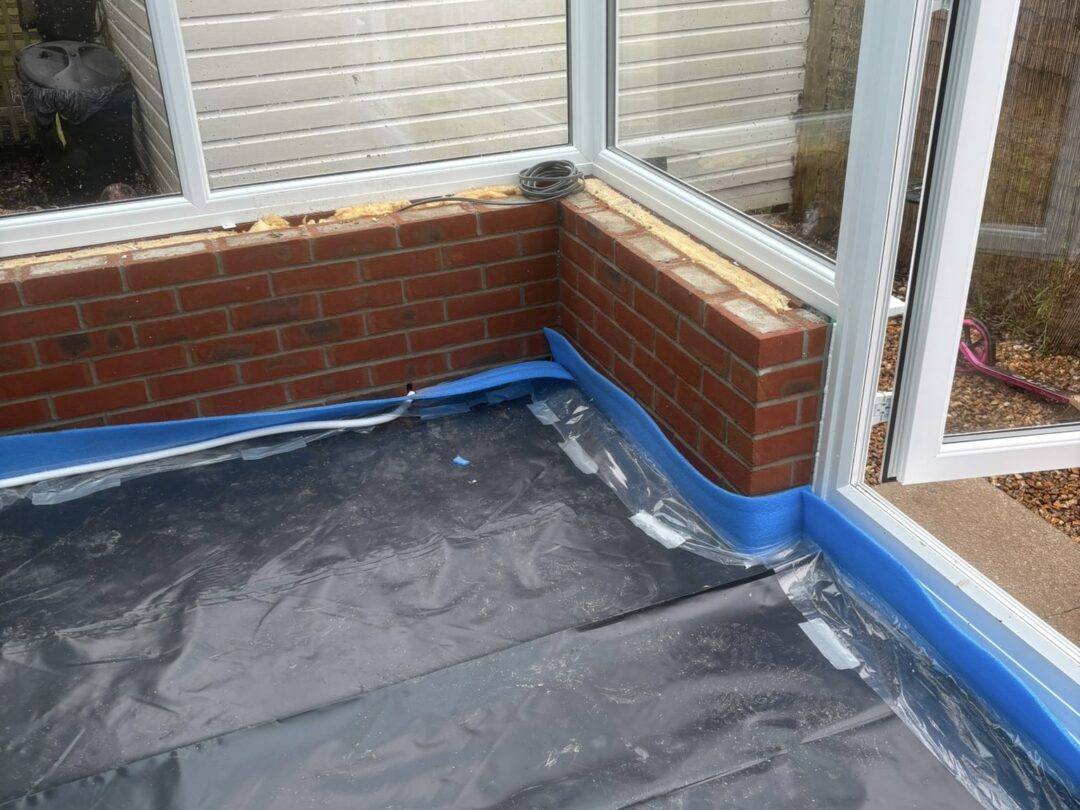
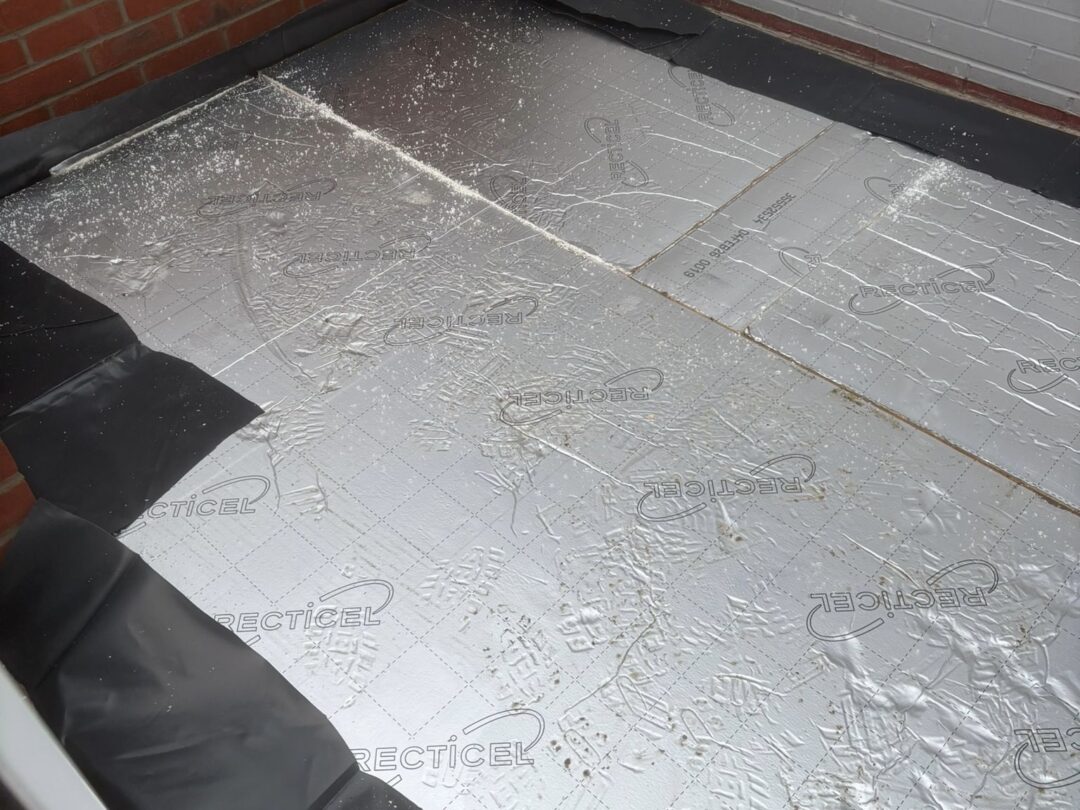
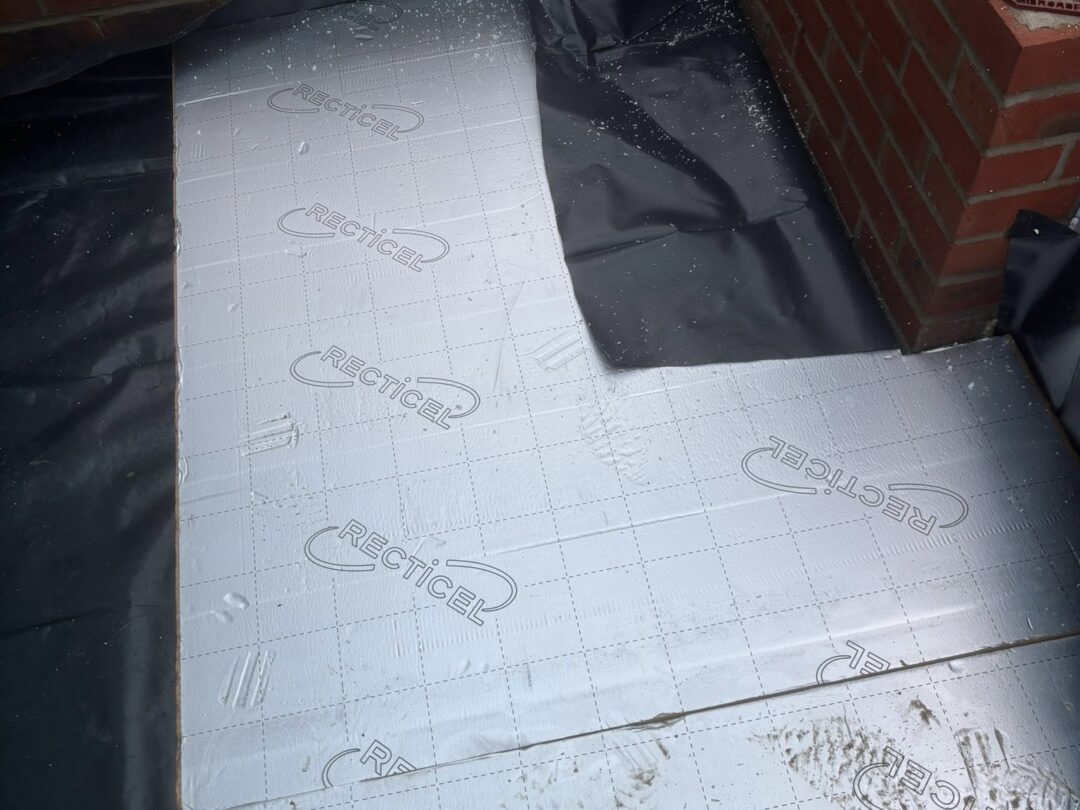
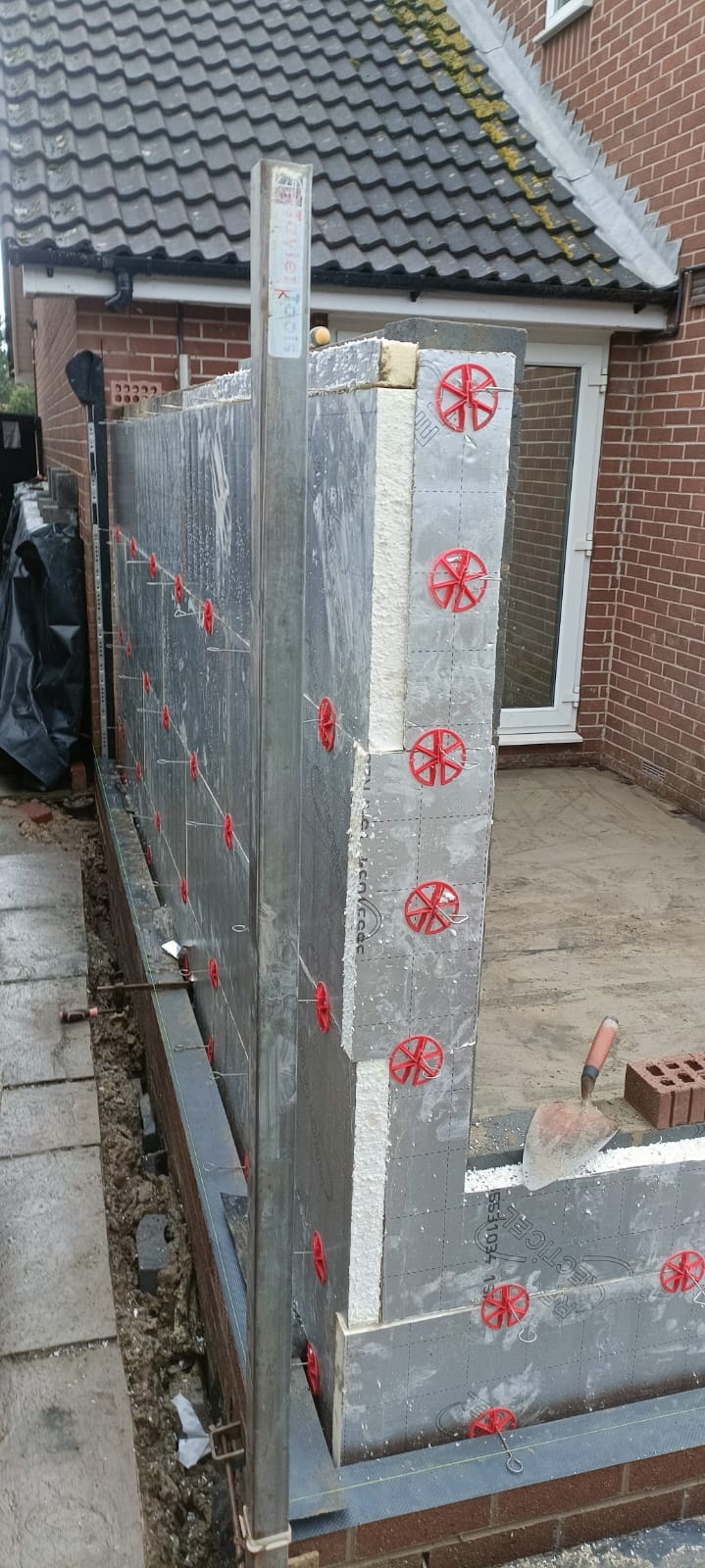
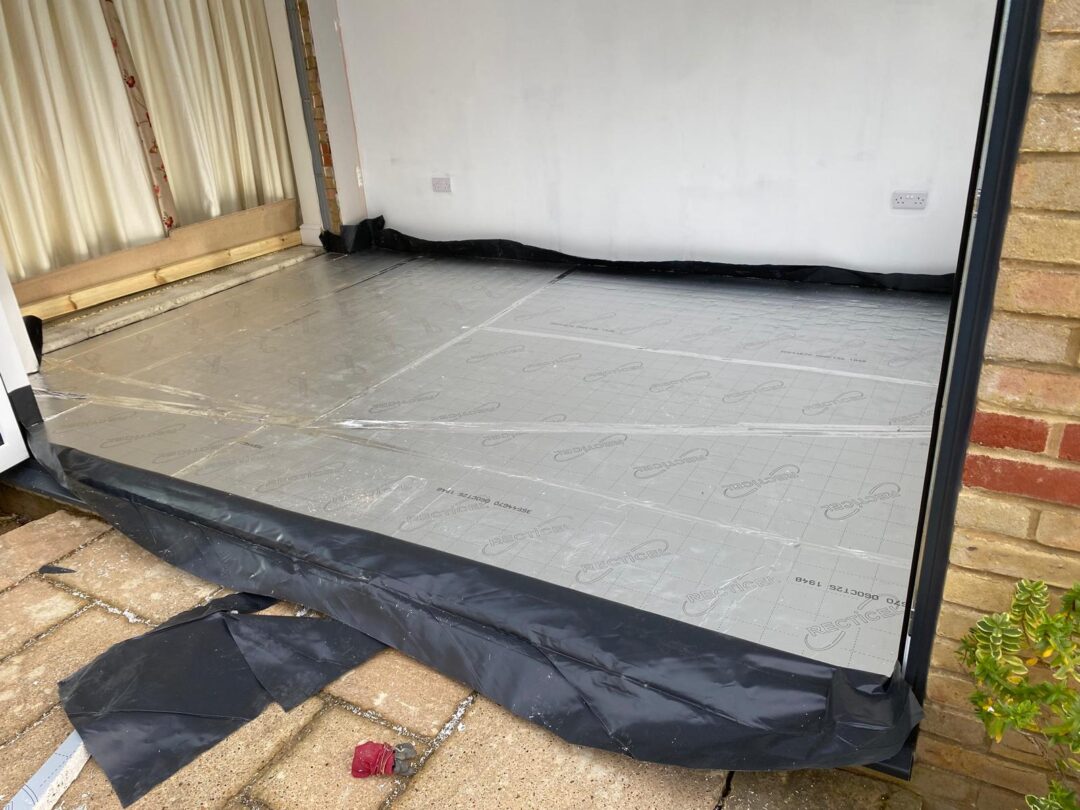
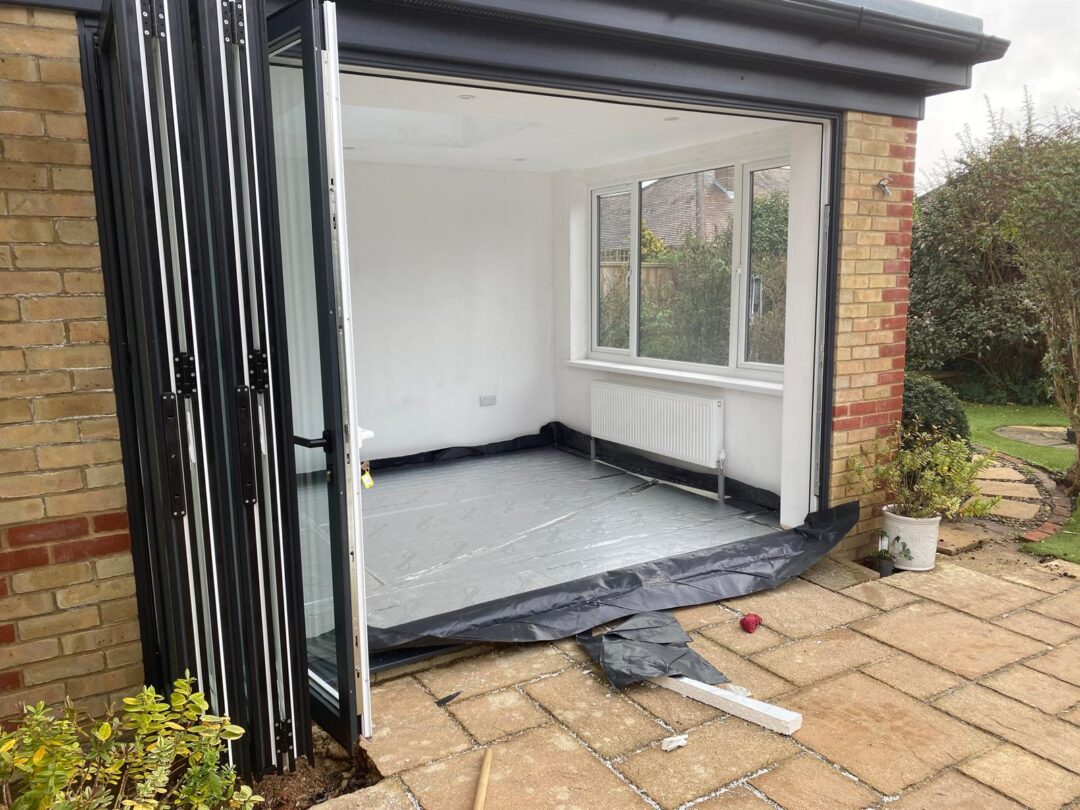
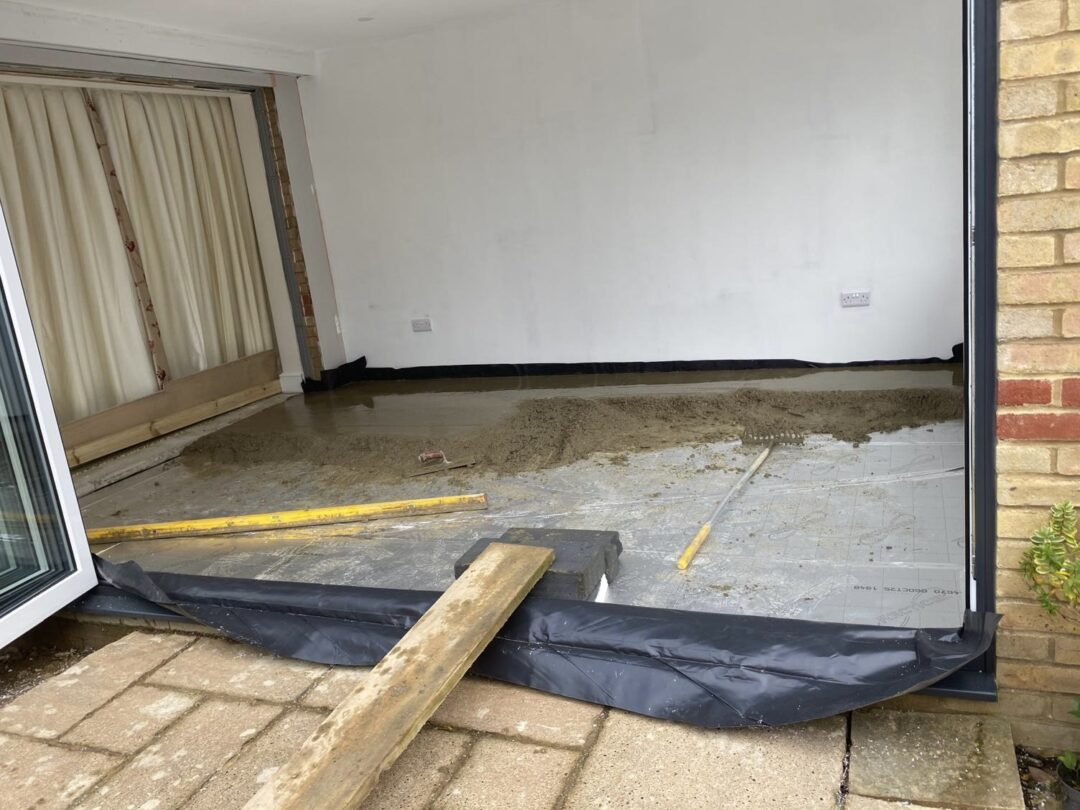
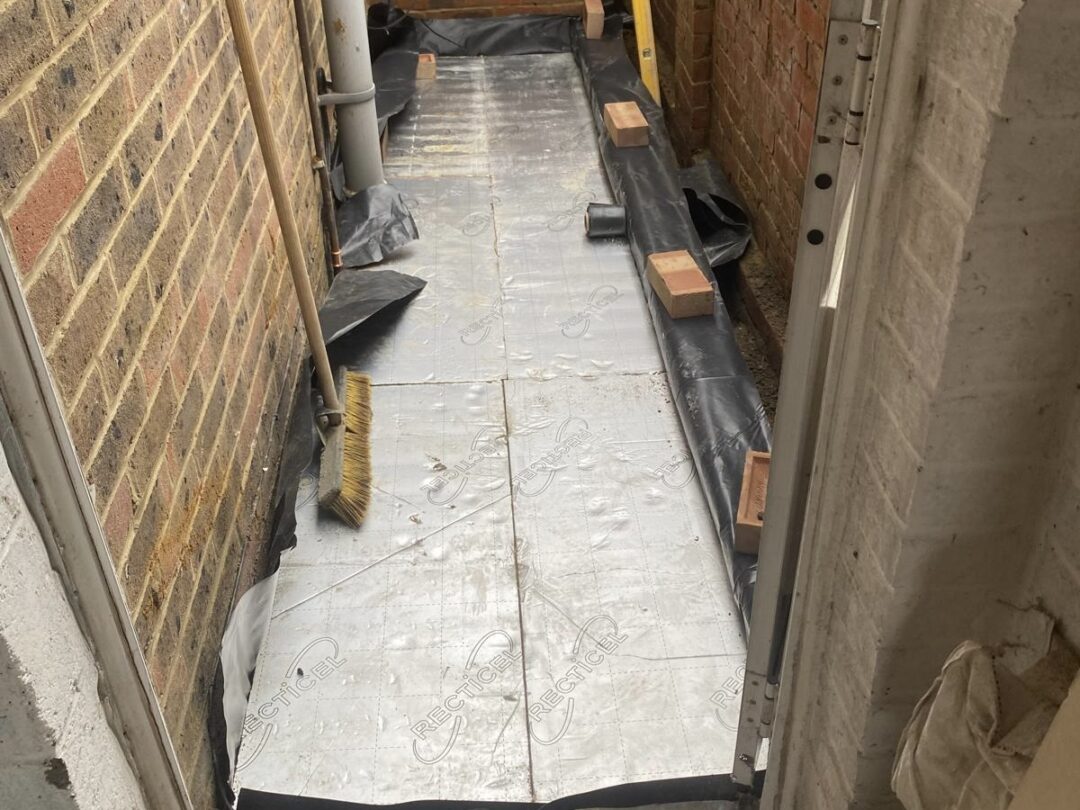
  • The base has now been damp-proofed and insulated, ensuring the space stays warm and dry, with insulated cavity walls creating a comfortable year-round room.
Southampton, Hampshire

Drainage Re-Routing Complete

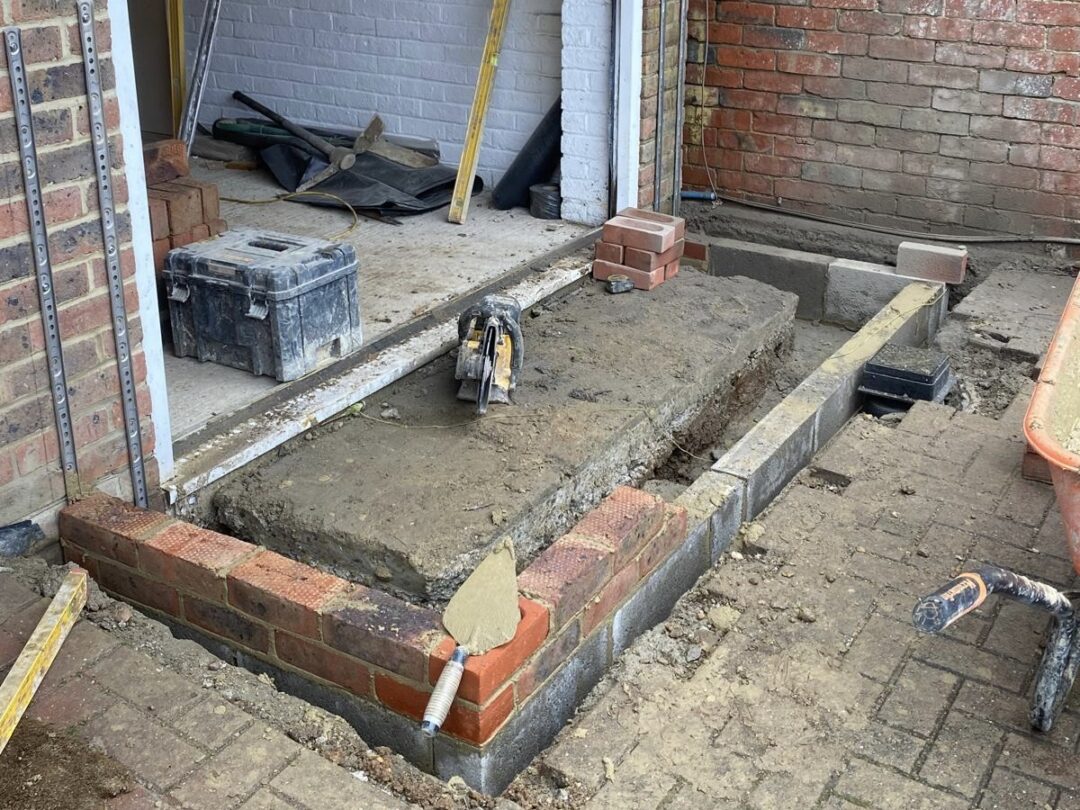
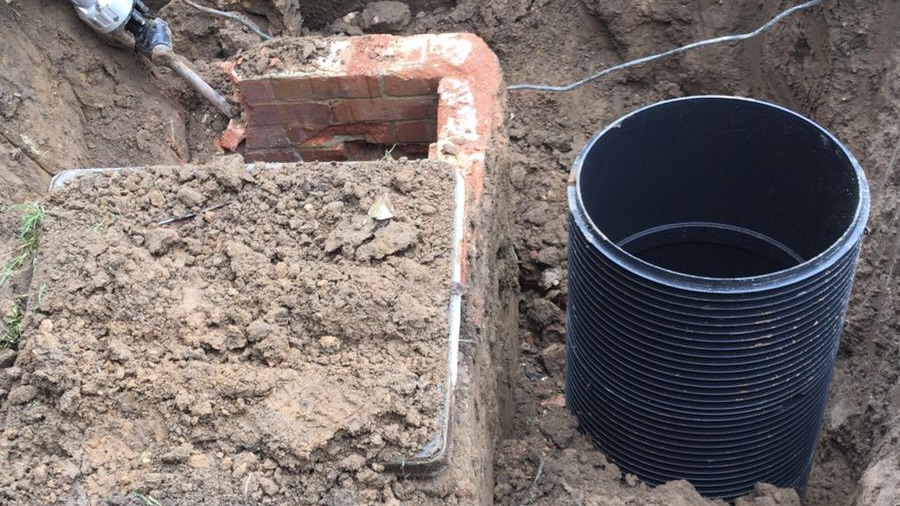
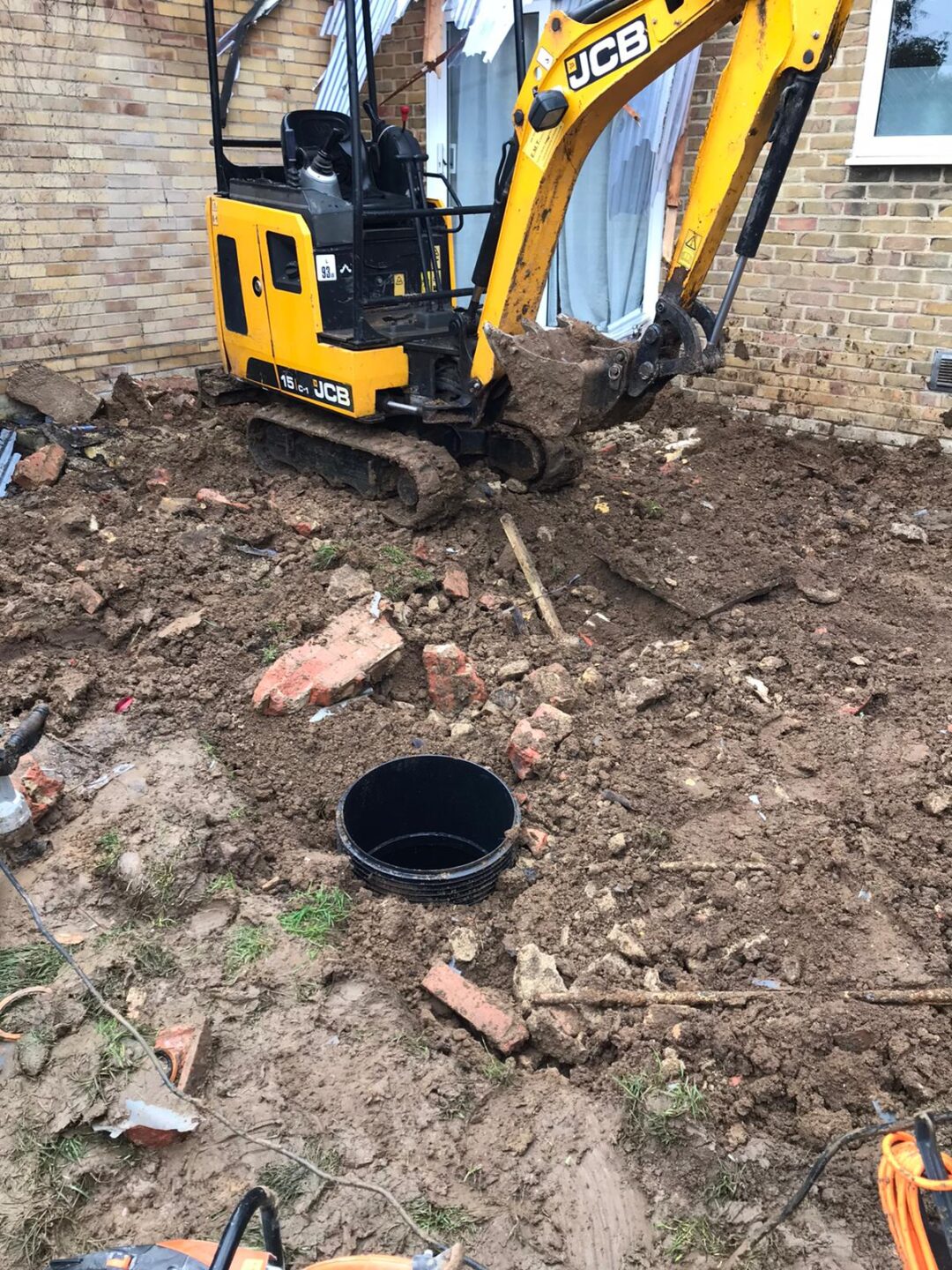
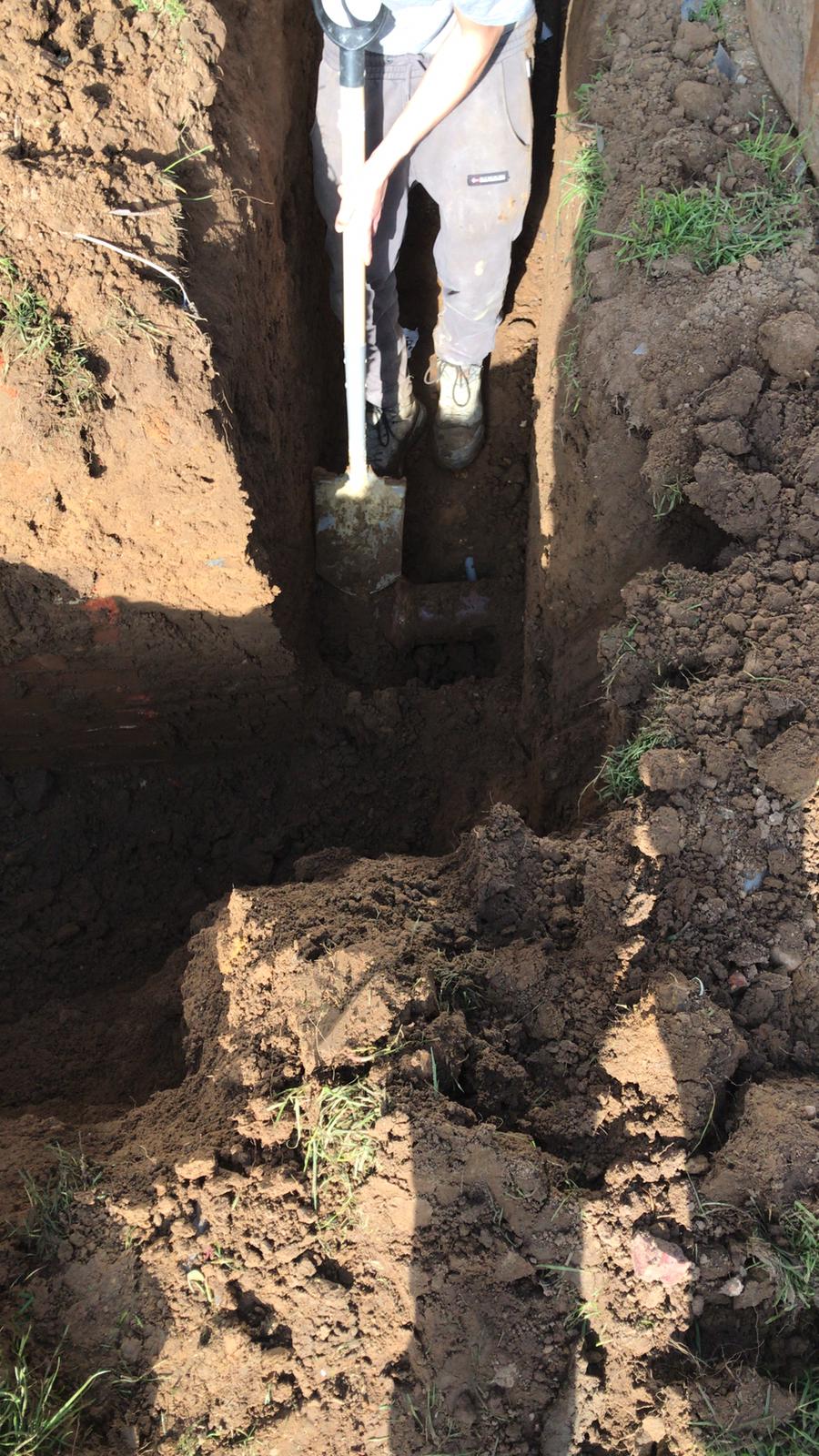
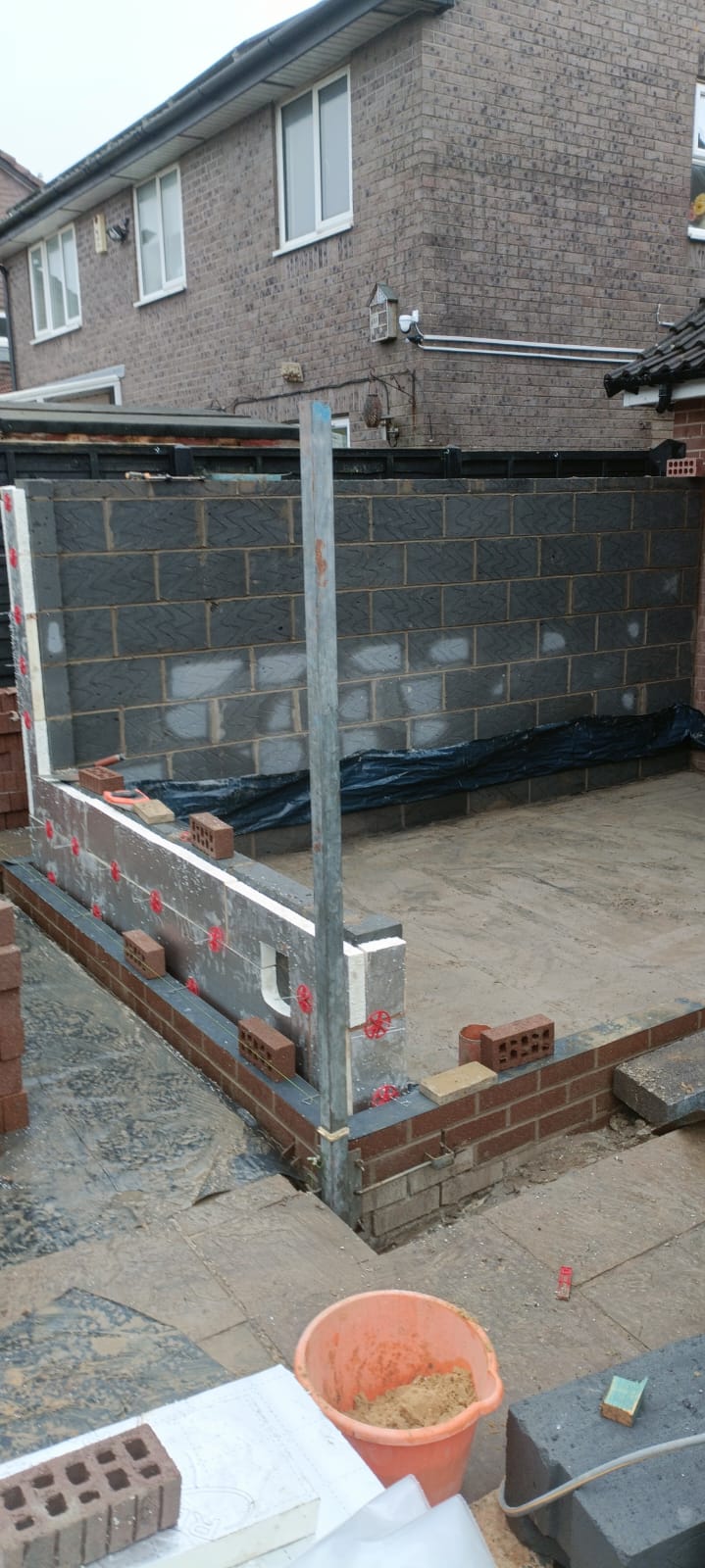
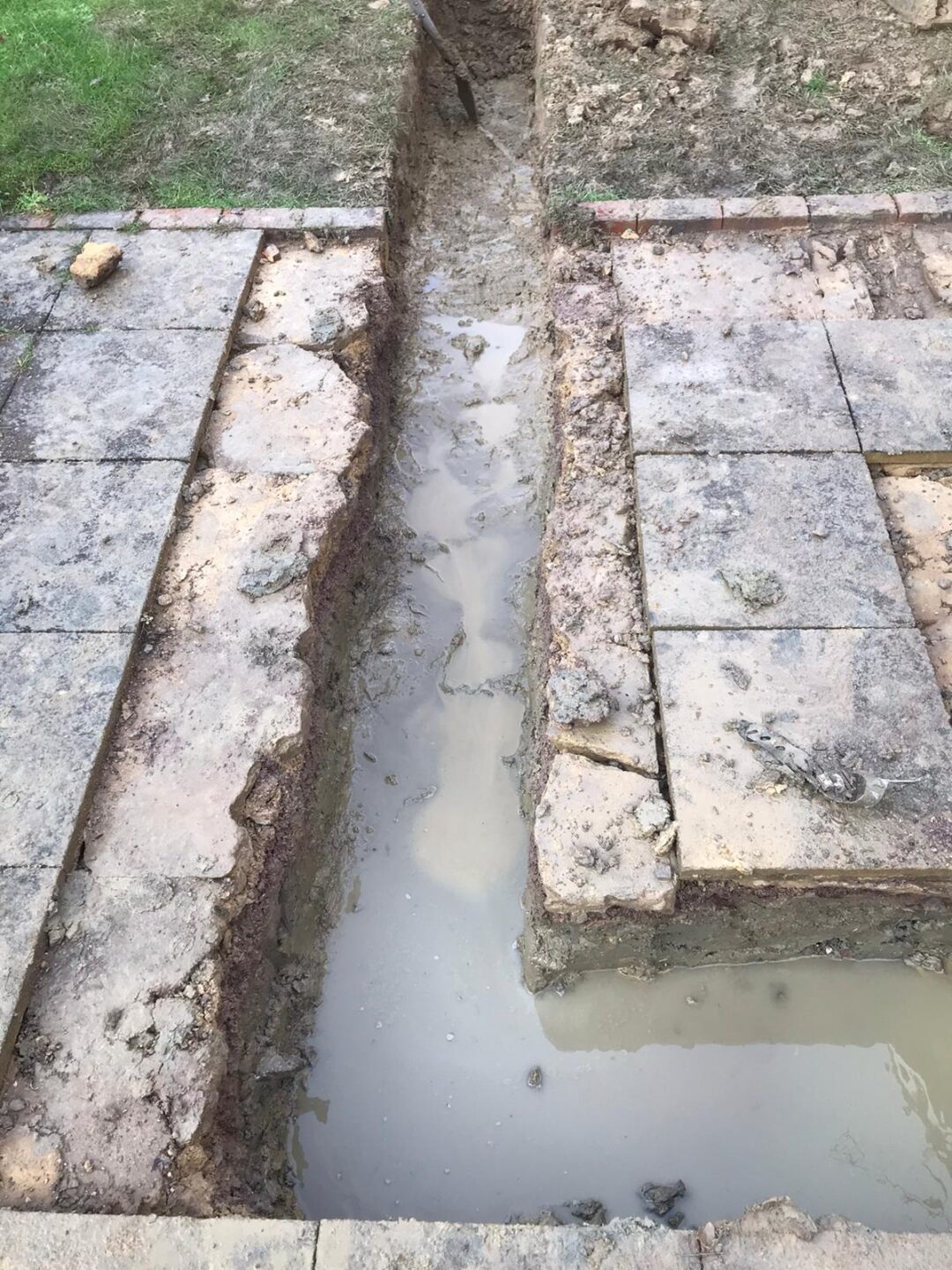
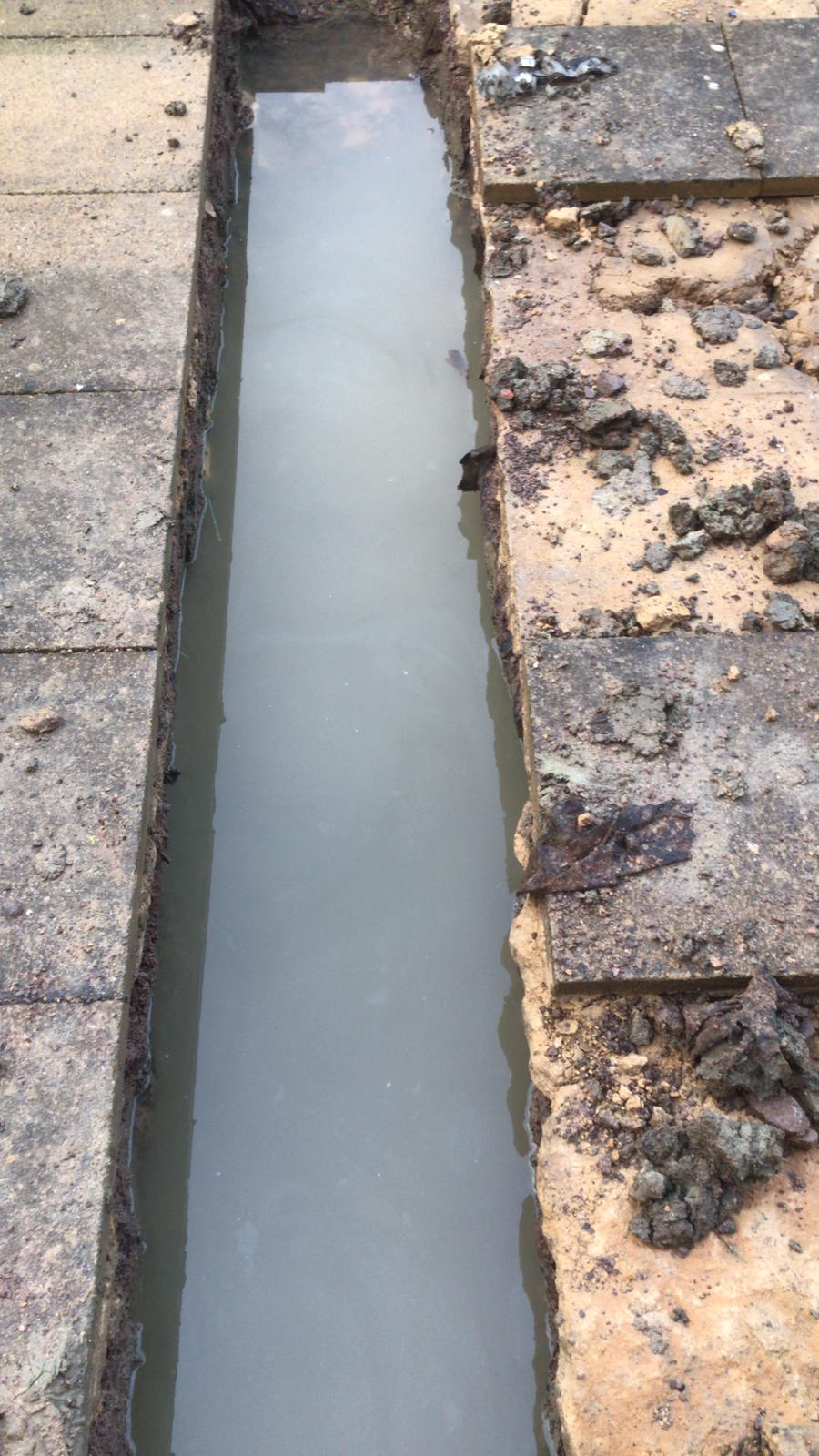
  • This project started with significant underground drainage work to reroute an existing sewer pipe.
  • Before starting, we secured a full build-over agreement from the water company and created a detailed plan for the work.
  • During installation we coordinated with neighbours to temporarily avoid pipe usage while connections were made, allowing the system to be rerouted and fully operational again by the end of the day with minimal disruption.
  • With the drainage now complete and better weather ahead, the structure can begin to rise quickly.

That’s a Wrap For This Week

That’s it for this week’s round-up! It’s always exciting to see these spaces take shape. From first foundations to final finishes. Whether you’re mid-project, just getting started, or simply gathering ideas, we hope these updates give you a clear view of what’s possible.

👉 Book a free 30-minute consultation with one of our team. We’ll help you explore ideas, understand the process, and see what’s possible for your home.

Check back next week for more real progress from real homes – From The Ground Up.

Find out more

Thinking About Your Own Project?

Speak with our design team about what’s possible for your home.
Archives for Max

Are Conservatories Still Worth It in 2026?

Modern glass, better insulation and smarter design mean today’s conservatories are very different from the ones that gave them a bad reputation.

last updated Mar 6, 2026
category Guides
Share with friends

Read time: 8-9 minutes

In South and South-West England, conservatories have had a mixed reputation over the last decade.

Many homeowners still picture the classic problems:
Too hot in summer.
Too cold in winter.
Used mainly for storage.

But the reality in 2026 is very different.

Modern conservatories use better glass, smarter design and improved construction methods that allow the space to be used far more comfortably throughout the year.

The key question is not whether conservatories are good or bad.

It is whether they are the right solution for your home and how you want to use the space.

This guide explains when a conservatory makes sense, what modern designs look like, and why many homeowners are choosing them again.

The Short Answer

  • Yes – conservatories are still worth it for the right type of homeowner.
  • They work best when the goal is adding a bright, garden-focused space cost-effectively.
  • Modern glass technology means they can be far more comfortable year round than older versions.
  • Most modern conservatories use dwarf walls and integrated designs, not full glass structures.
  • Colour, glazing and layout choices now allow them to feel much more like part of the house.

Conservatories are usually not the right choice if your main goal is a fully integrated, year‑round main living room with maximum insulation performance and huge knock‑through openings. In those cases, an orangery or extension is often a better fit.

At a Glance: What Modern Conservatories Do Well

  • Structure
    • Modern conservatories often use dwarf walls and proper base construction.
  • Light
    • They remain the best option for creating a bright space connected to the garden.
  • Cost
    • They are usually a more cost-effective option than a full extension or orangery.
  • Comfort
    • Solar-control glass dramatically improves temperature control.
  • Style
    • Frame colours, glazing choices and design details allow conservatories to blend with modern homes.

Each of these points is explained in detail below.

Who Conservatories Are Best For

A conservatory is usually the right choice if you:

  • Want a bright room that feels connected to the garden
  • Need extra living space without the cost of a full extension
  • Plan to use it as a dining area, sitting room or relaxation space
  • Prefer a lighter, more open feel rather than a heavily built room
  • If your goal is a light‑filled garden‑facing space at a sensible cost, a modern conservatory is often the best solution.

If your goal is a light-filled space that enjoys the garden, conservatories remain one of the best solutions.

How much do modern conservatories cost in 2026?

For most quality installations in the South and South‑West of England, a modern conservatory is a significant investment rather than a “cheap extra room.”

As a broad guide, most of the conservatories we’ve installed over the last 12 months have sat between £18,000 and £25,000, with simpler designs at the lower end and a small number of larger or more complex projects above that. 

The main things that drive cost are:

  • Size and shape
    • A larger footprint, unusual shapes, or complex roof lines increase materials and labour.
  • Glass and roof specification
    • Choosing modern solar‑control glass (for better comfort) and higher‑performance frames costs more than basic glazing, but it usually pays off in how often you can comfortably use the room.
  • How it ties into the house
    • If we are simply adding a garden‑facing room with minimal changes to existing walls, costs are lower.
      As soon as you have big knock‑throughs, steelwork, or structural alterations, the price increases.
  • Groundworks and access
    • Poor access, difficult ground conditions, or drainage changes can add to the build cost.

Compared with other options:

  • A conservatory is typically the most cost‑effective way to add a bright, garden‑facing room.
  • An orangery or full extension usually costs more for the same footprint because there is more solid structure, insulation and internal finishing involved.

We are not the cheapest option on the market, and we don’t aim to be. Cutting the price to match the lowest quote usually means compromising on glass specification, structure or aftercare, which is how you end up with the classic “too hot / too cold” room that isn’t really used. 

If you are trying to budget, a useful starting point is:

  • Decide the rough size of room you want.
  • Assume a quality conservatory in our area will sit in that £18,000-£25,0000+ band.
  • Then have a design consultation to refine the specification and get an accurate fixed quote for your property.

The Biggest Change: Modern Glass Technology

One of the biggest reasons older conservatories developed a bad reputation was the glazing.

Traditional glass and polycarbonate roofs allowed too much solar heat gain in summer and too much heat loss in winter.

Today most of our customers choose active sunshade blue glass.

This solar-control glass:

  • Reflects excess solar heat
  • Reduces glare
  • Improves temperature stability

This single upgrade makes a significant difference to how comfortable the room feels throughout the year.

While no glazed room behaves exactly like a solid extension, modern glass allows conservatories to be far more usable than many homeowners expect.

Why Modern Conservatories No Longer Look Like “Greenhouses”

The all-glass structures common in the 1990s are far less popular today.

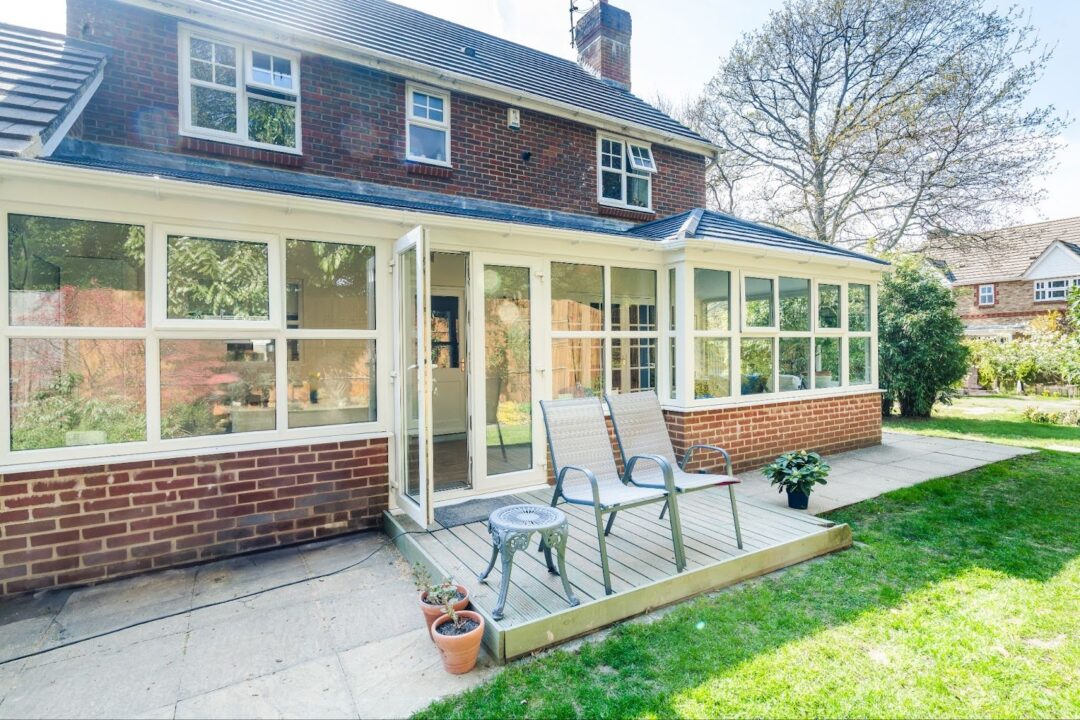
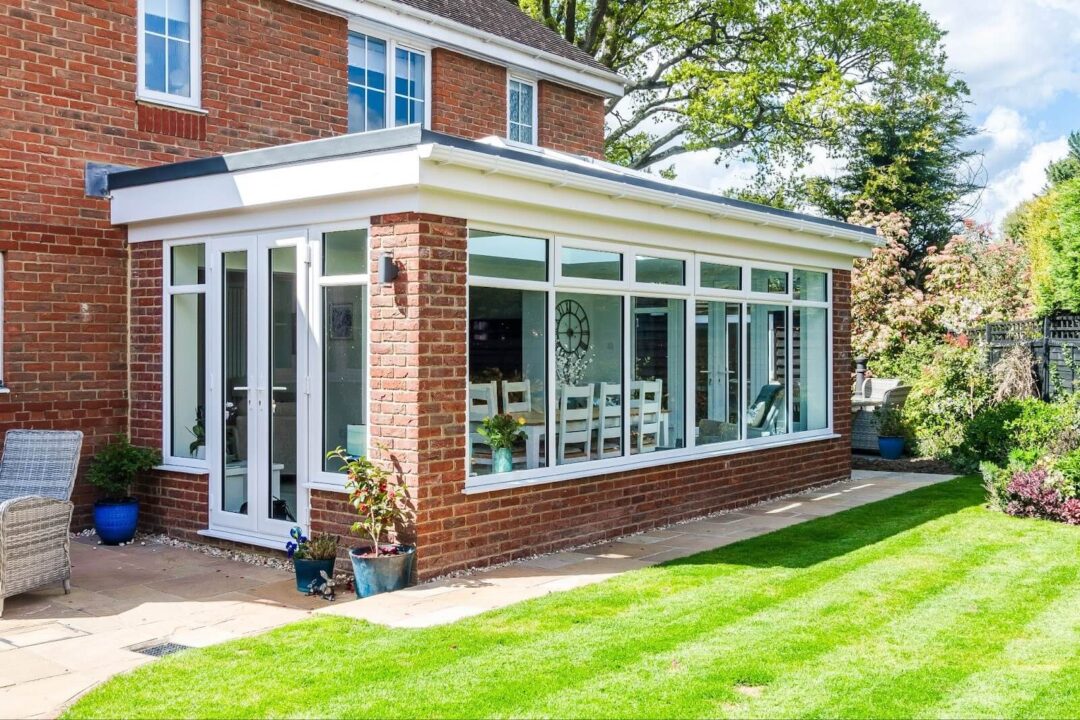
Most modern conservatories now include dwarf walls.

A dwarf wall:

  • Visually ties the structure into the house
  • Creates a more solid appearance
  • Allows space for double power sockets
  • Provides a window ledge for plants, decorations or photographs

These small design changes help the room feel much more like part of the home rather than a bolt-on glass structure.

Colour Choices That Change the Character of the Space

Another major change in recent years is the variety of frame colours available.

White remains popular, but many homeowners now choose colours that better suit their property.

Common choices include:

Grey or black
Creates a modern, architectural look that suits contemporary homes.

Chartwell green
A softer traditional colour that adds character and works well with older properties.

Frame colour can dramatically change how the conservatory integrates with the house.

When a Conservatory Is the Right Solution

A conservatory often works best when:

  • The goal is a bright garden-facing space
  • Budget is important
  • Planning constraints make extensions difficult
  • You want to create a secondary living area

For these situations, a conservatory can deliver excellent value.

If you’re in the South or South‑West and this sounds like what you’re after, you can book a free 30‑minute design review by clicking here.

We’ll look at your home, budget and timings, and tell you honestly whether a conservatory, orangery or extension is the better fit.

When Another Structure May Be Better

There are situations where other structures may be more appropriate.

For example:

  • When you want the room to feel like a fully integrated part of the house
  • When insulation performance is the top priority
  • When the design requires large internal knock-through openings

In those cases, homeowners often consider orangeries or full extensions instead.

How to Avoid Classic Conservatory Mistakes

Most of the horror stories you hear about conservatories are not because “conservatories are bad.”  

They come from rushed design, the wrong specifications, and too many different trades all pulling in different directions.

If you want a space you actually use and enjoy, these are the classic mistakes to avoid.

Mistake 1: Choosing on Price Alone

The fastest way to end up with a too‑hot, too‑cold room is to pick the cheapest quote and hope for the best.

Very low prices usually mean compromises somewhere: glass quality, base construction, drainage, or aftercare. Those savings rarely look like savings a few years down the line.

What to do instead

  • Compare like‑for‑like specifications, not just totals.  
  • Make sure each quote clearly lists the glass type, frame system, base construction and finishing.
  • Treat “suspiciously cheap” as a warning sign, not a bargain.
Mistake 2: Using the Wrong Glass and Roof for Your Home

Older conservatories often used basic glass or polycarbonate roofs that let in too much sun in summer and lost too much heat in winter.

If you don’t match the glass and roof design to your home and its orientation, you risk repeating those problems.

What to do instead

  • Specify modern solar‑control glass for the roof and key elevations.  
  • Take orientation into account: south‑facing and exposed gardens usually need more solar control than shaded plots.  
  • Ask for U‑values and real examples of similar installations, not just brand names.
Mistake 3: Cutting Corners on the Base and Structure

You don’t see the base once the room is finished, which is why it’s an easy place for “cowboy” builders to save time and money.

Poor foundations, drainage and tying‑in to the existing house can lead to movement, leaks and long‑term issues.

What to do instead

  • Insist on proper groundworks, foundations and base construction, not just “it’ll be fine.”  
  • Make sure the design considers drainage, existing services and any building control requirements.  
  • Use installers who can explain exactly how the new structure will connect back to your house.
Mistake 4: Treating It as a Bolt‑On, Not Part of the Home

A lot of older conservatories feel like greenhouses because they were designed as separate add‑ons rather than as part of the overall layout.

That often means awkward doors, wasted corners and a room that’s hard to furnish.

What to do instead

  • Plan the room around how you will actually use it: dining, relaxing, second living space, etc.  
  • Think through furniture layout, power sockets, lighting and sightlines to the garden.  
  • Use dwarf walls, frame colours and finishes that visually tie the room back into the main house.
Mistake 5: Having No Single Point of Accountability

One company does the survey, another supplies the frames, a third does the base, a fourth handles electrics. When something goes wrong, everyone can blame someone else.

That is where a lot of stress and delays come from.

What to do instead

  • Wherever possible, work with one company that designs, specifies and manages the whole project.  
  • Make sure you have a single named contact responsible for coordinating trades, timelines and aftercare.  
  • Ask what happens if there is a snag after completion and who takes ownership of putting it right.

This is one of the main reasons many homeowners in the South and South‑West choose a fully managed service: they want one team to handle the design, specifications, installation and aftercare, rather than managing multiple trades themselves.

Real Example: A Modern Conservatory that works year-round

Rudgewick, West Sussex

Who the homeowners were & what they wanted

This project was for a couple living in a characterful home in Rudgwick, West Sussex.
They wanted a bright garden room where they could relax and enjoy the view, without committing to the cost and disruption of a full extension.

Their main concerns were the same ones many homeowners have:

  • Conservatories being too hot in summer and too cold in winter
  • Avoiding poor workmanship or “cowboy” installations

Keeping the project within a sensible budget

Why a conservatory made more sense than an orangery or extension

The homeowners considered several options, including an orangery or small extension.

In this case, a conservatory made more sense because the goal was to create a light-filled space that maximised views of the garden, rather than a heavily built structure.

A conservatory also allowed them to achieve this at a lower cost and with less disruption than a full extension.

Site, orientation & design constraints

The property already had a rear extension, which meant planning permission was required for the new structure.

The house also had strong architectural character, so any addition needed to:

  • Respect the existing style
  • Avoid looking like a modern bolt-on
  • Maintain clear views of the garden

These constraints shaped the final design.

The Design Choices That Made It Comfortable

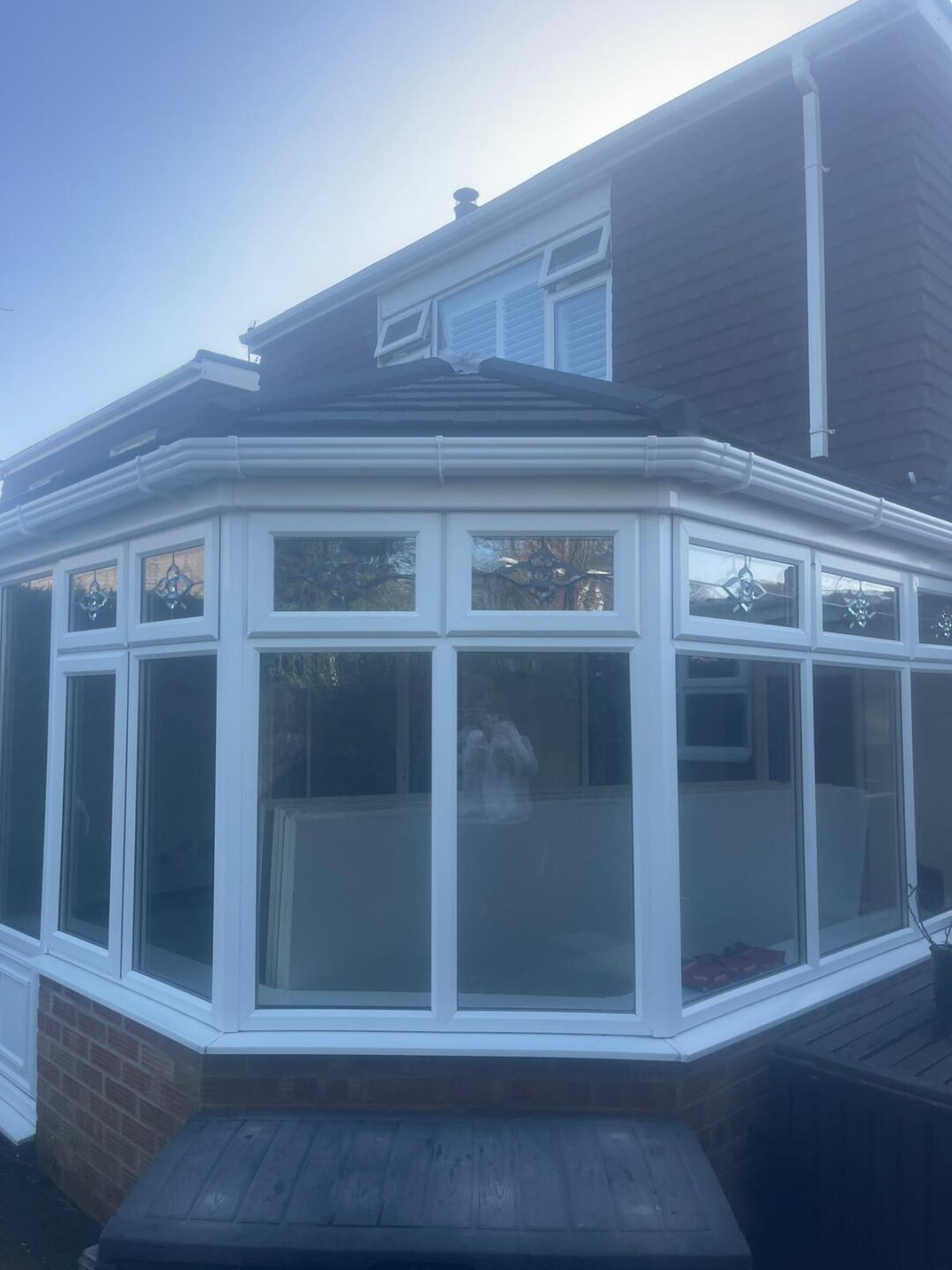
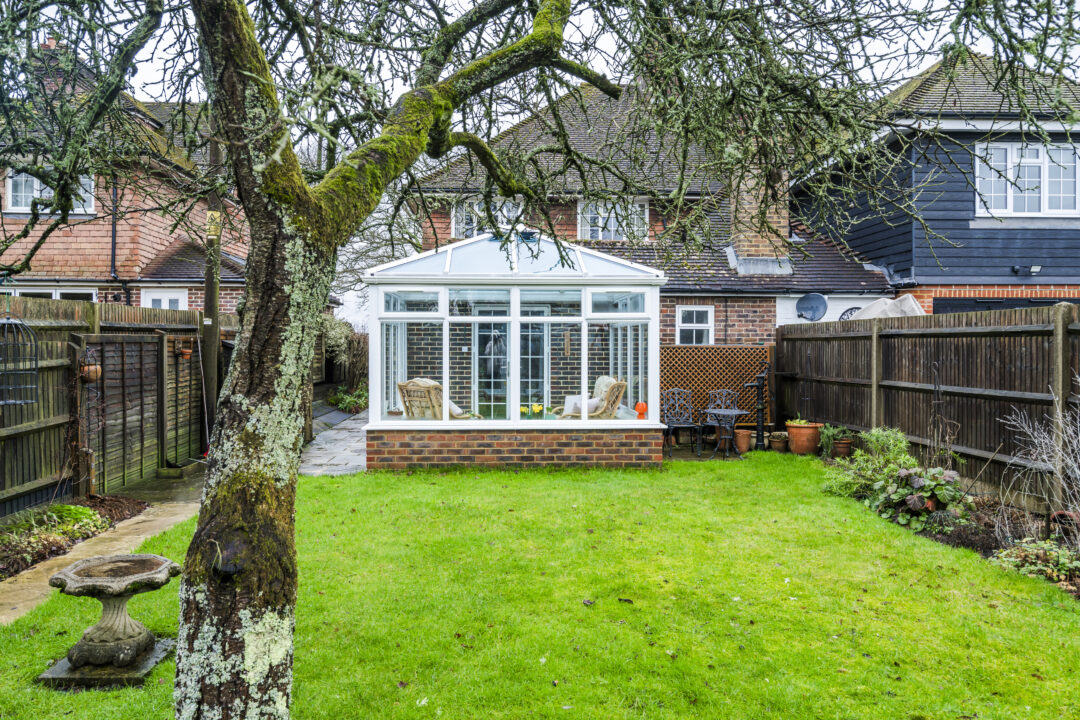
We recommended a Double Edwardian conservatory, which allowed the new structure to connect neatly to the existing extension while increasing ceiling height and light.

Key design choices included:

  • Solar control glass to reduce overheating and improve comfort
  • Dwarf walls to give the conservatory a solid, integrated appearance
  • Carefully matched brickwork so the structure blended with the house
  • Large panes of glass to remove visual barriers and frame the garden views

The dwarf walls also created space for electrics, heating, and a window ledge for plants, which the homeowners specifically wanted.

Build Experience & Avoiding the “Cowboy” Problems

The project was managed from start to finish by a single team, covering design, approvals and construction.

Planning permission was handled before work began, and the installation was scheduled to minimise disruption to the household.

Because the design had been carefully planned upfront, the build progressed smoothly and without major issues.

The Outcome: How They Use the Space Now

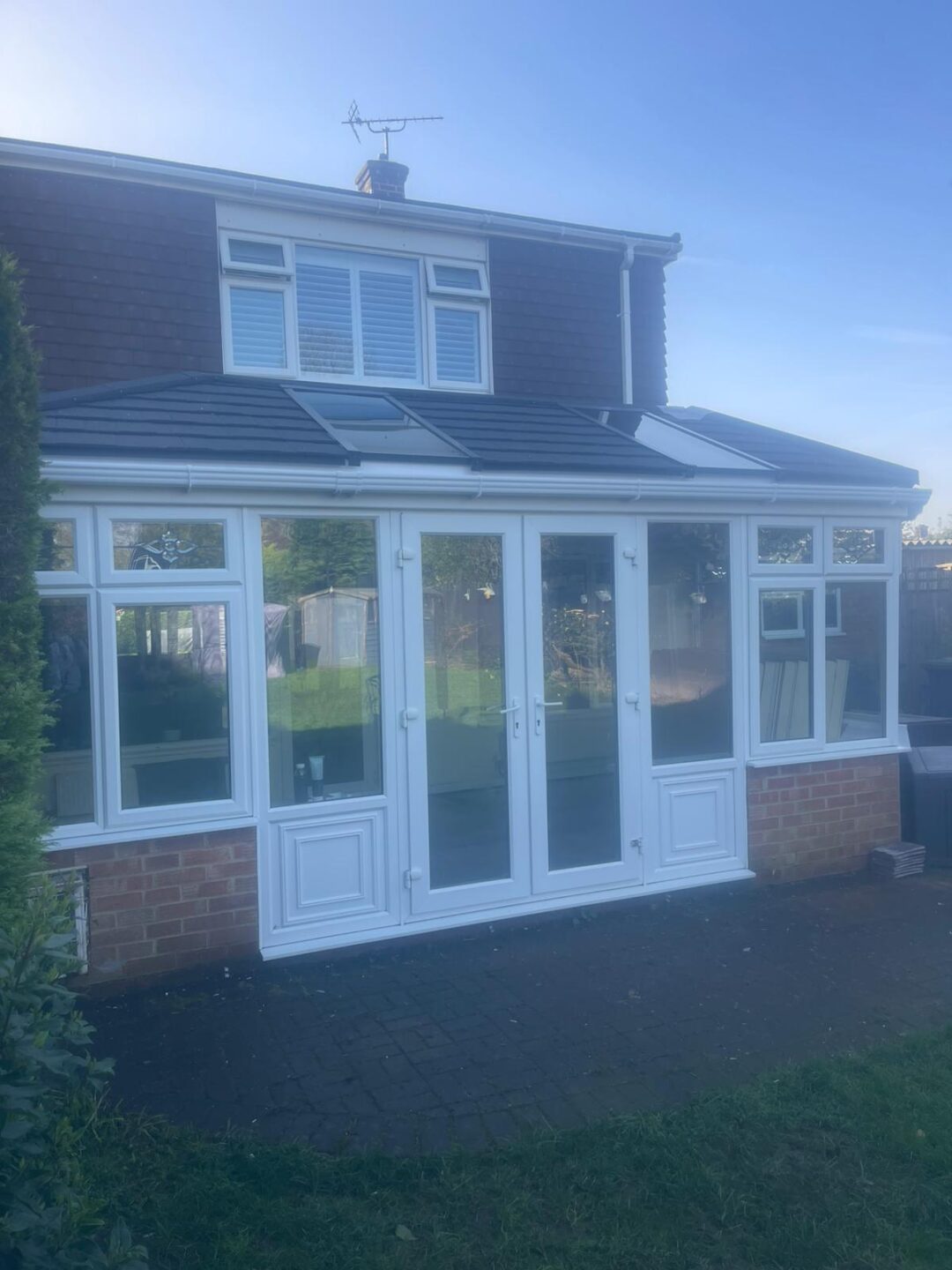
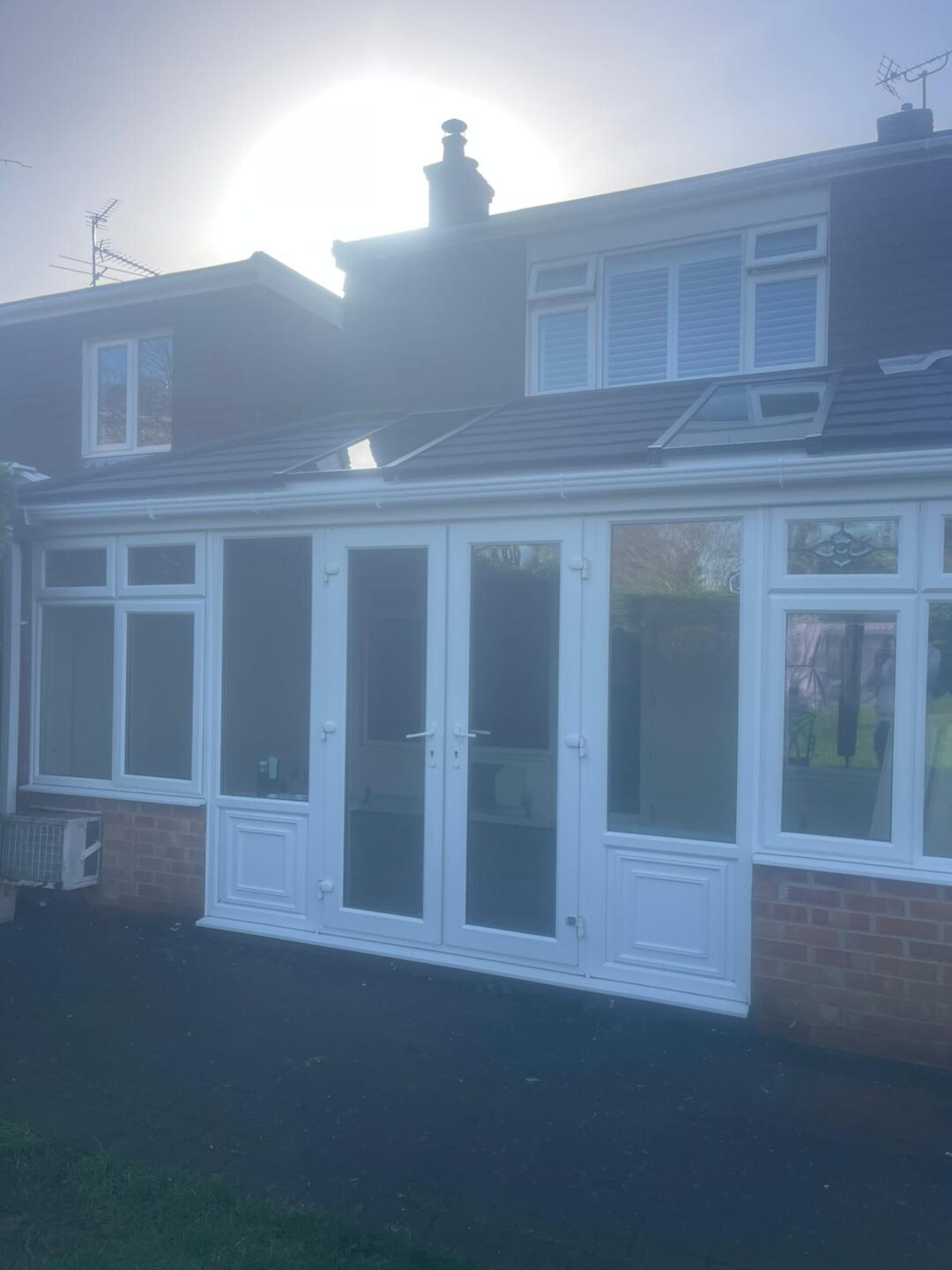
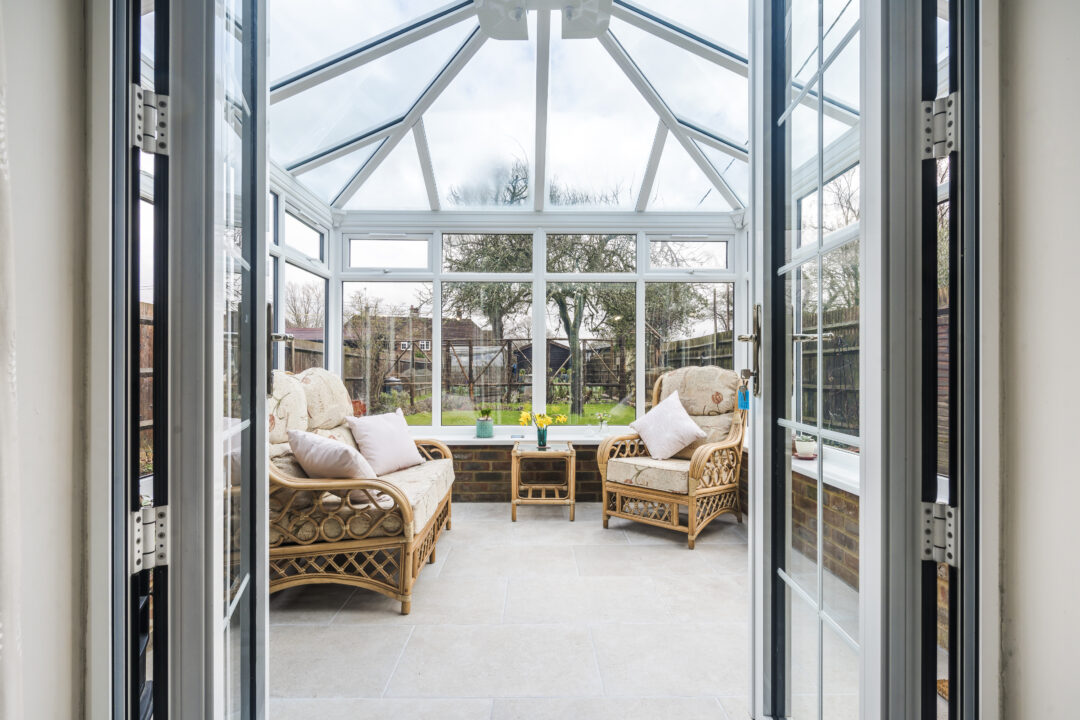
The finished conservatory has become a calm, light-filled lounge space used throughout the day.

It allows the homeowners to enjoy their garden in comfort while keeping the character of the house intact.

The balance of glazing, brickwork and height means the room feels open and bright without overpowering the property.

What the Homeowners Said

“We love how the space lets us enjoy the garden without changing the feel of the house. It feels light, calm, and exactly what we hoped for.”

If Your Situation Is Similar

If you’re considering a conservatory and wondering whether it’s the right choice for your home, we can review your property and explain whether a conservatory, orangery or extension would work best.

Sometimes the right answer really is a conservatory — when it’s designed properly.

Real-world example:

👉 View the Full Case Study here

Final Takeaway

Conservatories are still worth considering in 2026 – but they work best when designed for the right purpose.

For homeowners who want a bright space connected to the garden without the cost of a full extension, they remain an excellent option.

The key is choosing the right design, glazing and layout so the space works for how you actually want to use it.

👉 Book a free 30-minute consultation and we’ll look at your home, your budget and how you want to use the space, and tell you honestly whether a conservatory, orangery or extension is the better fit.

Find out more

Thinking about adding a conservatory?

We’ll look at your home, your budget and how you want to use the space, and tell you honestly whether a conservatory, orangery or extension is the better fit.

Archives for Max

From the Ground Up – #13

Real Projects. Real Progress. Real Homes. Welcome to From the Ground Up. Our weekly blog series sharing real progress from live projects across the region. From groundwork to glazing. Follow the journey as we build beautiful, functional spaces that transform the way people live in their homes.

last updated Feb 27, 2026
category News
Share with friends

Roof Structures Rising & Quick Turnarounds on Site

This week we’re seeing builds move from structure to usable space. In Bradley Stoke, frames and roof installation are underway, in Crawley a large insulated roof is complete, and in Christchurch fitting has begun on a red-brick conservatory conversion.

See the project below!

Bradley Stokes, Bristol

Turning Structure Into Space

  • Great progress this week as frames and roof installation have begun.
  • A ¾ height wall on the left-hand side provides functional wall space while still allowing plenty of natural light as the sun moves around the garden.
  • Wide French doors are being positioned on the right to open the space up fully.
  • We discovered the house and garage weren’t perfectly square – something that happens – but a replacement frame has already been turned around and is arriving today to keep fitting on track.
Crawley, West Sussex

From Open Shell to Watertight Structure

  • A large insulated roof has now been installed on this roof-only conversion.
  • Completed in just one week and made watertight within days, we’ve been able to protect the existing base and walls.
  • The super-insulated roof transforms this space into a true year-round room, with plastering and electrics scheduled for next week.
Christchurch, Dorset

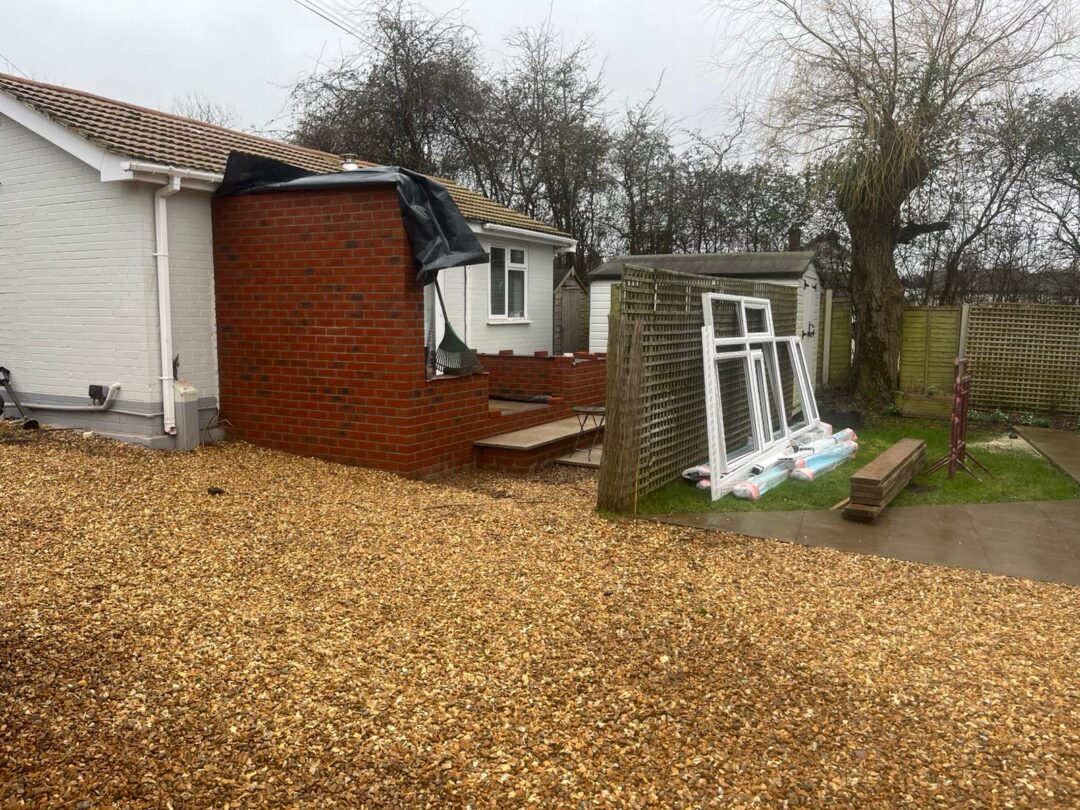
Brickwork Finished, Frames Arriving

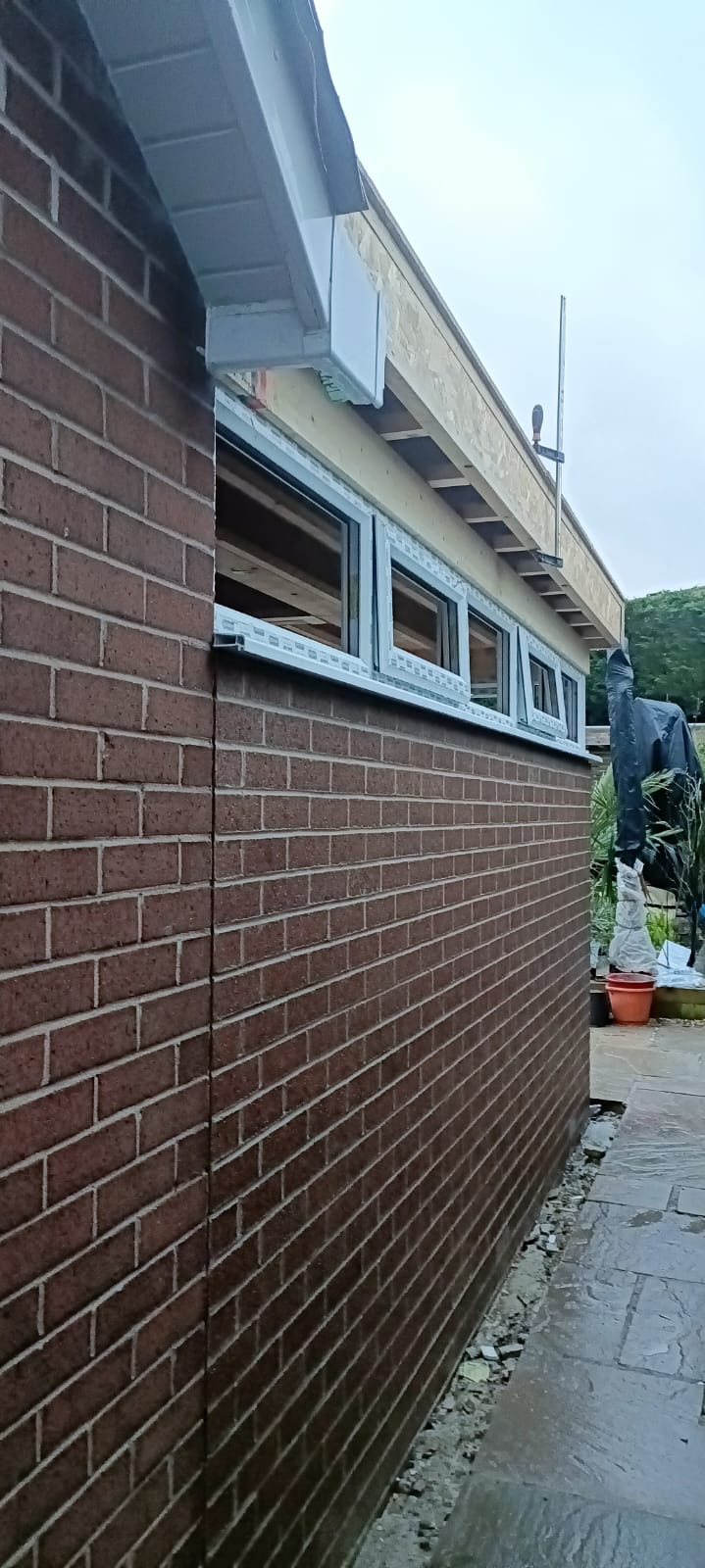
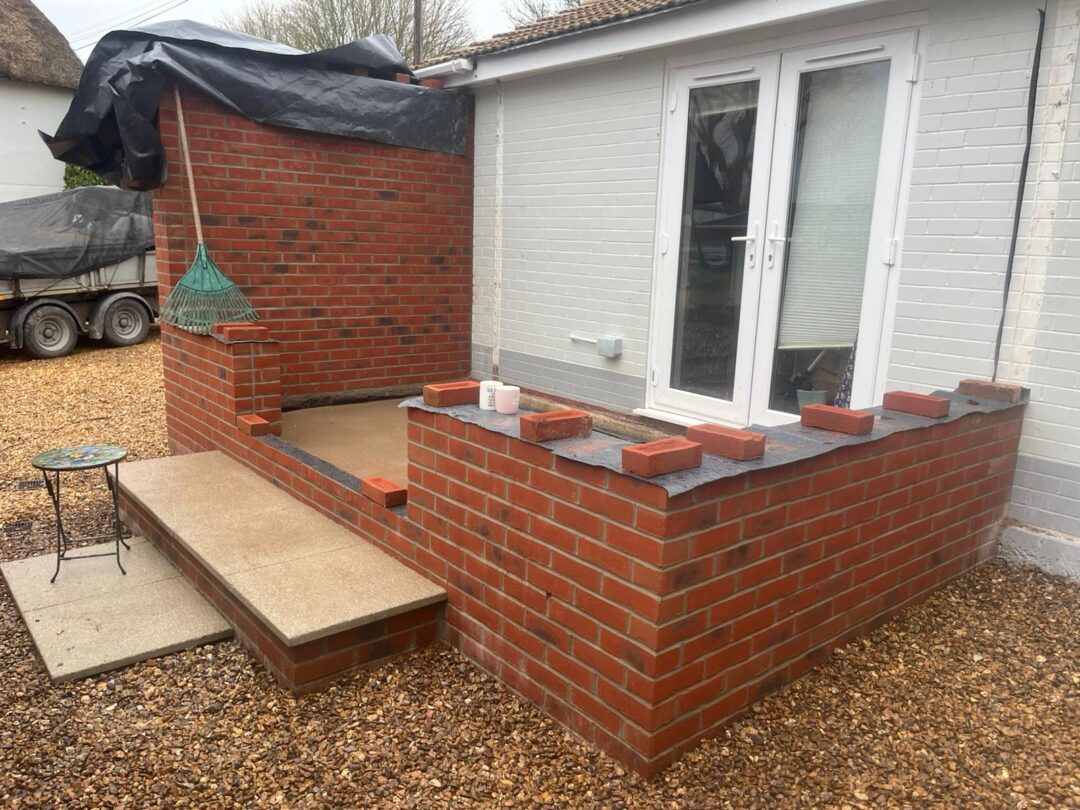
  • Walls are now complete in a stunning red brick, giving the customer the option to paint in the future to match the house.
  • Frames have been delivered and fitting has started today, ensuring a smooth transition from brickwork to installation – keeping the overall project time shorter so the customer can move in sooner.
  • A neat step has been built from the doors down to ground level, finished with a patio slab supplied by the customer, completing this simple but highly functional conservatory conversion.

That’s a Wrap For This Week

That’s it for this week’s round-up! It’s always exciting to see these spaces take shape. From first foundations to final finishes. Whether you’re mid-project, just getting started, or simply gathering ideas, we hope these updates give you a clear view of what’s possible.

👉 Book a free 30-minute consultation with one of our team. We’ll help you explore ideas, understand the process, and see what’s possible for your home.

Check back next week for more real progress from real homes – From The Ground Up.

Find out more

Thinking About Your Own Project?

Speak with our design team about what’s possible for your home.
Archives for Max

Been Told You Can’t Reuse Your Conservatory Base? 3 Things to Check First

Before you accept “you must start again”, there are three practical checks that often change the answer.

last updated Feb 23, 2026
category Guides
Share with friends

If you’re in South England and have been told ‘you can’t reuse this base’ this guide is for you.

Many homeowners assume that an older conservatory automatically needs to be demolished before it can be upgraded.

That advice is sometimes correct. Often, it is not.

In reality, conservatory bases and walls are reused successfully every year. The decision is not about age. It is about structure, layout, and what was actually built in the first place.

This guide explains when an existing base can be reused, how some issues are solved without rebuilding, and the clear signs that tell you when it is not worth saving.

The Short Answer

  • You do not always need a new base to upgrade a conservatory.
  • If the base and walls were built properly, they can often be reused safely.
  • Reusing a sound base can save thousands, which can be spent on better doors, glazing, or design.
  • Some issues can be strengthened or corrected without rebuilding.
  • Shallow, moving, or poorly built bases are rarely worth keeping.

1. Has the Base Actually Moved or Failed?

This is the first and most important check.

Look for clear signs of movement:

  • Cracks in brickwork or mortar joints
  • Gaps opening between the conservatory base/frames and the house
  • Doors or windows sticking or dropping
  • Uneven floors 

Time matters. Old, hairline cracks that have not changed for years are very different from cracks that are widening or reappearing.

If there is obvious, ongoing movement, the base should not be reused. Safety comes first.

If the base is level, stable, and has stood unchanged for years, a blanket “you can’t reuse this” without proper checks deserves a question mark.

One clear warning sign:
A contractor who dismisses reuse without checking for movement or level is taking a shortcut.

2. Even If It’s Sound, Does the Layout Still Work?

A base can be structurally sound and still be the wrong thing to keep.

Ask yourself:

  • Is the footprint big enough for how we want to use it now?
  • Has the shape always felt awkward and restrictive?
  • Would we still be happy with this layout in 5–10 years?

Reusing a base only makes sense if the layout already works for how you live now and in the future.

Keeping a base that locks you into a size or shape you dislike is cheap in year one, but expensive in the long run.

3. Do You Know How the Base Was Built in the First Place?

Many older conservatories were built with little documentation.

Useful information includes:

  • Original drawings or specifications
  • Any Building Control approval or sign-off 

If none of this exists, some things can still be checked:

  • Trial holes to confirm depth and construction, where appropriate
  • Visual checks for damp protection, insulation, and drainage around the base

Sometimes “we can’t reuse this” really means “we don’t want the risk or effort of checking”.

A serious contractor will either:

  • Explain clearly why the base is unsuitable, or
  • Investigate and give you clear options, with pros and cons for reuse versus rebuilding 

If movement, poor layout, or unknown construction raises real concern, rebuilding is usually the right call. In those cases, reusing the base can push risk and cost into the future instead of solving the problem properly now.

If the base is sound, the layout works, and the construction is reasonable, reuse can be a sensible option.

For example, we can sometimes strengthen a good base with localised works or rebuild the walls on top of a sound slab, rather than starting completely from scratch.

When an Existing Conservatory Base Is Worth Saving

An existing base is often worth keeping when:

  • It has adequate depth and shows no signs of movement
  • Walls are straight, stable, and properly bonded
  • Damp protection is present and performing

The layout already works for how the space will be used

Real World Example: Project Fareham, Hampshire

What was wrong
The conservatory was dated and no longer comfortable, but the base and walls were structurally sound. The base was level, showed no signs of movement, and the footprint already worked for how the family wanted to use the space – it just needed updating and better connection to the garden.

What we recommended and why
We retained the existing base and removed the old brickwork to avoid awkward joins between old and new. This allowed the new structure to feel like it had always been part of the house, while the saved budget was redirected into two sets of bifold doors to create a strong feature and better connection to the garden.

The outcome
The upgraded space now performs like a modern extension, with better light, better flow, and higher-quality finishes, without unnecessary groundwork.

Real-world example:

👉 View the Full Case Study here

How Reusing the Base Can Change Your Budget

Avoiding demolition and new foundations often frees up a meaningful part of the budget.

That saving is commonly redirected into:

  • Bifold doors instead of French doors
  • Higher-quality glazing
  • Better internal finishes

Done properly, reusing the base is not a compromise. It often delivers better overall value.

Final Takeaway

Reusing a conservatory base is not a shortcut when it is done properly.
The right decision depends on structure, not age.
Knowing when a base is worth saving helps you spend money where it actually improves the space.

Once you know whether the base is worth keeping, the next step is deciding between a roof‑only upgrade and a full new orangery or extension – we cover that in our 2026 roof‑only vs rebuild guide.

Next Steps

If you are in South England and considering a conservatory roof replacement in 2026, we can:

  • assess your existing structure 
  • Tell you honestly whether a roof-only upgrade or a full rebuild makes more sense before you spend anything.

👉 Book a free 30-minute consultation for clear, honest guidance on your specific home

Find out more

Not sure whether your existing base can be kept?

We can assess it properly and tell you whether upgrading makes sense, before you commit to unnecessary rebuild costs – and show you what reusing the base would free up in your budget for doors, glazing and finishes.

Archives for Max

From the Ground Up – #12

Real Projects. Real Progress. Real Homes. Welcome to From the Ground Up. Our weekly blog series sharing real progress from live projects across the region. From groundwork to glazing. Follow the journey as we build beautiful, functional spaces that transform the way people live in their homes.

last updated Feb 20, 2026
category News
Share with friends

Making the Most of Dry Spells

This week we’ve made strong progress between rain showers. In Bradley Stoke, a block-and-beam base is installed, in Horsham walls are rising on a new orangery, and in Christchurch a conservatory conversion is underway.

Let’s get into it!

Bradley Stokes, Bristol

Building Performance From the Start

  • Taking advantage of short dry spells, we’ve installed a block-and-beam floor to retain airflow from the house’s existing air vents without compromising finish.
  • Brickwork is now going up, with high-quality solid insulation in the cavity to ensure warmth and long-term efficiency.
  • More updates to follow as this orangery continues to take shape.
Horsham, West Sussex

From Rain Delays to Real Progress

  • After earlier weather disruption, the base is now complete and walls are rising.
  • Classic orangery corner pillars are being formed, tying the new structure into the house and giving it that extension feel.
  • Fitters are on site this weekend with the roof going on – more progress photos coming soon.
Christchurch, Dorset

Old Structure Out, New Space Beginning

  • The old conservatory has been removed and the new base is now being built.
  • Clean red brickwork, chosen by the customer, is already going down.
  • Fitting is expected next week as this upgraded space starts to come together.

That’s a Wrap For This Week

That’s it for this week’s round-up! It’s always exciting to see these spaces take shape. From first foundations to final finishes. Whether you’re mid-project, just getting started, or simply gathering ideas, we hope these updates give you a clear view of what’s possible.

👉 Book a free 30-minute consultation with one of our team. We’ll help you explore ideas, understand the process, and see what’s possible for your home.

Check back next week for more real progress from real homes – From The Ground Up.

Find out more

Thinking About Your Own Project?

Speak with our design team about what’s possible for your home.
Archives for Max

5 Hidden Risks of Cheap Conservatory Roof Replacements (What Quotes Don’t Explain)

Why roof-only prices vary so much, what “cheap” often leaves out, and how to tell if an upgrade will actually fix the problem.I’m

last updated Feb 16, 2026
category Guides
Share with friends

If you’ve had three quotes to replace your conservatory roof and one is thousands cheaper than the others, this guide is for you.

Most homeowners with older conservatories or glazed rooms in the South of England face the same dilemma in 2026. They want the space to be usable all year, but the prices they receive vary wildly. Each quote is described as a “roof upgrade”. Each claims it will fix the problem.

The confusion is understandable.

Roof-only conversions cover a wide range of products, insulation levels, guarantees, and structural approaches. Some genuinely turn a seasonal space into a proper room. Others mainly change how it looks on paper.

This guide explains why roof-only quotes vary so much, what cheaper options often leave out, and how to decide which type of roof-only upgrade is actually right for your conservatory long term.

The Short Answer

  • Roof-only conversions can be good value only when the existing structure is sound.
  • Many cheaper systems improve comfort slightly but do not create a true year-round room.
  • The biggest differences between quotes are insulation performance, structure, and longevity, not brand names.
  • If the base, frames, or layout are failing, upgrading the roof alone can be wasted money.

The right decision depends on performance, guarantees, and what problem you are actually trying to solve.

At a Glance: Cheap vs Proper Roof-Only Conversions

  • Comfort: 
    • Cheaper systems often reduce glare or noise slightly. High-performance systems deliver true year-round usability.
  • Insulation: 
    • Thin panels and clad-overs improve figures on paper. Deep insulation actually keeps heat in during winter and out in summer.
  • Longevity: 
    • Short guarantees often reflect systems built to minimum standards. Longer guarantees usually signal durability and confidence.
  • Structure: 
    • Heavier roofs on weak frames can cause problems later. Proper systems assess structure before upgrading.
  • Value: 
    • Lower upfront cost can mean paying twice. Matching the solution to the problem protects long-term value.

Why Roof-Only Quotes Vary So Much

Homeowners often receive roof-only quotes that differ by £2,000 to £5,000, sometimes more. On the surface, this feels hard to justify. The size looks the same. The roof looks solid. The promise is the same: “make the room usable”.

The reality is that these quotes are often solving very different problems, even though they share the same label.

Some systems focus on appearance. Others reduce glare or noise slightly. Some aim to meet minimum insulation standards. A smaller number are designed to make the space behave like a true extension.

Headline price alone is a poor comparison tool because most homeowners are not shown what has been traded away to reach that lower figure.

The risk is not choosing a roof-only conversion.
The risk is choosing one that doesn’t solve the reason you’re upgrading in the first place.

To make this practical, each of the risks below is explained in terms of how it usually feels to live with, and what it can mean for cost later.

Hidden Risk #1 – Chasing a Lower Price Instead of Lower Heat Loss

Understanding U-values in plain English

A U-value measures how quickly heat escapes through a surface.
Lower number means less heat loss.

💡 Think of it like golf – the lower your score, the better.

Small numerical differences matter because they affect how the room feels in January and how it behaves in July.

Typical ranges explained simply:

  • Polycarbonate or old glass (around 1.7-3.2): very high heat loss. Classic “too hot in summer, too cold in winter”.
  • Budget insulated panels (around 0.29): better than before, but still needs heavy heating.
  • Low-spec tiled roofs (around 0.19): improved again, but still struggles in extreme cold or heat.
  • High-performance systems (around 0.12–0.13): behaves much closer to an extension and supports year-round use.

What this feels like in real life:
A roof that looks solid does not automatically keep the room comfortable. Many cheaper upgrades still leave homeowners cranking the heating in winter and avoiding the space in summer.

Key takeaway: A roof that looks like an extension does not always perform like one.

Hidden Risk #2 – “Clad-Over” Systems That Are Cheap But Very Ineffective

A clad-over system involves fixing new materials over the existing roof rather than removing it fully.

Insulation gains are minimal because the original structure remains. Temperature swings often stay. The room still behaves like a conservatory.

Because the original roof structure remains, weight and load paths are not always reassessed properly. That’s why some clad-over solutions are now flagged on surveys or rejected by Building Control.

What this feels like:
Still too hot in summer. Still cold in winter. The space looks different but does not feel different enough.

What this usually means for your money:
Often leads to doing it twice. Once cheaply, then properly later.

Clad-over solutions can make sense for very tight budgets, but they are usually a temporary improvement, not a long-term fix.

Hidden Risk #3 – Thin Insulated Panels That Promise More Than They Deliver

Many panel systems use around 75mm of insulation and achieve a U-value close to 0.29.

This is an improvement, but it is limited.

The room may feel better on mild days, but still struggles during cold winters and hot summers. Heating costs remain high, and the space rarely becomes a main living area.

What this feels like:
Better than before, but not good enough to rely on daily.

What this usually means for your money:
You pay for improvement rather than resolution, which often leaves the room under-used long term.

It’s not bad. But it is not a full solution for homeowners who want a proper room.

Hidden Risk #4 – Low-Insulation Tiled Roofs That Look Right but Perform Average

Some tiled roof systems use rock wool insulation and achieve U-values around 0.19.

They look like a solid extension roof, but insulation depth is limited.

The tile itself does not keep you warm. The insulation does.

What this feels like:
The room looks right and feels better, but you still find yourself adjusting heating more than expected.

What this usually means for your money:
Costs are often close to higher-performance systems. The small saving can leave homeowners feeling they almost chose the right option, but not quite.

Hidden Risk #5 – Short Guarantees on the Most Important Part of the Build

The roof is the most critical element of the upgrade.

Many cheaper systems offer guarantees of around 10 years, often limited to materials only.

Higher-performance systems typically offer longer guarantees, sometimes up to 25 years, covering defects in the roof system itself.

What this means for homeowners:
Confidence matters. A longer guarantee usually reflects a system designed to last, not just pass minimum standards.

Longevity is value, not luxury.

Hidden Risk #6 – Overloading Weak Frames and Foundations

A heavier roof placed on tired frames or a weak base can create long-term problems.

Movement, deflection, and stress cracks may not show immediately. They often appear years later, long after the upgrade is paid for.

This is why structural checks matter, and why roof-only is not always the safest option.

If your existing base or frames are already failing, the real decision usually isn’t which roof-only system, but whether a roof-only upgrade is appropriate at all. We cover that in more detail in our [roof-only vs rebuild guide].

How to Compare Roof Quotes Properly

Use this checklist:

  • Is the product type clearly labelled (clad-over, panel system, full replacement tiled roof, or flat roof with lantern)?
  • Is the U-value stated clearly?
  • Is insulation thickness specified?
  • Is the structural approach explained?
  • What is the guarantee length and scope?
  • How is Building Control handled?
  • Does the system change performance or just appearance

If a quote cannot answer these points in plain English, you are comparing prices, not solutions.

What’s actually included in the price?

  • Is plastering / making good included?
  • Are electrics (disconnect / reconnect / new lighting) included?
  • Is scaffolding, if needed, included?
  • Are Building Control fees included where they apply?
  • Who is responsible for decorating and flooring afterwards?

Two quotes can differ by thousands simply because one includes a finished room and the other stops at a bare structure.

The Real Decision You’re Making

When comparing roof-only quotes, the real question is not:

“Which roof is cheapest?”

It is:

“Which option actually delivers the level of comfort, performance, and confidence I expect for the money?”

That comes down to insulation performance, structural approach, and guarantee — not the headline price.

Final Takeaway

Cheap is not always wrong.
Expensive is not always better.

Value comes from matching the solution to the problem.

Roof-only conversions work brilliantly when used correctly.
Rebuilds make sense when structure and layout are the real issue.

👉 Book a free 30-minute consultation and we will make sure you avoid these risks and make the best decision possible for your home.

Find out more

Not Sure Whether to Replace the Roof or Start Again?

We’ll assess your existing structure and tell you honestly what option will give you long-term value

Archives for Max

From the Ground Up – #11

Real Projects. Real Progress. Real Homes. Welcome to From the Ground Up. Our weekly blog series sharing real progress from live projects across the region. From groundwork to glazing. Follow the journey as we build beautiful, functional spaces that transform the way people live in their homes.

last updated Feb 14, 2026
category News
Share with friends

Finishing Bases, Improving Performance & Clean Site Standards

This week we’re upgrading an older project, completing base and brickwork after weather delays, and transforming an old conservatory footprint into a functional new space. Across Petersfield, Chichester, and Shoreham, progress continues at different stages.

Let’s get into it!

Petersfield, Hampshire

Conservatory Replaced with Functional New Space

  • The existing conservatory has now been removed, with a new base and walls built in its place.
  • A 900mm dwarf wall gives the structure the feel of a proper extension while allowing space for built-in units, turning this into a highly functional porch area.
  • The base has been raised to match the internal house floor, creating smoother flow between the house and new extension.
Chichester, West Sussex

Upgrading the Existing Base

  • Although this project was completed in December 2025, we’re back on site to upgrade the existing base.
  • High-quality Celotex insulation has been installed, followed by a screeded finish, allowing the customer to lay any flooring while keeping the floor warm and efficient.
  • Just a few final details remain before we return for final photography next month – keep an eye out for the finished look.
Shoreham, West Sussex

Build Finished and Leaving the Site Clean

  • After an extended period due to poor weather, the base and brickwork are now fully complete.
  • New steps have been built to provide clean access into the garden.
  • The site has been fully washed down and left tidy – part of our Clean Site Promise: if the site isn’t left clean, we pay for a professional clean the next day.

That’s a Wrap For This Week

That’s it for this week’s round-up! It’s always exciting to see these spaces take shape. From first foundations to final finishes. Whether you’re mid-project, just getting started, or simply gathering ideas, we hope these updates give you a clear view of what’s possible.

👉 Book a free 30-minute consultation with one of our team. We’ll help you explore ideas, understand the process, and see what’s possible for your home.

Check back next week for more real progress from real homes – From The Ground Up.

Find out more

Thinking About Your Own Project?

Speak with our design team about what’s possible for your home.
Archives for Max

How Much Does It Cost to Replace a Conservatory Roof in South England in 2026?

What a conservatory roof replacement really costs in 2026, and when it actually makes sense to do one.

last updated Feb 9, 2026
category Guides
Share with friends

Read time: 5-6 minutes

When homeowners in South England consider replacing a conservatory roof, the decision usually comes down to two simple questions.

First: Will this finally turn the space into a proper, usable room?
Second: And am I spending money in the right place, rather than just covering up a deeper problem?

A roof-only upgrade can be a smart and cost-effective solution. But it only works when the structure beneath it is sound and the layout already makes sense. In other cases, spending more upfront to fix the structure properly can deliver far better long-term value.

Most projects still fall within a realistic price range. What changes the final figure is not the word “roof”, but the size, condition and specification of the existing space. Below, we explain typical 2026 costs, what drives them, and what outcome you should expect for the money spent.

The Short Answer (2026 Prices, inc VAT)

  • Small conservatory roofs (around 3m x 3m): £10,000 to £12,000
  • Medium conservatories (around 4m x 3m or 4m x 4m): £12,000 to £15,000
  • Larger or more complex roof shapes: from £15,000 upwards

Below we explain what actually moves a project toward the lower or upper end of these ranges.

These ranges are based on projects we deliver in the South of England in 2026 and include VAT.

Roof Types Compared

  • Glass roof replacement
    • This is the most affordable upgrade and retains high levels of light.
    • Insulation performance remains limited compared to other systems.
  • Flat roof with lantern
    • This delivers full year-round usability while still allowing large amounts of natural light. 
    • Larger lanterns increase cost, and bungalow installations can sometimes cost more than tiled alternatives.
  • Insulated tiled roof
    • This offers the best thermal performance and makes the space feel like a true extension. 
    • Light levels reduce unless glass panels or roof windows are added.

For most older conservatories where comfort is the main issue, we generally recommend an insulated tiled roof or flat roof with a lantern. These options provide a true year-round room, not a slight improved conservatory.

What Actually Changes the Cost

  • Size and shape of the roof
    • Larger roofs require more materials and labour. 
    • Complex shapes such as L-shaped or P-shaped conservatories also increase cost due to additional structural work.
  • Roof type
    • Glass roofs are typically the lowest cost option and retain good levels of light, especially when upgraded from polycarbonate using high-performance solar glass.
    • Orangery-style flat roofs and insulated tiled roofs sit at a similar price point and both offer genuine year-round usability.
    • Lower specification tiled roofs can appear cheaper but often deliver poorer insulation. 
    • We recommend a U-value of around 0.12 to ensure the space performs properly in winter and summer.
  • Condition of existing frames and base
    • If frames and the base are in good condition, a roof-only replacement can be a sensible option.
    • Blown glass units can be replaced to improve appearance adding usually £100-300 per unit, however tired frames with ageing seals often continue to fail over time.
    • Replacing only the roof can become a short-term fix, with higher costs later when the frames need replacing as well.
  • Access and height
    • Tight access or poor working space increases installation time, which can add several days to the build.
    • Taller properties may require scaffolding, typically adding £500 to £700 or more depending on scope.
  • Internal finishes
    • Plastering the internal ceiling is usually required and typically adds £1,000 to £1,500.
    • Disconnecting and reconnecting existing lighting usually adds £100 to £200.
    • New lighting costs vary. A standard light fitting costs £300. Whilst downlights cost £110 per downlight and are spaced evenly across the ceiling.

A Real 4.37 x 3.1m Tiled Roof Only Cost Breakdown

Project: Westbury-on-Trym

Brief

  • Location: South of England
  • Property type: 70’s Semi-Detached
  • Goal: Make the conservatory usable all year without a full rebuild
  • Main concern: Keep costs proportionate to the upgrade
  • Why this solution was proposed?: The frames and base were in good condition, so a roof-only conversion was suitable and remained within budget. 

Specification:

  • Style: Lean To
  • Roof Type: Tiled Roof
  • Build: Roof Only

Indicative cost breakdown

  • Base build and walls: £9,689
  • New insulated tiled roof system: £6,671
  • Remove existing roof and install new system: £3,779
  • Internal finishes (plastering and lighting): £1,100
  • Building Control and approvals: £450

Total (including VAT): £12,000

Outcome
The space is now comfortable all year and used daily as a functional part of the home. Installation was completed with minimal disruption, and the existing structure was retained where it made sense.

Real-world example:

👉 View the Full Case Study here

When Replacing Just the Roof Is the Wrong Call

Roof-only replacement is usually not the right solution if there are:

  • Signs of base movement
  • Failing or rotten frames
  • Layout that no longer works.

If your goals include:

  • Increasing size
  • Changing shape
  • Want a higher capital uplift on your property.

…investing in a new conservatory, orangery or extension is often the better long-term decision.

How to Get a Realistic Roof Replacement Quote

Here are the simple steps:

  1. Start by measuring the footprint and taking clear photos inside and out. 
  2. Note any cracks, leaks, or sticking doors and windows. 
  3. Decide whether you want to keep the existing frames exactly as they are. 
  4. Be clear whether you want just the roof replaced or internal finishes included as well.
  5. Know what your budget is

Going through this exercise before you ask for quotes helps you compare like‑for‑like, rather than just chasing the lowest number on paper.

Our process is simple. We survey the structure, explain the options, and provide a fixed price for the agreed scope so you know exactly what you are getting before work starts.

Next Steps

If you are in South England and considering a conservatory roof replacement in 2026, we can:

  • assess your existing structure 
  • Tell you honestly whether a roof-only upgrade or a full rebuild makes more sense before you spend anything.

👉 Book a free 30-minute consultation for clear, honest guidance on your specific home

Find out more

Thinking About Replacing Your Conservatory Roof?

We can review your conservatory and explain clearly whether a roof-only replacement is the right solution or if a rebuild would offer better long-term value.

Archives for Max

From the Ground Up – #10

Real Projects. Real Progress. Real Homes. Welcome to From the Ground Up. Our weekly blog series sharing real progress from live projects across the region. From groundwork to glazing. Follow the journey as we build beautiful, functional spaces that transform the way people live in their homes.

last updated Feb 7, 2026
category News
Share with friends

Progress on Site Despite Heavy Rain

This week we’re making steady progress despite difficult conditions. In Horsham, groundwork is underway on a new orangery, in Chalgrove walls are rising after a completed base, and in Shoreham brickwork is moving quickly after last week’s challenges.

With the rain against us. Check out what progress we have made on sites below

Horsham, West Sussex

Battling the Rain to Get an Orangery Started

  • Work has started on what will be a fantastic new orangery for this family.
  • With heavy rain and a sloping garden, newly dug trenches have been filling with water, making conditions challenging.
  • To keep progress moving, we’ve been carefully digging and sheeting the trenches to prevent collapse, with concrete booked for next week when the weather is hopefully more favourable.
Chalgrove, Oxford

Solid Foundations Complete. Walls Going Up

  • The block-and-beam base is now complete, with walls starting to rise.
  • Air bricks have been re-routed through the base and added to the front to maintain airflow beneath the floor.
  • Although the weather has slowed bricklaying, the outer skin is now going up using matching brickwork to ensure a seamless finish between the house and the new extension.
Shoreham, West Sussex

Keeping Momentum After Early Challenges

  • Despite ongoing wet weather, progress continues using gazebos to protect the bricklaying areas. 
  • Walls are going up neatly, and the quality of finish is already taking shape following last week’s early challenges.
  • Brickwork is scheduled to be completed by Monday, with the team working over the weekend to meet the agreed deadline for the customer.

That’s a Wrap For This Week

That’s it for this week’s round-up! It’s always exciting to see these spaces take shape. From first foundations to final finishes. Whether you’re mid-project, just getting started, or simply gathering ideas, we hope these updates give you a clear view of what’s possible.

👉 Book a free 30-minute consultation with one of our team. We’ll help you explore ideas, understand the process, and see what’s possible for your home.

Check back next week for more real progress from real homes – From The Ground Up.

Find out more

Thinking About Your Own Project?

Speak with our design team about what’s possible for your home.

Archives for Max

Replace Your Conservatory Roof or Start Again? 2026 Guide to Roof-Only Conversions vs New Structure

A clear, practical guide to deciding whether upgrading your existing conservatory makes sense, or whether rebuilding is the smarter long-term move.

last updated Feb 2, 2026
category Guides
Share with friends

Read time: 6-8 minutes

Many homeowners have an older conservatory that technically still exists, but no longer works. It might be too cold in winter, too hot in summer, noisy in the rain, or simply the wrong size or shape to be used properly.

In those situations, a roof-only conversion can be a smart and affordable upgrade. It can turn an underperforming space into a comfortable, year-round room.

But that is not always the right answer.

If the layout is wrong, the base is poor, or the frames are failing, upgrading the roof alone can be wasted money. You may fix the temperature, but still be left with a space that doesn’t work.

This guide explains the difference clearly. By the end, you will know whether replacing the roof makes sense for your home, or whether starting again is the better long-term decision.

The Short Answer

  • Roof-only conversions work when the base, frames and layout are fundamentally sound.
  • Starting again is usually better when there are structural, layout or integration problems.
  • Roof-only upgrades are faster and less disruptive, but more limited.
  • New structures cost more, but remove compromise and unlock full design flexibility.
  • The goal is not to change something on paper, but to create a genuinely usable room.

The decision is not about cost alone. It is about what your existing structure allows you to achieve.

The ranges in this guide are based on projects we deliver in the South of England in 2026 and include VAT

Roof-Only Conversion vs New Structure at a Glance

  • Structure
    • Roof-only retains the existing base, walls and frames. A new build replaces everything.
  • Disruption
    • Roof-only is faster and less invasive. A new build involves demolition and groundwork.
  • Layout flexibility
    • Roof-only keeps the existing footprint. A new structure allows redesign.
  • Comfort upgrade
    • Both can deliver year-round comfort when done correctly.
  • Longevity
    • Both can be permanent solutions, depending on the condition of what is kept.

Each of these points is explained in detail below.

What a Roof-Only Conversion Actually Is

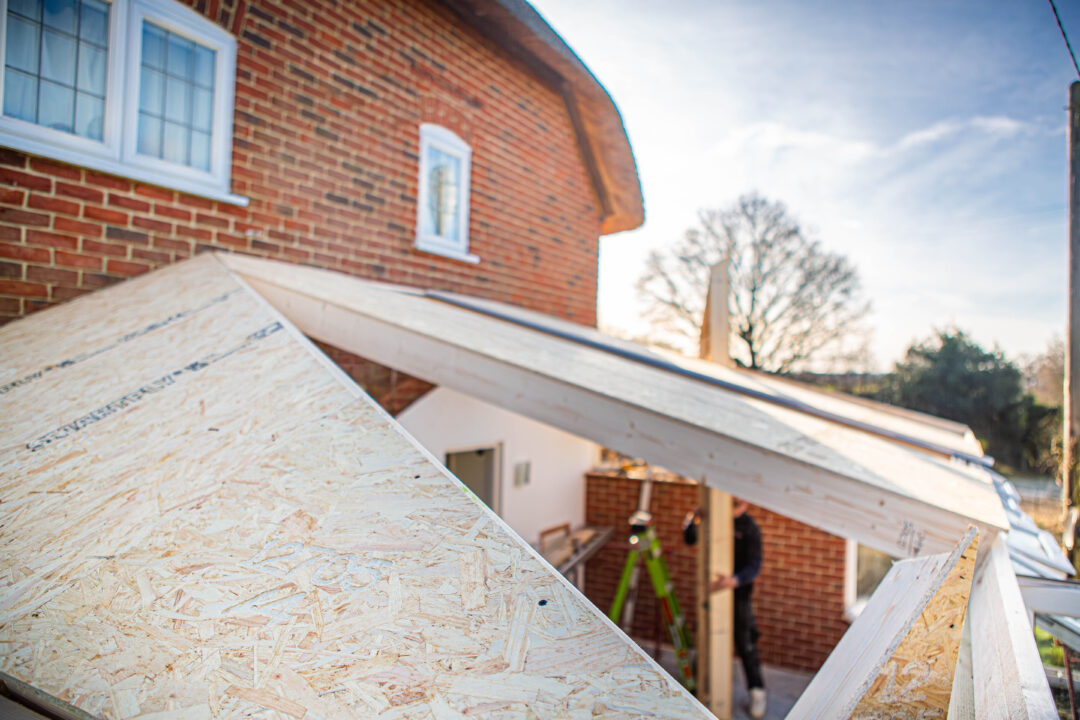
A roof-only conversion means removing the existing roof completely and replacing it with a new system.

This can include:

  • A high-performance conservatory roof with solar control glass
  • An insulated orangery-style flat roof
  • A fully insulated tiled roof system

In all cases, the new roof is built using a timber structure with fully insulated pods. No cladding over old roofs. No shortcuts.

What stays the same:

  • The existing walls
  • The existing frames
  • The footprint and layout

What changes:

  • Thermal performance
  • Acoustic performance
  • Comfort and usability

A roof-only conversion turns a seasonal space into a year-round room.
It does not change the size, shape or connection to the house.

Key reassurance:
Roof-only conversions are not a shortcut. They are a legitimate upgrade when the structure allows it.

Why Most Homeowners Look at Replacing the Roof

The reasons are usually practical rather than cosmetic.

Common issues include:

  • Too hot in summer and too cold in winter
  • Loud rain and external noise
  • Leaks, condensation or mould
  • A tired finish that no longer matches the house
  • A room that is barely used for half the year

Roof-only solutions are designed to fix these problems. The important question is whether they fix enough in your case.

When You Are Better Off Starting Again

Sometimes upgrading the roof alone simply does not solve the real problem.

You are usually better starting again if there are:

  • Signs of movement, cracking or a failing base
  • Poor integration with the house, such as awkward steps or low ceilings
  • A layout that will never work for how you live
  • Old frames you would want to replace anyway

Adding a heavy, insulated roof onto a weak structure can be unsafe or flagged during inspections. In other cases, homeowners find they are spending most of the cost of a rebuild while still keeping compromises.

A new structure allows:

  • Proper foundations and insulation throughout
  • A layout that connects cleanly to the house
  • Improved light, ceiling height and proportions
  • A space that genuinely feels permanent

Cost and Disruption Compared

Roof-only conversion

  • Typical cost: £10,000 to £18,000 (depending mainly on size, roof type and access)
  • Time on site: around one week
  • Disruption: low, room out of use briefly

New orangery or extension

  • Typical cost for around 12m²: £25,000 to £35,000
  • Time on site: around six weeks
  • Disruption: higher, but delivers full flexibility

A new structure often adds more value because it improves layout, integration and long-term usability, not just comfort.

Planning and Building Regulations Explained Simply

Planning permission answers one question: can I build it?
Building Regulations answer another: has it been built properly and safely?

Roof-only conversions usually require Building Regulations for the roof structure when:

  • A tiled or insulated solid roof is installed, or
  • Other Building Regulations criteria are met.

New builds usually require Building Regulations for the entire structure when:

  • A tiled or insulated solid roof is installed, or
  • Other Building Regulations criteria are met.

Planning permission depends on size, height and location, not on whether you are upgrading a roof or rebuilding from scratch.

Both routes are normal and manageable when planned and handled correctly.

Two real projects: one roof-only, one full rebuild

East Grinstead, West Sussex

What was wrong
The homeowner had a large conservatory that was rarely used due to draughts, heat loss, and noise from the existing roof, despite the structure itself being in good condition.

What we recommended and why
We recommended a roof-only upgrade using a fully insulated system. The base and frames were sound, so replacing the roof addressed the comfort issues without the cost or disruption of a full rebuild.

The outcome
The space is now warm, quiet, and usable all year. The upgrade transformed the conservatory into a proper living room without changing its footprint or layout.

Real-world example:

👉 View the Full Case Study here

Billingshurst, West Sussex

What was wrong
The existing conservatory was small, poorly insulated, and no longer usable year round. It lacked the space and comfort needed to function as part of the kitchen-lounge.

What we recommended and why
We recommended removing the conservatory entirely and starting again with a full orangery build. This allowed us to correct the layout, install proper foundations and insulation, and create a space that could integrate fully with the existing kitchen and lounge.

The outcome
The new orangery is now a bright, warm, open-plan dining space that feels like part of the original home. By starting again, the project removed compromise and delivered a room the family uses comfortably every day.
Real-world example:

👉 View the Full Case Study here

How to Decide Before You Spend Anything

Ask yourself:

  • Do we like the size and shape of the current space?
  • Is there any sign of movement, leaks or decay?
  • Does the layout work with how we live now?
  • Are we happy locking in the existing walls and frames for the next 10 to 20 years?
  • Are we fixing comfort only, or comfort plus layout and integration?

Mostly yes answers point toward a roof-only conversion.
Several no answers usually mean starting again is the wiser choice.
How Precision Approaches These Projects

Our process is designed to avoid regret:

  • Survey and base inspection
  • Honest assessment of roof-only vs rebuild options
  • Clear pros, cons and costs for each route
  • Fixed-price proposal for the agreed scope

We will tell you when a roof-only conversion is a bad idea, and when it is a smart, cost-effective upgrade.
Final Takeaway

Replacing a conservatory roof can be an excellent solution when the structure and layout are right.

Starting again is the better option when they are not.

The right decision is the one that gives you a room that works properly for how you live, not just one that looks improved on paper.

👉 Book a free 30-minute consultation and we’ll help show you the best option for your existing structure.

Find out more

Not Sure Whether to Replace the Roof or Start Again?

We’ll assess your existing structure and tell you honestly what option will give you long-term value