Read time: 8-9 minutes
In South and South-West England, conservatories have had a mixed reputation over the last decade.
Many homeowners still picture the classic problems:
Too hot in summer.
Too cold in winter.
Used mainly for storage.
But the reality in 2026 is very different.
Modern conservatories use better glass, smarter design and improved construction methods that allow the space to be used far more comfortably throughout the year.
The key question is not whether conservatories are good or bad.
It is whether they are the right solution for your home and how you want to use the space.
This guide explains when a conservatory makes sense, what modern designs look like, and why many homeowners are choosing them again.
The Short Answer
- Yes – conservatories are still worth it for the right type of homeowner.
- They work best when the goal is adding a bright, garden-focused space cost-effectively.
- Modern glass technology means they can be far more comfortable year round than older versions.
- Most modern conservatories use dwarf walls and integrated designs, not full glass structures.
- Colour, glazing and layout choices now allow them to feel much more like part of the house.
Conservatories are usually not the right choice if your main goal is a fully integrated, year‑round main living room with maximum insulation performance and huge knock‑through openings. In those cases, an orangery or extension is often a better fit.
At a Glance: What Modern Conservatories Do Well
- Structure
- Modern conservatories often use dwarf walls and proper base construction.
- Light
- They remain the best option for creating a bright space connected to the garden.
- Cost
- They are usually a more cost-effective option than a full extension or orangery.
- Comfort
- Solar-control glass dramatically improves temperature control.
- Style
- Frame colours, glazing choices and design details allow conservatories to blend with modern homes.
Each of these points is explained in detail below.
Who Conservatories Are Best For
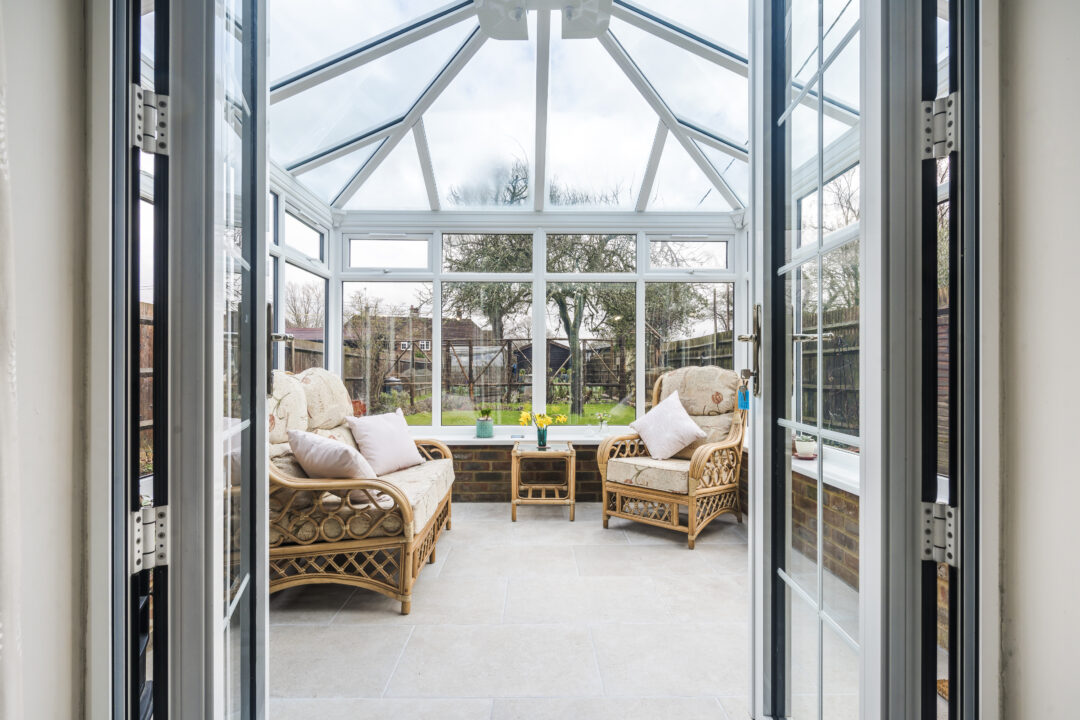
A conservatory is usually the right choice if you:
- Want a bright room that feels connected to the garden
- Need extra living space without the cost of a full extension
- Plan to use it as a dining area, sitting room or relaxation space
- Prefer a lighter, more open feel rather than a heavily built room
- If your goal is a light‑filled garden‑facing space at a sensible cost, a modern conservatory is often the best solution.
If your goal is a light-filled space that enjoys the garden, conservatories remain one of the best solutions.
How much do modern conservatories cost in 2026?
For most quality installations in the South and South‑West of England, a modern conservatory is a significant investment rather than a “cheap extra room.”
As a broad guide, most of the conservatories we’ve installed over the last 12 months have sat between £18,000 and £25,000, with simpler designs at the lower end and a small number of larger or more complex projects above that.
The main things that drive cost are:
- Size and shape
- A larger footprint, unusual shapes, or complex roof lines increase materials and labour.
- Glass and roof specification
- Choosing modern solar‑control glass (for better comfort) and higher‑performance frames costs more than basic glazing, but it usually pays off in how often you can comfortably use the room.
- How it ties into the house
- If we are simply adding a garden‑facing room with minimal changes to existing walls, costs are lower.
As soon as you have big knock‑throughs, steelwork, or structural alterations, the price increases.
- If we are simply adding a garden‑facing room with minimal changes to existing walls, costs are lower.
- Groundworks and access
- Poor access, difficult ground conditions, or drainage changes can add to the build cost.
Compared with other options:
- A conservatory is typically the most cost‑effective way to add a bright, garden‑facing room.
- An orangery or full extension usually costs more for the same footprint because there is more solid structure, insulation and internal finishing involved.
We are not the cheapest option on the market, and we don’t aim to be. Cutting the price to match the lowest quote usually means compromising on glass specification, structure or aftercare, which is how you end up with the classic “too hot / too cold” room that isn’t really used.
If you are trying to budget, a useful starting point is:
- Decide the rough size of room you want.
- Assume a quality conservatory in our area will sit in that £18,000-£25,0000+ band.
- Then have a design consultation to refine the specification and get an accurate fixed quote for your property.
The Biggest Change: Modern Glass Technology
One of the biggest reasons older conservatories developed a bad reputation was the glazing.
Traditional glass and polycarbonate roofs allowed too much solar heat gain in summer and too much heat loss in winter.
Today most of our customers choose active sunshade blue glass.
This solar-control glass:
- Reflects excess solar heat
- Reduces glare
- Improves temperature stability
This single upgrade makes a significant difference to how comfortable the room feels throughout the year.
While no glazed room behaves exactly like a solid extension, modern glass allows conservatories to be far more usable than many homeowners expect.
Why Modern Conservatories No Longer Look Like “Greenhouses”
The all-glass structures common in the 1990s are far less popular today.
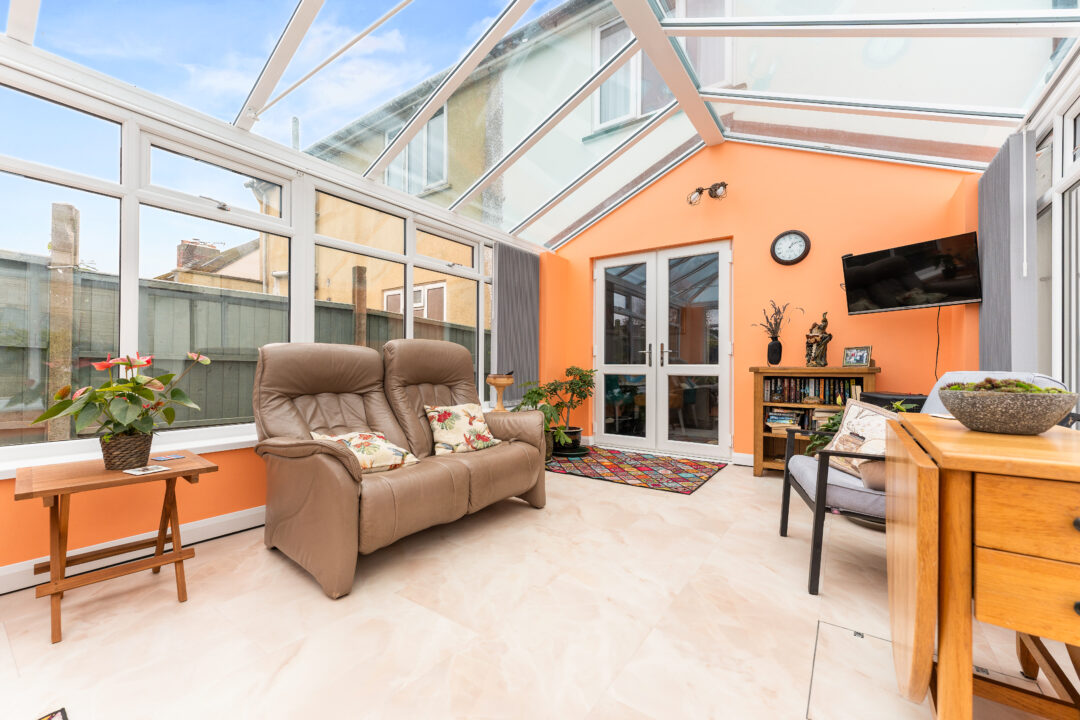
Most modern conservatories now include dwarf walls.
A dwarf wall:
- Visually ties the structure into the house
- Creates a more solid appearance
- Allows space for double power sockets
- Provides a window ledge for plants, decorations or photographs
These small design changes help the room feel much more like part of the home rather than a bolt-on glass structure.
Colour Choices That Change the Character of the Space
Another major change in recent years is the variety of frame colours available.
White remains popular, but many homeowners now choose colours that better suit their property.
Common choices include:
Grey or black
Creates a modern, architectural look that suits contemporary homes.
Chartwell green
A softer traditional colour that adds character and works well with older properties.
Frame colour can dramatically change how the conservatory integrates with the house.
When a Conservatory Is the Right Solution
A conservatory often works best when:
- The goal is a bright garden-facing space
- Budget is important
- Planning constraints make extensions difficult
- You want to create a secondary living area
For these situations, a conservatory can deliver excellent value.
If you’re in the South or South‑West and this sounds like what you’re after, you can book a free 30‑minute design review by clicking here.
We’ll look at your home, budget and timings, and tell you honestly whether a conservatory, orangery or extension is the better fit.
When Another Structure May Be Better
There are situations where other structures may be more appropriate.
For example:
- When you want the room to feel like a fully integrated part of the house
- When insulation performance is the top priority
- When the design requires large internal knock-through openings
In those cases, homeowners often consider orangeries or full extensions instead.
How to Avoid Classic Conservatory Mistakes
Most of the horror stories you hear about conservatories are not because “conservatories are bad.”
They come from rushed design, the wrong specifications, and too many different trades all pulling in different directions.
If you want a space you actually use and enjoy, these are the classic mistakes to avoid.
Mistake 1: Choosing on Price Alone
The fastest way to end up with a too‑hot, too‑cold room is to pick the cheapest quote and hope for the best.
Very low prices usually mean compromises somewhere: glass quality, base construction, drainage, or aftercare. Those savings rarely look like savings a few years down the line.
What to do instead
- Compare like‑for‑like specifications, not just totals.
- Make sure each quote clearly lists the glass type, frame system, base construction and finishing.
- Treat “suspiciously cheap” as a warning sign, not a bargain.
Mistake 2: Using the Wrong Glass and Roof for Your Home
Older conservatories often used basic glass or polycarbonate roofs that let in too much sun in summer and lost too much heat in winter.
If you don’t match the glass and roof design to your home and its orientation, you risk repeating those problems.
What to do instead
- Specify modern solar‑control glass for the roof and key elevations.
- Take orientation into account: south‑facing and exposed gardens usually need more solar control than shaded plots.
- Ask for U‑values and real examples of similar installations, not just brand names.
Mistake 3: Cutting Corners on the Base and Structure
You don’t see the base once the room is finished, which is why it’s an easy place for “cowboy” builders to save time and money.
Poor foundations, drainage and tying‑in to the existing house can lead to movement, leaks and long‑term issues.
What to do instead
- Insist on proper groundworks, foundations and base construction, not just “it’ll be fine.”
- Make sure the design considers drainage, existing services and any building control requirements.
- Use installers who can explain exactly how the new structure will connect back to your house.
Mistake 4: Treating It as a Bolt‑On, Not Part of the Home
A lot of older conservatories feel like greenhouses because they were designed as separate add‑ons rather than as part of the overall layout.
That often means awkward doors, wasted corners and a room that’s hard to furnish.
What to do instead
- Plan the room around how you will actually use it: dining, relaxing, second living space, etc.
- Think through furniture layout, power sockets, lighting and sightlines to the garden.
- Use dwarf walls, frame colours and finishes that visually tie the room back into the main house.
Mistake 5: Having No Single Point of Accountability
One company does the survey, another supplies the frames, a third does the base, a fourth handles electrics. When something goes wrong, everyone can blame someone else.
That is where a lot of stress and delays come from.
What to do instead
- Wherever possible, work with one company that designs, specifies and manages the whole project.
- Make sure you have a single named contact responsible for coordinating trades, timelines and aftercare.
- Ask what happens if there is a snag after completion and who takes ownership of putting it right.
This is one of the main reasons many homeowners in the South and South‑West choose a fully managed service: they want one team to handle the design, specifications, installation and aftercare, rather than managing multiple trades themselves.
Real Example: A Modern Conservatory that works year-round
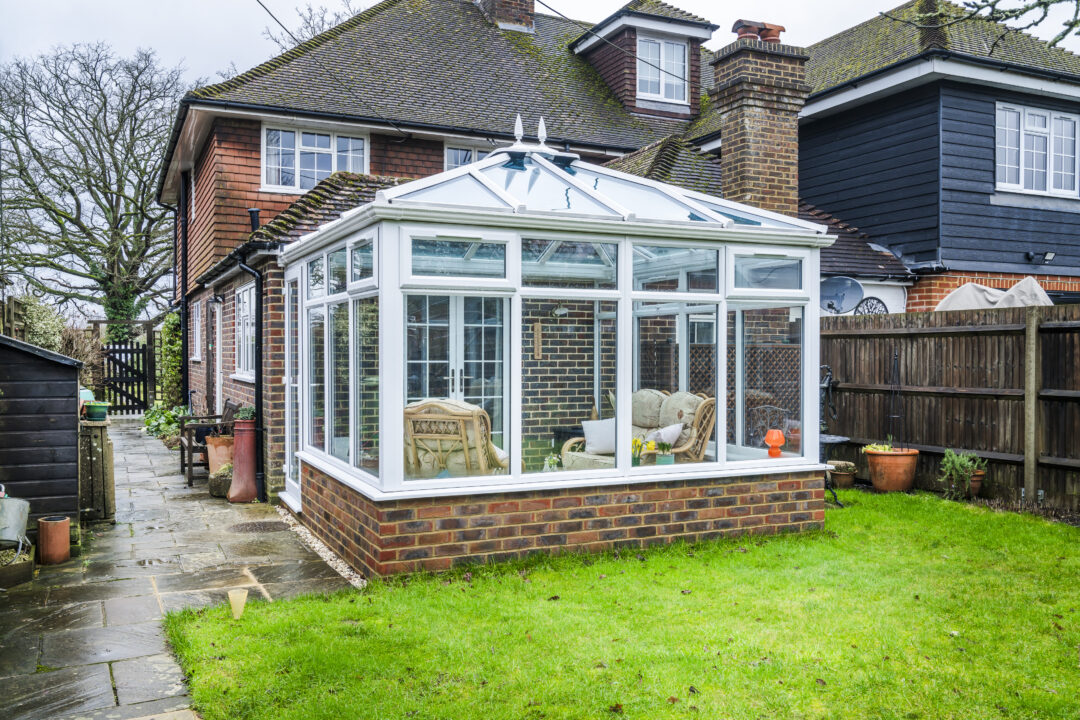
Rudgewick, West Sussex
Who the homeowners were & what they wanted
This project was for a couple living in a characterful home in Rudgwick, West Sussex.
They wanted a bright garden room where they could relax and enjoy the view, without committing to the cost and disruption of a full extension.
Their main concerns were the same ones many homeowners have:
- Conservatories being too hot in summer and too cold in winter
- Avoiding poor workmanship or “cowboy” installations
Keeping the project within a sensible budget
Why a conservatory made more sense than an orangery or extension
The homeowners considered several options, including an orangery or small extension.
In this case, a conservatory made more sense because the goal was to create a light-filled space that maximised views of the garden, rather than a heavily built structure.
A conservatory also allowed them to achieve this at a lower cost and with less disruption than a full extension.
Site, orientation & design constraints
The property already had a rear extension, which meant planning permission was required for the new structure.
The house also had strong architectural character, so any addition needed to:
- Respect the existing style
- Avoid looking like a modern bolt-on
- Maintain clear views of the garden
These constraints shaped the final design.
The Design Choices That Made It Comfortable
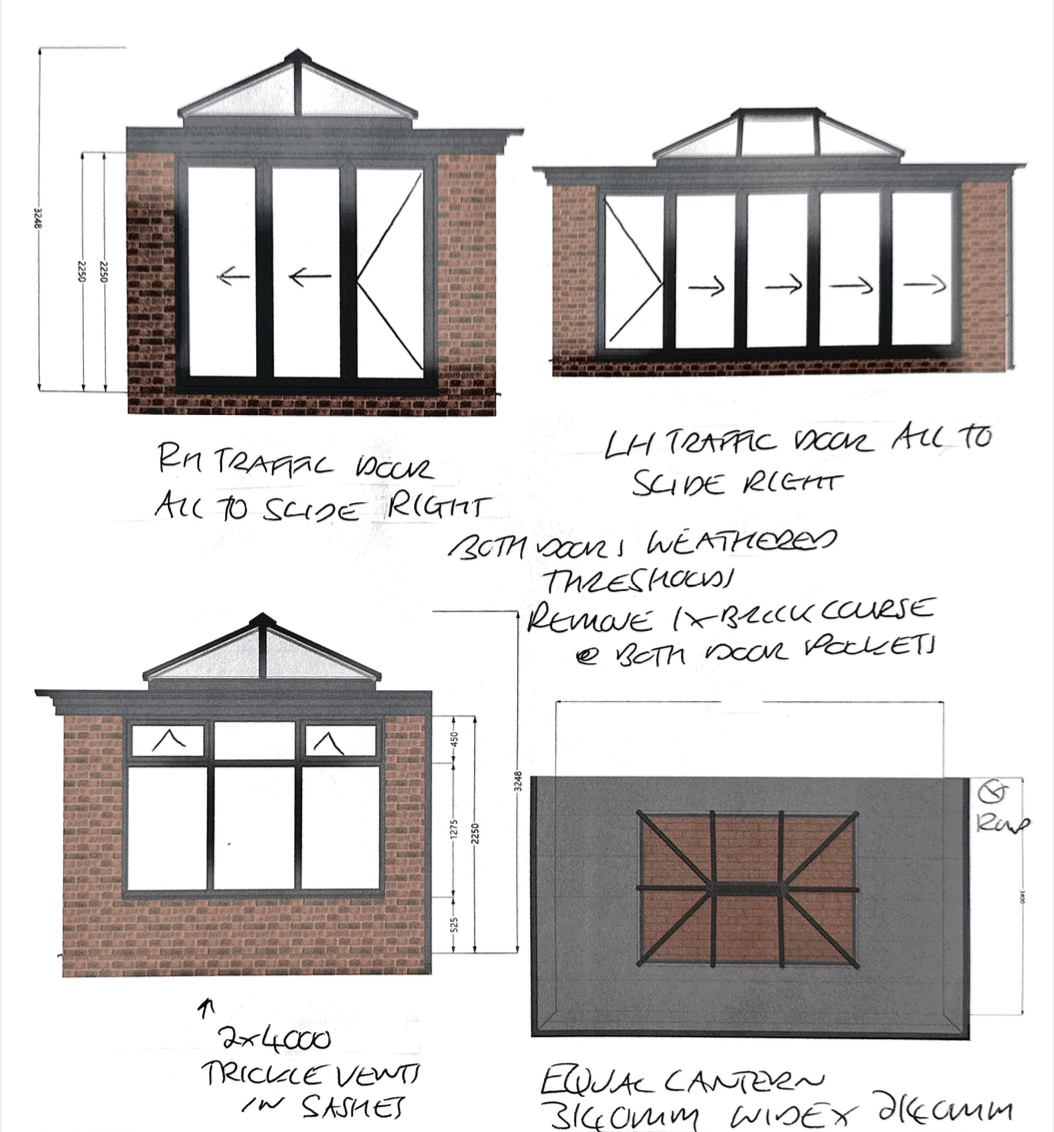
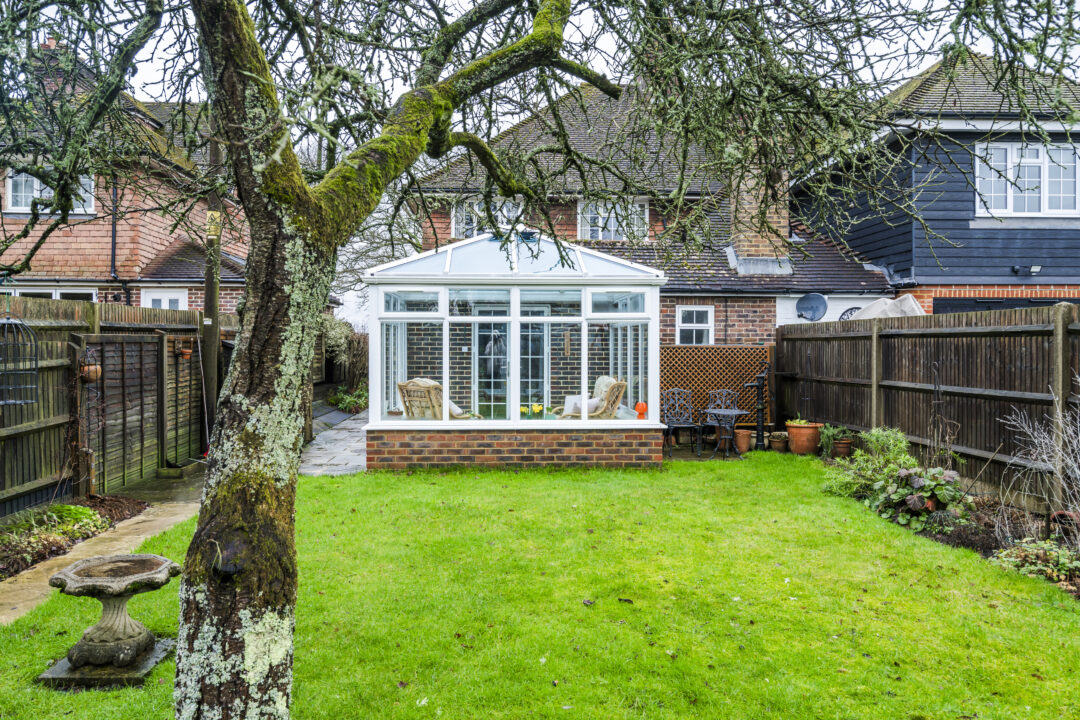
We recommended a Double Edwardian conservatory, which allowed the new structure to connect neatly to the existing extension while increasing ceiling height and light.
Key design choices included:
- Solar control glass to reduce overheating and improve comfort
- Dwarf walls to give the conservatory a solid, integrated appearance
- Carefully matched brickwork so the structure blended with the house
- Large panes of glass to remove visual barriers and frame the garden views
The dwarf walls also created space for electrics, heating, and a window ledge for plants, which the homeowners specifically wanted.
Build Experience & Avoiding the “Cowboy” Problems
The project was managed from start to finish by a single team, covering design, approvals and construction.
Planning permission was handled before work began, and the installation was scheduled to minimise disruption to the household.
Because the design had been carefully planned upfront, the build progressed smoothly and without major issues.
The Outcome: How They Use the Space Now
The finished conservatory has become a calm, light-filled lounge space used throughout the day.
It allows the homeowners to enjoy their garden in comfort while keeping the character of the house intact.
The balance of glazing, brickwork and height means the room feels open and bright without overpowering the property.
What the Homeowners Said
“We love how the space lets us enjoy the garden without changing the feel of the house. It feels light, calm, and exactly what we hoped for.”
If Your Situation Is Similar
If you’re considering a conservatory and wondering whether it’s the right choice for your home, we can review your property and explain whether a conservatory, orangery or extension would work best.
Sometimes the right answer really is a conservatory — when it’s designed properly.
Real-world example:
Final Takeaway
Conservatories are still worth considering in 2026 – but they work best when designed for the right purpose.
For homeowners who want a bright space connected to the garden without the cost of a full extension, they remain an excellent option.
The key is choosing the right design, glazing and layout so the space works for how you actually want to use it.
 Book a free 30-minute consultation and we’ll look at your home, your budget and how you want to use the space, and tell you honestly whether a conservatory, orangery or extension is the better fit.
Thinking about adding a conservatory?
We’ll look at your home, your budget and how you want to use the space, and tell you honestly whether a conservatory, orangery or extension is the better fit.