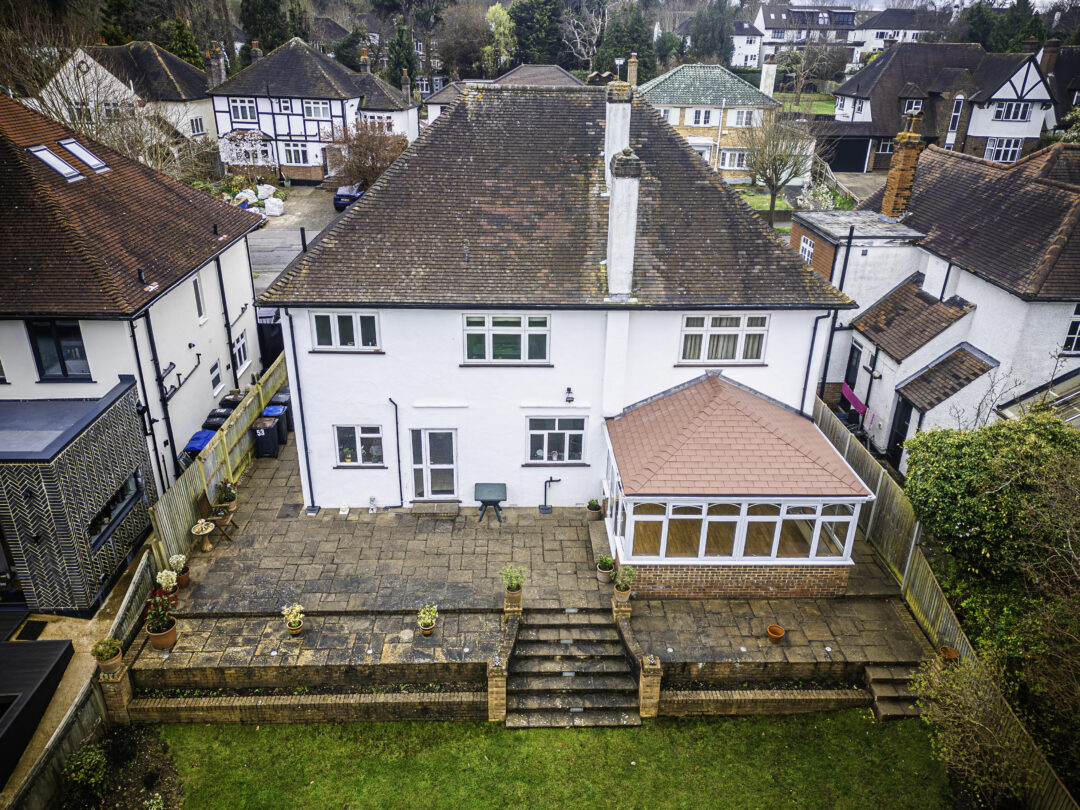
If you’re in South England and have been told ‘you can’t reuse this base’ this guide is for you.
Many homeowners assume that an older conservatory automatically needs to be demolished before it can be upgraded.
That advice is sometimes correct. Often, it is not.
In reality, conservatory bases and walls are reused successfully every year. The decision is not about age. It is about structure, layout, and what was actually built in the first place.
This guide explains when an existing base can be reused, how some issues are solved without rebuilding, and the clear signs that tell you when it is not worth saving.
The Short Answer
- You do not always need a new base to upgrade a conservatory.
- If the base and walls were built properly, they can often be reused safely.
- Reusing a sound base can save thousands, which can be spent on better doors, glazing, or design.
- Some issues can be strengthened or corrected without rebuilding.
- Shallow, moving, or poorly built bases are rarely worth keeping.
1. Has the Base Actually Moved or Failed?
This is the first and most important check.
Look for clear signs of movement:
- Cracks in brickwork or mortar joints
- Gaps opening between the conservatory base/frames and the house
- Doors or windows sticking or dropping
- Uneven floors
Time matters. Old, hairline cracks that have not changed for years are very different from cracks that are widening or reappearing.
If there is obvious, ongoing movement, the base should not be reused. Safety comes first.
If the base is level, stable, and has stood unchanged for years, a blanket “you can’t reuse this” without proper checks deserves a question mark.
One clear warning sign:
A contractor who dismisses reuse without checking for movement or level is taking a shortcut.
2. Even If It’s Sound, Does the Layout Still Work?
A base can be structurally sound and still be the wrong thing to keep.
Ask yourself:
- Is the footprint big enough for how we want to use it now?
- Has the shape always felt awkward and restrictive?
- Would we still be happy with this layout in 5–10 years?
Reusing a base only makes sense if the layout already works for how you live now and in the future.
Keeping a base that locks you into a size or shape you dislike is cheap in year one, but expensive in the long run.
3. Do You Know How the Base Was Built in the First Place?
Many older conservatories were built with little documentation.
Useful information includes:
- Original drawings or specifications
- Any Building Control approval or sign-off
If none of this exists, some things can still be checked:
- Trial holes to confirm depth and construction, where appropriate
- Visual checks for damp protection, insulation, and drainage around the base
Sometimes “we can’t reuse this” really means “we don’t want the risk or effort of checking”.
A serious contractor will either:
- Explain clearly why the base is unsuitable, or
- Investigate and give you clear options, with pros and cons for reuse versus rebuilding
If movement, poor layout, or unknown construction raises real concern, rebuilding is usually the right call. In those cases, reusing the base can push risk and cost into the future instead of solving the problem properly now.
If the base is sound, the layout works, and the construction is reasonable, reuse can be a sensible option.
For example, we can sometimes strengthen a good base with localised works or rebuild the walls on top of a sound slab, rather than starting completely from scratch.
When an Existing Conservatory Base Is Worth Saving
An existing base is often worth keeping when:
- It has adequate depth and shows no signs of movement
- Walls are straight, stable, and properly bonded
- Damp protection is present and performing
The layout already works for how the space will be used
Real World Example: Project Fareham, Hampshire
What was wrong
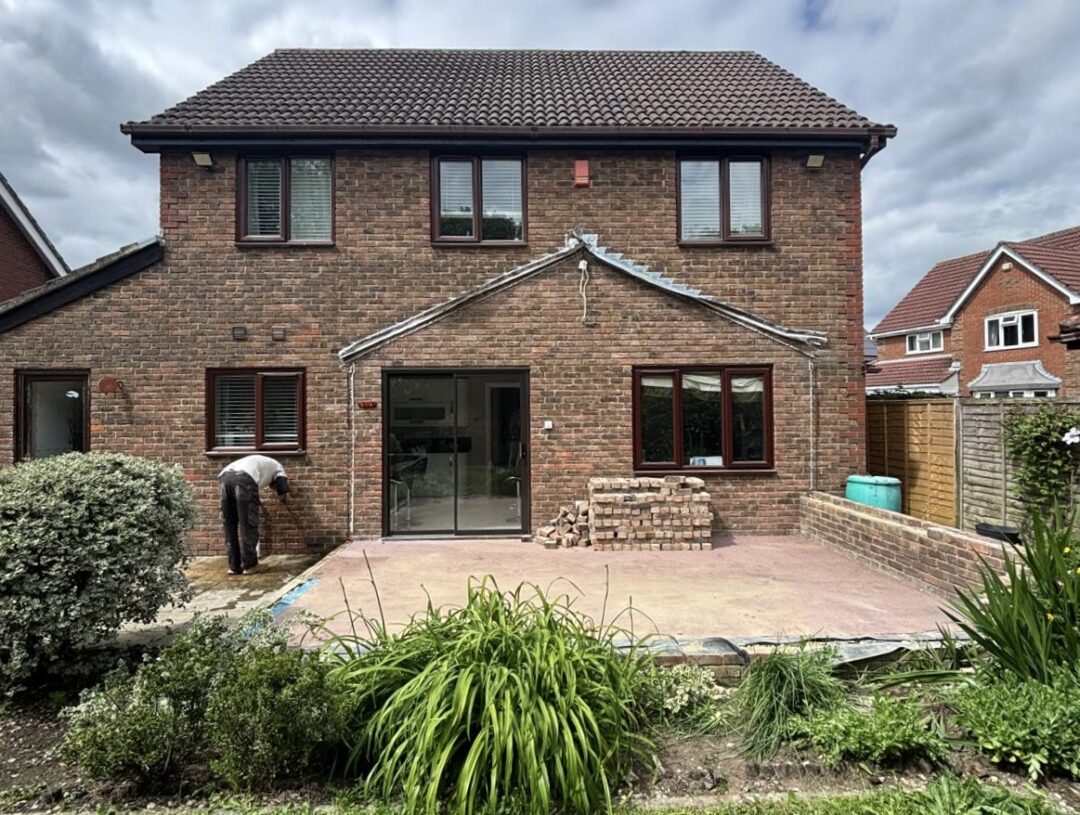
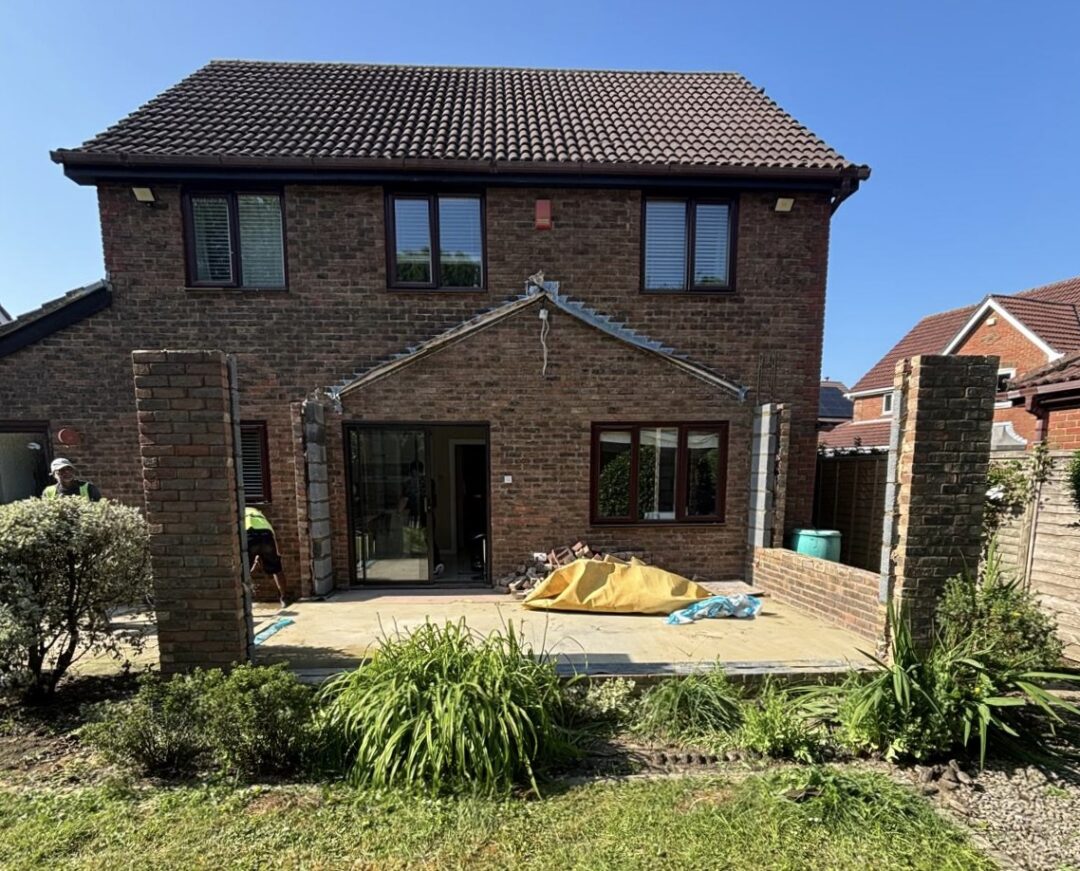
The conservatory was dated and no longer comfortable, but the base and walls were structurally sound. The base was level, showed no signs of movement, and the footprint already worked for how the family wanted to use the space – it just needed updating and better connection to the garden.
What we recommended and why
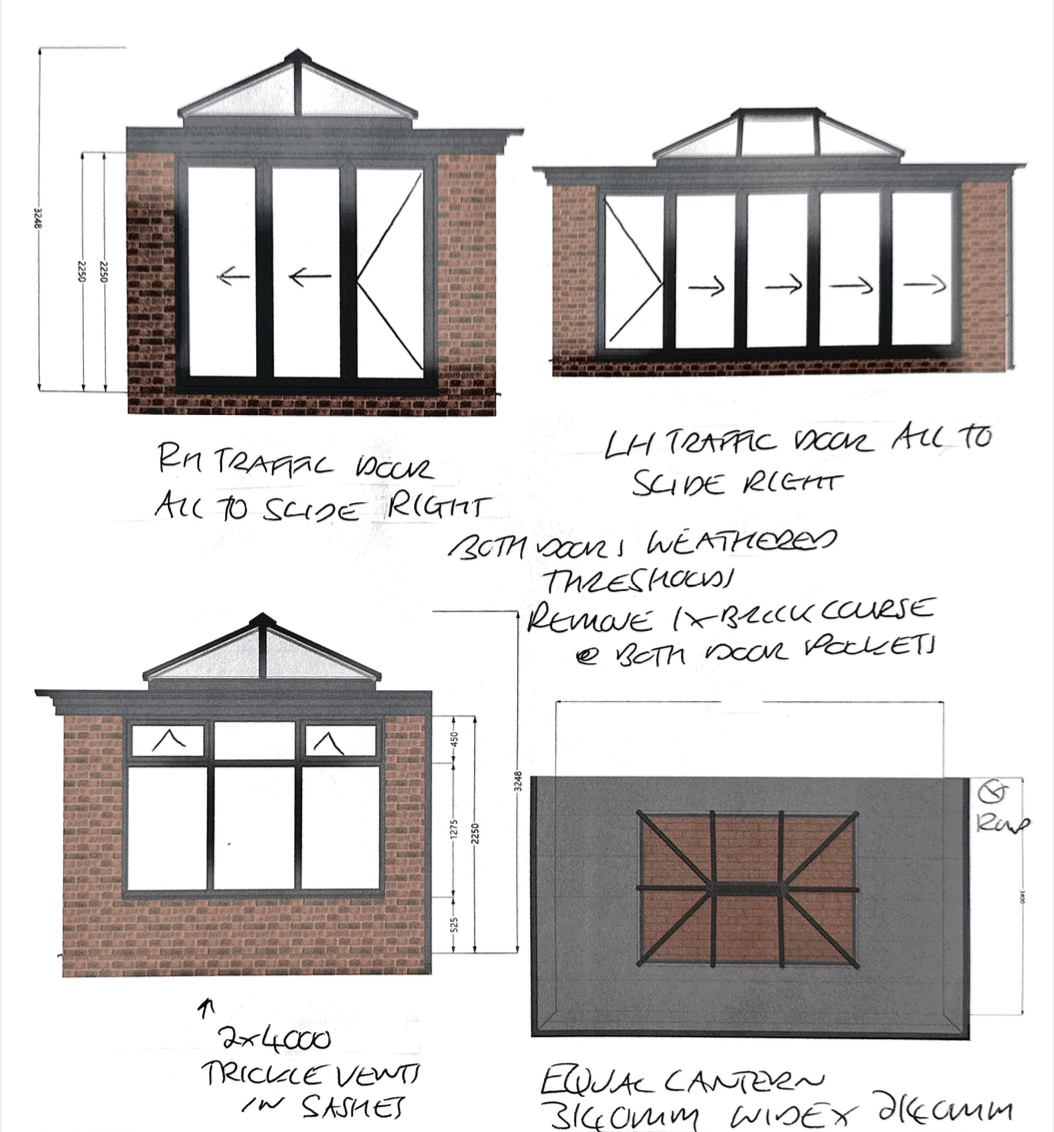
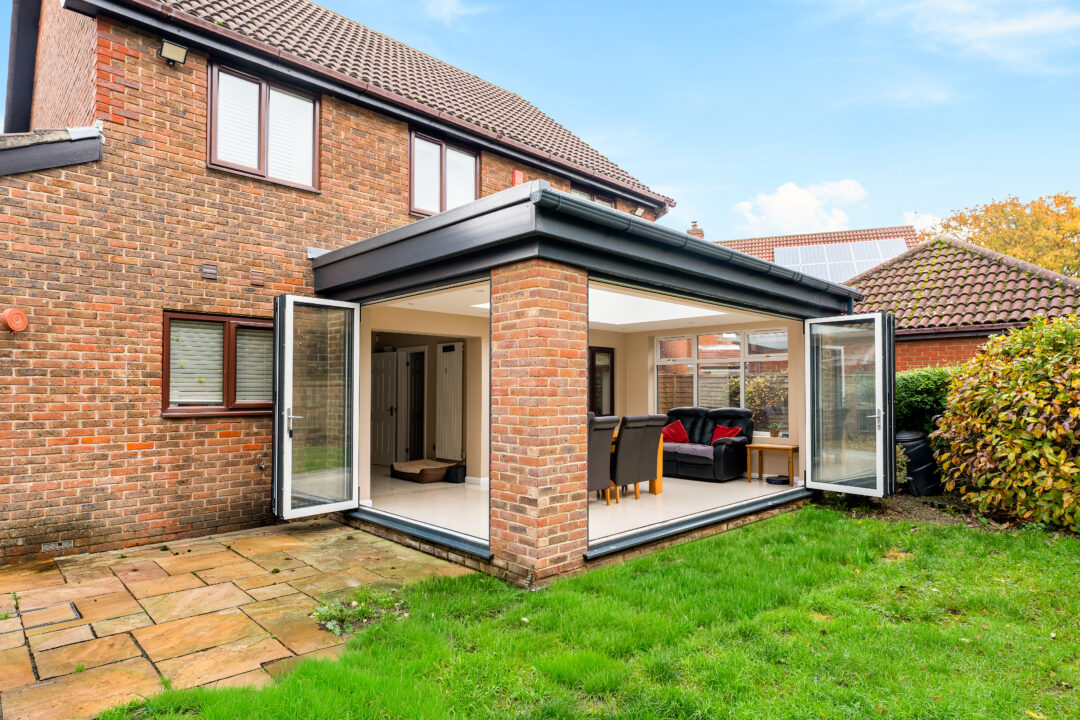
We retained the existing base and removed the old brickwork to avoid awkward joins between old and new. This allowed the new structure to feel like it had always been part of the house, while the saved budget was redirected into two sets of bifold doors to create a strong feature and better connection to the garden.
The outcome
The upgraded space now performs like a modern extension, with better light, better flow, and higher-quality finishes, without unnecessary groundwork.
Real-world example:
How Reusing the Base Can Change Your Budget
Avoiding demolition and new foundations often frees up a meaningful part of the budget.
That saving is commonly redirected into:
- Bifold doors instead of French doors
- Higher-quality glazing
- Better internal finishes
Done properly, reusing the base is not a compromise. It often delivers better overall value.
Final Takeaway
Reusing a conservatory base is not a shortcut when it is done properly.
The right decision depends on structure, not age.
Knowing when a base is worth saving helps you spend money where it actually improves the space.
Once you know whether the base is worth keeping, the next step is deciding between a roof‑only upgrade and a full new orangery or extension – we cover that in our 2026 roof‑only vs rebuild guide.
Next Steps
If you are in South England and considering a conservatory roof replacement in 2026, we can:
- assess your existing structure
- Tell you honestly whether a roof-only upgrade or a full rebuild makes more sense before you spend anything.
 Book a free 30-minute consultation for clear, honest guidance on your specific home
Not sure whether your existing base can be kept?
We can assess it properly and tell you whether upgrading makes sense, before you commit to unnecessary rebuild costs – and show you what reusing the base would free up in your budget for doors, glazing and finishes.