0800 061 4878 Mon - Sat, 8am - 5pm

10 year guarantee on all projects

No-obligation quotes available

Fast & professional installation with no hidden costs

Make great savings this Spring– save up to an extra 35% on all conservatory, orangeries & extensions

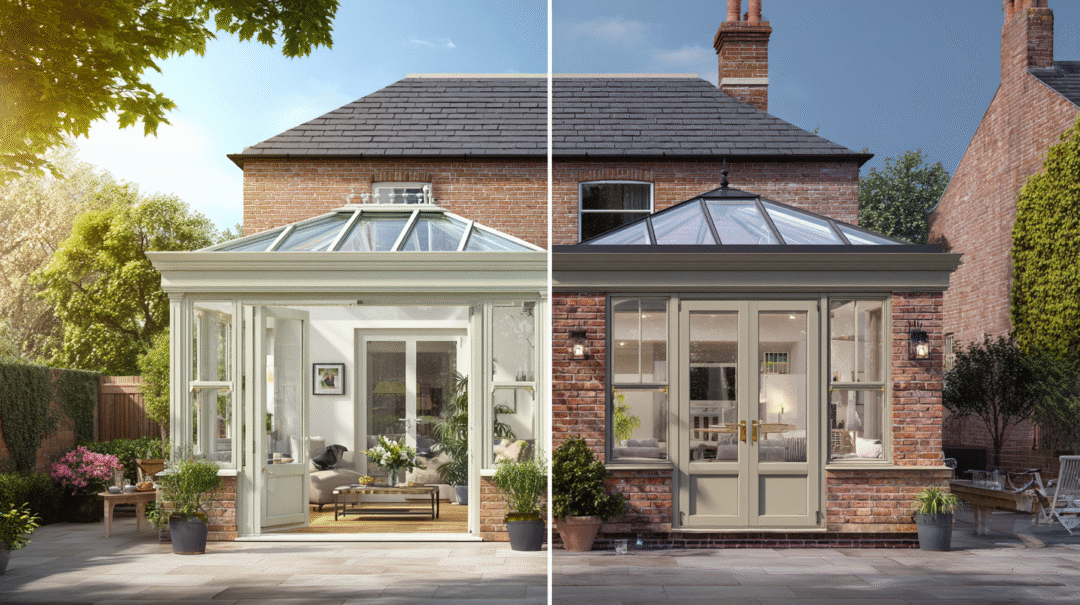
uPVC vs Aluminium – Which Is Better for Your Home?

Trying to decide between aluminium and uPVC? Here’s an honest, real-world look at the pros, cons, and what to think about before spending the extra money.

last updated Oct 27, 2025
category Guides
Share with friends

I met with a customer this week who asked a question we hear all the time:

“Is aluminium really worth the extra money compared with uPVC?”

It is a great question and got me thinking that he, like many homeowners, wasn’t sure what the real difference was beyond the colour or price tag.

So, if you’ve been wondering the same, here’s the simple truth. Both materials are excellent. The right choice depends on how you plan to use the space, what style you want, and how long you expect to stay in the home.

At Precision, we design in both systems, so here’s a transparent comparison to help you choose confidently.

1. Cost & value

In most cases, aluminium frames are around 20–40% more expensive than uPVC equivalents.

That’s because aluminium is stronger, requires more complex manufacturing, and offers slimmer frames.

However, cost isn’t everything.

  • uPVC keeps the project budget lower while delivering great insulation.
  • Aluminium costs more initially but offers a longer lifespan and higher resale appeal thanks to its modern look and build quality. 

💡 Precision Tip: For long-term homes or high-design projects, aluminium is often worth the investment. For classic conservatories or value-led builds, uPVC delivers unbeatable performance for the price.

2. Thermal Performance

Thermal efficiency has levelled out in recent years.

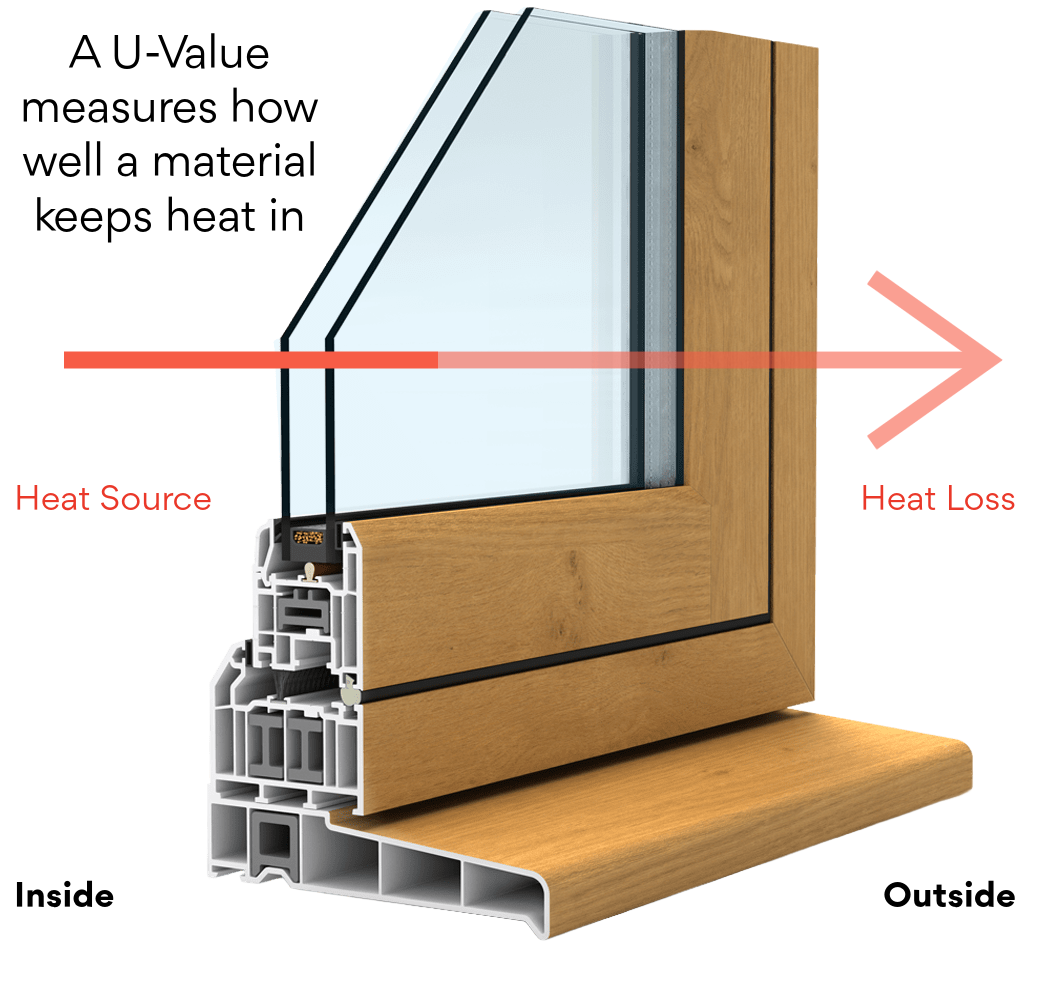
  • uPVC is naturally more insulating, reducing heat transfer through the frame.
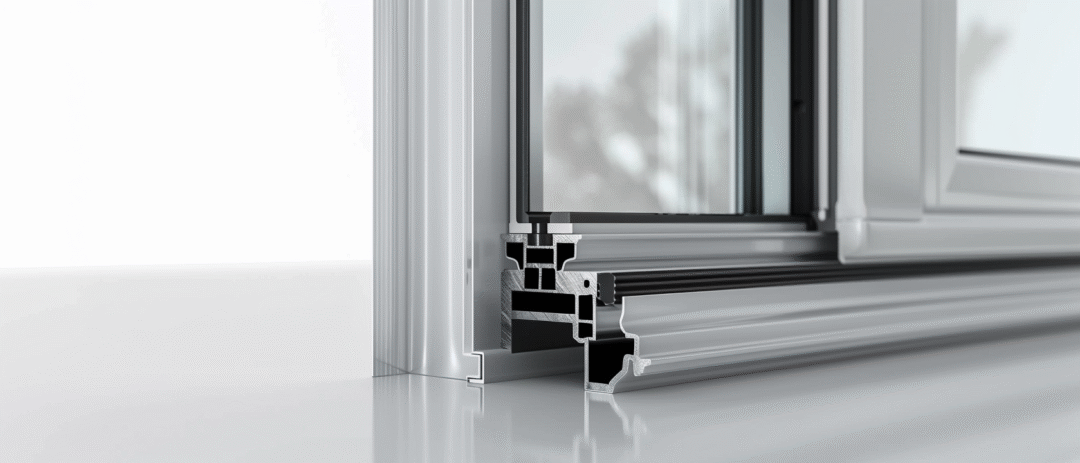
  • Aluminium used to lag behind but now features advanced thermal breaks – hidden barriers that stop heat loss.

What is a thermal break?
A thermal break is a thin, non-metal layer (often made of plastic or resin) built inside the aluminium frame.
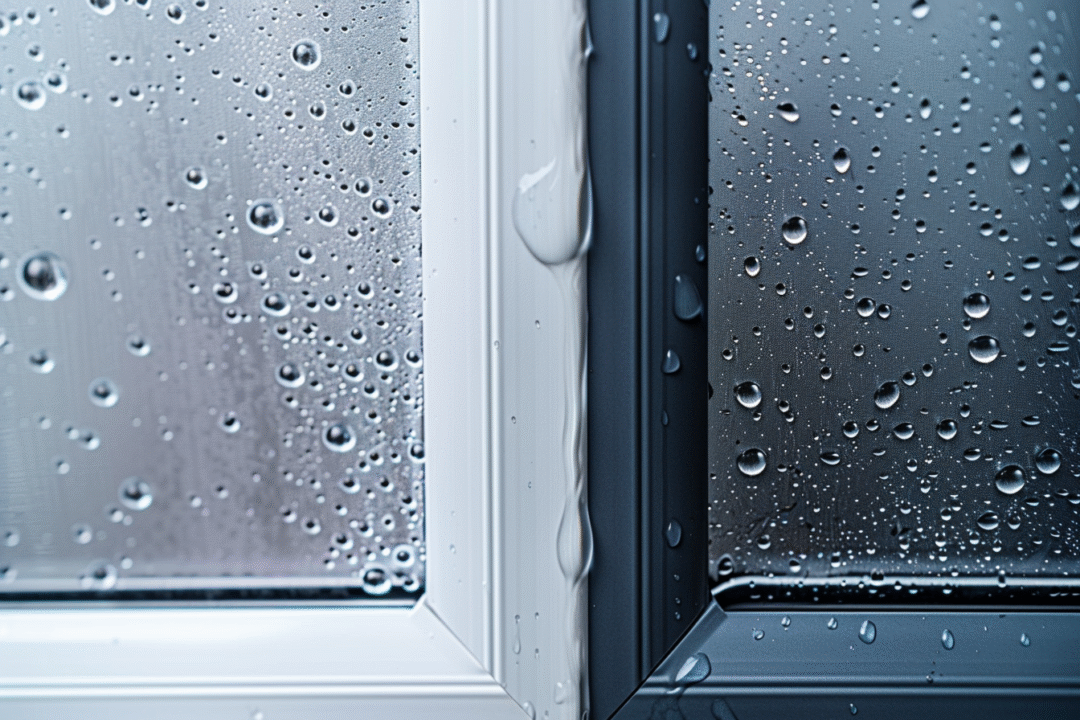
It separates the cold exterior metal from the warm interior, preventing heat from escaping and condensation from forming.
Think of it like a built-in insulator between the inside and outside of your window or door frame.

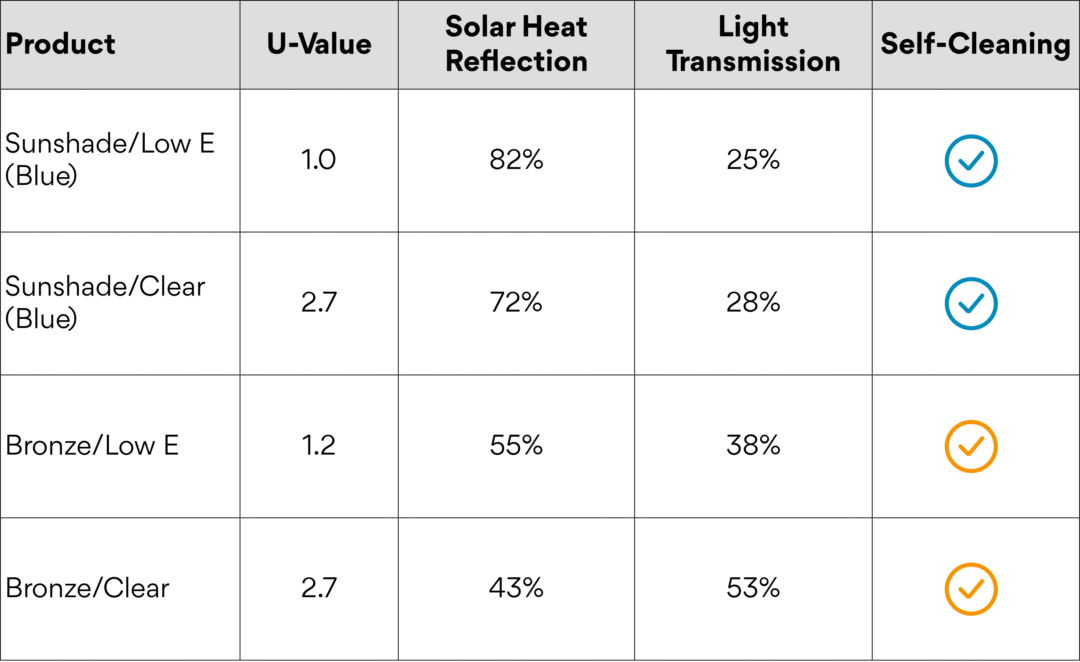
When paired with modern active glass or a tiled roof system, both achieve excellent year-round comfort.

Key point: The roof and glazing choice make more difference to warmth than the frame material alone.

3. Strength and Design Possibilities

Because it’s stronger, aluminium allows thinner frames and larger panes of glass without extra supports.

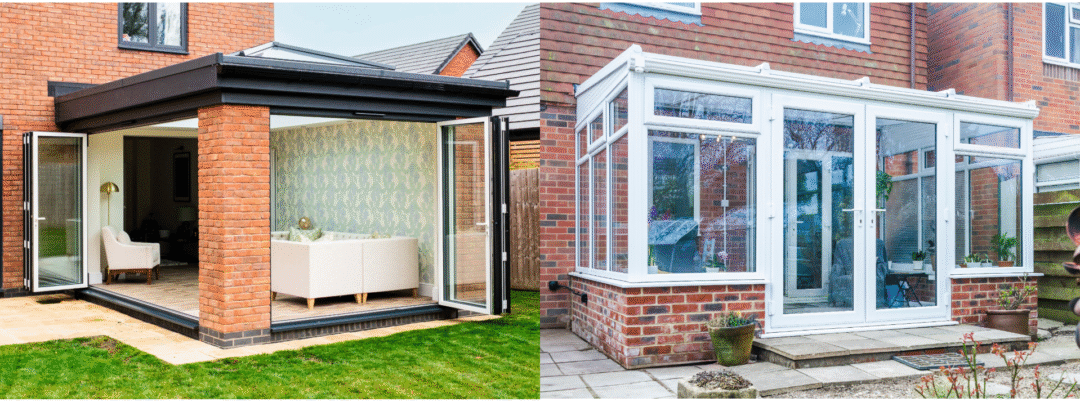
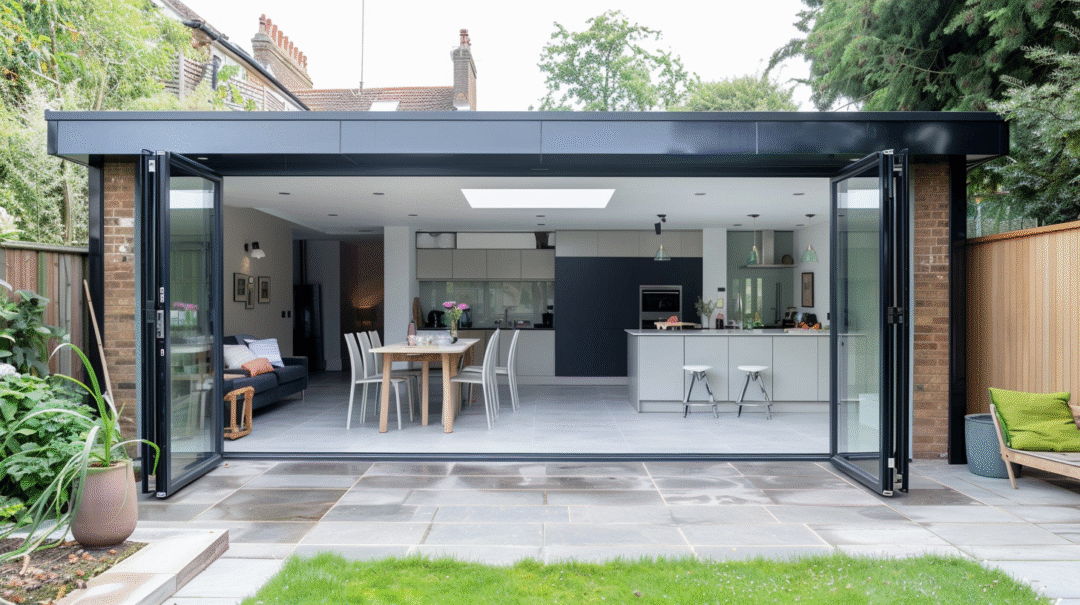
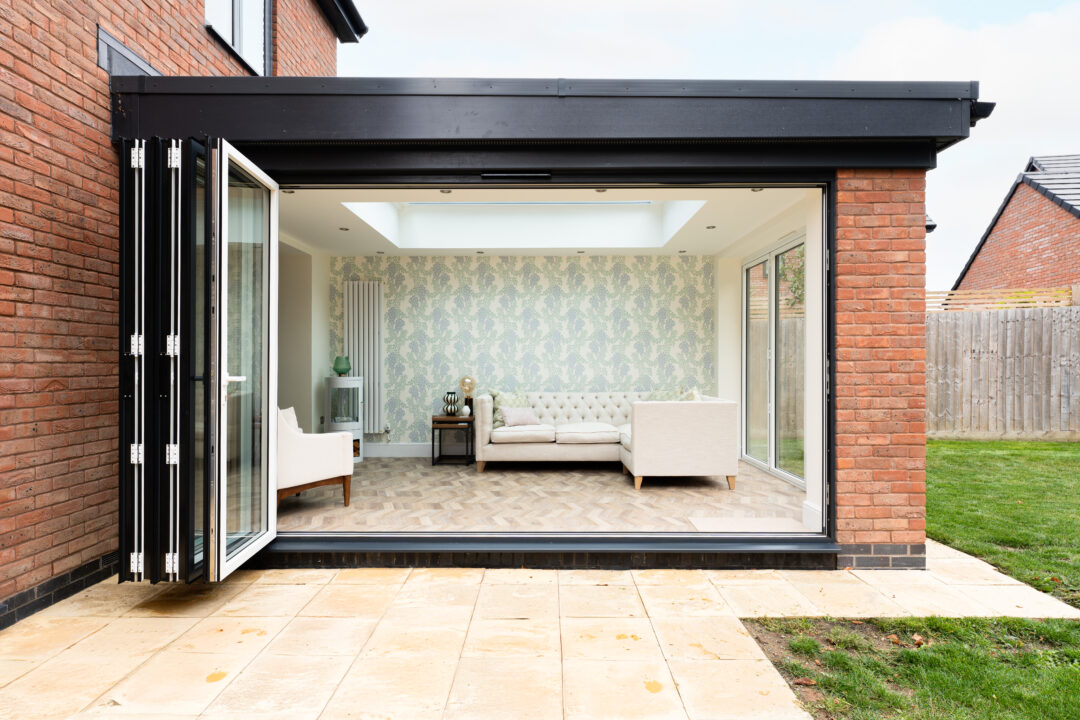
That’s why, on most projects featuring bifold or sliding doors, we’ll specify aluminium for the doors only. This allows the design to handle the size and movement safely and maintain slim sightlines.

The rest of the structure (apart from the roof) can often remain uPVC, keeping costs down and insulation high.

This hybrid approach delivers the best of both worlds: strong, stylish doors with an efficient, budget-friendly frame system.

However, if the goal is a fully contemporary look. Clean lines, minimal frame thickness, and matching colour throughout, then we’ll recommend going fully aluminium for a seamless aesthetic.

Precision Insight: Many customers choose aluminium doors with uPVC frames, but if your design focuses on symmetry or ultra-modern styling, a full aluminium system gives the sharpest finish.


4. Maintenance & Lifespan

Both materials are low-maintenance — no painting, no rusting, no warping.

Factor
uPVC
Aluminium
Cleaning Simple wipe-down twice a year Same
Colour fade May dull slightly after 20+ years Powder-coated finish resists fading for 30+ years
Repairs Easy and inexpensive Rarely required

Real-world view: We expect uPVC systems to last 25+ years and aluminium around 35+ years, depending on location and care.


5. Style & Colour Options

Both offer extensive customisation:

  • Unlimited RAL colours on both aluminium and uPVC.

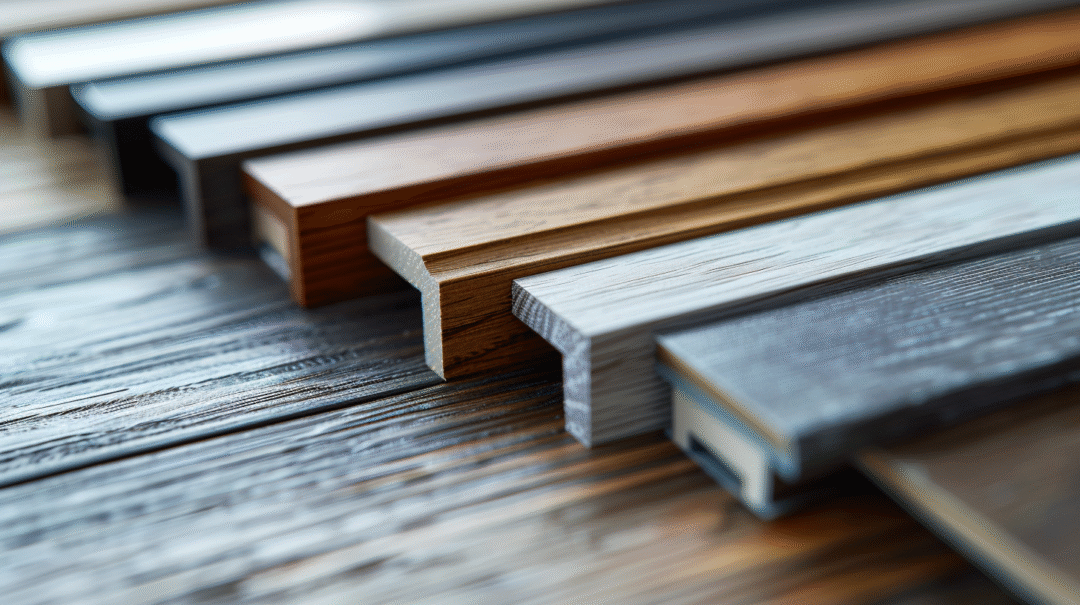
  • uPVC can also achieve realistic woodgrain effects. Rosewood, Golden Oak, Irish Oak, and more.

  • Aluminium provides a flawless, contemporary finish but cannot replicate woodgrain texture.

So, if you’re trying to match existing Rosewood windows, uPVC is ideal. If you’re after clean anthracite lines or dual-tone contrast, aluminium will look sharper.

5. Sustainability

Aluminium is one of the most recyclable materials on earth. It can be reused indefinitely without losing quality.

uPVC is also recyclable, though it slightly downgrades each time it’s reused.

Both materials are eco-friendly options when sourced responsibly and installed with energy-efficient glazing.

5. Quick Summary

Priority
Best Choice
Lower cost uPVC
Sleek, modern design Aluminium
Woodgrain / heritage look uPVC
Large openings (bifolds/sliders) Aluminium
Long lifespan Aluminium
Energy efficiency Both (depends on roof/glass)

Our Honest View

Every home and every homeowner is different. 

Aluminium offers strength, sharp lines, and a longer lifespan. uPVC offers warmth, flexibility, and the option to match existing finishes.

At Precision, we design in both materials because the best system is the one that fits your space, budget, and style not a one-size-fits-all answer.

Find out more

See the Difference in Person

Book a free design consultation and see both uPVC and aluminium frame samples side-by-side. So you can feel the difference yourself.

Sauna in Summer, Icebox in Winter? Here’s How We Fix the Conservatory Problem

Say goodbye to extreme temperatures—discover the smart upgrades that turn your conservatory into a comfortable, year-round living space.

last updated Sep 3, 2025
category Guides
Share with friends

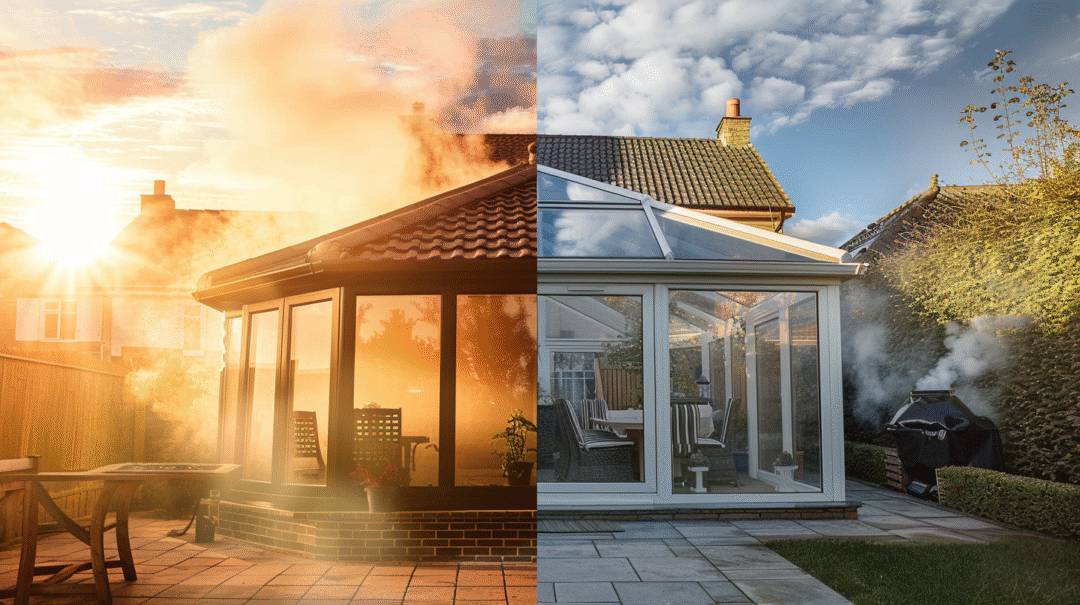
We’ve all heard the joke… Conservatories are either boiling hot in summer or freezing cold in winter.

And honestly? Older builds earned that reputation. They had thin polycarbonate roofs, poor ventilation, and no insulation. But modern conservatories? They have come a long way.

Here’s how we tackle the usual conservatory temperature problem to ensure yours stays comfortable all year long:

1. Upgrade the Roof

The roof is the biggest game changer. We offer options like:

  • Tiled insulated roofs – create a solid extension feel, with fantastic thermal performance.
  • Hybrid roofs – a mix of solid panels and glazing to let in light without the heat.
  • High-performance glass roofs – with solar control, heat reflection, and noise reduction.

You don’t need to choose between light and comfort anymore—you can have both.

2. Use Active Glass

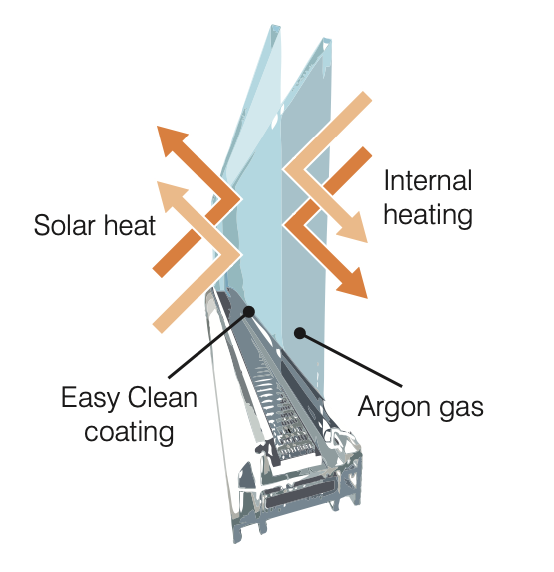
Forget the old greenhouse effect. Our active glazing reflects heat away in summer and retains warmth in winter. Bonus: It also cuts glare and helps keep the glass clean by breaking down dirt and debris. This is especially useful near trees or if birds visit often.

3. Insulate and Ventilate

Good insulation is key—not just in the roof, but in the base, walls, and frames. And just as important? Proper ventilation. Opening vents, trickle vents, and even a small roof vent can make a huge difference to airflow and comfort.


4. Choose Quality Frames and Doors

Cheap uPVC frames can let draughts in and heat out. We use high quality, energy-saving frames and doors. They keep your conservatory snug and at a steady temperature. So, you won’t shiver in winter or sweat by mid-morning.


5. Think Ahead with Heating and cooling

Plan for comfort, not just structure. Options like:

  • Underfloor heating
  • Slimline radiators
  • Ceiling fans or smart blinds …can help you control the environment year-round.

The result? A room you can actually use—every single day of the year.

Whether you’re using it as a kitchen extension, playroom, garden lounge or even a home office, a properly built conservatory adds space and value—without becoming a seasonal regret.

Find out more

Want to transform yours? Or design a new one that gets it right the first time?

Book a free 30-minute consultation with one of our experts and let’s create a space that works all year round.

Which One Wins? The Truth About Conservatories and Orangeries

They might look similar at first glance, but conservatories and orangeries offer very different styles, structures, and benefits. Here’s what sets them apart and how to choose the right one for your home.
last updated Aug 12, 2025
category Guides
Share with friends

One of the most common questions we get asked is, “Should I choose a conservatory or an orangery?””

Both add space, light, and value to your home. But they have different builds, feel different, and suit different needs. Let’s break it down.

What is a Conservatory?

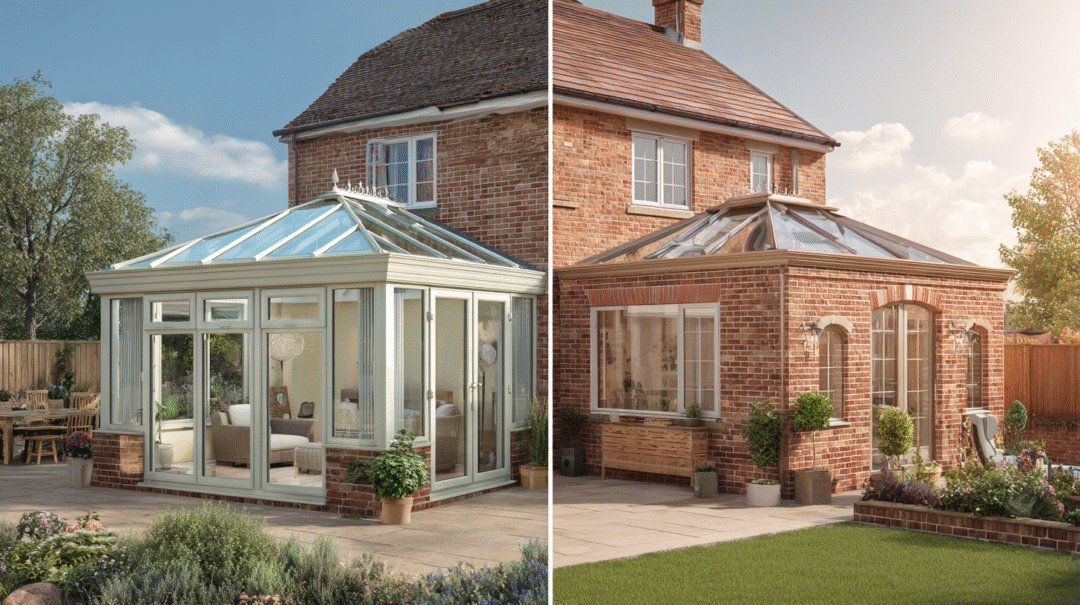
A conservatory is a fully glazed structure, typically with:

  • Large glass walls on all sides
  • A glass roof (or more recently, a hybrid or tiled roof)
  • A lighter, brighter feel with garden views all around

Conservatories are designed to bring the outside in. They bring in plenty of natural light. They are great if you want a room that feels linked to your garden.

What is an Orangery?

An orangery is a sturdy, room-like structure. It mixes classic extension features with big windows and a central roof lantern. It typically includes:

  • Solid pillars or brickwork walls (often 50%+ of the structure)
  • A flat roof with a central glazed lantern
  • More insulation and a cosier feel

Orangeries feel more like a seamless continuation of your home. They are ideal for kitchens, dining rooms, or lounges that need a balance of light and structure.

Main differences at a Glance

Feature
Conservatory
Orangery
Wall Structure Mostly glass Solid walls with glass inserts
Roof Often fully glazed or hybrid Flat roof with central lantern
Appearance Bright, airy, garden-facing Elegant, architectural, extension-style
Feel Light-filled and open Cosy, solid, room-like
Best for Garden rooms, lounges Kitchens, dining areas, year-round use


Which one should you choose?

The right choice depends on:

  • How you’ll use the space — e.g., daily family use vs. occasional lounging
  • How much light you want vs. insulation
  • The style of your home — traditional vs. modern, detached vs. semi
  • Your budget and timeline

Need lots of light and a garden connection? A conservatory could be perfect. Want something more substantial, with that “extension feel”? An orangery might be the better fit.


Or have the best of both

Thanks to modern materials and clever design, you can now mix features from both:

  • Glazed walls with insulated pelmets
  • Solid base walls with large doors
  • Roofs that combine tiled sections and roof lights

We’ll help you design a space that looks and feels exactly how you want it — without needing to squeeze into one label.

Find out more

Need Help Choosing? Lets Speak.

Book a free 30-minute consultation and we’ll help you decide what works best for your home, your lifestyle, and your goals. No pressure — just clear advice and real options.

Extension Prices are Skyrocketing! Here’s Why You Shouldn’t be Overpaying

Building costs are rising, but that doesn’t mean you have to blow your budget. Here’s how to get real value and avoid paying more than you need to.

last updated Aug 1, 2025
category Guides
Share with friends

If you’re considering extending your home, you’ve likely heard this: “Prices have gone up!”

It’s true—materials, labour, and construction costs have gone up a lot in the last few years.

But here’s the important thing: Higher prices don’t automatically mean better quality. And you absolutely shouldn’t be overpaying for your dream extension.

Here’s what’s really happening—and how you can protect your budget.

1. Material and Labour Costs Are Up… But Some Quotes Are Still Inflated

There’s no doubt raw material prices (like timber, steel, and insulation) have gone up due to global supply chain issues. Labour shortages have also pushed wages higher.

But some companies are using general price rises as an excuse to hike their quotes far beyond what’s reasonable. It’s one thing to reflect real costs—it’s another to cash in on customer fears.

That’s why getting multiple quotes and understanding what’s included is so important right now.

2. Bigger Companies Often Have Bigger Overheads

National brands and large regional firms usually have extra costs:

  • Showrooms
  • Advertising campaigns
  • Big sales teams
  • Many layers of management

And all that overhead gets built into their pricing. Picking a trusted local company with a good reputation can save you money—without losing quality.

3. Not All Quotes Are Equal

It’s easy to get dazzled by a slick presentation, but make sure you’re comparing like for like.

A detailed quote should include:

  • Groundworks and foundations
  • Insulation and energy efficiency measures
  • Structural work (like steel beams)
  • Glazing and door specifications
  • Finishes, electrics, and plumbing
  • Project management

A low quote that misses key work can lead to higher costs later due to added extras and surprises.

Buy cheap, pay twice!

4. Smart Design = Smart Savings

The right design choices can make a huge difference to costs. We help our clients find clever ways to:

  • Simplify roof structures
  • Optimise foundation design
  • Choose efficient glazing without blowing the budget
  • Plan layouts that use existing walls smartly

Good design not only looks great—it saves money without you even noticing.

5. Transparent Communication Matters More Than Ever

You deserve clear, open communication at every step. We every company should explain:

  • Why certain choices affect the price
  • What’s included—and what isn’t
  • How extras are handled if anything unexpected crops up.

No smoke and mirrors. Just honest, expert advice to help you make smart decisions.

Bottom line? You do not have to overpay to get an incredible extension.

You need the right team who know how to balance quality, design, and budget—without cutting corners.

Find out more

Worried about getting the best value for your extension?

Book a free 30-minute consultation with one of our experts. We’ll give you straight advice, help you compare quotes, and show you how to get real value without wasting a penny.

Have a Bungalow? Think You Can’t Have a Conservatory? Think Again!

Worried your bungalow roofline will limit your conservatory options? Here’s how we create stunning, practical spaces for single-storey homes.

last updated Jul 7, 2025
category Guides
Share with friends

Have a Bungalow? Think You Can’t have a conservatory? think again!

If you own a bungalow and dream of a conservatory, you may think it’s hard or even impossible to achieve your ideal design. Low rooflines, limited height, awkward joins… they can all make the idea seem out of reach.

But good news: we solve these challenges every day. With the right design, you can add a stunning, light-filled conservatory to your bungalow. It will enhance your space and blend perfectly with your home.

Here’s how we make it happen:

1. Specialist Roof Designs for Bungalows

The biggest challenge is often the roof connection. Bungalows have a lower eaves height compared to two-storey houses. This means a standard conservatory roof sometimes won’t fit.

…what is eaves height?

the part of a roof that meets or overhangs the walls of a building.

We overcome this by using specialist options like:

  • Hipped back roofs – Designed to fit seamlessly beneath your existing bungalow roof.
  • Box gutters – To create a perfect join between the house and the new conservatory
  • Low-pitch or shallow roofs – Especially designed for single-storey properties

This keeps the structure solid, watertight, and looking like a natural extension of your home—not an afterthought.

2. Flexible Conservatory Styles

Even with height limitations, you still have plenty of design options. Popular styles for bungalows include:

  • Lean-to conservatories – Clean, simple, and perfect for low eaves
  • Edwardian conservatories – With some roof modifications for extra headroom and usable floor space
  • Orangery-style extensions – Combining solid and glass roofs for a “real room” feel

You can tailor each design to fit your space, your needs, and your personal style.

3. Glazing and Insulation Upgrades

Adding a conservatory to a bungalow isn’t just about fitting it in—it’s about making it usable year-round. We use advanced glazing and insulated walls. This keeps your space warm in winter, cool in summer, and saves energy year-round.

Think of it less like an “extra” room—and more like a natural extension of your living space.

4. Planning Permission? We’ll Guide You

Due to height and boundary rules some projects need planning permission. Especially if you are close to a neighbour. But don’t worry—we handle all that for you.

We will advise you on whether your project falls under Permitted Development (meaning no formal permission is needed) or whether we should apply for smooth approval on your behalf.

No stress, no guesswork.

5. A Conservatory That Adds Value and Lifestyle

A well-designed conservatory can significantly enhance the value of your bungalow. It improves your home’s worth and enhances your quality of life. It’s the perfect space for:

  • Morning coffee overlooking the garden
  • A bright home office
  • A hobby room filled with light
  • A relaxing lounge space for family and friends

It’s not about compromise. It’s about creating the home you’ve always wanted—just tailored to your bungalow.

Ready to see what’s possible for your bungalow?

Find out more

Need help figuring it out?

Book a free 30-minute consultation with one of our design experts. We’ll show you real examples, answer your questions, and help you plan the perfect conservatory—no compromises needed.

5 Top Tips for Choosing the Right Company for Your Extension

Choosing the right company can make or break your project—here are five essential tips to help you hire with confidence.

last updated Jul 7, 2025
category Guides
Share with friends

5 Tips for Choosing the right company for your extension

Our homes are our greatest asset. Whether that’s a place to bring family and friends together to make lasting memories, or a space to grow, invest in, and shape around your lifestyle—they matter. Yet, many homes are too small for how we want to live. A 2024 survey by Confused.com shows that around 32% of UK homeowners plan to renovate their homes. 

Choosing the right company is one of the most important decisions you will make—and it can make or break the whole experience.

Here are our top 5 tips to help you choose a company who’s not just good on paper, but great in practice.

1. Get multiple quotes

Get quotes from a range of different companies. Large national firms often have showrooms and run big marketing campaigns. This can make you feel more secure. But they have to factor the cost of expensive overheads into their prices. The end result is that customers often experience heavy pressure sales. In contrast, a smaller local company can offer a more personal service. 

By speaking to different companies, you will hear new ideas. You can explore more options, so you’ll feel sure about the best choice for your home. 
2. Check Their Track Record

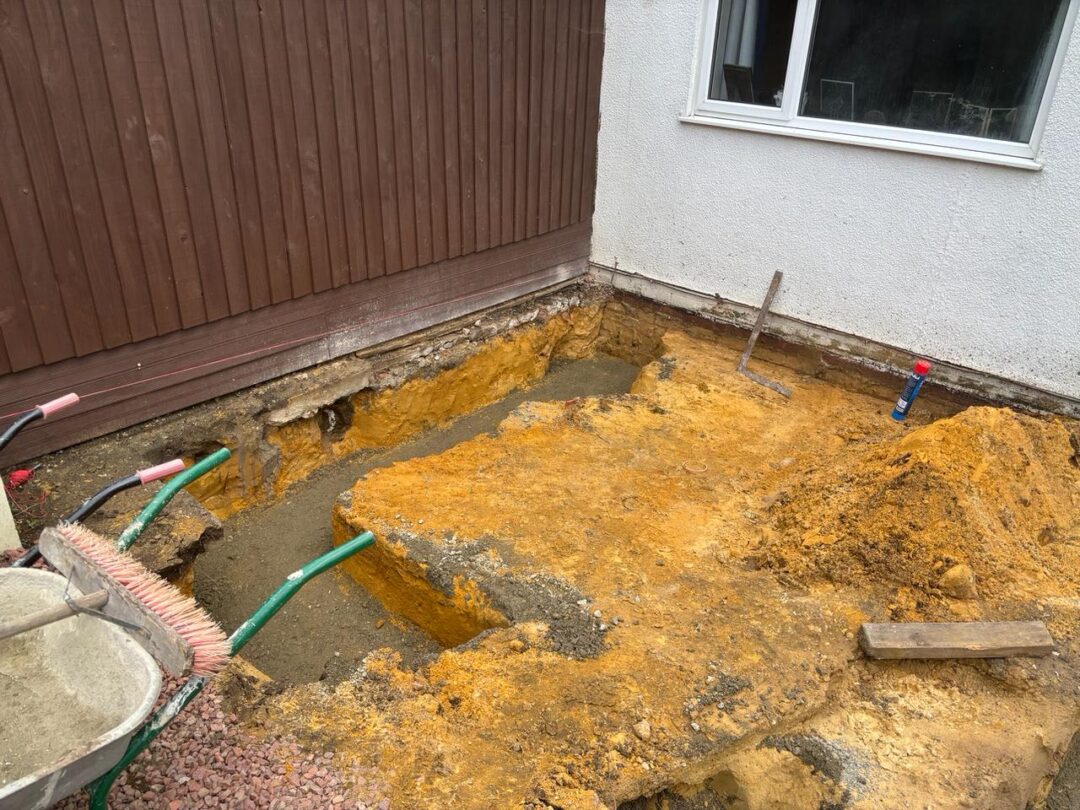
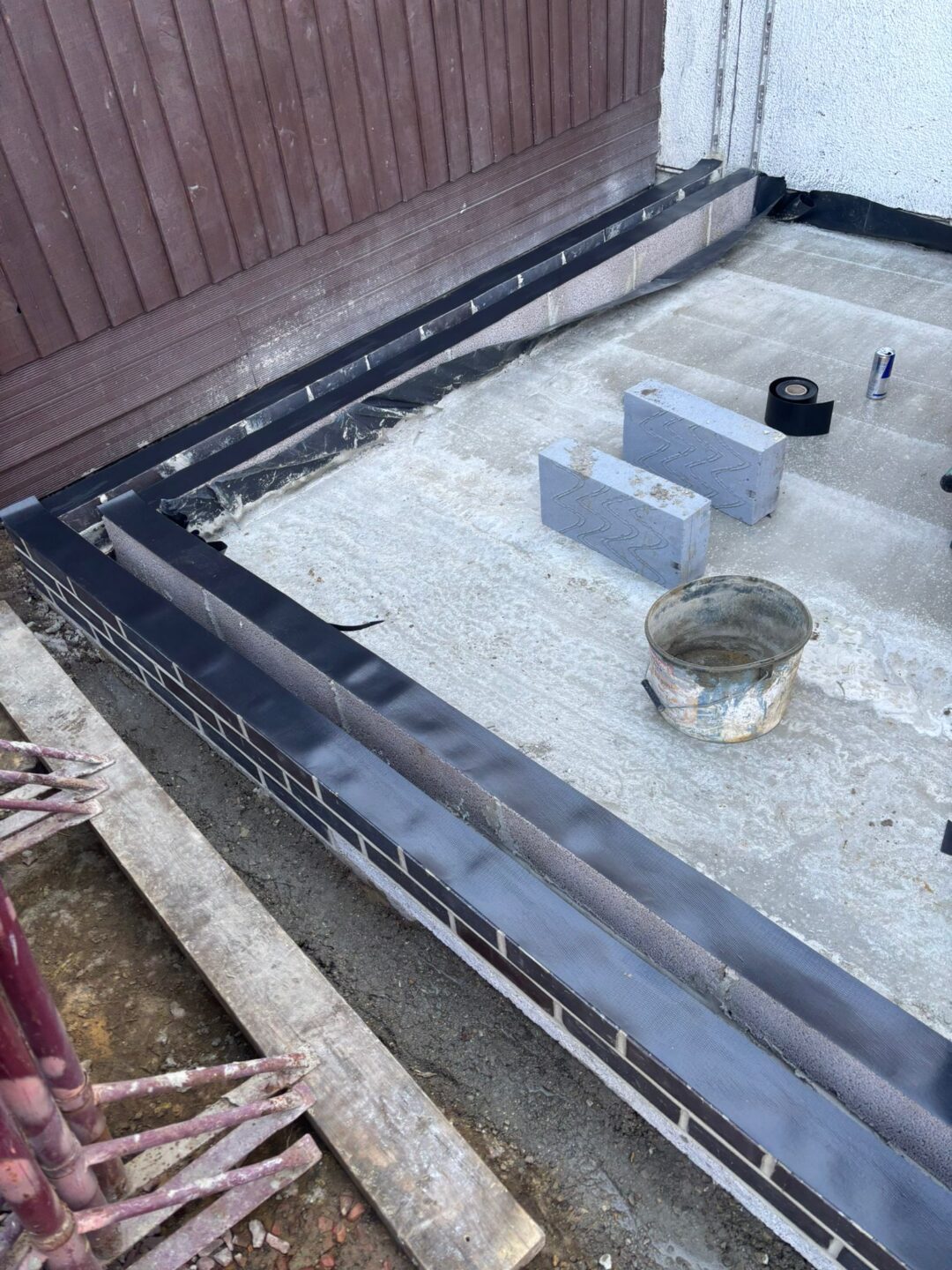
Don’t just look at glossy photos—ask to see real past projects. A trusted company will gladly share case studies, before-and-after photos, or let you talk to past customers.

Look for experience in projects similar to yours, not just general building work.

Ask to see:

  • Before-and-after photos of similar extensions
  • Case studies showing how they approached challenges and delivered results
  • Customer testimonials or references you see online or speak to directly. 

You want to know they’ve done your type of project before—whether it’s a rear extension, orangery, kitchen knock-through, or full wraparound build. Experience with similar styles, budgets, and planning rules really matters.

A solid track record gives you confidence. You can trust them to keep their promises, tackle surprises, and provide a result you’ll love.

3. Ask About their process

A good company will guide you through planning, design, and construction—not just show up with a hammer. At the outset they will have a clear idea of the type of project that is going to best match your brief. Before you order, make sure you understand what this project involves. 

Ask questions like:

  • Will they help with planning permission or drawings?
  • Do they provide a detailed schedule and timeline?
  • Who will be your main point of contact?

Clarity upfront avoids confusion later.

4. Look for Clear, itemised quotes

A vague quote is a red flag. You want all the quoted works listed so there is no ambiguity about what work is being carried out. 

You should expect a complete quote along with colour 3D CAD drawings. This way, you can see exactly how it looks from every angle. Again, there is no ambiguity.

If something’s unclear—ask. A trustworthy company won’t mind explaining the details.

5. Trust your gut

If communication feels off from the start, or something doesn’t sit right—listen to that feeling. You’ll be working with this team for weeks or months in your home. Trust and communication matter as much as skills.
Bonus Tip: Don’t Choose Based on Price Alone The cheapest quote is rarely the best value. Focus on quality, trust, and a team you feel confident in—not just the bottom line.
Find out more

Need help figuring it out?

We’ve helped hundreds of homeowners decide whether to stay and improve, or sell and start fresh. Book a free 30-minute consultation with one of our team—we’ll help you weigh up the pros and cons with honest, expert advice.