0800 061 4878 Mon - Sat, 8am - 5pm

10 year guarantee on all projects

No-obligation quotes available

Fast & professional installation with no hidden costs

Make great savings this Winter– save up to an extra 30% on all conservatory, orangeries & extensions

From the Ground Up – #4

Real Projects. Real Progress. Real Homes. Welcome to From the Ground Up. Our weekly blog series sharing real progress from live projects across the region. From groundwork to glazing. Follow the journey as we build beautiful, functional spaces that transform the way people live in their homes.

last updated Nov 28, 2025
category News
Share with friends

This Week We have Seen Solid Progress.

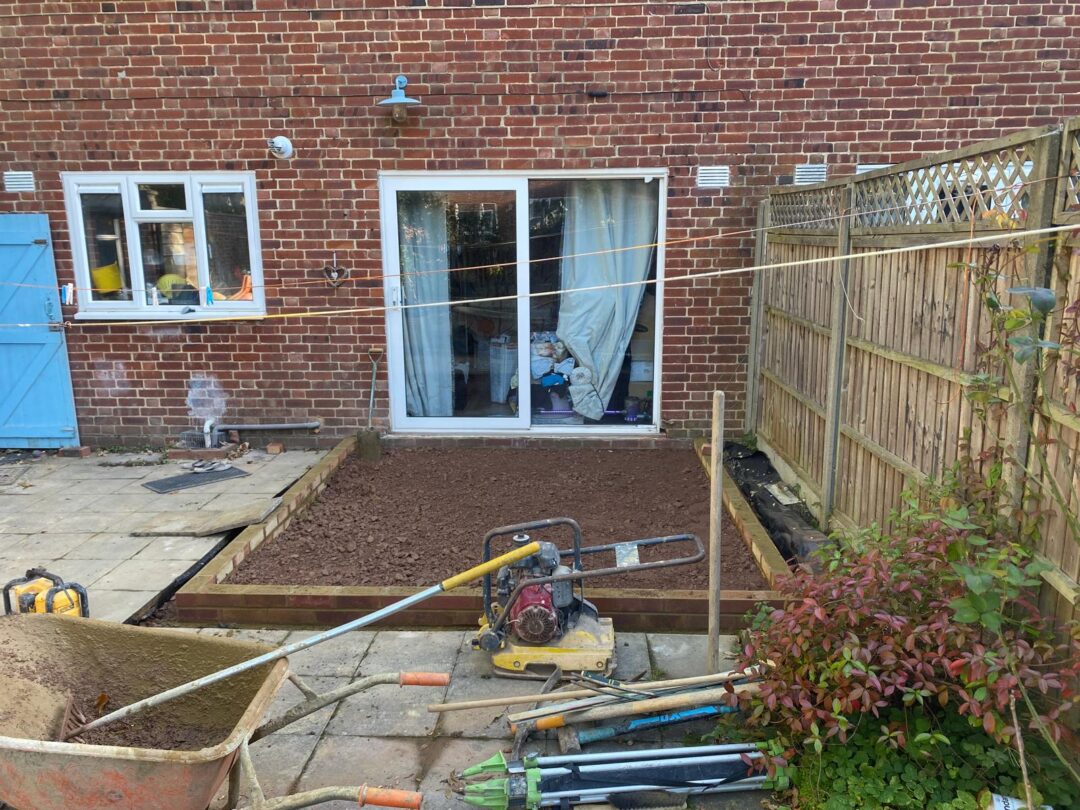
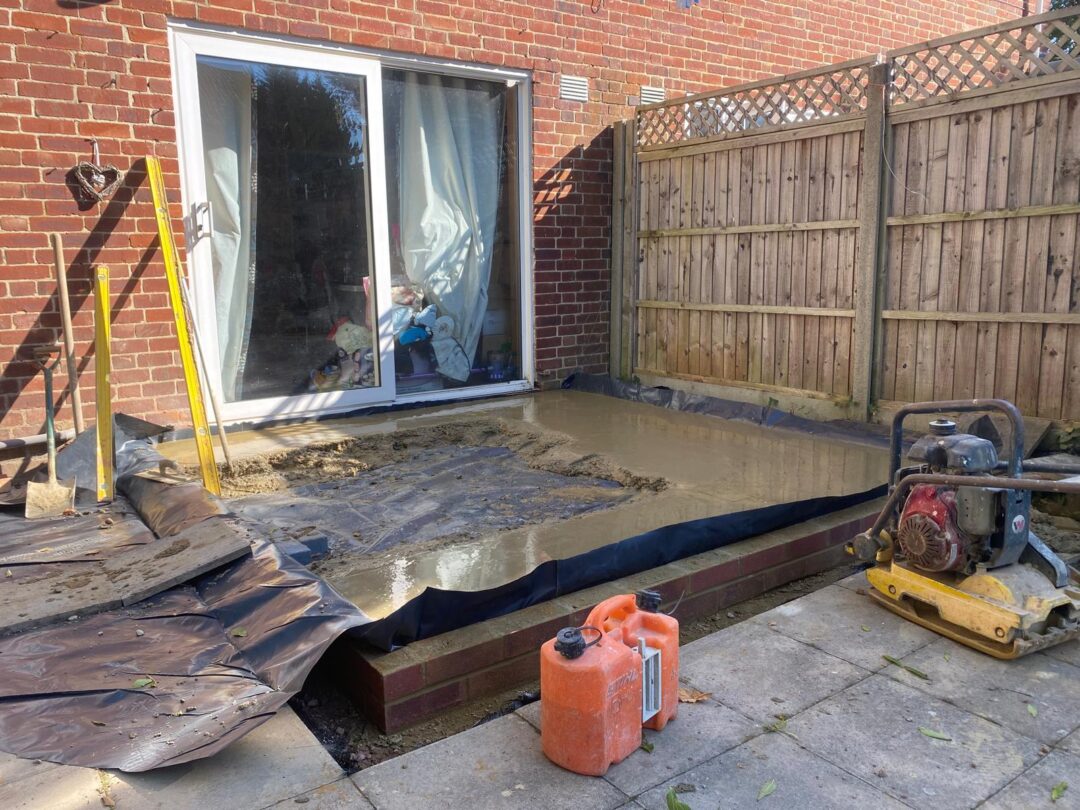
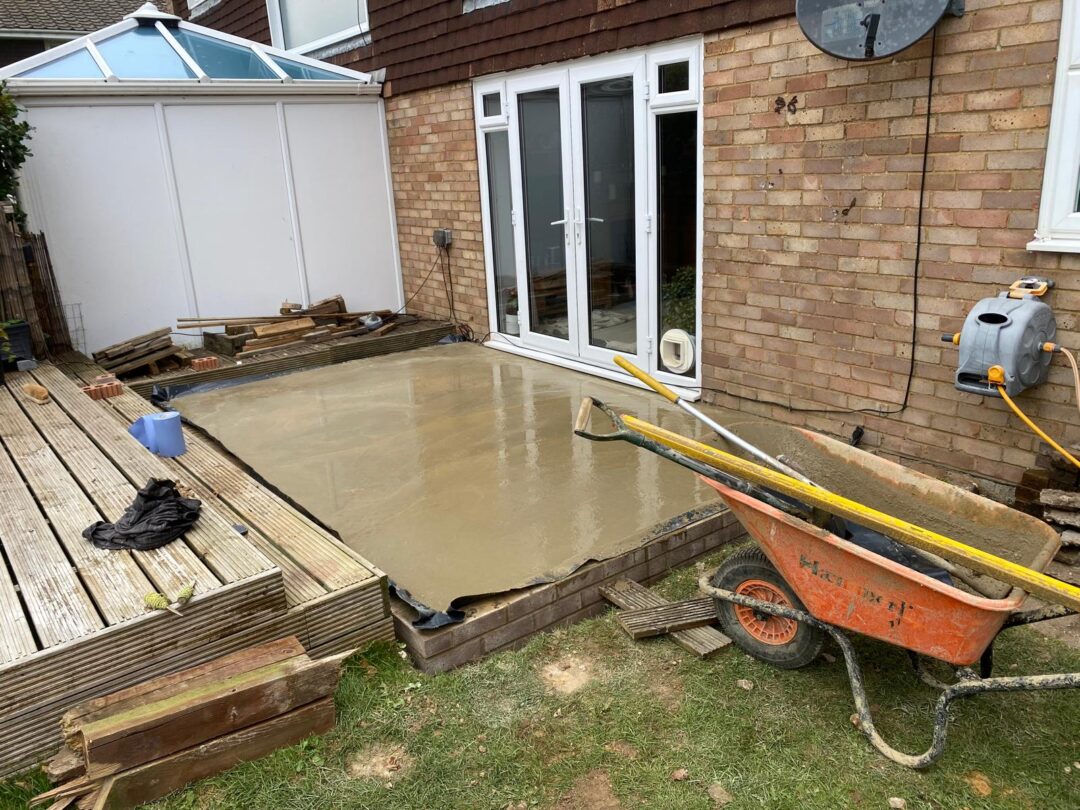
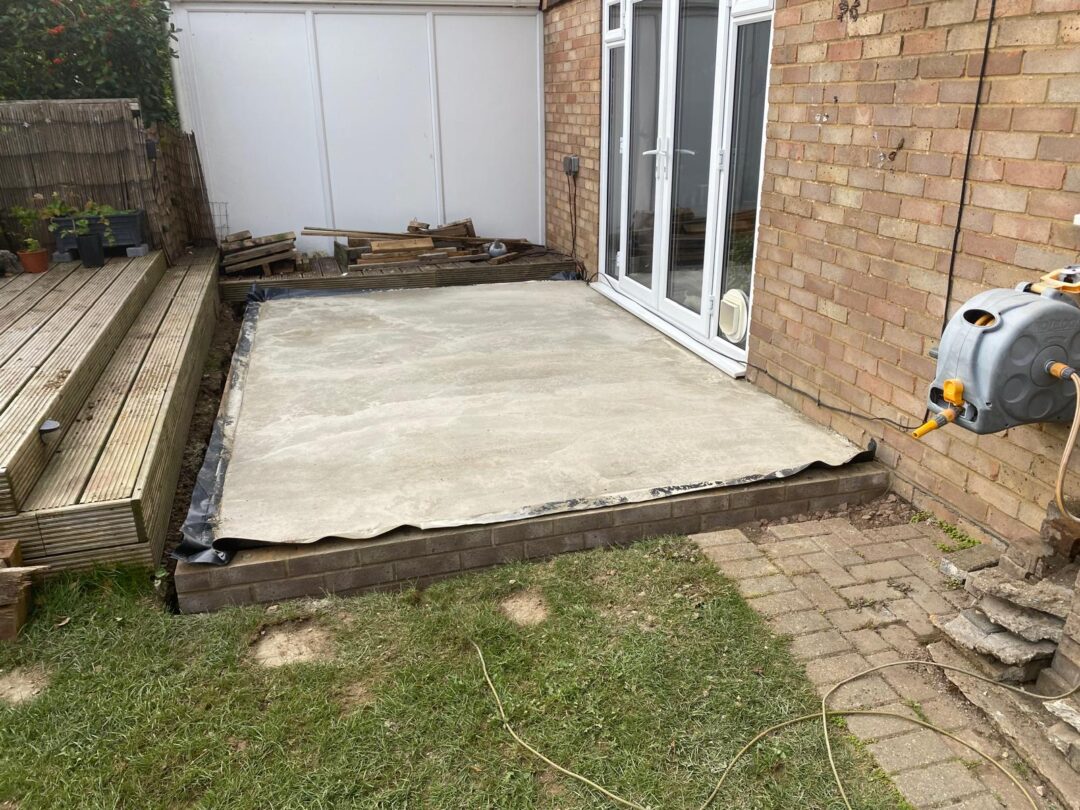
From new footings going in, to patios being laid and finishing touches taking shape. In Seaford, our team has built a new base to tie seamlessly into the existing home. Over in Bracknell, work has begun on a brand-new orangery. Whilst in Hove, last week’s conservatory base now has a beautiful new patio to complete the space.

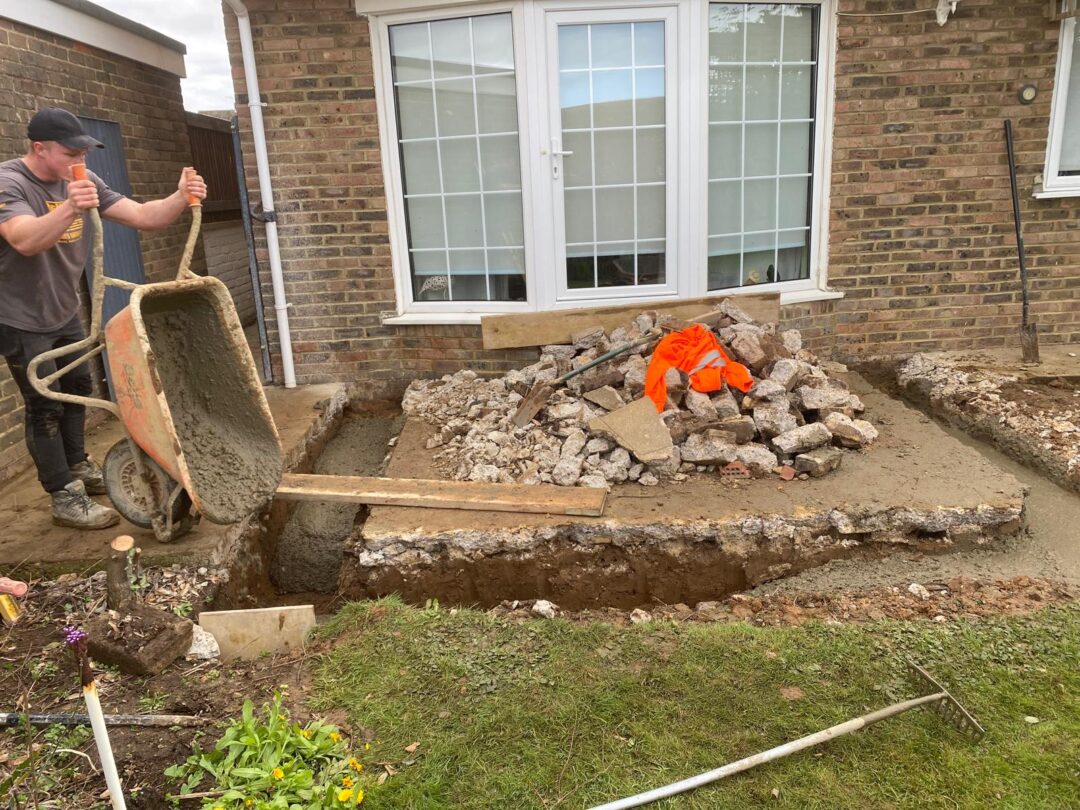
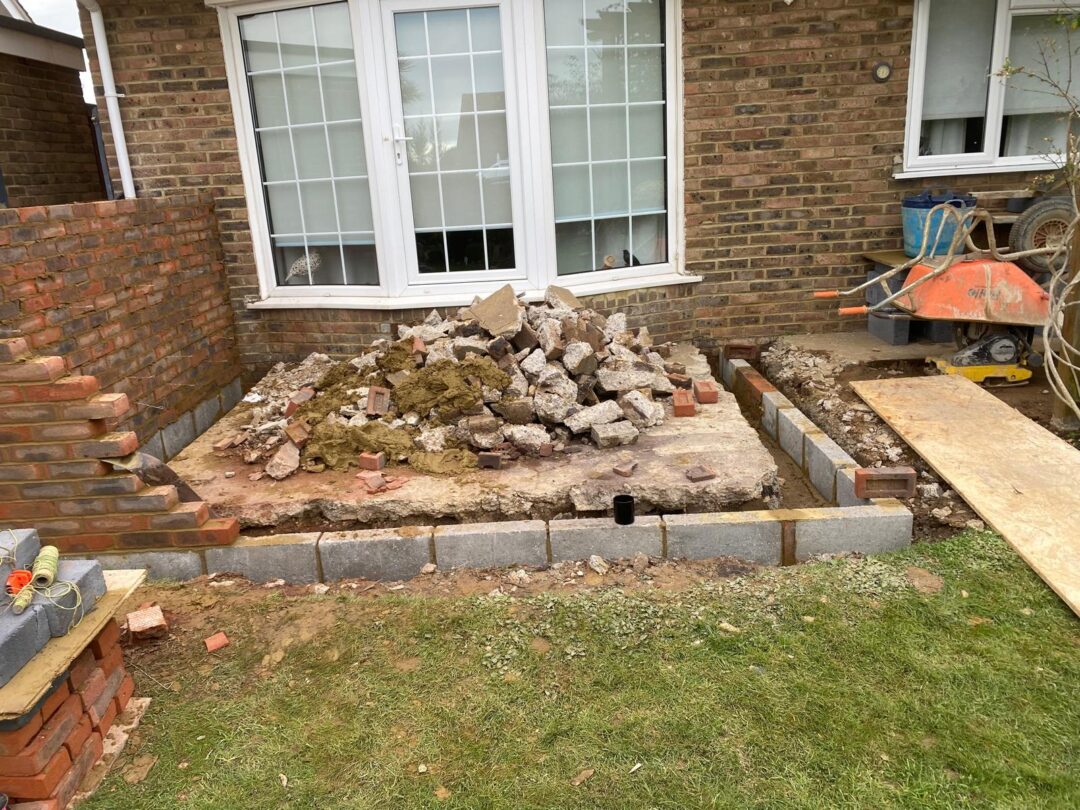
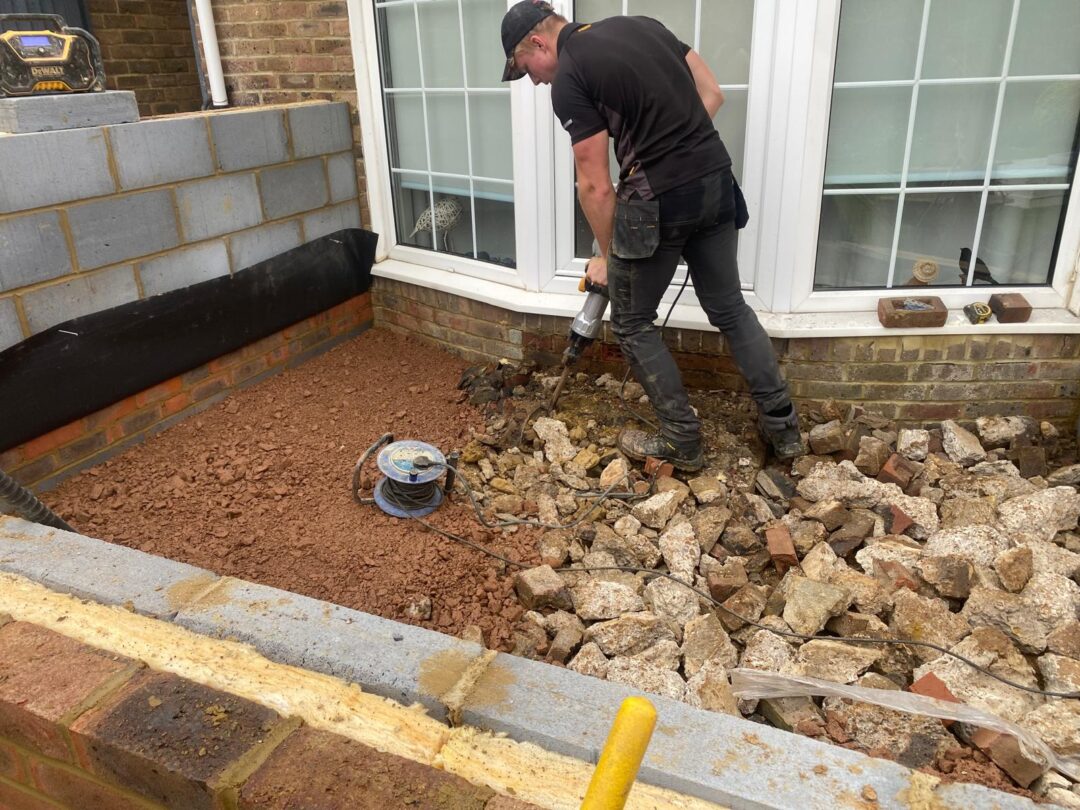
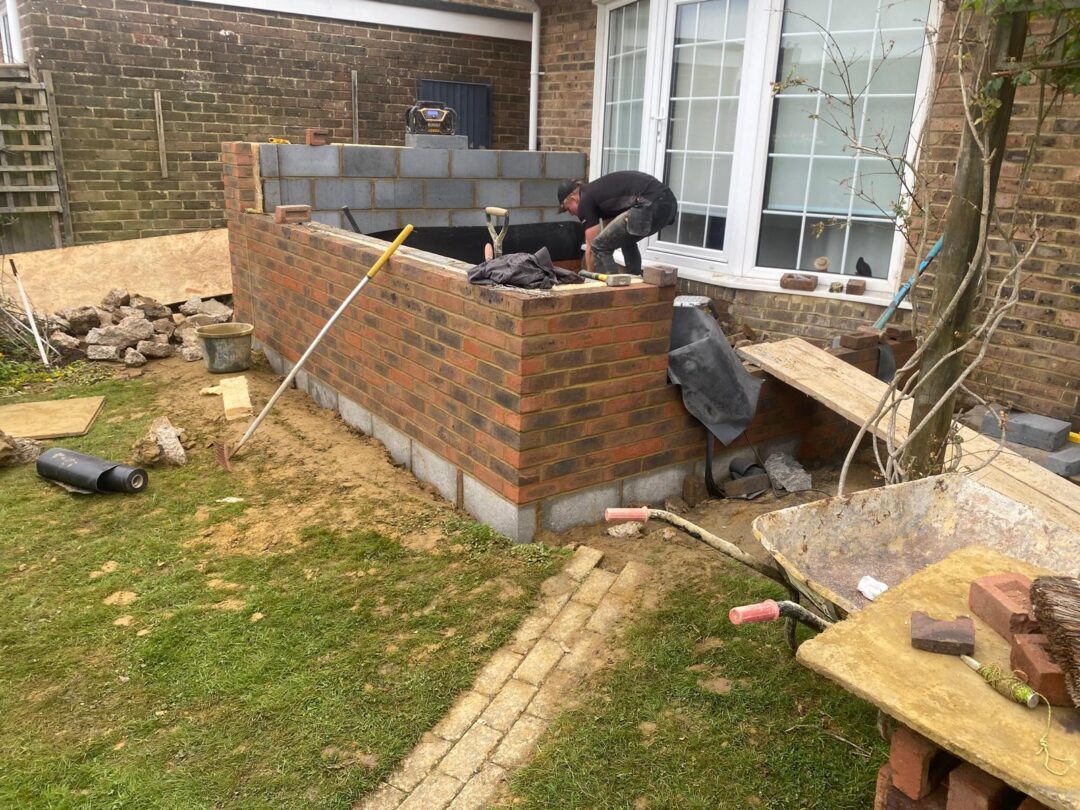
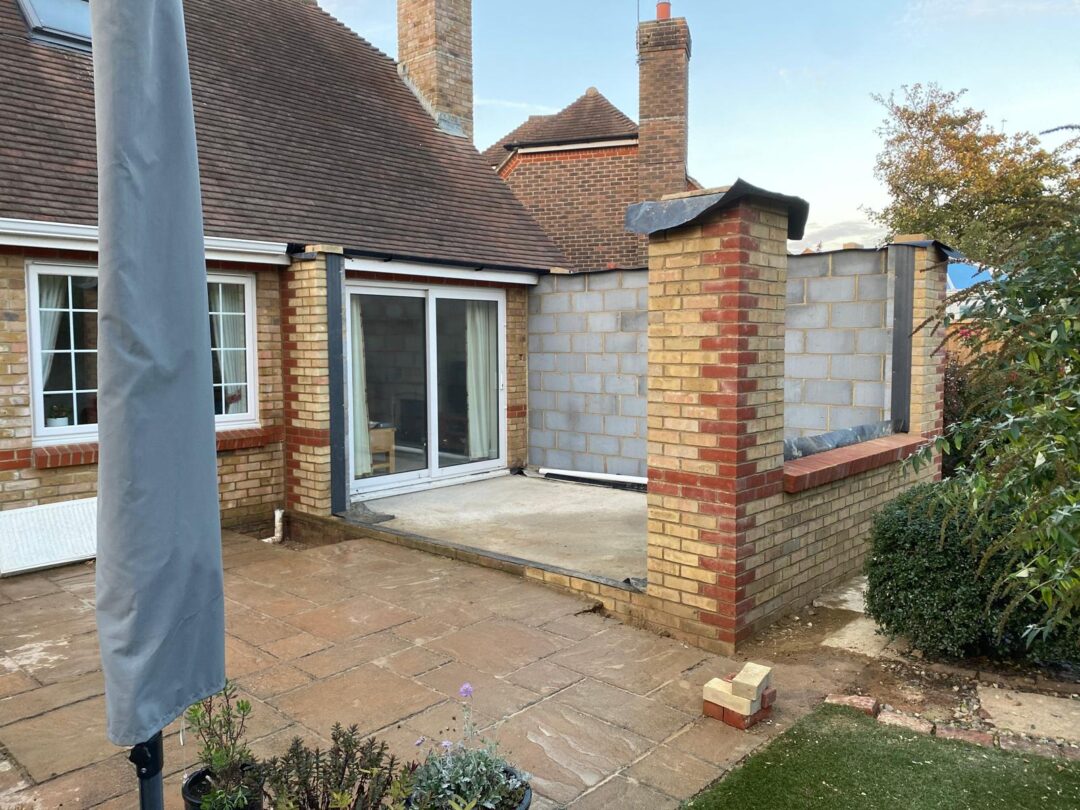
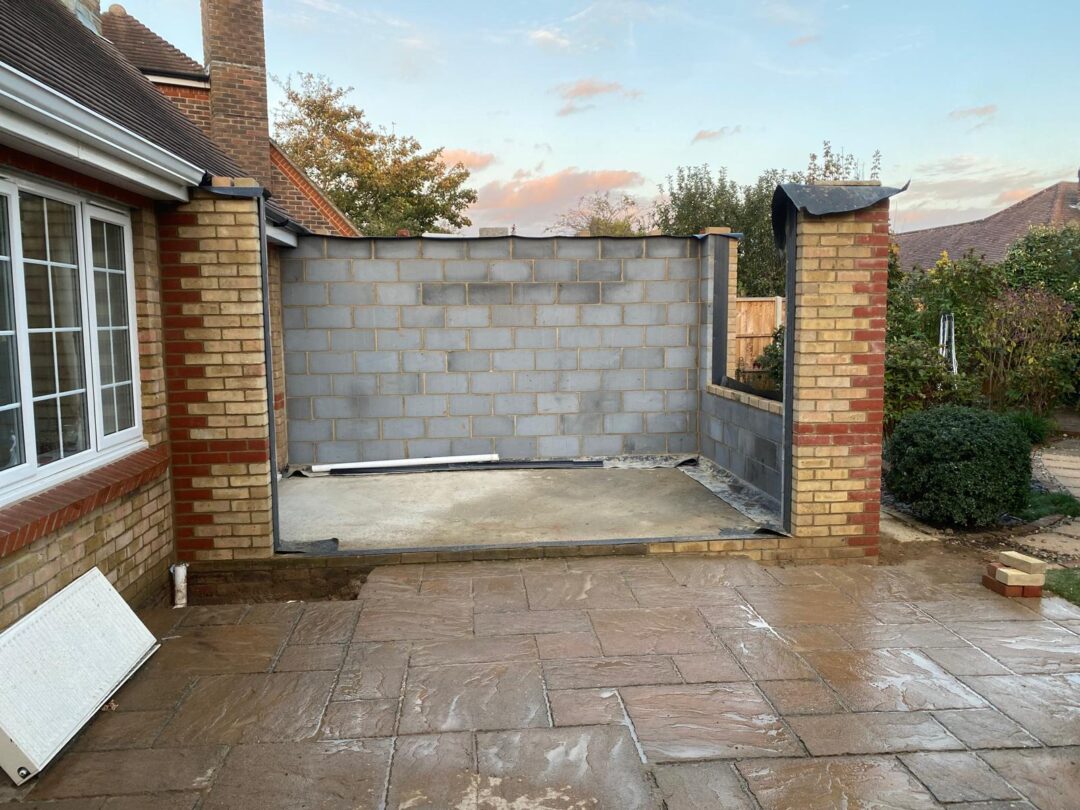
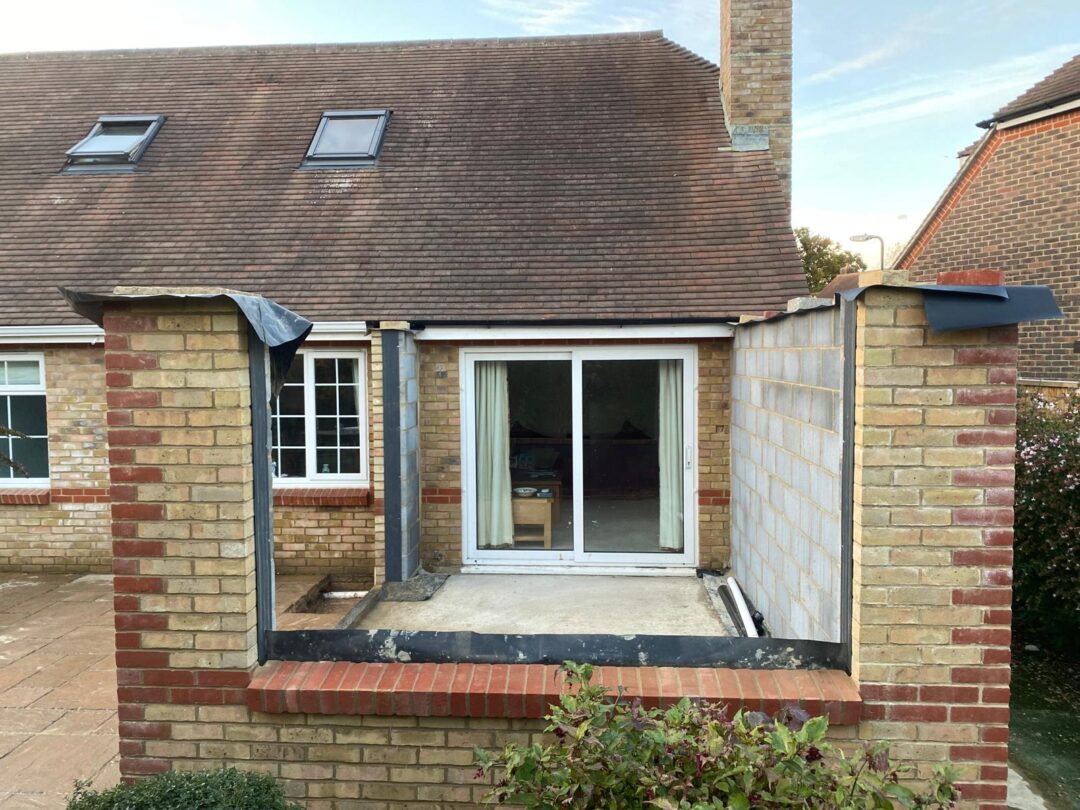
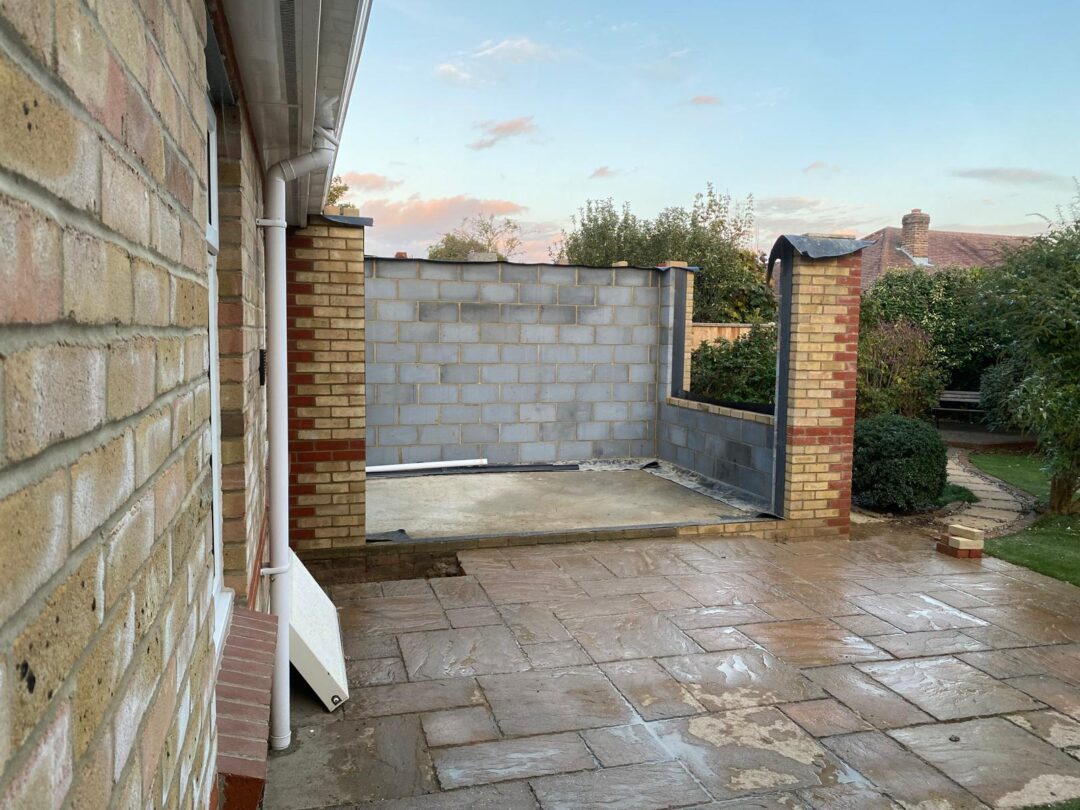
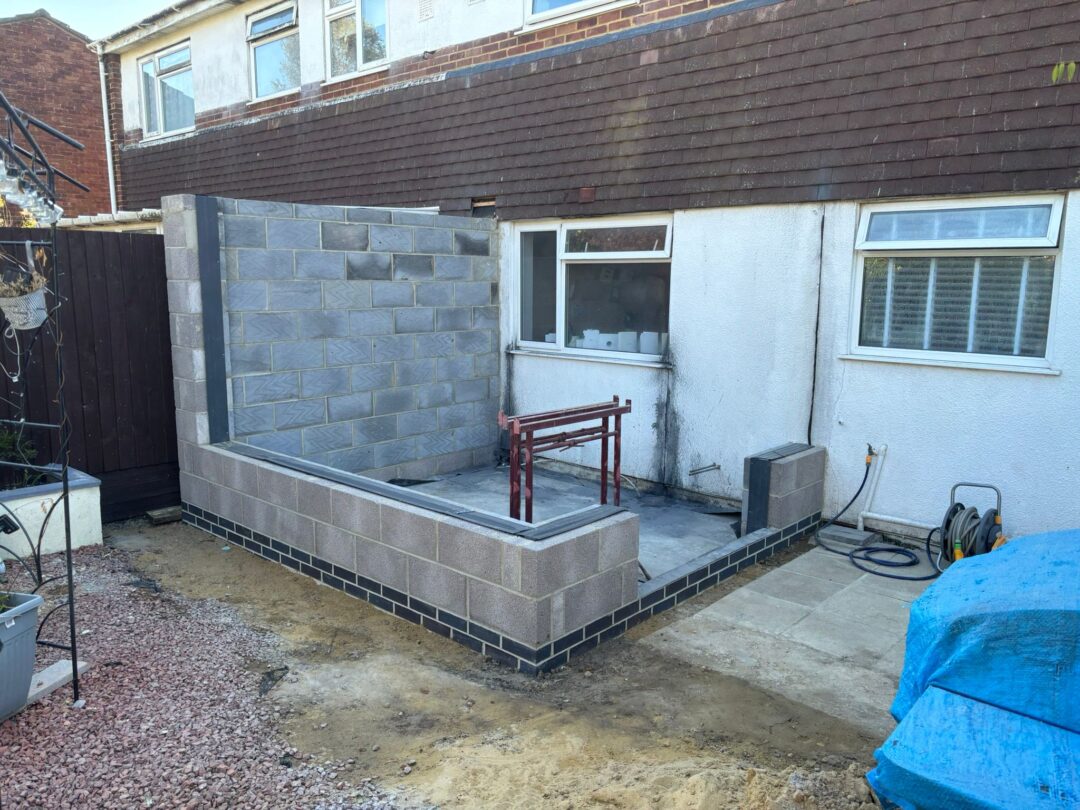
Seaford

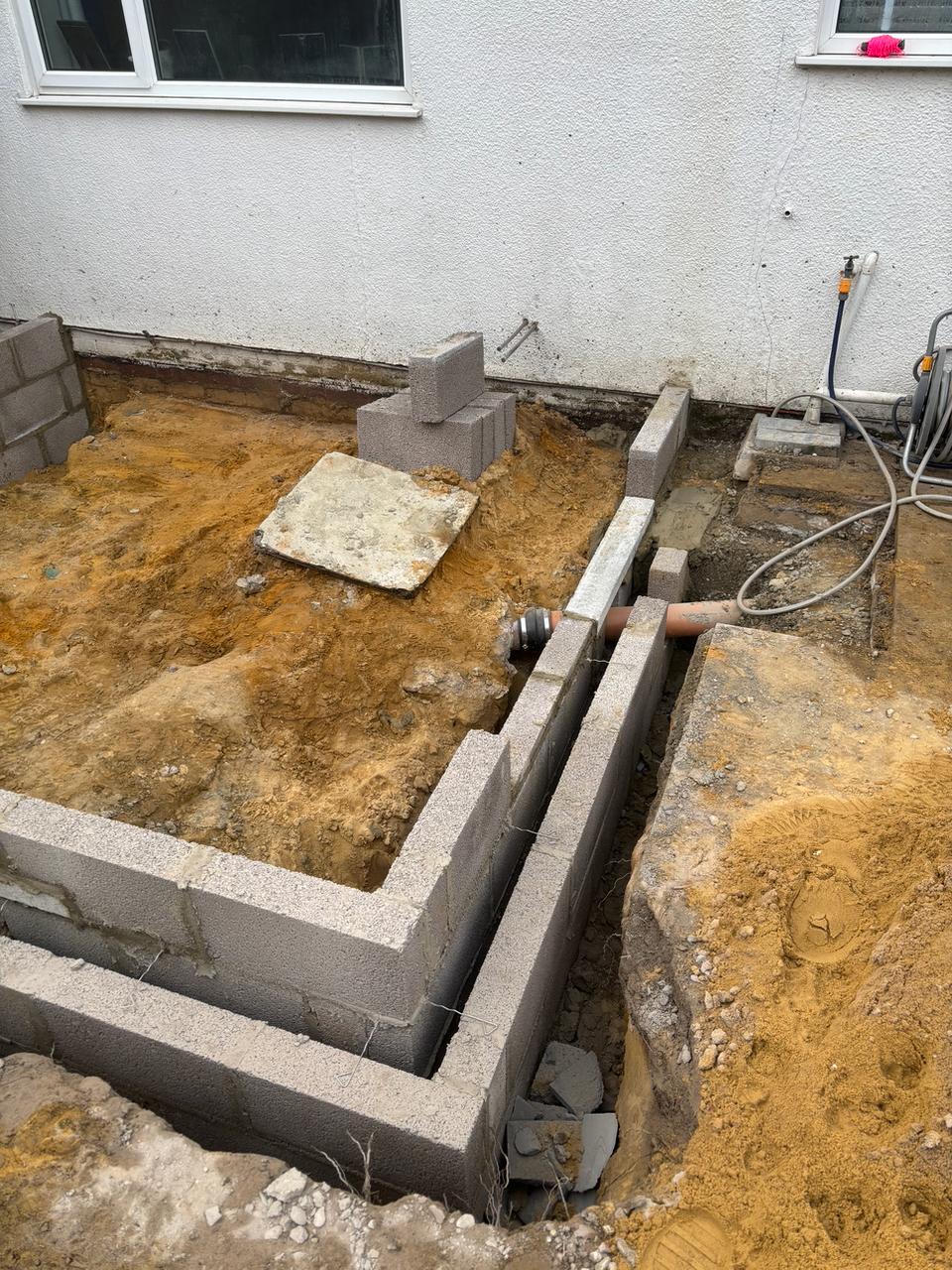
Raising the Floor and Matching Every Detail

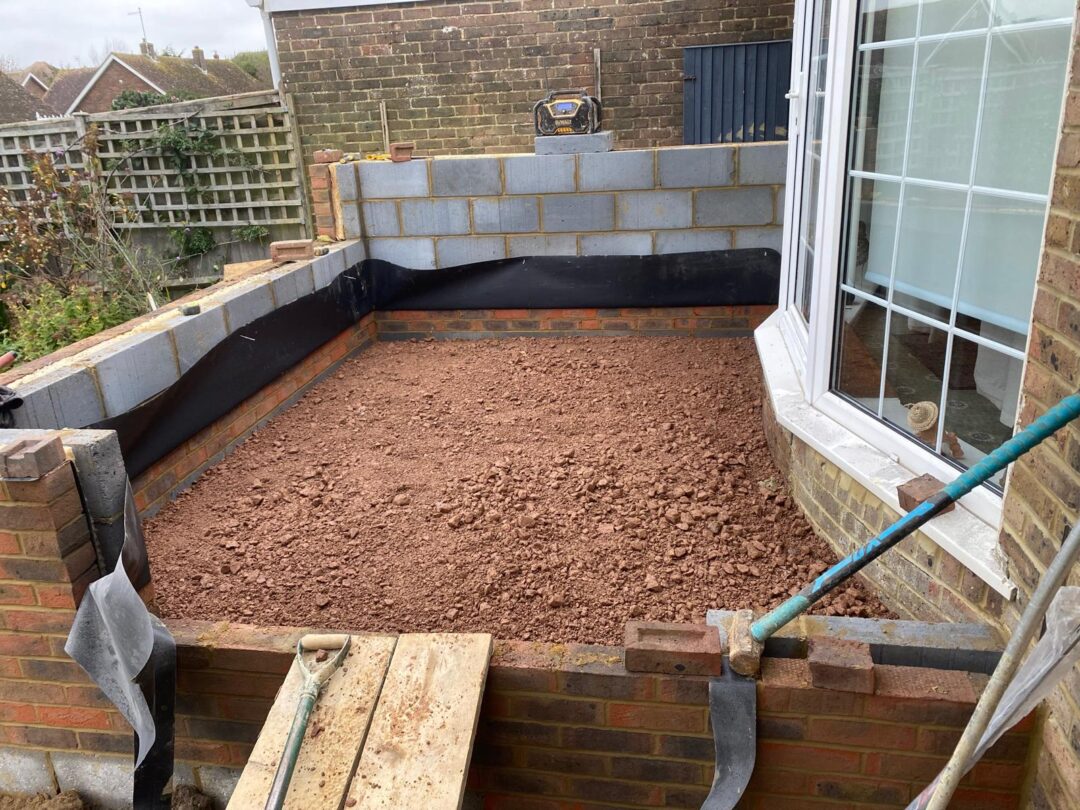
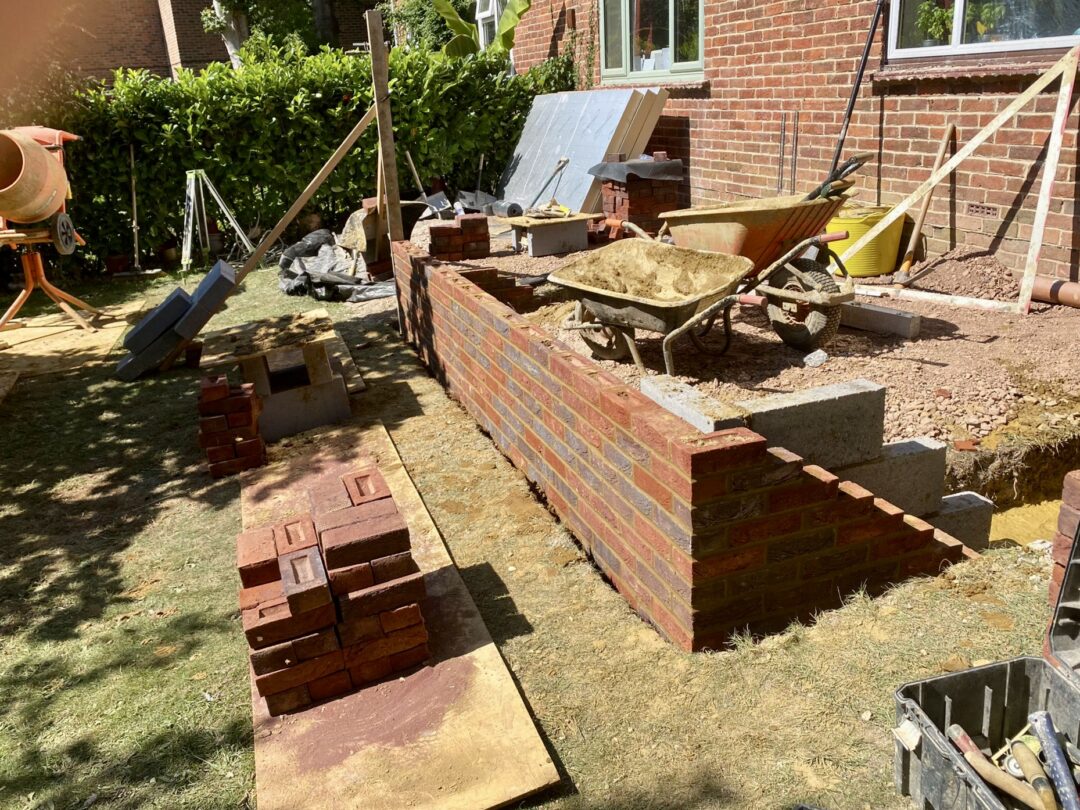
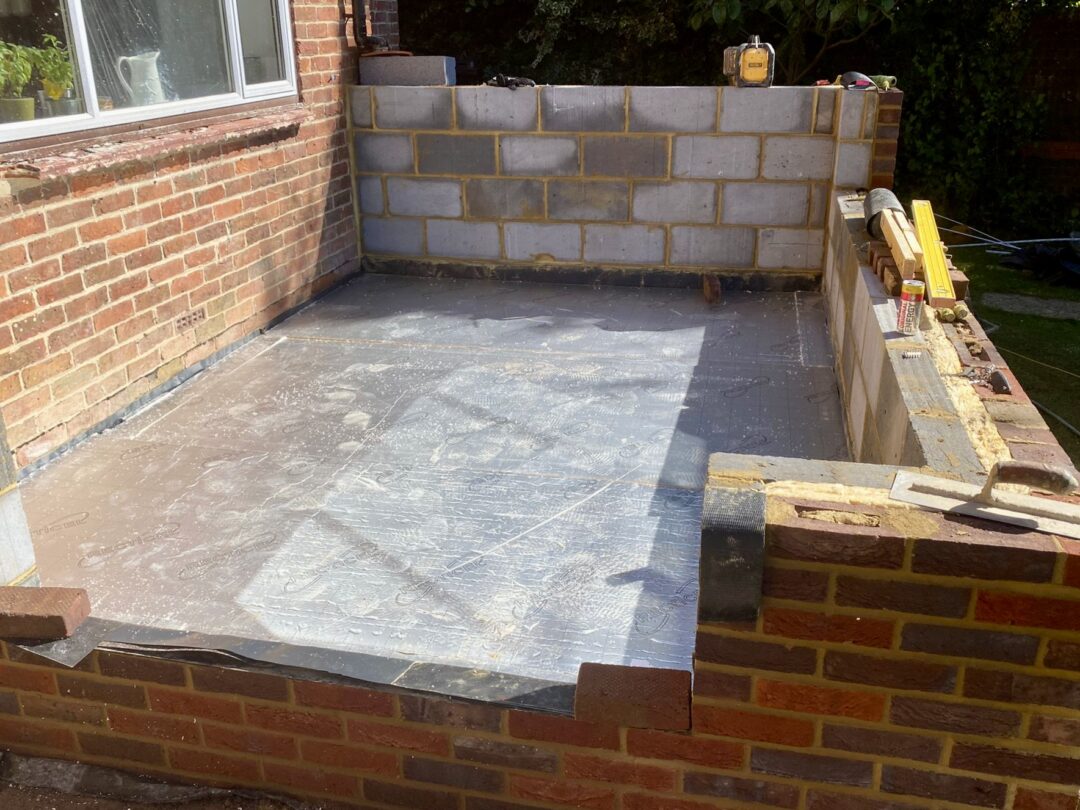
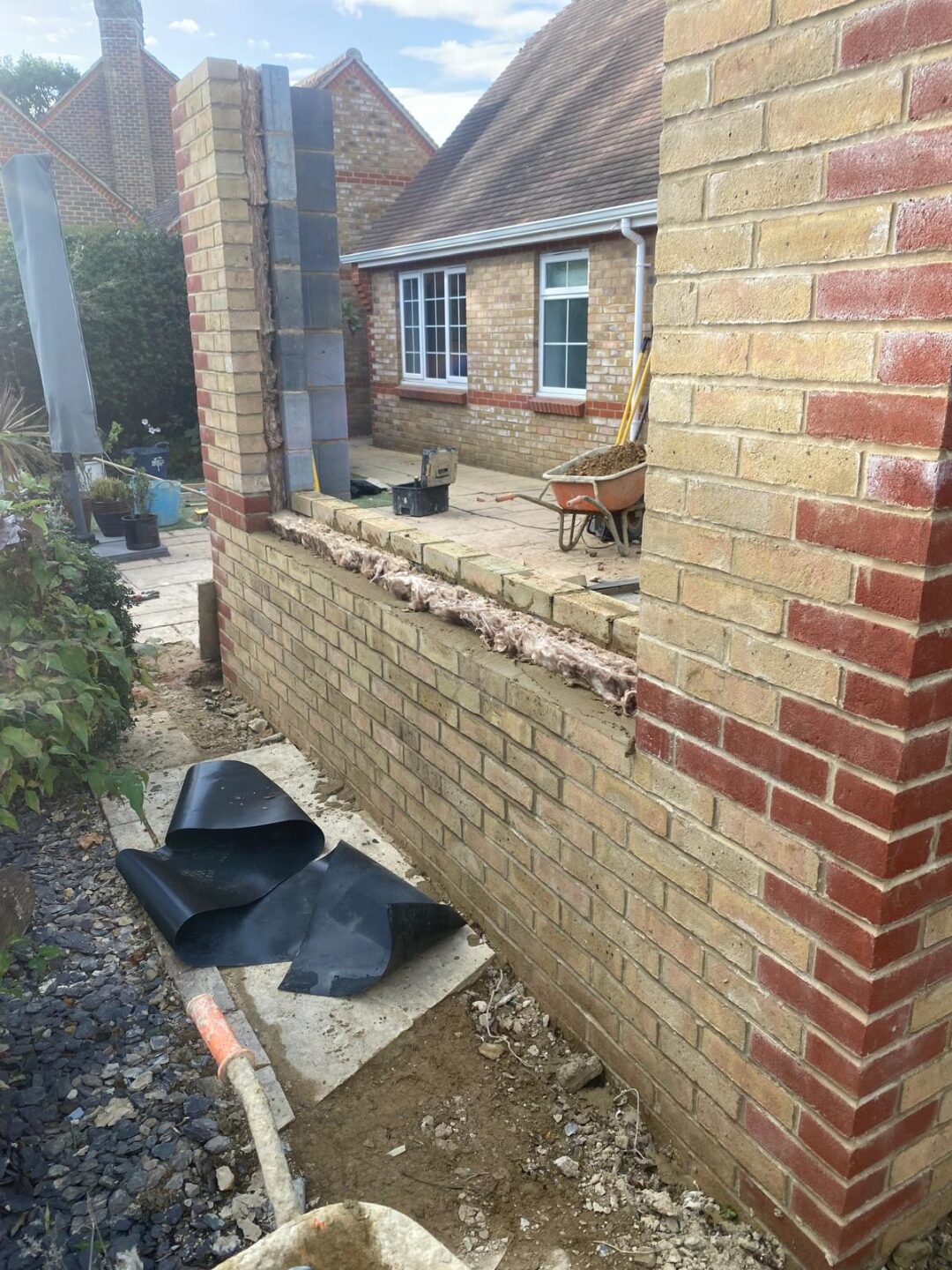
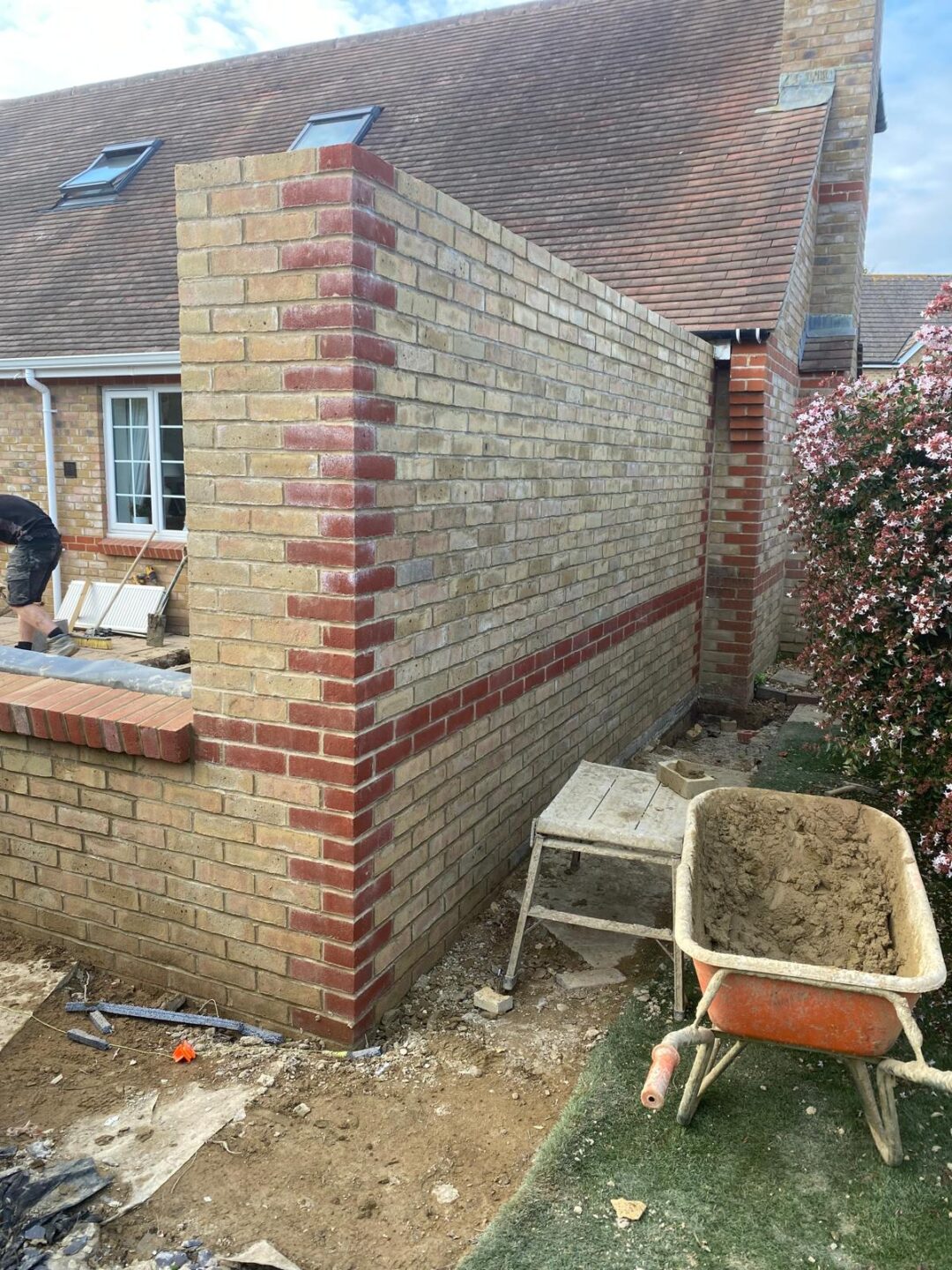
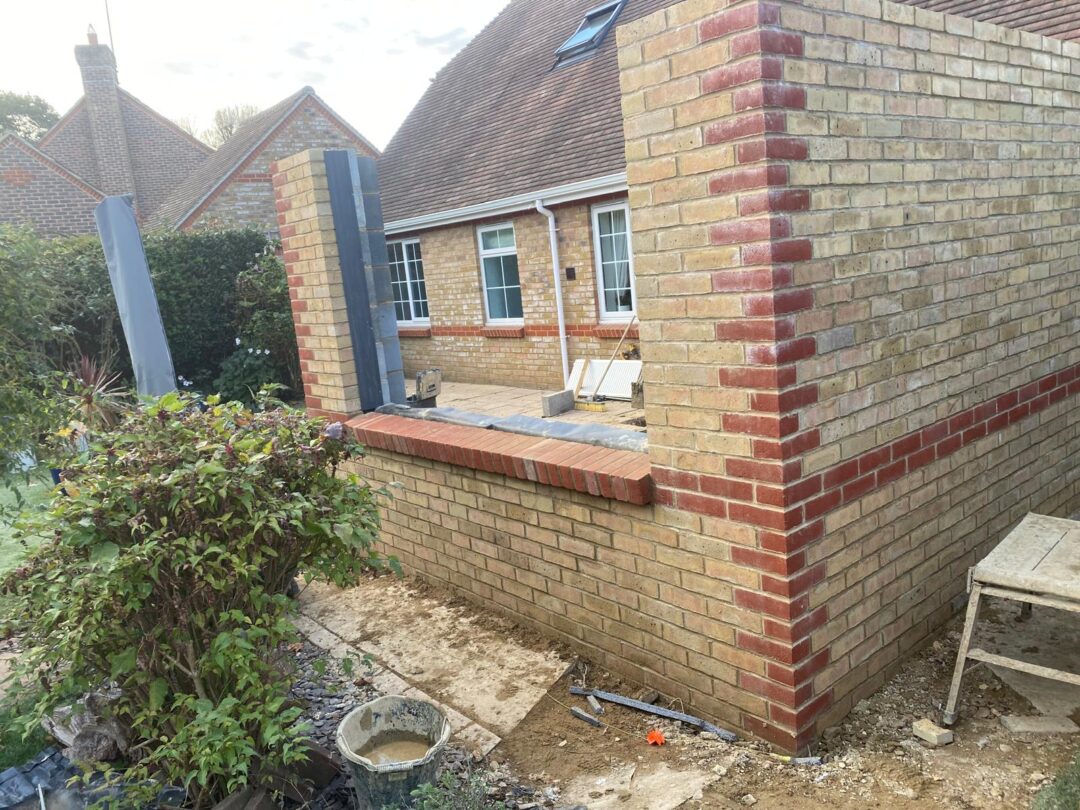
  • Fantastic progress on this new Sussex extension.
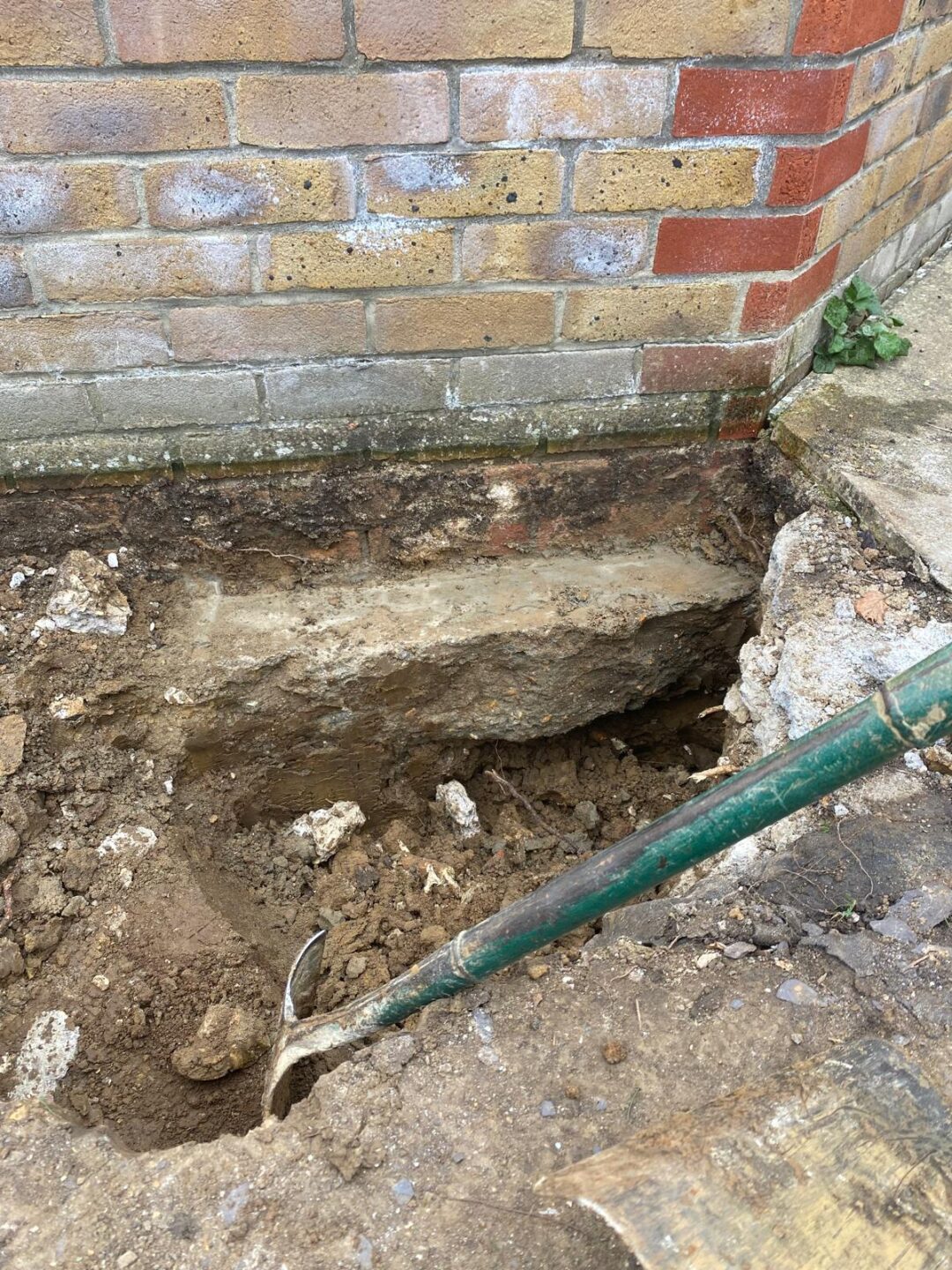
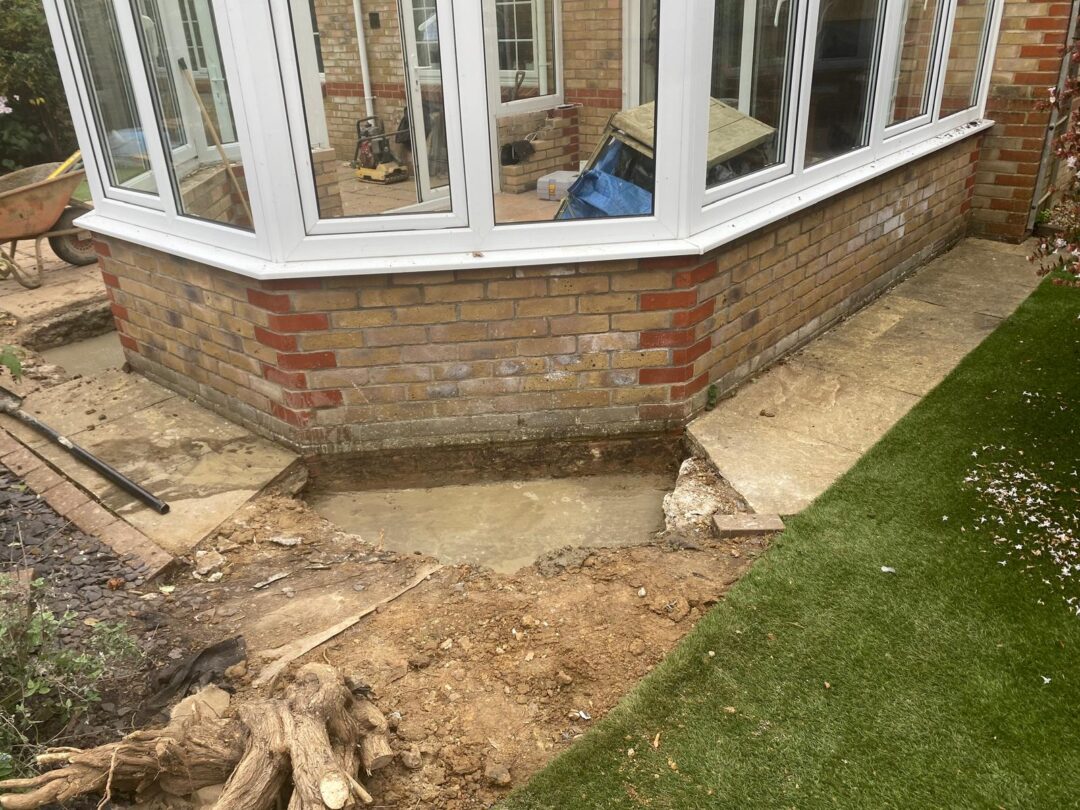
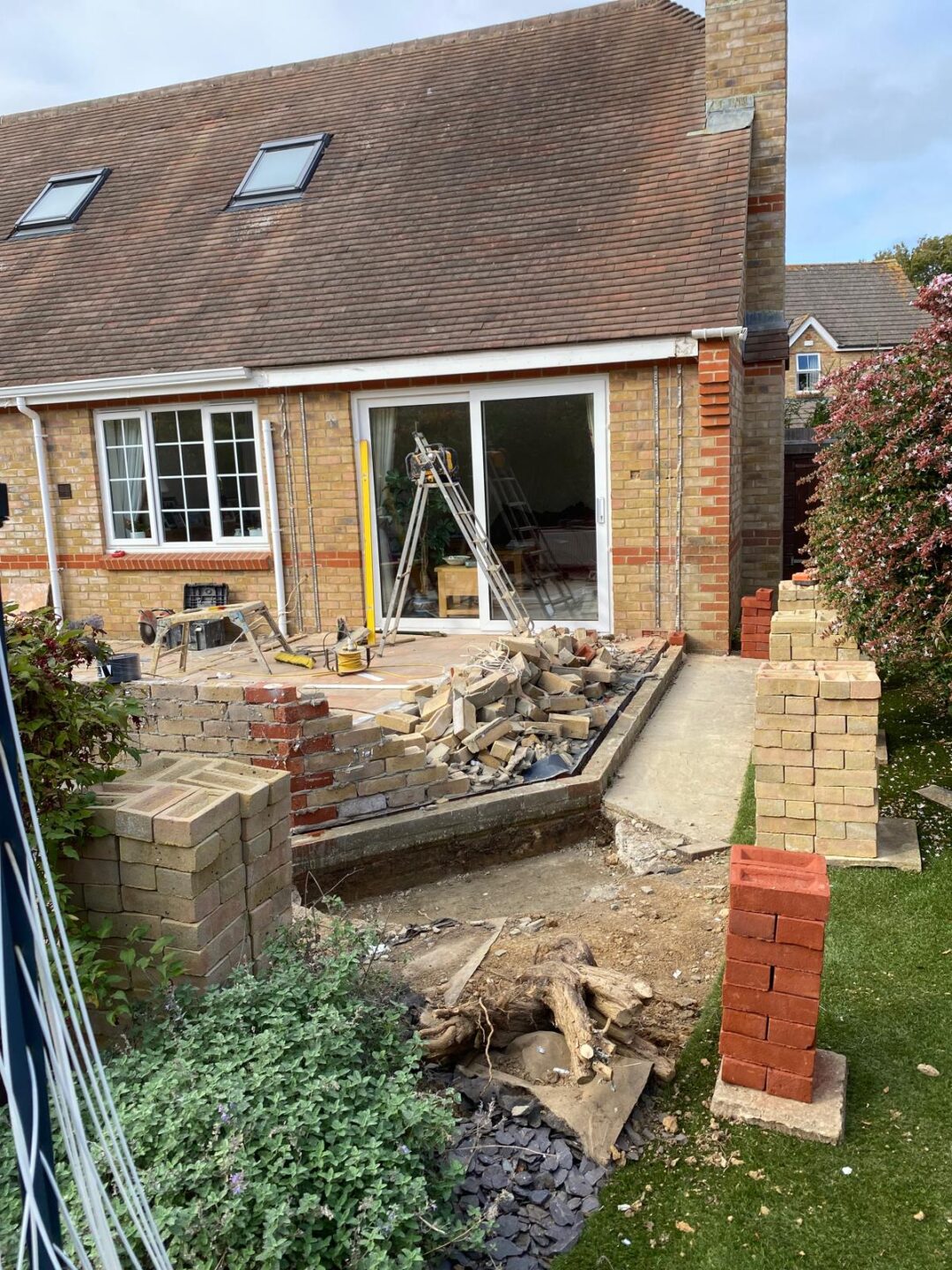
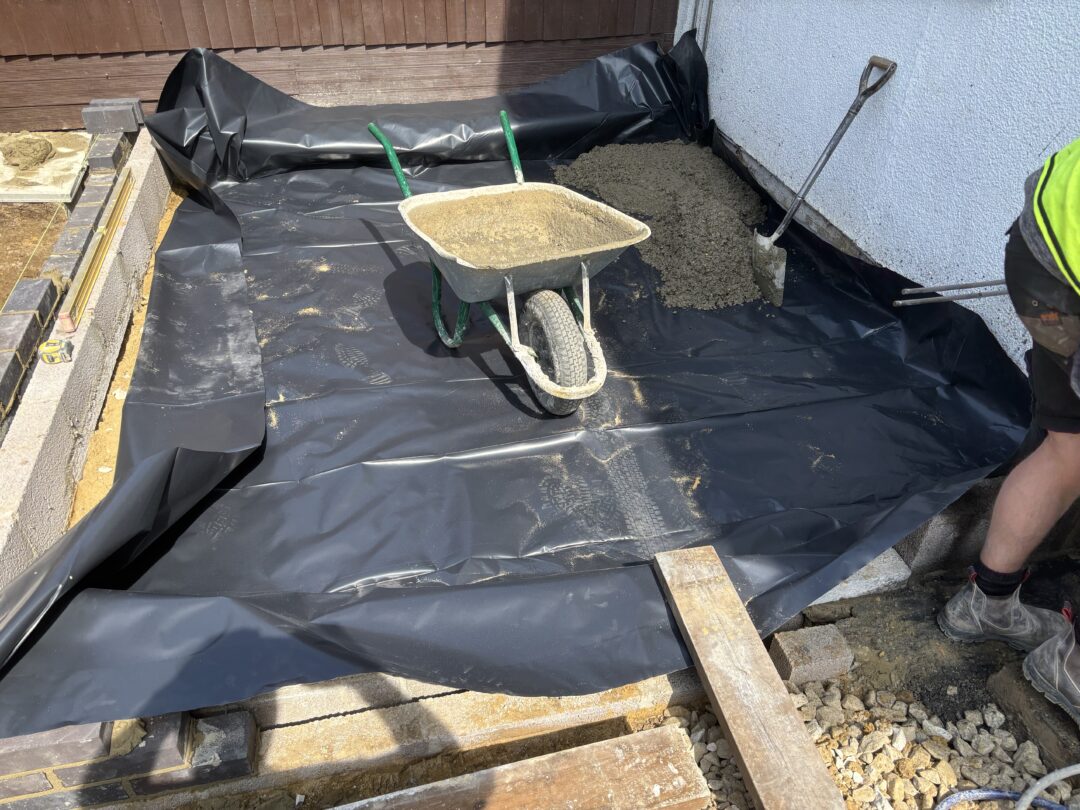
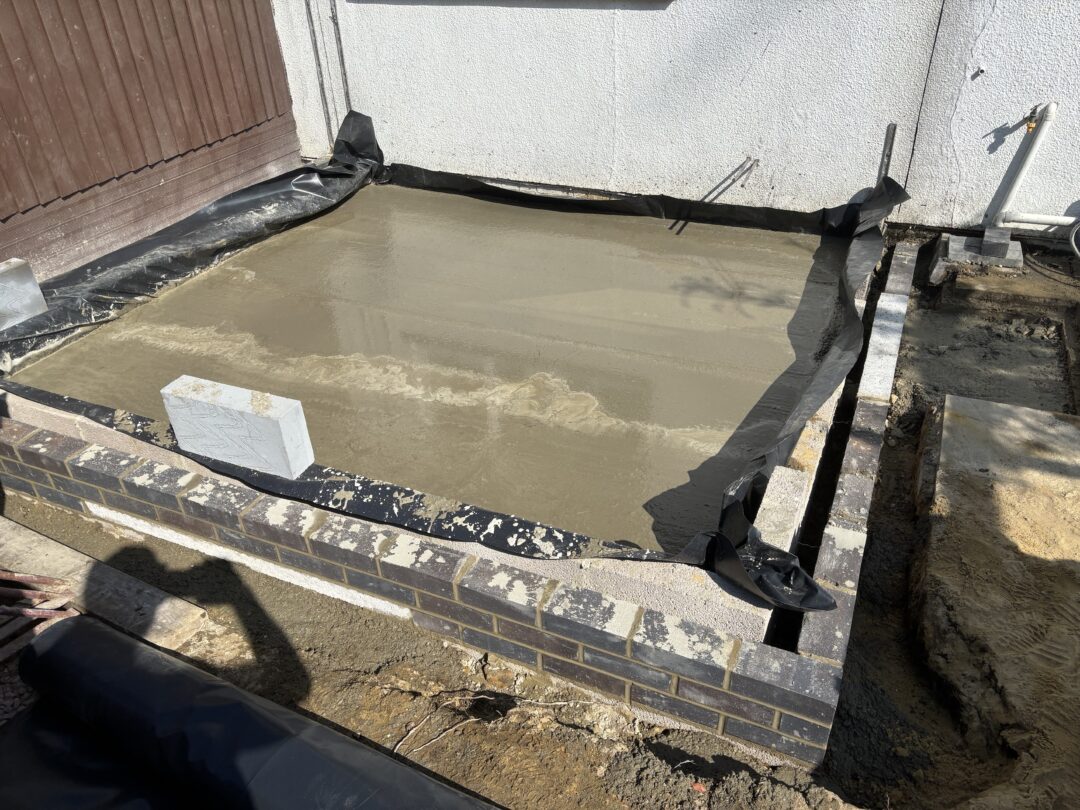
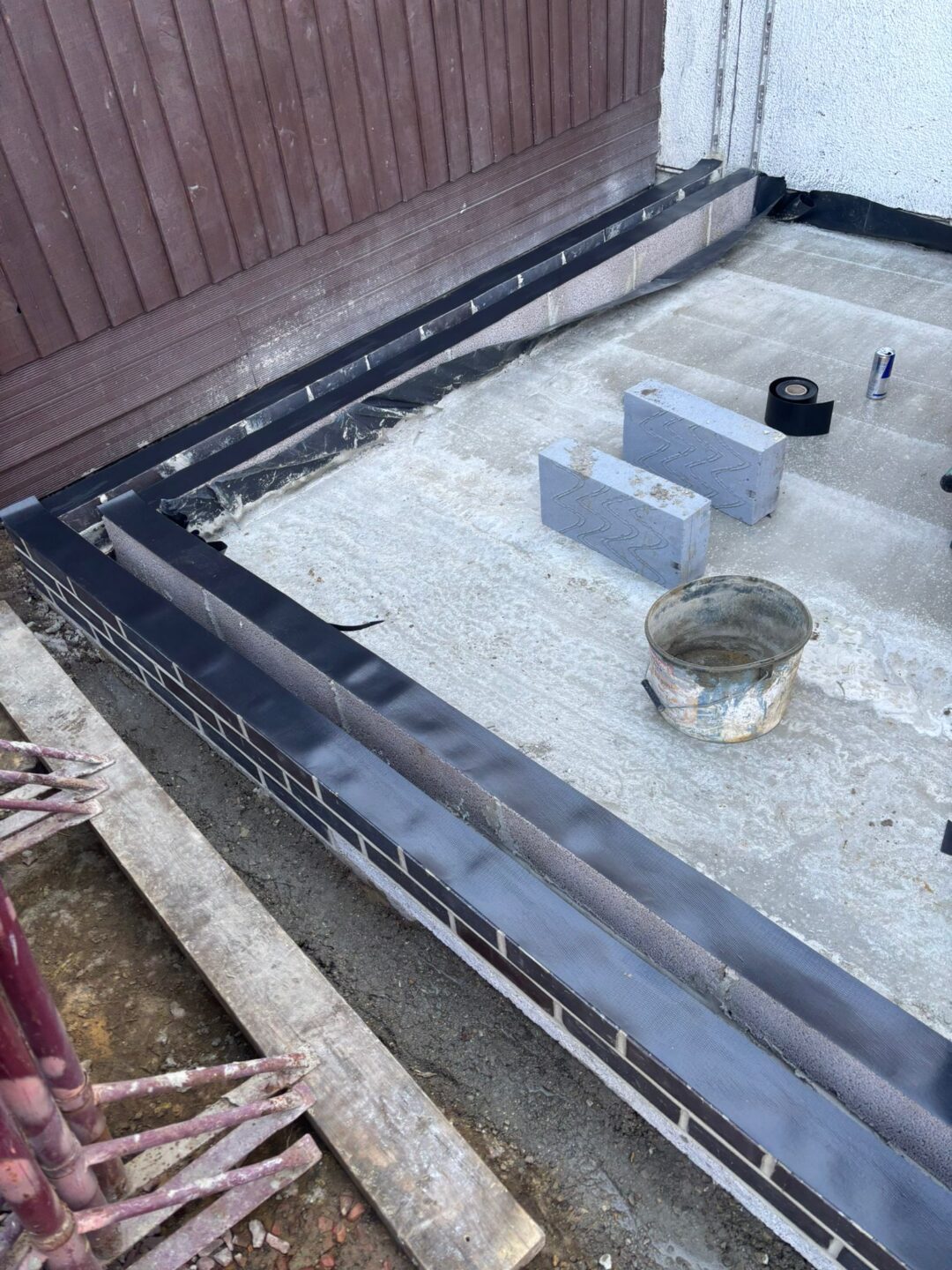
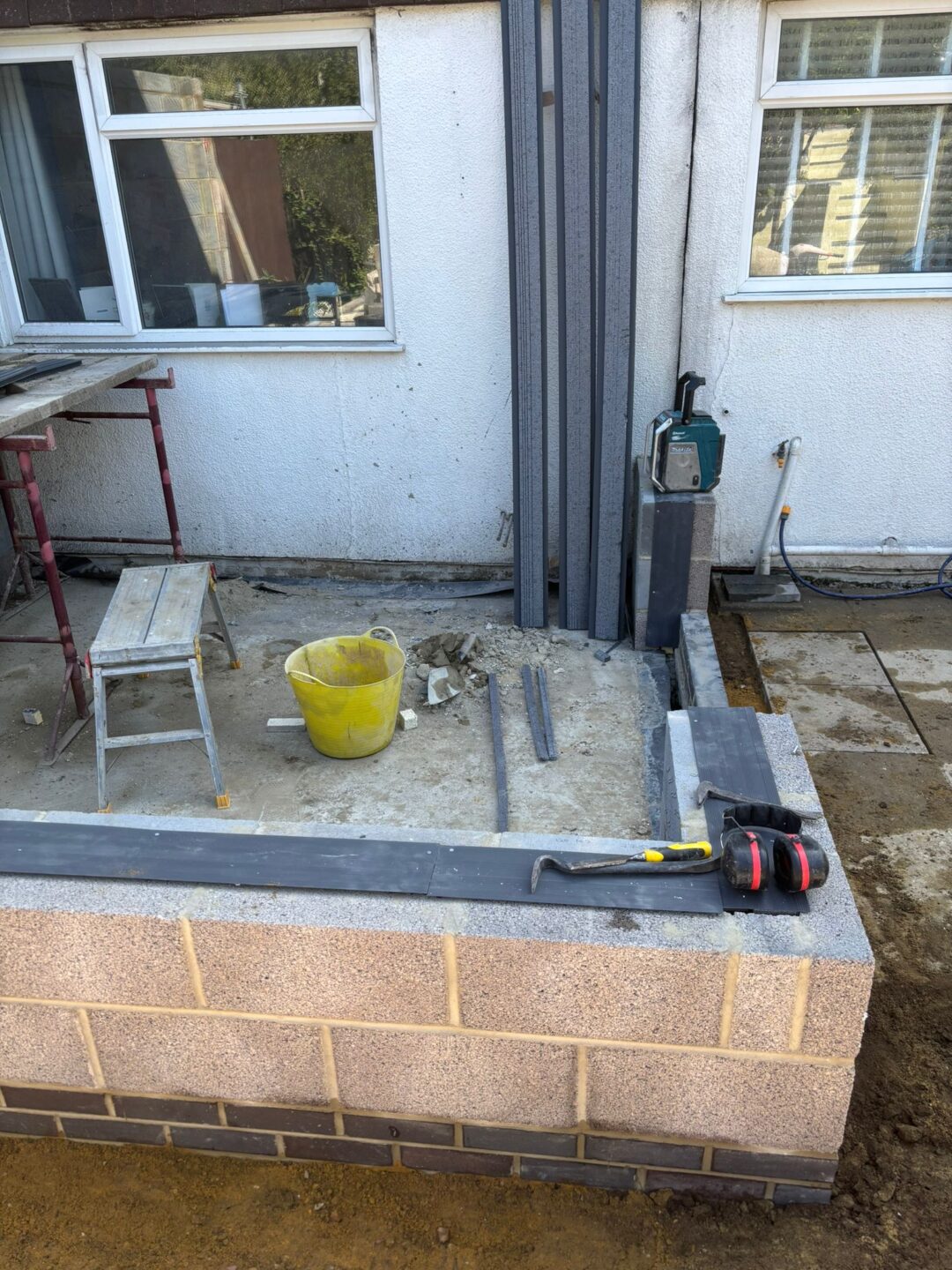
  • The old steps beneath the bay window have been removed and a new base built level with the house floor – all while keeping the bay intact.
  • Matching cavity brick walls now run along every side, tying the structure neatly into the home and allowing space for built-in storage down one side.
  • Next week, we’ll start on the patio, giving this customer a complete, turn-key finish.
Bracknell

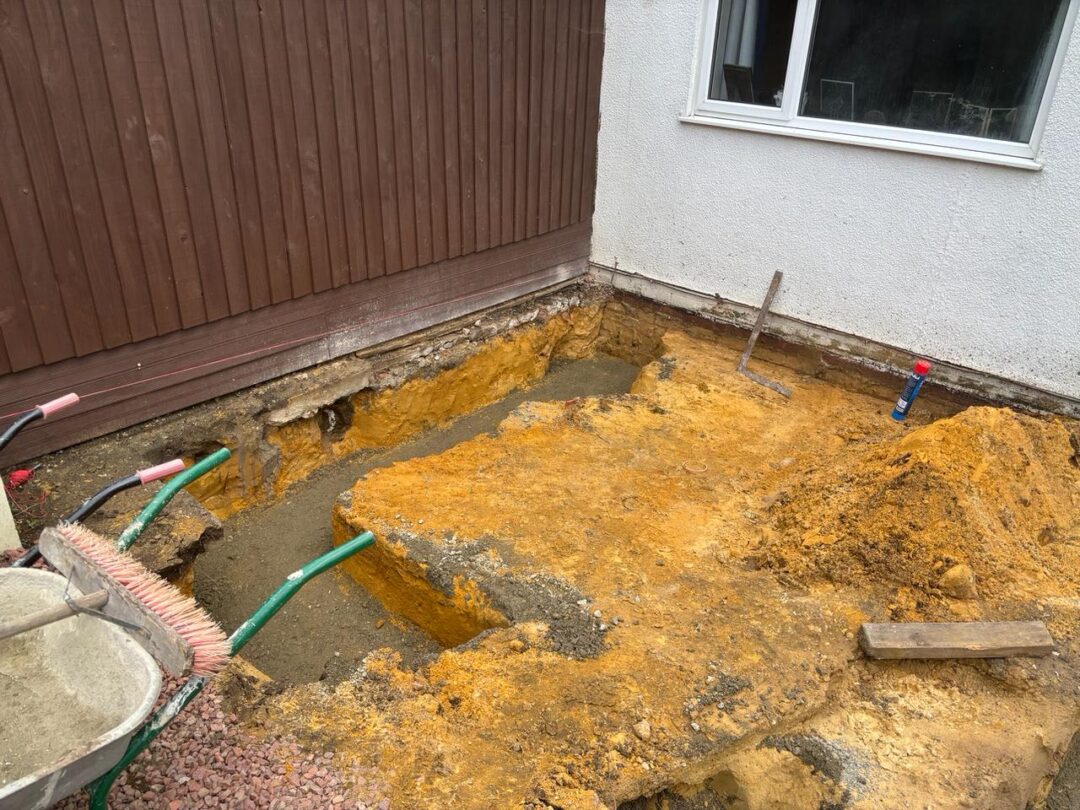
A Strong Start to a Beautiful New Build
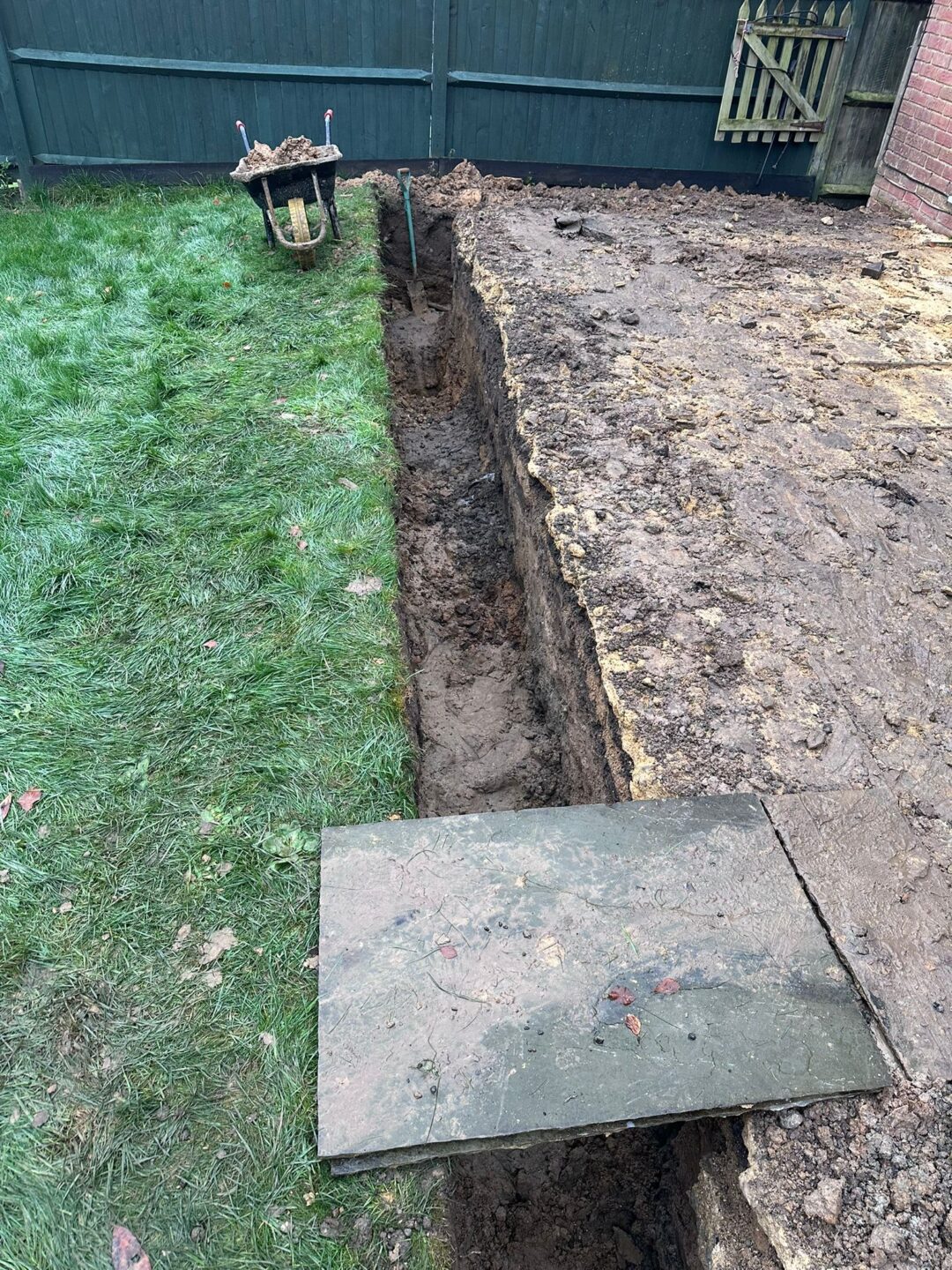
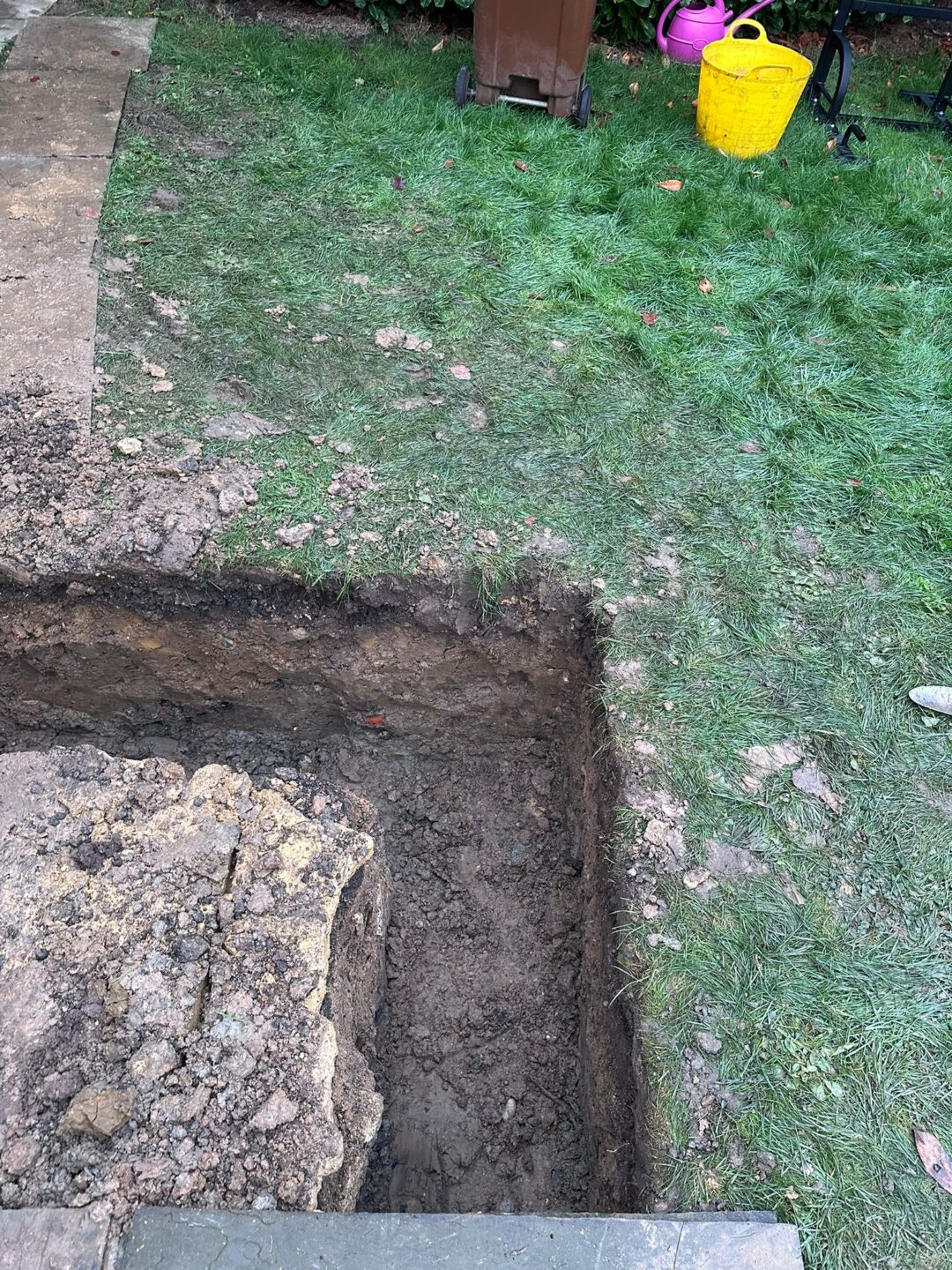
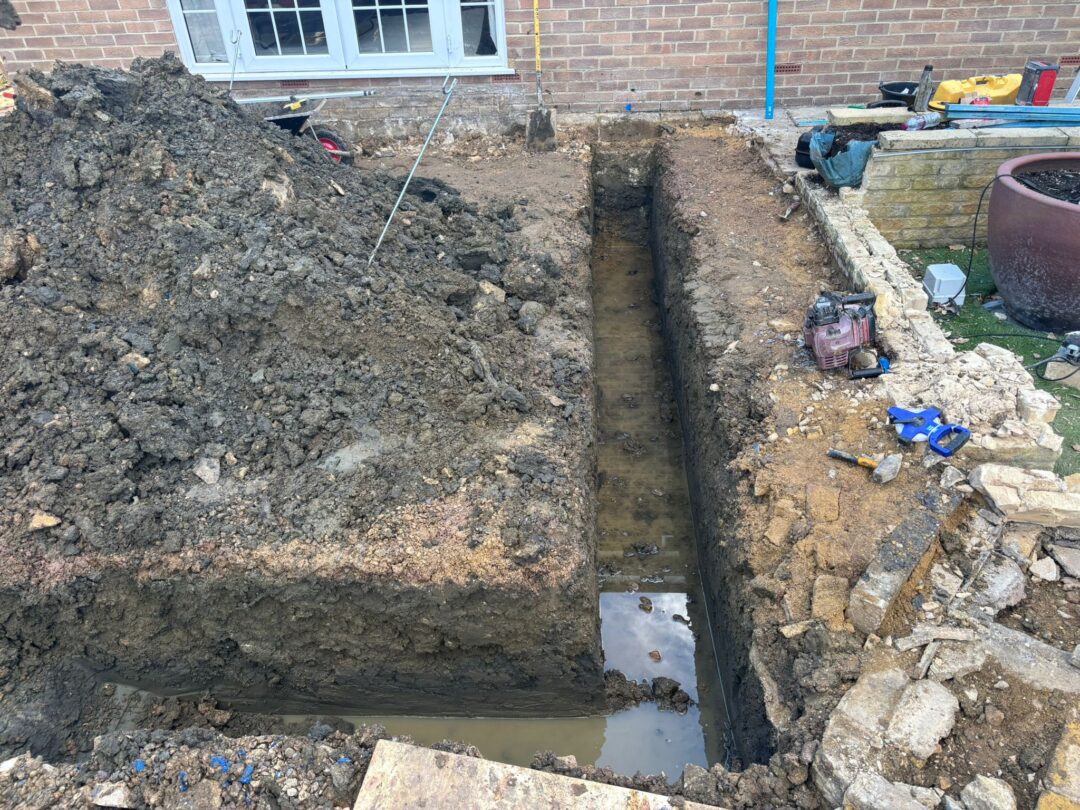
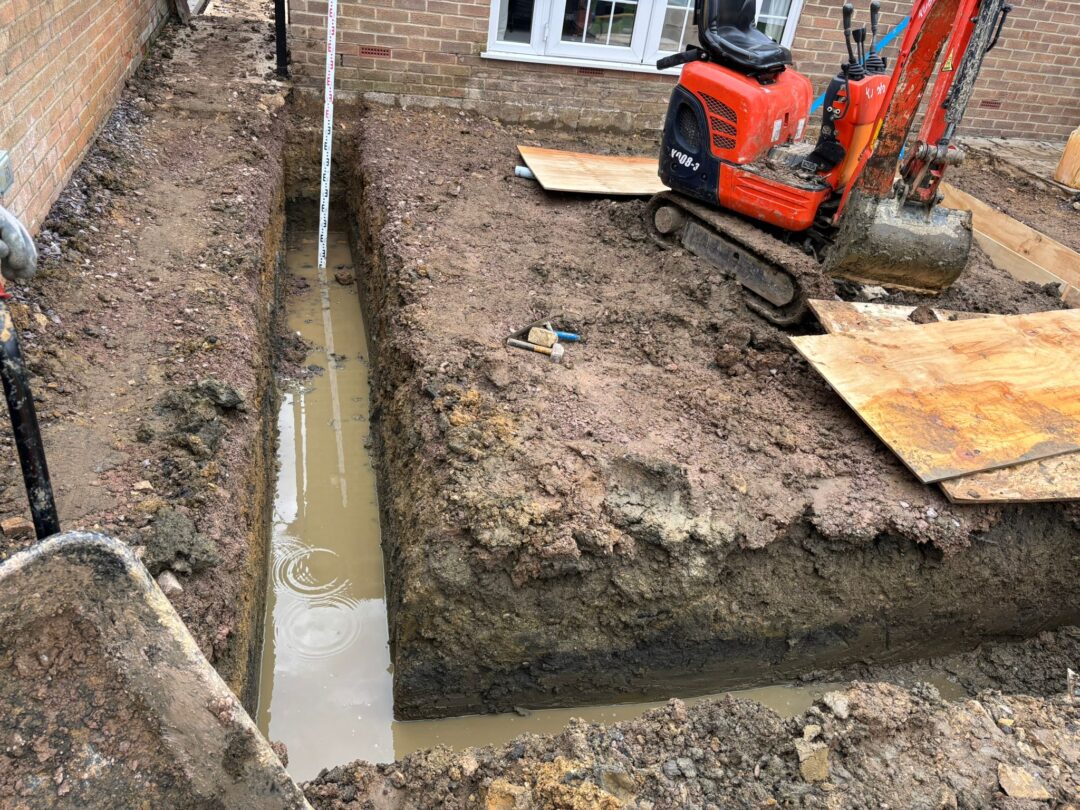
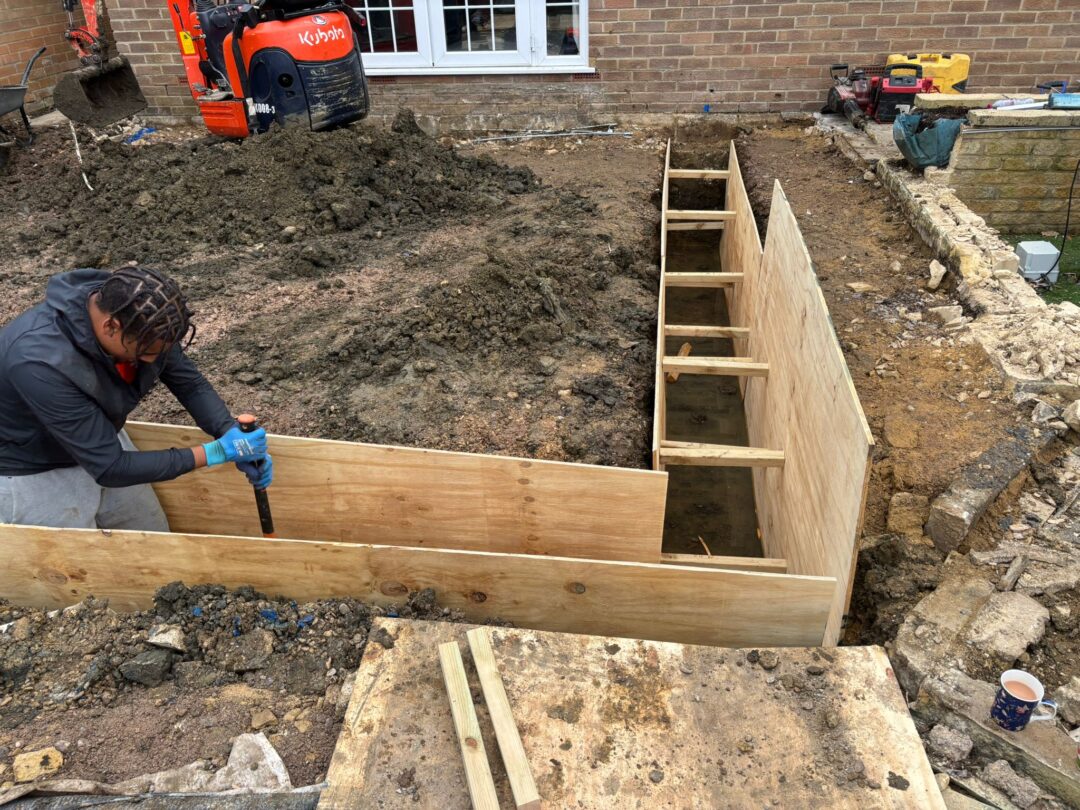
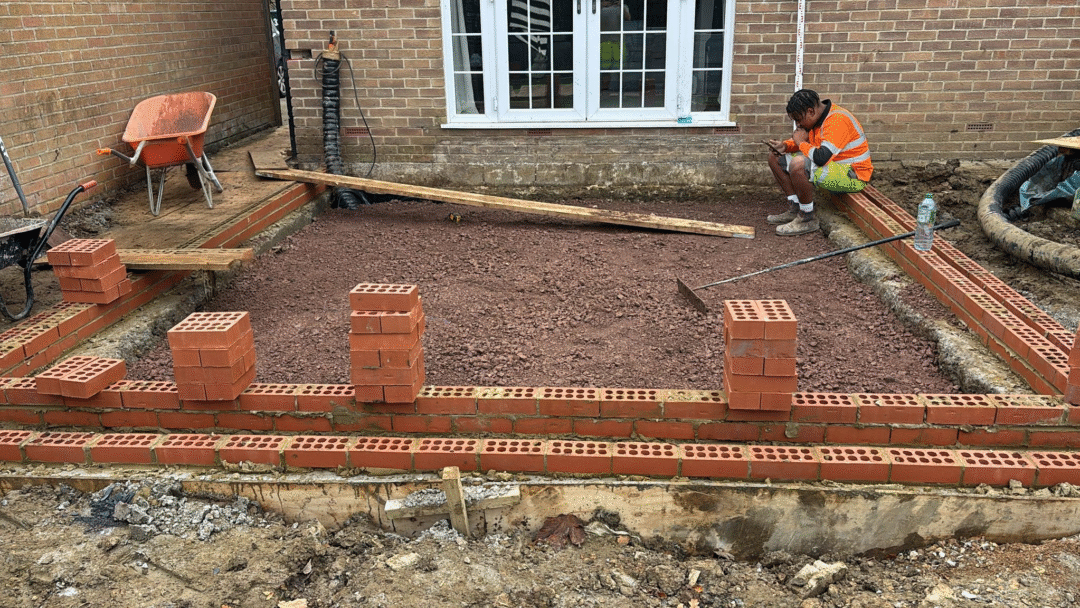
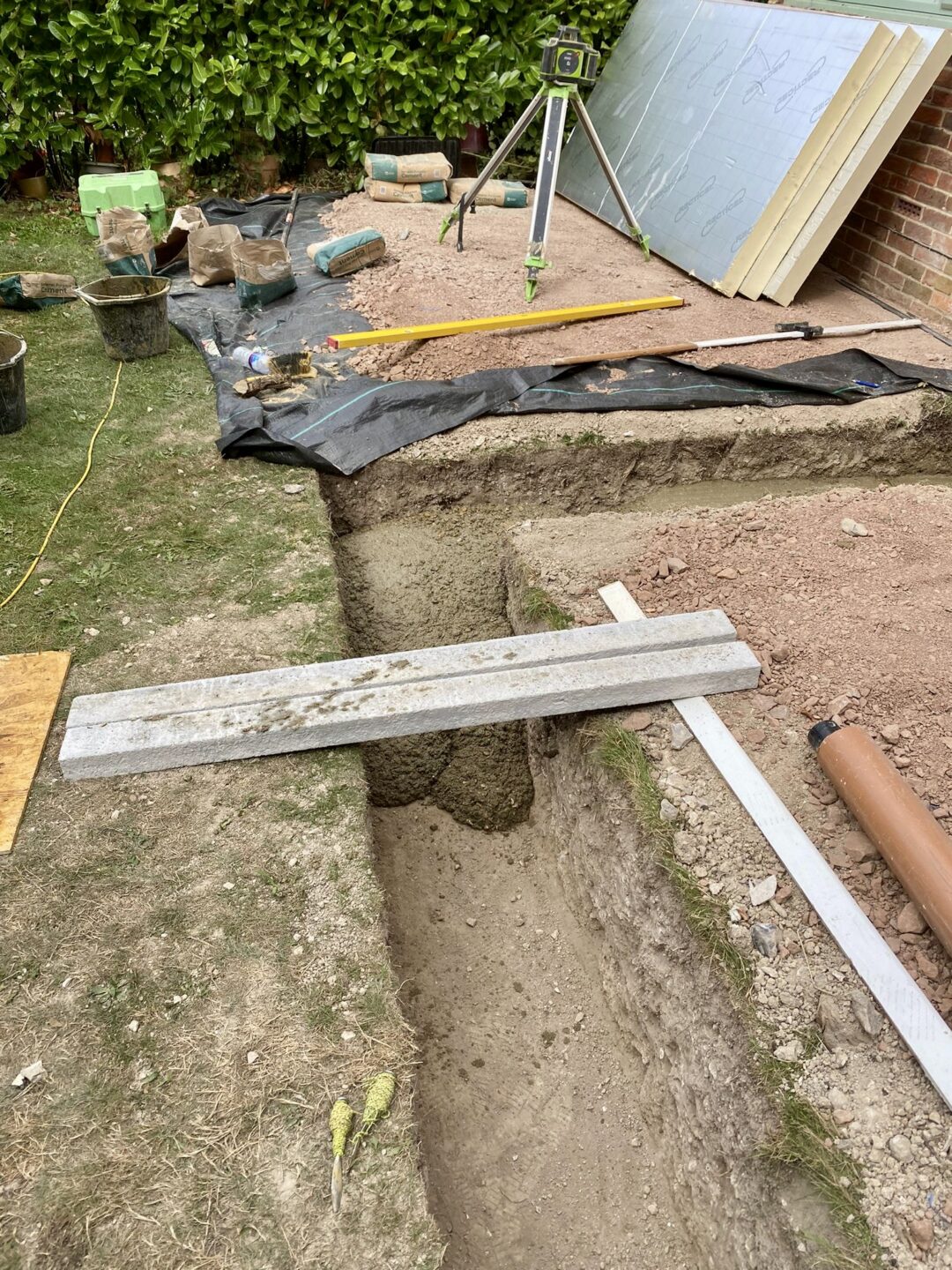
  • Ground has been broken on what will soon be a stunning orangery.
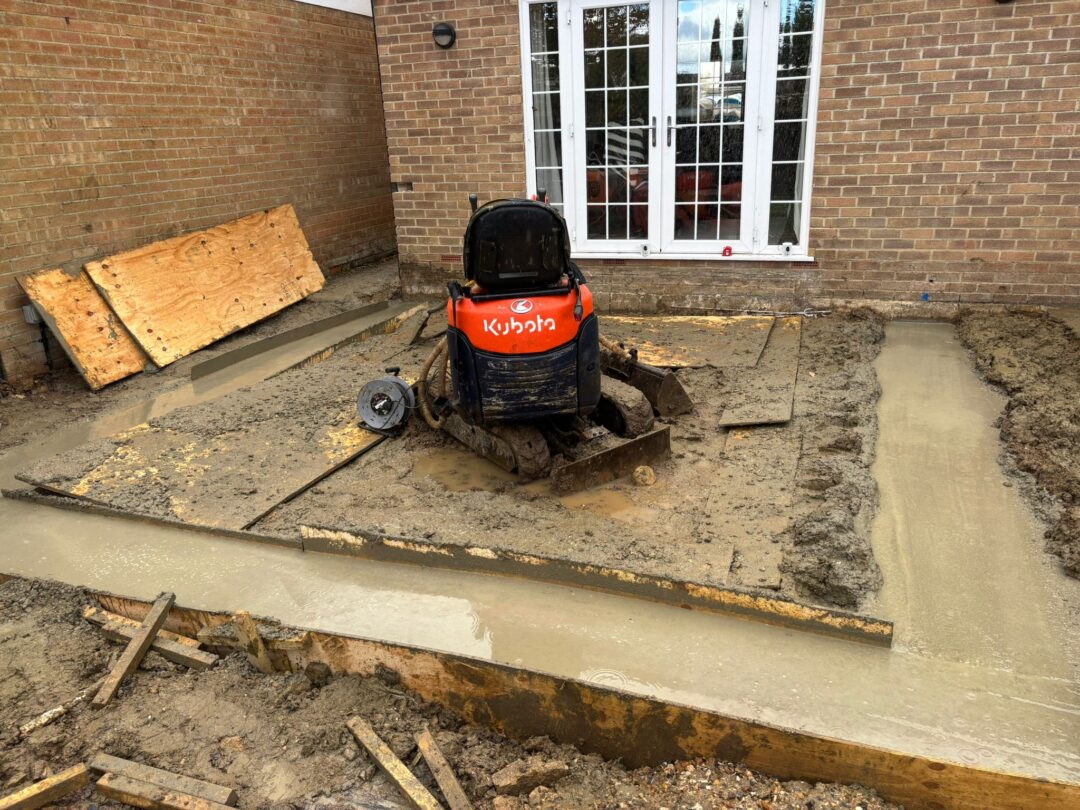
  • Footings are already dug, with concrete pouring tomorrow — keeping disruption minimal for this customer’s first large building project.
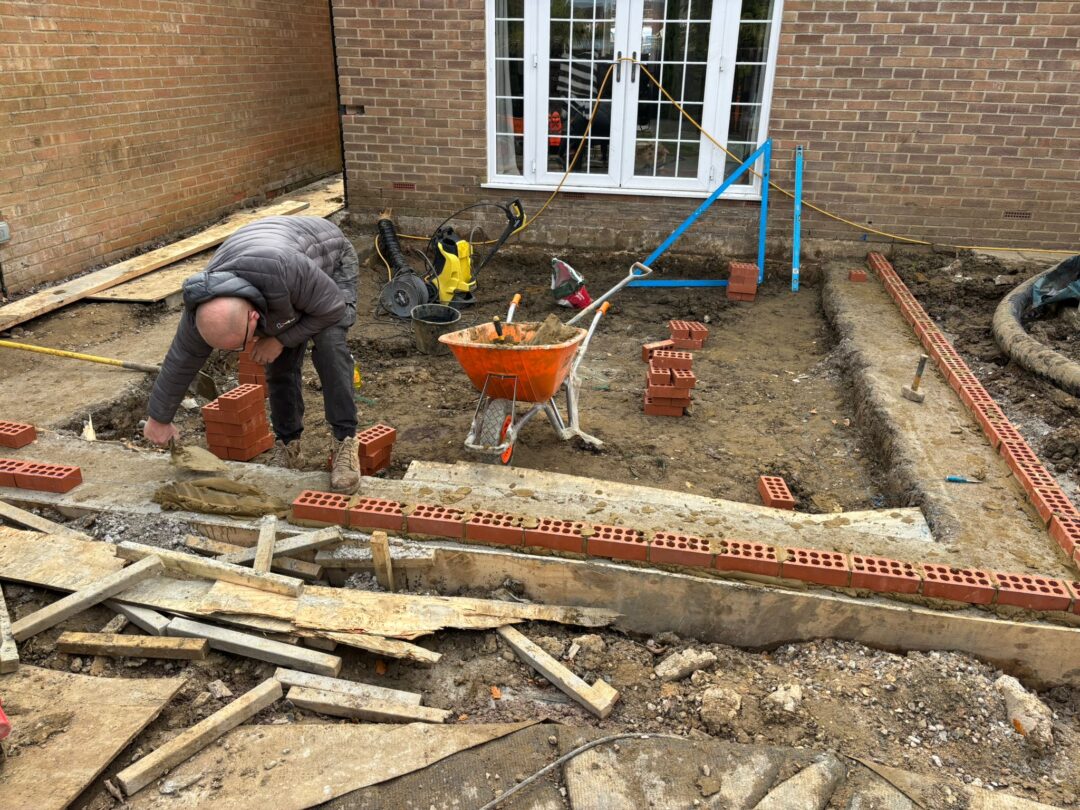
  • Brickwork follows later this week, and the frame is due to arrive in just two weeks — an efficient schedule that keeps the build comfortably on track for Christmas.
Hove

Turning a New Conservatory into a Finished Outdoor Space

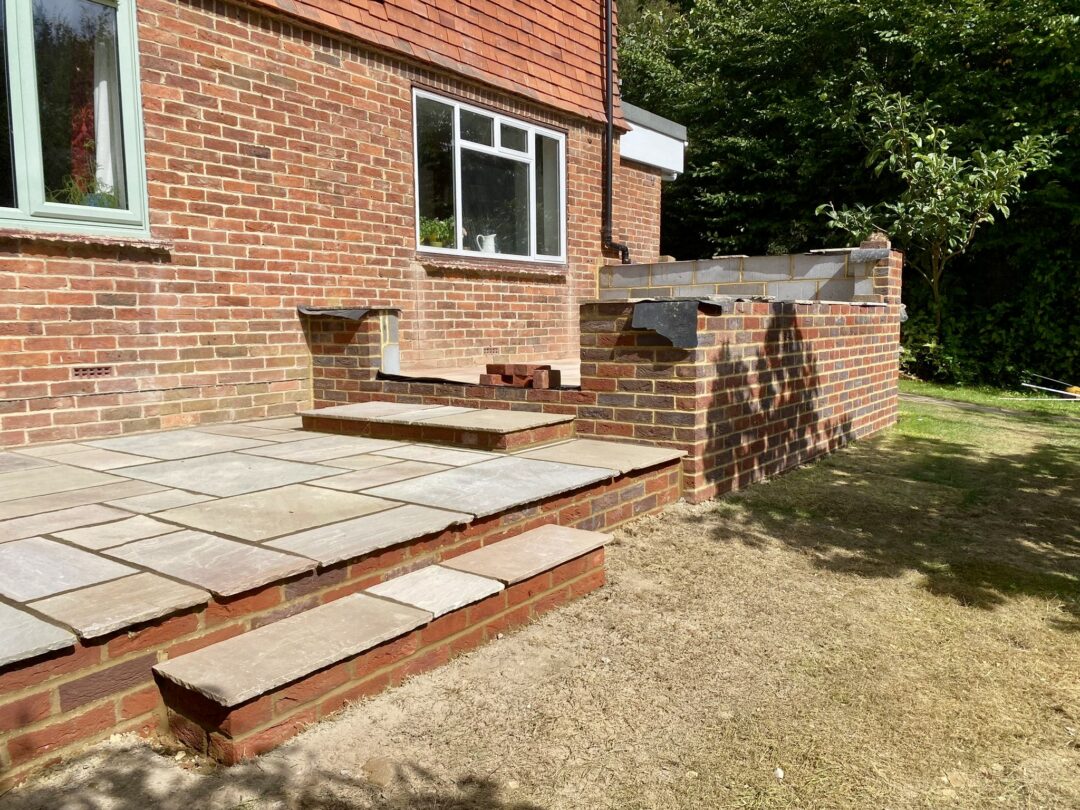
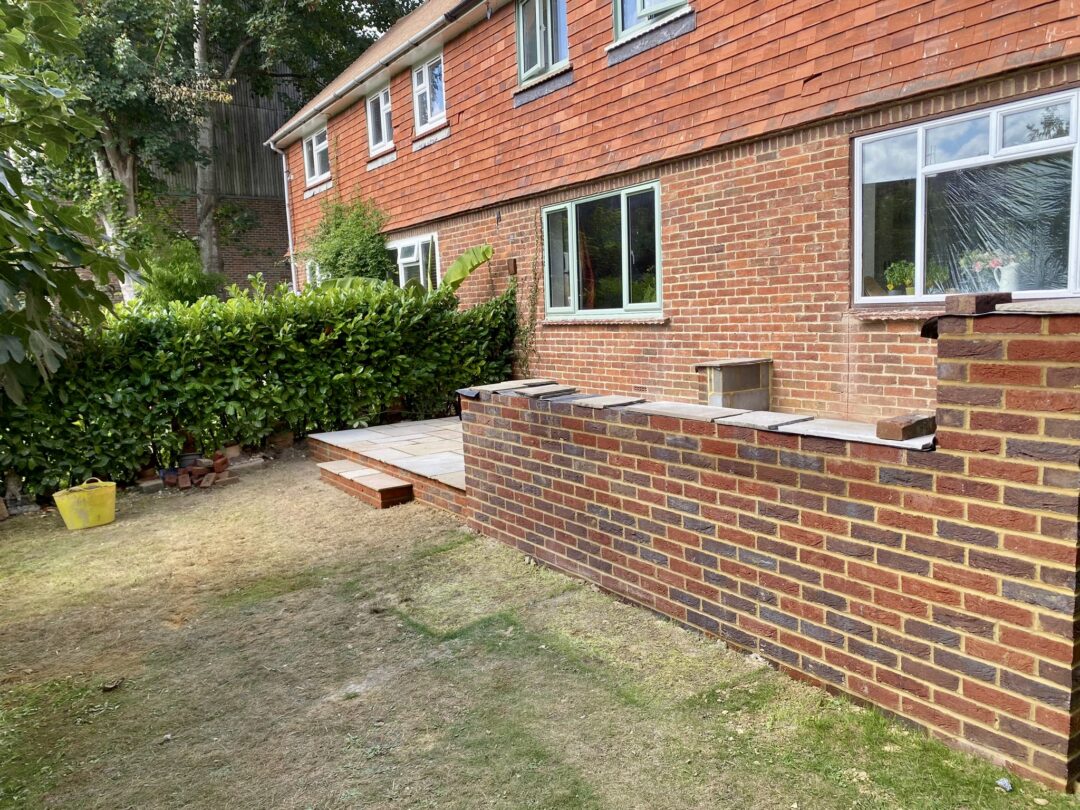
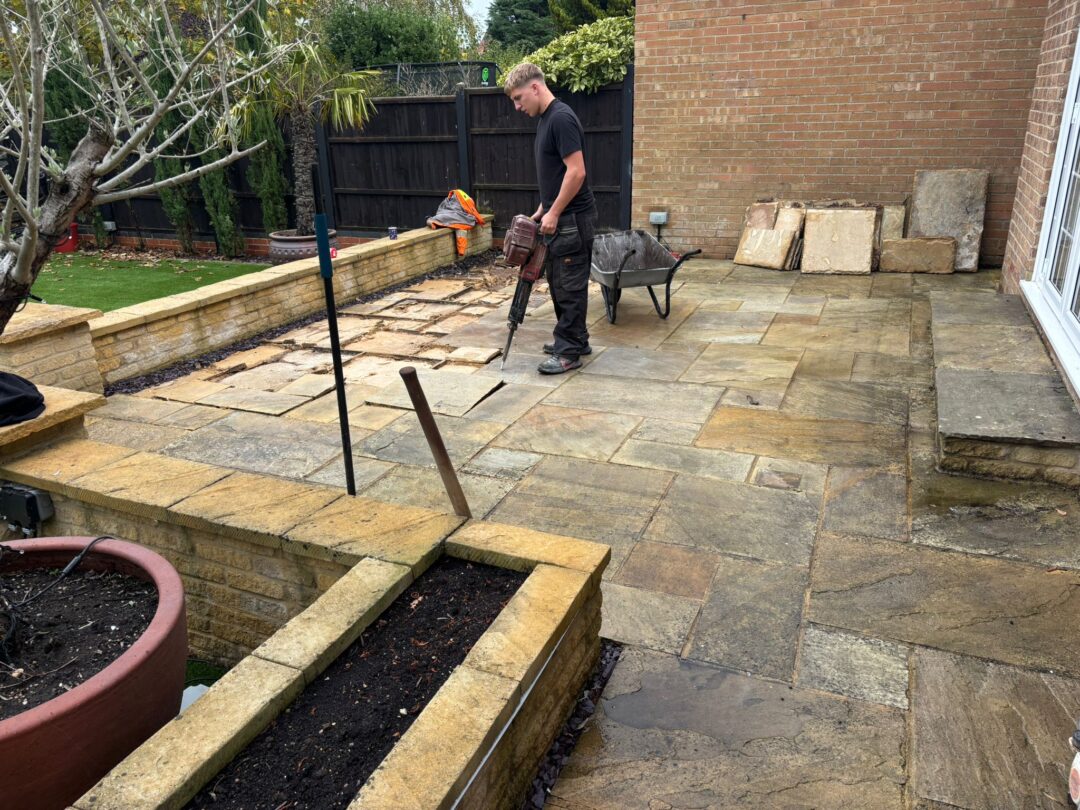
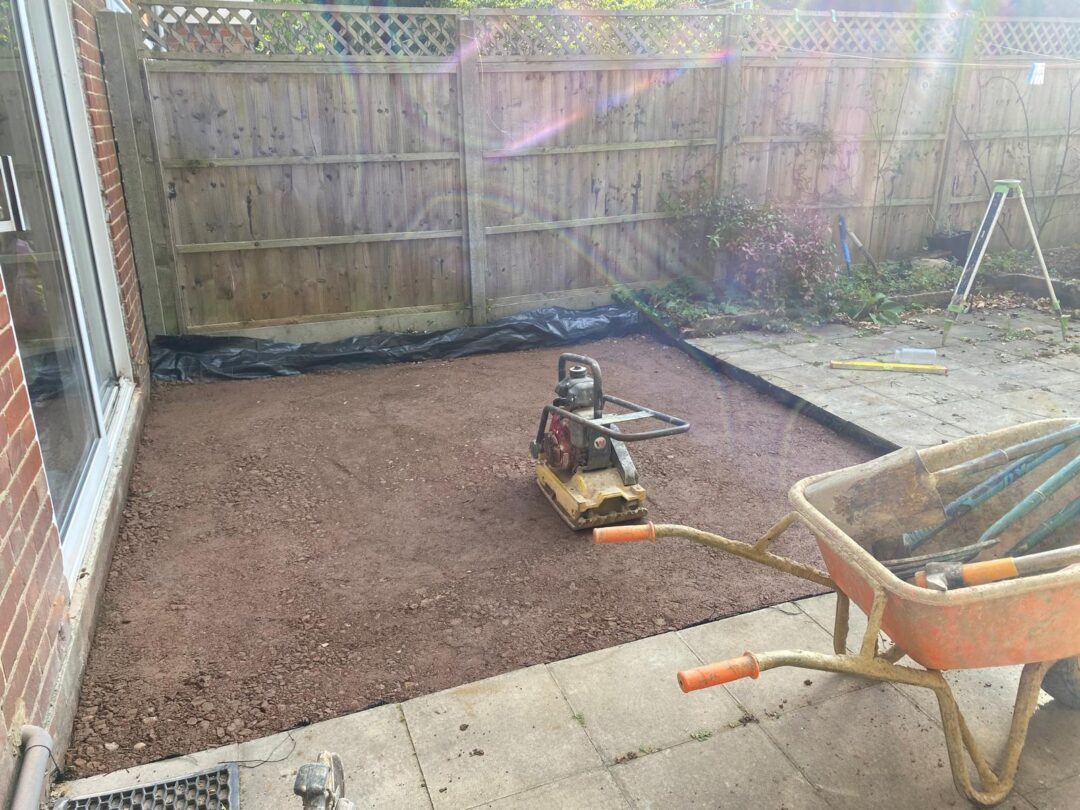
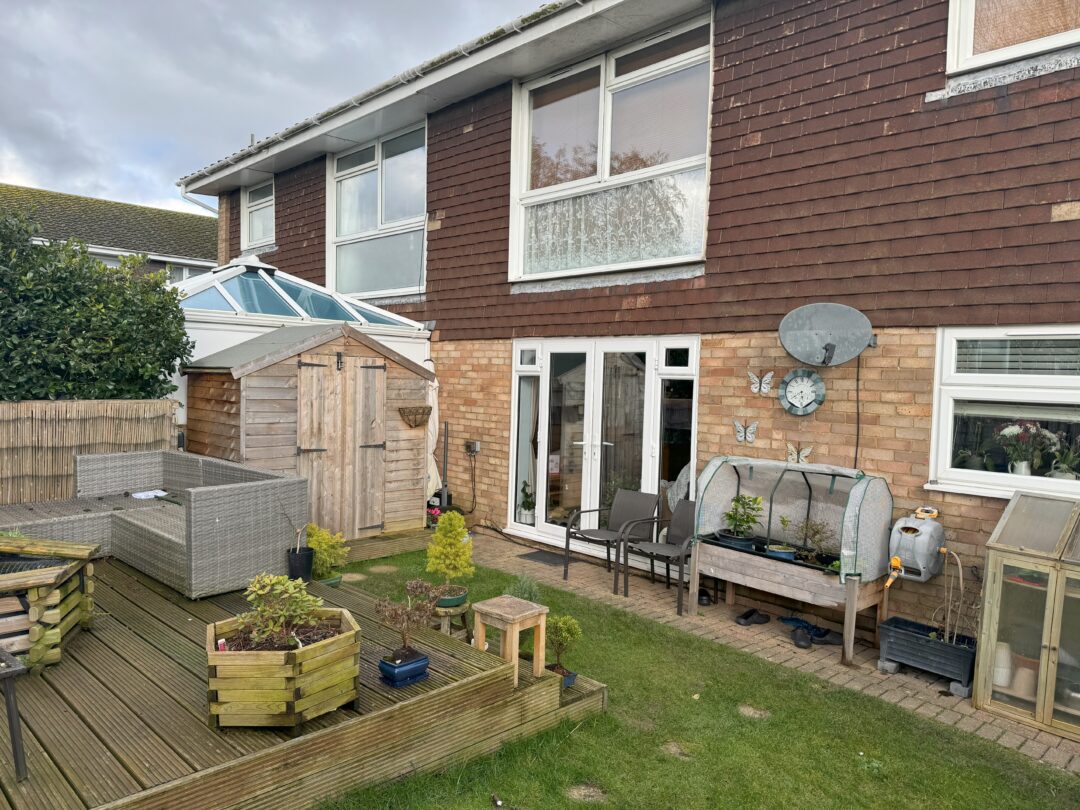
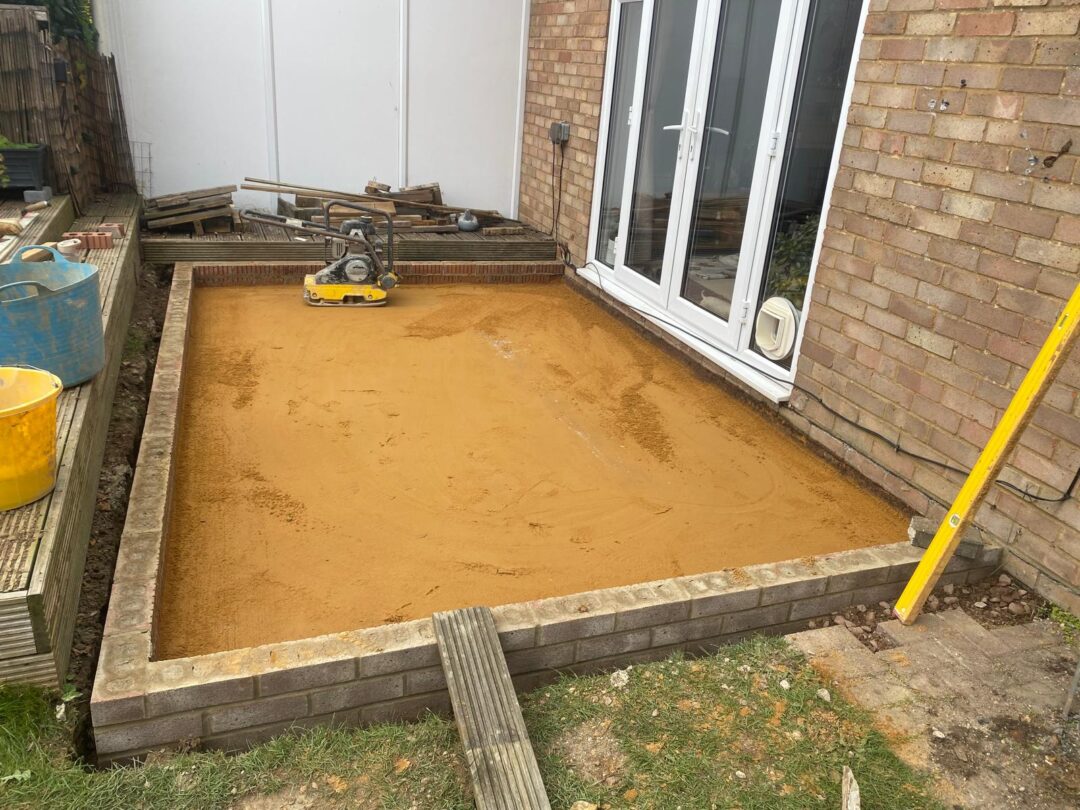
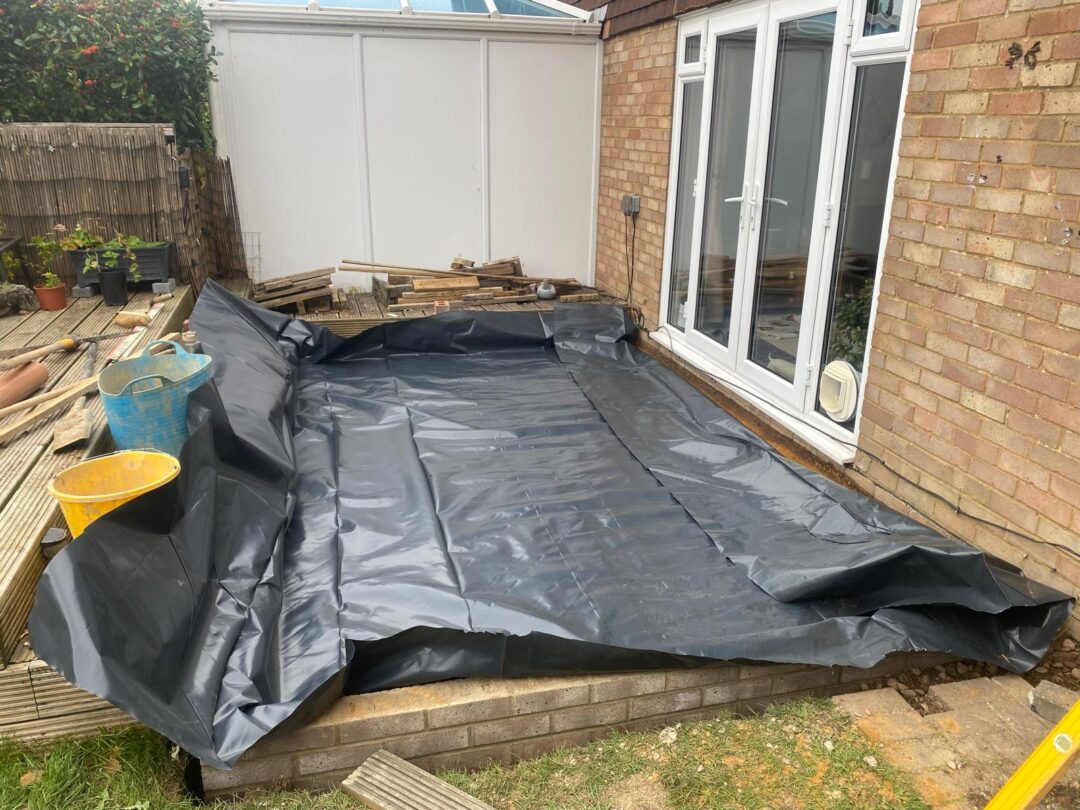
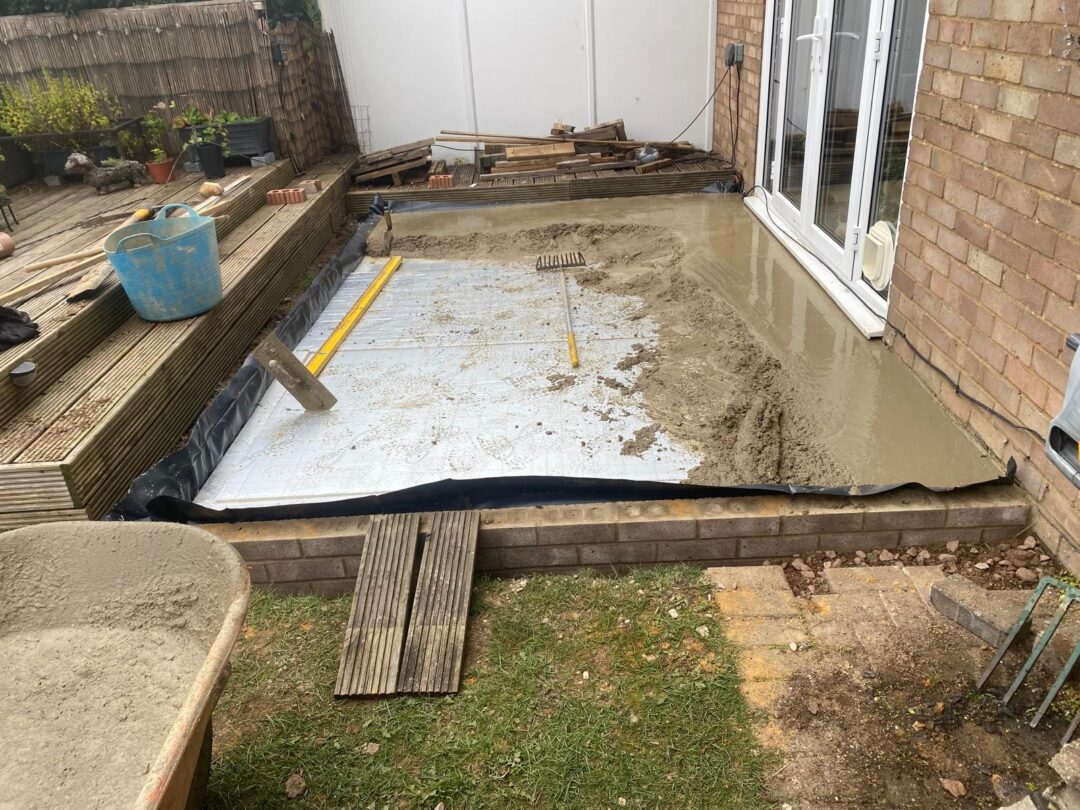
  • Following last week’s base build, the new patio is now complete with a stunning Indian sandstone finish.
  • The raised design creates a natural step between the conservatory and garden, giving a lovely flow between the two levels.
  • This new sun-trap terrace will be a perfect spot for family time and entertaining. 
  • Another project where we’ve delivered a full start-to-finish solution.

That’s a Wrap For This Week

That’s it for this week’s round-up! It’s always exciting to see these spaces take shape. From first foundations to final finishes. Whether you’re mid-project, just getting started, or simply gathering ideas, we hope these updates give you a clear view of what’s possible.

👉 Book a free 30-minute consultation with one of our team. We’ll help you explore ideas, understand the process, and see what’s possible for your home.

Check back next week for more real progress from real homes – From The Ground Up.

Find out more

Thinking About Your Own Project?

Speak with our design team about what’s possible for your home.
From the Ground Up – #3

Real Projects. Real Progress. Real Homes. Welcome to From the Ground Up. Our weekly blog series sharing real progress from live projects across the region. From groundwork to glazing. Follow the journey as we build beautiful, functional spaces that transform the way people live in their homes.

last updated Nov 21, 2025
category News
Share with friends

From new foundations to detailed brickwork…

Our sites have been busy again this week. In Hove, we’ve broken ground on a new lean-to conservatory. Over in Didcot, a large modern orangery is taking shape despite the weather. And in Chichester, we’ve completed some truly beautiful brickwork ready for fitting next week.

Hove

Breaking Ground on a Character Filled Lean-To

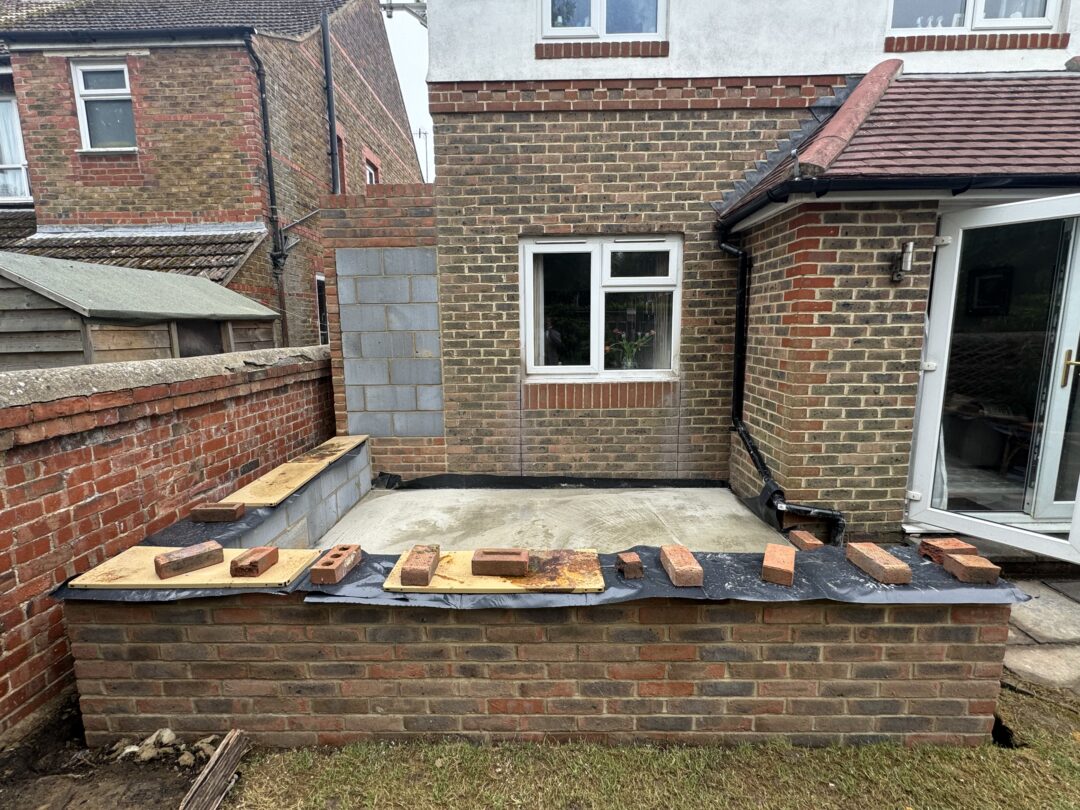
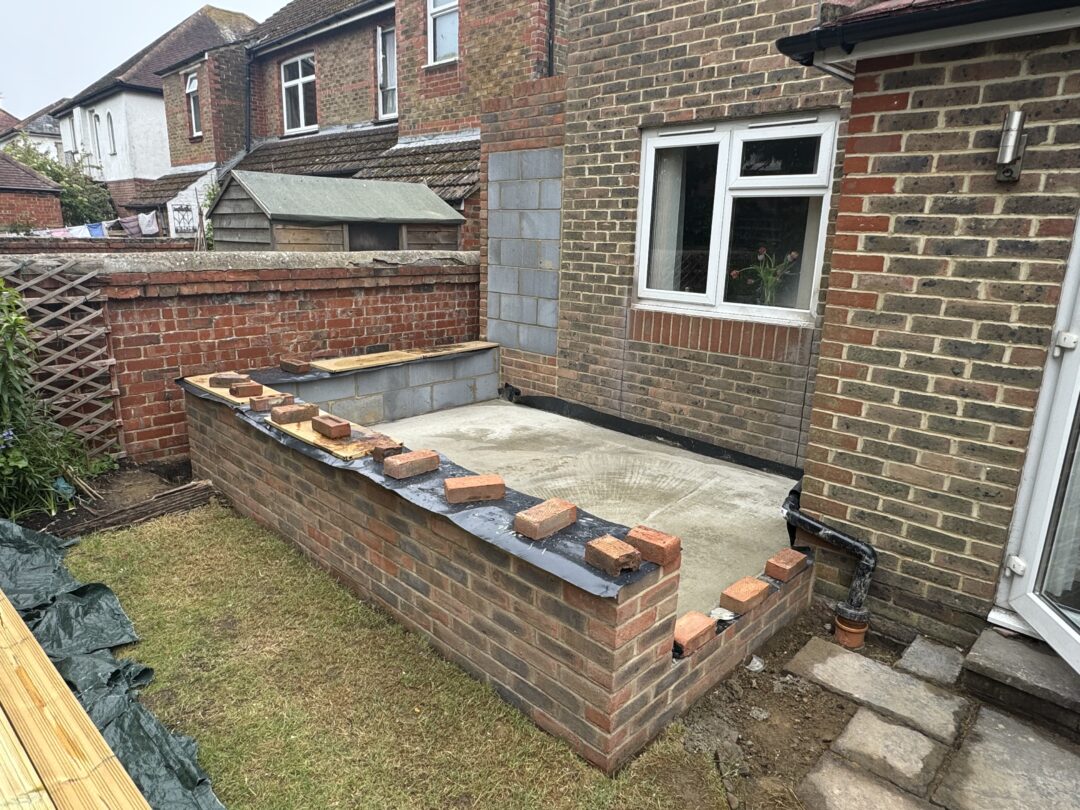
  • Work has begun on a brand-new lean-to conservatory that will bring plenty of charm once finished.
  • Trench footings have been dug and poured with solid concrete for a long-lasting base.
  • The cavity dwarf walls are being completed with matching brickwork and stepped heights, allowing for built-in units along one side and a seamless tie-in to the main house.
Didcot

Big Structure, Strong Start – Even in Tough Weather

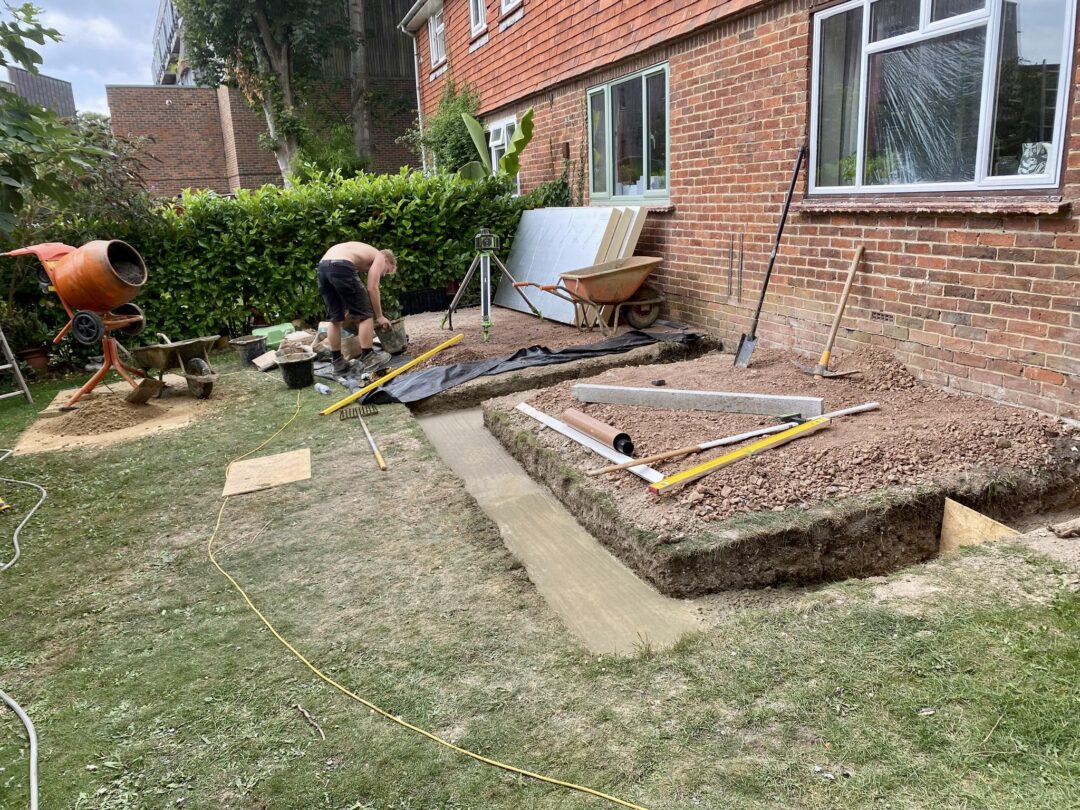
  • Groundworks are now complete on this spacious modern orangery.
  • Despite the rain, we’ve broken up the existing patio, dug trench footings, and used shuttering before the concrete pour to keep everything stable and precise.
  • Concrete is now set, and the first layers of brickwork are up – a strong start for a striking build.
Chichester

Detailed Finishes Ready for the Next Stage

  • Following last week’s progress, all the brickwork is now complete.
  • We’ve carefully matched the decorative red bricks with the buff tones of the main house, adding detailed brick cills to tie everything together.
  • The site’s been cleaned down and is now ready for fitting next week – keep an eye out for how this one takes shape.

That’s a Wrap For This Week

That’s it for this week’s round-up! It’s always exciting to see these spaces take shape. From first foundations to final finishes. Whether you’re mid-project, just getting started, or simply gathering ideas, we hope these updates give you a clear view of what’s possible.

👉 Book a free 30-minute consultation with one of our team. We’ll help you explore ideas, understand the process, and see what’s possible for your home.

Check back next week for more real progress from real homes – From The Ground Up.

Find out more

Thinking About Your Own Project?

Speak with our design team about what’s possible for your home.
From the Ground Up – #2

Real Projects. Real Progress. Real Homes. Welcome to From the Ground Up. Our weekly blog series sharing real progress from live projects across the region. From groundwork to glazing. Follow the journey as we build beautiful, functional spaces that transform the way people live in their homes.

last updated Nov 17, 2025
category News
Share with friends

It’s been a hands-on week across our sites.

In Chichester, we’ve cleared an old conservatory ready for a new orangery. Over in Crawley, a compact extension is taking shape with proper footings and insulation. And in Haslemere, the roof’s complete and the final hand-over has begun. Real progress on three very different builds.

Chichester

Out with the Old, In with the Orangery

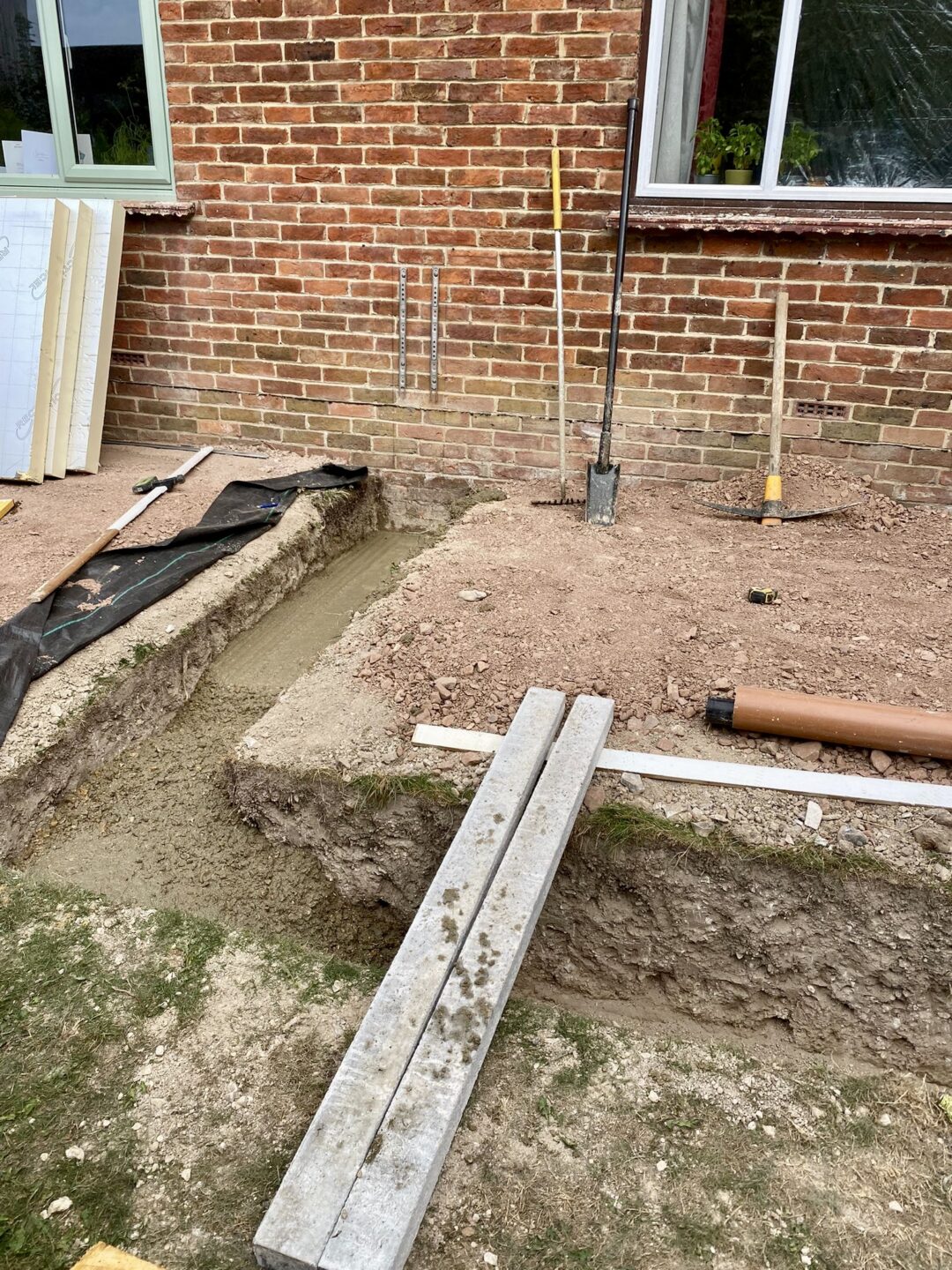
  • The old conservatory has been fully removed as we prepare for a stunning new orangery upgrade.
  • Gas and electrical disconnections were safely completed to set up a clean working site.
  • New footings are now being dug and reinforced, extending beyond the original footprint to create a stronger base for the build ahead.
Crawley

Small Space. Smart Design

  • A compact but highly functional rear extension is taking shape.
  • Footings, damp proofing, and insulation have been carefully installed. Even on smaller builds, we never cut corners.
  • Matching brickwork below the house damp course ensures a durable, future-proof finish that blends perfectly with the main property.
Hindhead

Roof On. Final Hand-Over Underway

  • The roof is now complete on this elegant orangery, marking a major milestone.
  • A replacement glass unit has been fitted after the original was damaged during transport.
  • We’re now working through the final snag list with the customer, getting everything ready for handover next week.

That’s a Wrap For This Week

That’s it for this week’s round-up! It’s always exciting to see these spaces take shape. From first foundations to final finishes. Whether you’re mid-project, just getting started, or simply gathering ideas, we hope these updates give you a clear view of what’s possible.

👉 Book a free 30-minute consultation with one of our team—we’ll help you explore ideas, understand the process, and see what’s possible for your home.

Check back next week for more real progress from real homes—from the ground up.

Find out more

Thinking About Your Own Project?

Speak with our design team about what’s possible for your home.
What Makes Active Glass Different – and Why It Changes Everything for Modern Conservatories

Not all glass is created equal. Here’s how modern active glass transforms a conservatory or orangery into year round living space and why your choice of tint matters more than you think.

last updated Nov 12, 2025
category Guides
Share with friends

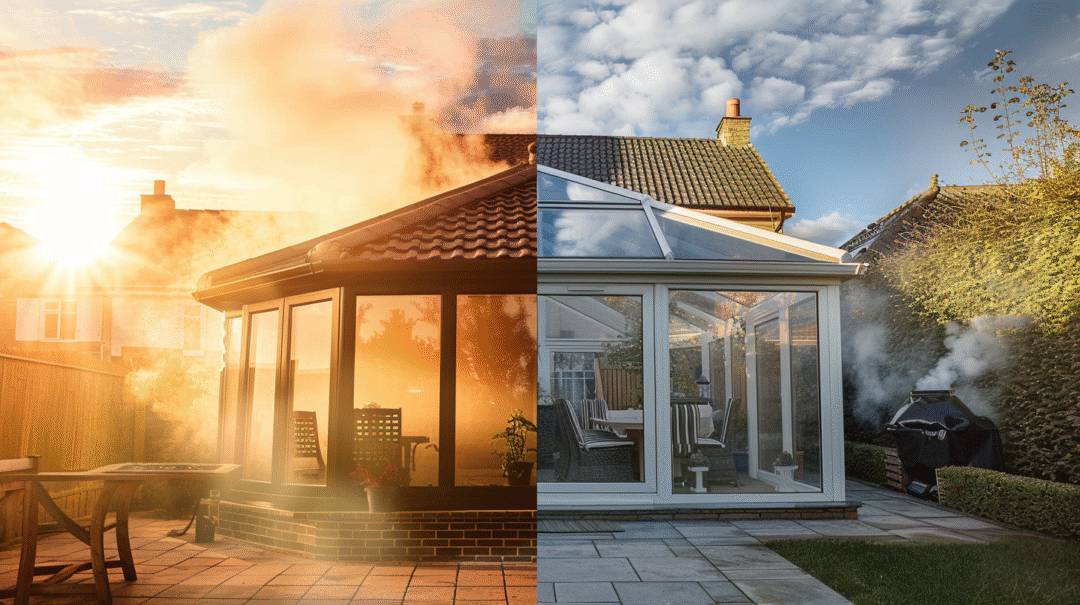
If you’ve ever stepped into an older conservatory, you’ll know the problem. Boiling hot in summer, freezing cold in winter.

That’s not because conservatories can’t be comfortable. It’s because of the glass.

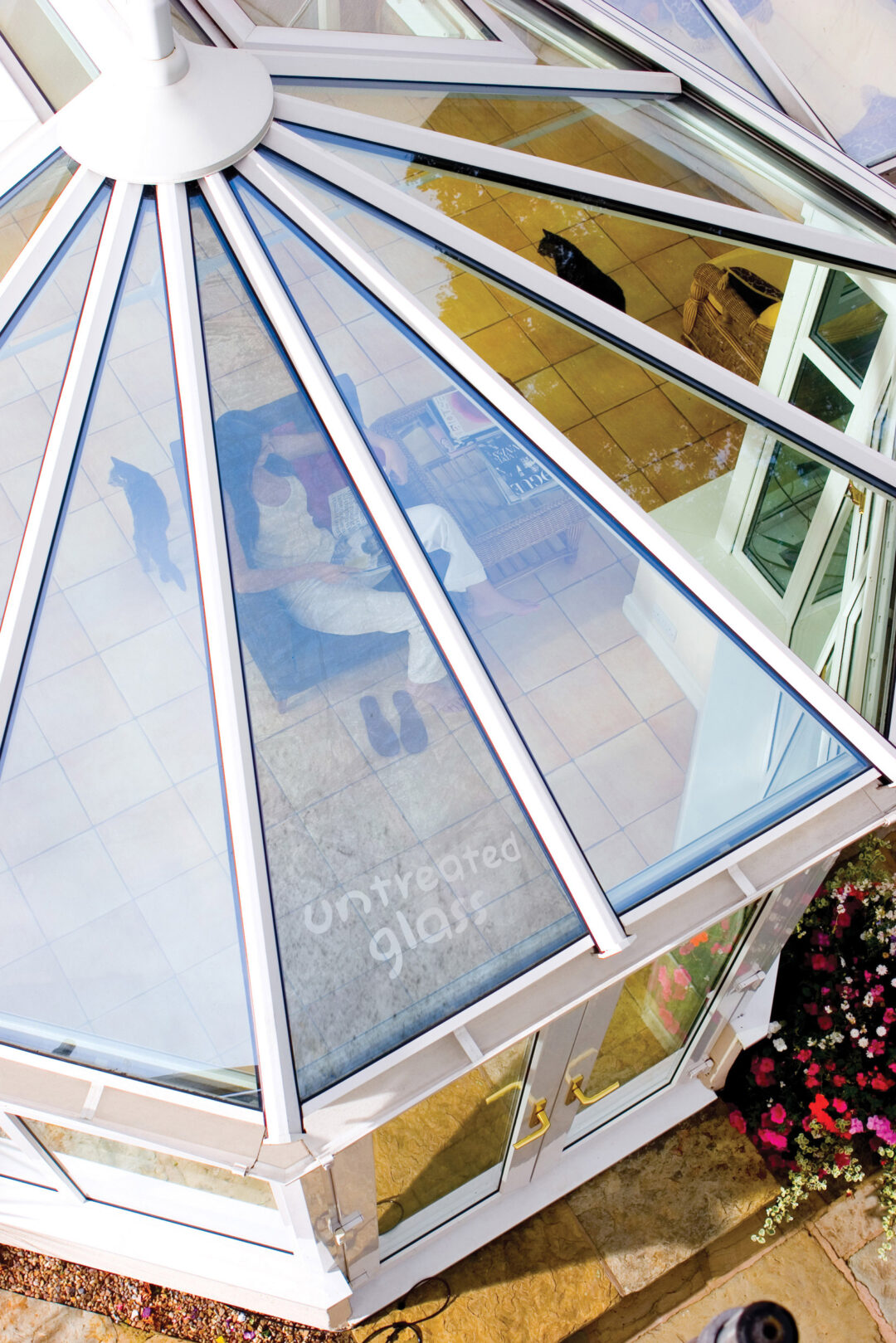
Modern active glass has completely changed how conservatories, orangeries, and glazed extensions perform. It reflects heat, retains warmth, reduces glare, and even cleans itself. Changing a room that was originally seasonal into a space that functions throughout the year.

Let’s break down what makes it different, and why the right tint can make all the difference.

1. What is Active Glass?

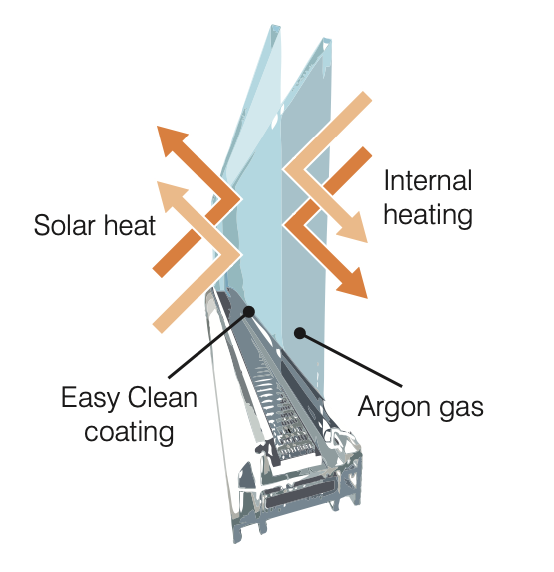
Active glass is high-performance glazing that reacts to the environment around it. A microscopic coating on the glass surface:

  • Reflects solar heat in the summer
  • Retains warmth in winter
  • Reduces glare from direct sunlight
  • Self-cleans using UV light and rainwater

So, while traditional glass simply lets the sun in, active glass manages it. Helping maintain a stable, comfortable temperature all year round.

🌡 Think of it as intelligent glass – it adapts to the weather instead of fighting against it.

2. The Real-World Difference

Most of the heat gain or loss in a conservatory happens through the roof and glazing. That’s why choosing the right glass is far more important than adding extra square footage or fancy features.

💡 Precision Tip: It’s smarter to invest in a high-quality roof system with active glass. This is better than building a bigger structure with cheaper, standard glazing.

Every day, we notice homeowners who focus on size or extras. They often get a beautiful space that feels unliveable for half the year.

That’s why most customers choose Active Solar Glass. They want a true home extension, not a pretty but unusable space.

3. Understanding Glass Tints – Which one is Right for you

Different tints don’t only change the look of your roof – they change how it performs.

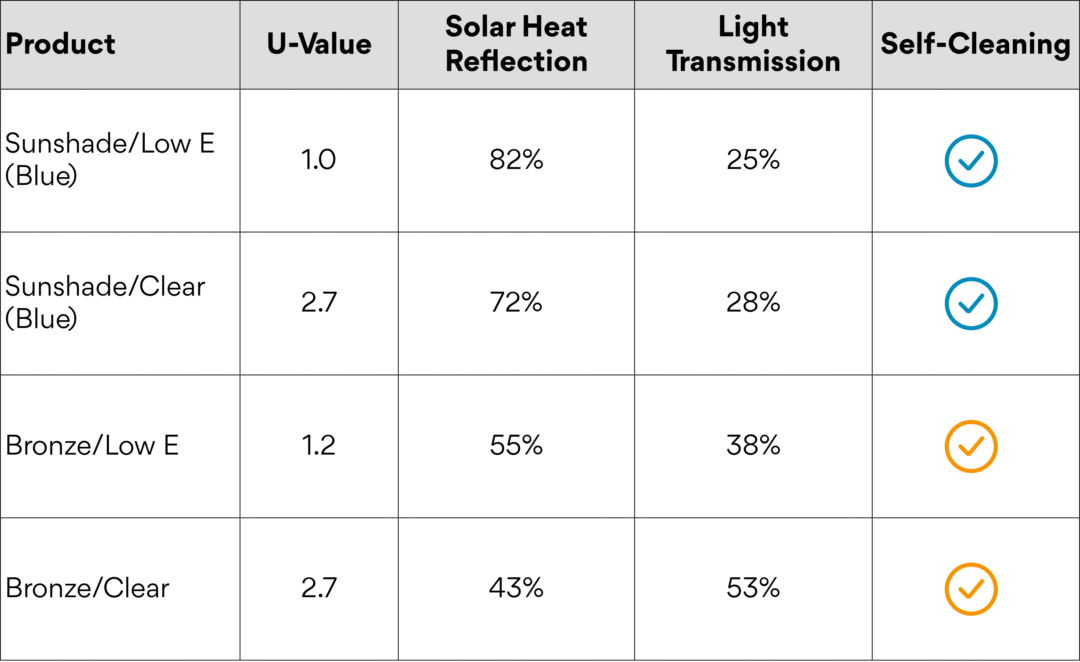
Here’s how the most common options compare:

🎯 Our Recommendation:

Active Blue remains the standout performer. It provides great heat control, natural light, and visual comfort. That’s why most Precision customers select it for conservatories and orangeries.

 4. Does Active Glass Make the Room Darker?

We know what you might be thinking:

“If the glass is blue tinted does that mean less light or a blue glow inside?”

It’s a great question, and one we hear all the time.

The answer is no – Active Blue and Neutral glass still let in plenty of natural daylight.

They filter harsh sunlight but don’t block brightness.

You’ll see a gentle tone when you look through the glass. Inside, your room stays open, bright, and airy. There’s no glare or “greenhouse” effect like with old polycarbonate roofs.

That balance is about Light Transmission. It measures how much light goes through glass. Too much light can cause glare, making a room uncomfortable. Too little light can make it feel dull. Active Blue glass does it well. It lets in the perfect amount of natural light, creating a bright and comfy space all year.

☀️ In fact, many of our customers comment that their new space actually feels lighter. The glass spreads light evenly in the room. This stops direct sunlight from causing hot spots.

5. Understanding U-Values (In Simple Terms)

You’ll often hear the term U-Value when looking at glass, roofs, and insulation. But what does it mean?

In simple terms:

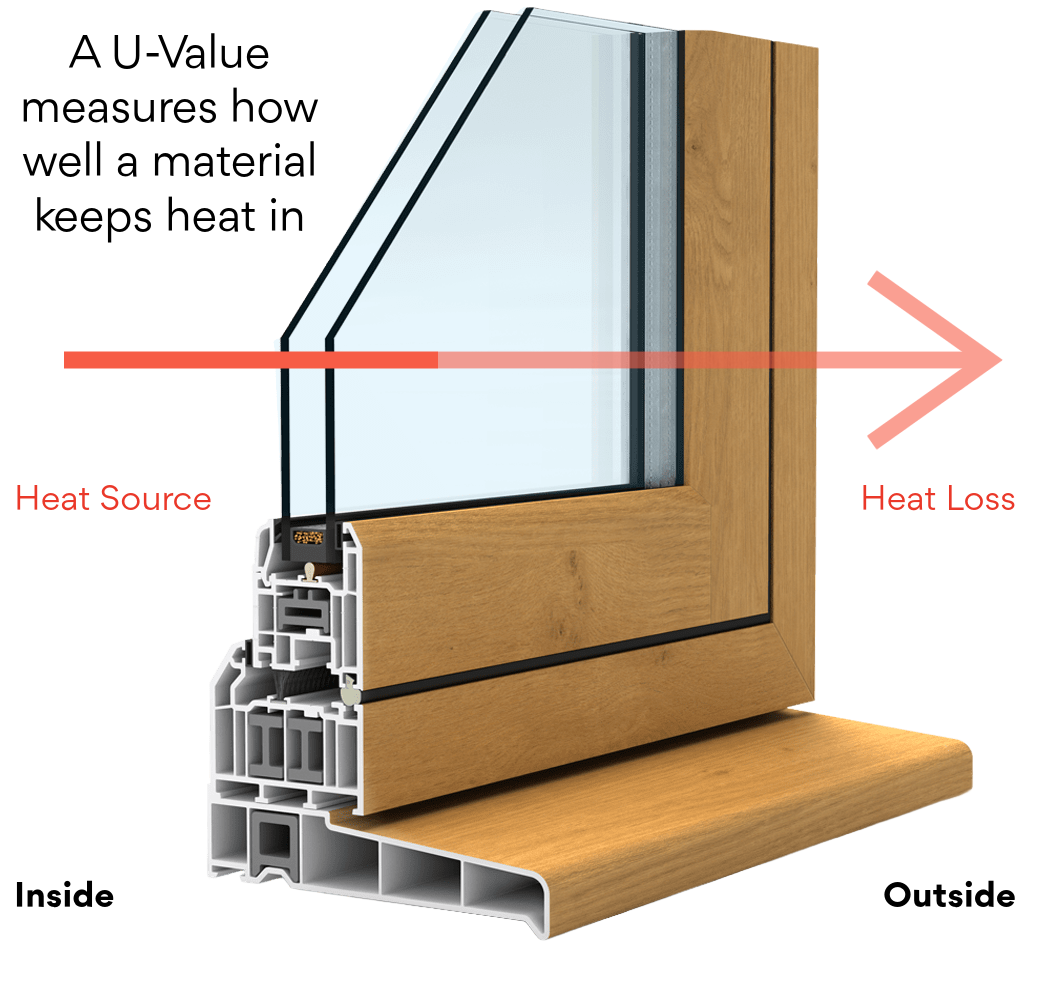
A U-Value measures how well a material keeps heat in. The lower the U-Value, the better the insulation.

For example:

  • Older glass roofs might have a U-Value around 2.7 W/m²K (lots of heat loss).
  • Modern Active Blue glass is around 1.0–1.2 W/m²K, keeping warmth in during winter.
  • A solid tiled roof can be as low as 0.12 W/m²K – about the same as your house roof.

💡 Think of it like golf – the lower your score, the better.

That’s why the right glass matters. Even if two roofs seem alike, the one with a better U-Value will stay warmer. It will cost less to heat and feel more comfortable throughout the year.

6. The Self-Cleaning Effect

It’s a small detail, but it makes a big difference long term. Plus, most customers do want to spend every weekend cleaning their glass roof.

The outer coating of active glass breaks down dirt using UV light and allows rainwater to wash it away evenly – meaning fewer streaks and less maintenance.

7. Real Proof From our Projects

Every time we install a conservatory or orangery with Active Blue glass, the feedback is consistent:

“It’s warm in winter, cool in summer. We actually use it every day.”

The temperature stability, glare reduction, and light tone make it the top choice for all our customers.

Check out this example

Find out more

See the Difference Yourself

Book a free design consultation. We’ll show you real examples of Active Blue and Neutral glass from completed projects. This way, you can see the differences in light, comfort, and temperature for yourself.

From the Ground Up – #1

Real projects. Real progress. Real homes. This is the first edition of From the Ground Up. Our new weekly series that gives you an inside look at the real projects we’re building right now. Each week, we’ll share live updates from sites, showing how extensions, conservatories, and orangeries take shape, step by step.

last updated Nov 25, 2025
category News
Share with friends

Welcome to the start of something a little different.

From the Ground Up is our way of showing you what really happens on site. No glossy brochure shots, just honest, week-by-week updates on the projects we’re currently building.

We want to show you how these spaces are built. The craft. The detail. The ideas behind them. Whether you’re planning your own project or just curious how it all comes together, you’re in the right place.

From foundations being dug. To tiled roofs going on. There has been plenty of activity across our sites this week. In this first edition we are taking you behind the scenes on three live projects. Each at a different stage and with its own exciting progress.

West Sussex

Breaking Ground

  • Planning has just been approved for this clean, simple lean-to structure.
  • The footings are now dug and poured, with matching brickwork built below house level.
  • Access was tricky, but materials are on site and ready to go.
  • Even for a modest conservatory, we always build it right. Proper footings, damp course, and thick insulation for year-round comfort.
Bournemouth

Conservatory Taking Shape

  • Foundations and brickwork are complete, with fitting due to start next week.
  • We’ve matched the brickwork below the blocks to blend seamlessly with the house, and a crisp modern render will follow once fitting is complete.
  • Full-filled cavity walls mean this new space will be warm, quiet, and usable all year round.
West Sussex

Small Space, Big Potential

  • In Worthing, the base and walls are now complete on this compact but highly functional rear extension.
  • With 450mm dwarf walls and perfectly matched brickwork, it’s designed to tie in beautifully with the main house.
  • A raised parapet wall at the back lets us push out further, maximising every inch of usable space.

That’s a Wrap on Week 1

That wraps up our very first edition of From the Ground Up! Each week, we’ll be sharing real progress from the homes we’re building. Whether it’s digging footings, fitting roofs, or adding those final touches.

Inspired by this week’s builds?

👉 Book a free 30-minute consultation with one of our team—we’ll help you explore ideas, understand the process, and see what’s possible for your home.

Thanks for following along. We’ll be back next week with more behind-the-scenes updates—from the ground up.

Find out more

Thinking About Your Own Project?

Speak with our design team about what’s possible for your home.
What Happens After You Sign Your Order – Step-by-Step Build Timeline

Just signed your order? Here’s exactly what happens next. From survey and approvals to manufacturing and installation. So you know what to expect at every stage.

last updated Nov 5, 2025
category Guides
Share with friends

Once you’ve signed your order, the excitement begins. But you need to know – what happens next?

At Precision, we believe the process should feel clear and predictable from the very start.
That’s why we’ve laid out every step below. Showing who does what. When it happens, and what you can expect along the way.

We want you to feel fully in control of the process.

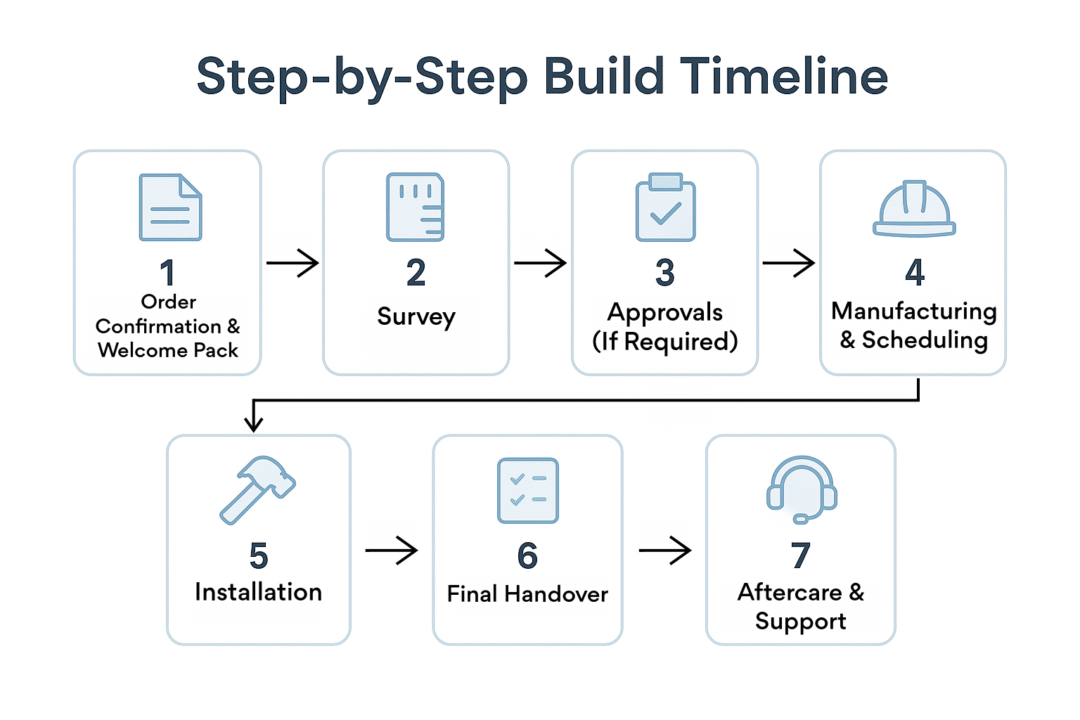
🧾 1. Order Confirmation & Welcome Pack (Days 1-2)

Once your order is confirmed and deposit paid, you’ll receive a set of emails to get everything started:.

  • Your Order Confirmation – confirming your chosen specification and design.
  • Project Manager Intro + Process Outline – our project manager introduces themselves and an email version of this blog on the process.
  • Charity Selection Email – so you can pick which charity we donate to on your behalf.
  • Your Agreement – the signed contract via your phone or computer.

💡Precision Tip: Save these emails. They contain your project reference, agreed specification, and payment details.

📏 2. Survey Visit (Week 1-2)

Our appointed surveyor will arrange a visit.

They’ll take final measurements and confirm every important detail with you.

During the visit, we’ll:

  • Check ground levels, walls, and drainage.
  • Confirm door and window openings.
  • Review any changes or additions since the original quote.
  • Run through any final questions

Once complete, you’ll receive a survey confirmation summarising everything agreed.

🧱 Precision Promise: Any adjustments discussed on site are always confirmed in writing, so there are no surprises later.

🏛️ 3. Planning or Building Regulation Approvals (If Required)

Not every project needs formal approval. But if yours does, we’ll manage it for you.

We’ll prepare and submit the necessary drawings and liaise with the relevant authorities on your behalf.

You’ll be kept informed throughout the process and notified as soon as approval is granted.

⚠️ Important: Your 6–8 week production timeline begins after approvals are granted, not after the order date. This ensures everything built on site complies with the final approved plans. 

Ensuring complete peace of mind.


⚙️ 4. Manufacturing & Scheduling (Weeks 3-6)

Once the survey is complete (and approvals confirmed if needed), your project moves into production.

We send all verified measurements and specifications to the manufacturer, who begins creating your frames, roof and glazing.

Meanwhile, our office team:

  • Books your installation slot on the build schedule.
  • Prepares your Payment Schedule so you can plan upcoming stage payments.
  • Confirms your Frame Balance payment before delivery.

📦 When the frames and roof are ready, we’ll confirm the delivery date with you and ensure a Precision representative is on-site to accept it.

🔨 5. Installation (Weeks 6+)

On your scheduled start date, the build team arrives on site to begin work

The installation follows a clear order:

  1. Groundworks and base construction
  2. Frame and roof installation
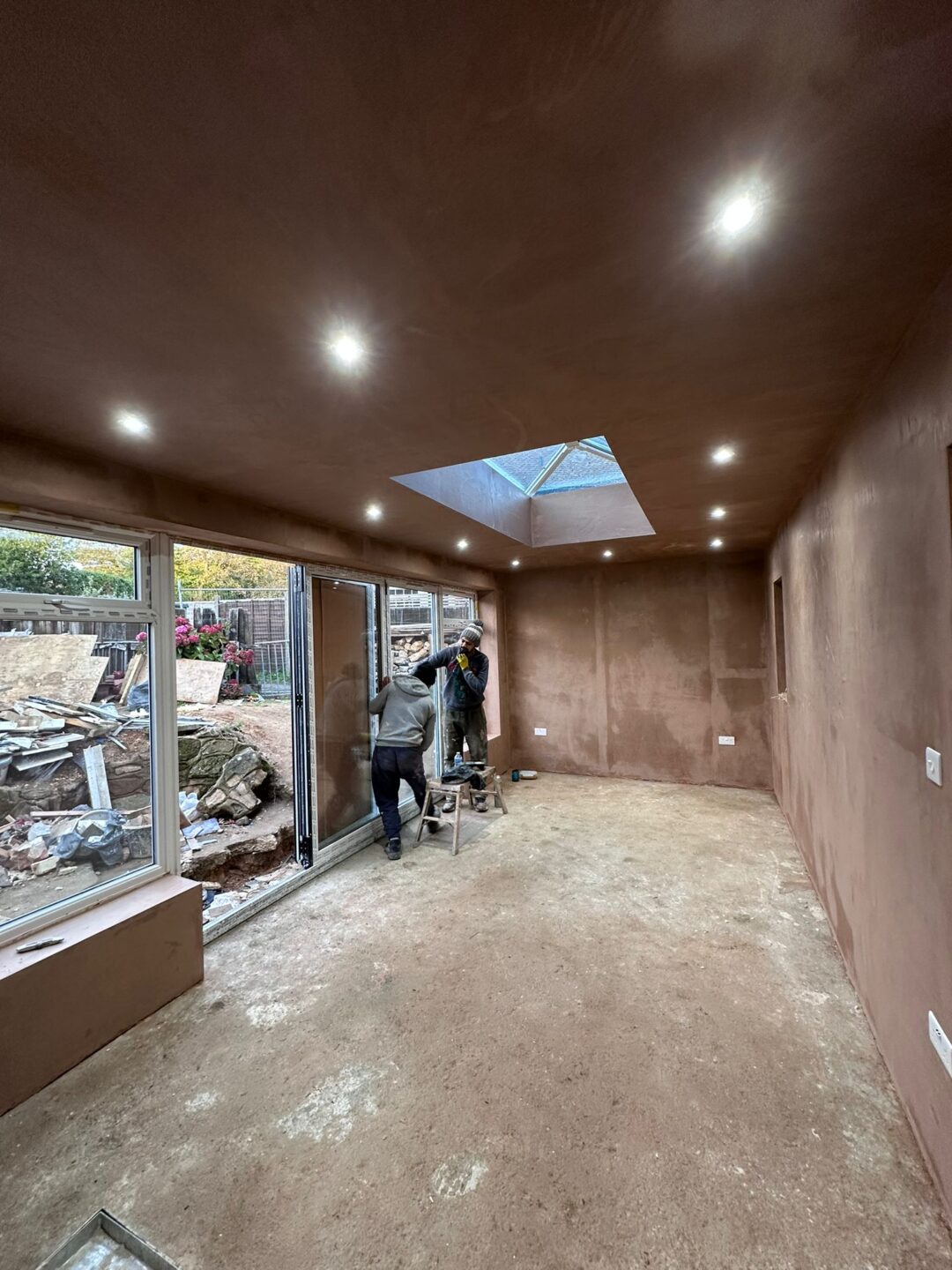
  3. Plastering, electrics, and finishing touches

Your Project Manager stays in contact throughout the build to keep everything running smoothly and on time.

🧱 Typical build duration: Most installations take around 4-6 weeks once on site, depending on design and weather conditions.

🪟 6. Final Steps & Handover

Once your new space is complete we ensure every detail meets Precision’s standards.

You’ll then receive:

  • Your handover pack, including warranty and care information.
  • Your final invoice, issued only once the work is complete and approved.
  • Final photos for your finished project..

🎉 Your new space is now ready for decoration and furnishing. A bright, warm, functional room built to last.

🧰  7. Aftercare & Support

Our service doesn’t end when the build does.

If you ever have a question about your warranty or need support with any aspect of the finished work, our aftercare team is here to help.

We’ll make sure any issues are resolved quickly and professionally, keeping your new space performing exactly as it should.

🛠️  The Precision Promise: On Time. On Budget. World-Class Service.
That’s our commitment from first visit to final sign-off.

Find out more

See Your Build Timeline In Action

Book a free consultation and we’ll show you a personalised project roadmap. Including survey, approvals, manufacturing and build stages. So you always know what to expect from day one.

Conservatory, Orangery & Tiled Roof Extension Costs in 2025 — Full Breakdown

Thinking about adding extra space this year? Here’s an honest 2025 price guide covering conservatories, orangeries and tiled-roof extensions. We cover what affects the cost and where you can save without cutting corners.

last updated Nov 11, 2025
category Guides
Share with friends

One of the main buying decisions for any homeowner is simple: How do I get the most from my budget

We completely understand. In this industry, it’s no secret that prices can vary wildly. Some quotes are overinflated to cover sales commissions, while others look like a bargain until the work starts. Then quality and service are below your expectations.

That’s why it’s natural to ask: “What should I really expect to pay for a conservatory, orangery or tiled-roof extension in 2025?”

It’s a fair question. And it’s exactly why we created this guide. To give you an honest, up-to-date overview of real project costs, what affects them, and how to make sure your investment delivers genuine long-term value.

Below you’ll find transparent pricing, clear comparisons, and practical examples based on real Precision projects completed across England. 

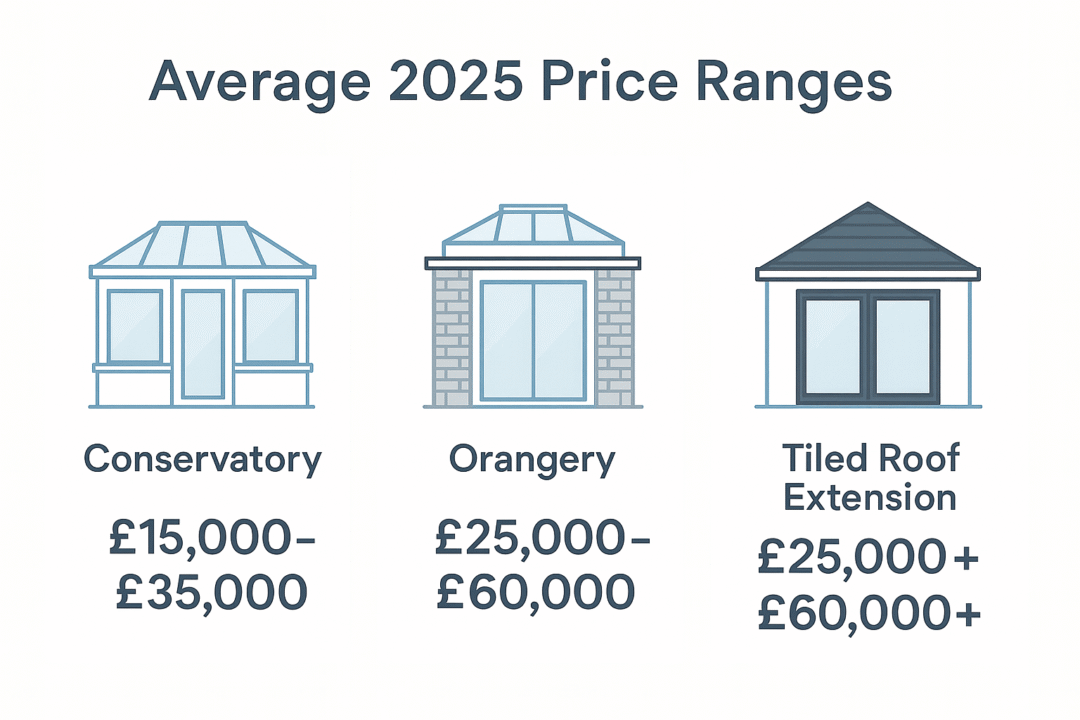
1. Average 2025 Price Ranges

Build Type

Typical Price Range (2025)

Key Features

Conservatory

£15,000 – £35,000+

Glazed roof, high light levels, cost-effective extra room

Orangery

£25,000 – £60,000+

Brick pillars, roof lantern, premium architectural feel

Tiled-Roof Extension

£25,000 – £60,000+

Fully insulated solid roof, traditional look

2. What Affects the Price

  1. Size & Shape
    • The bigger the footprint, the more glass, roof sections and foundations are required. Larger Simple rectangular builds cost less than angled or complex footprints.
  2. Roof Type
    • Glass roofs are generally cheaper than tiled roofs. Tiled or hybrid roofs provide superior insulation and noise reduction but do cost more.
  3. Colours
    • White Frames: lower cost – will match with any existing house windows.
    • Coloured Frames: 10-20% higher.
      • Precision Tip: Most homeowners split the frame going colour out-white in. This reduces the cost of having a colour. The white inside makes it easier to match the inside furniture. 
  4. Site Access & Groundworks
    • Restricted access, drainage issues or deeper footings increase labour and material costs.
  5. Finishings & Interiors
    • Flooring, plastering, lighting and heating choices can vary a project by several thousand pounds.

3. Cost Breakdown by Example Project


3.1 Example 1 – Classic Conservatory (£16-18,000 inc VAT)

  • 4 x 3 m Lean To style with  polycarbonate roof.
  • White uPVC frames.
  • Includes dwarf walls and electrics.

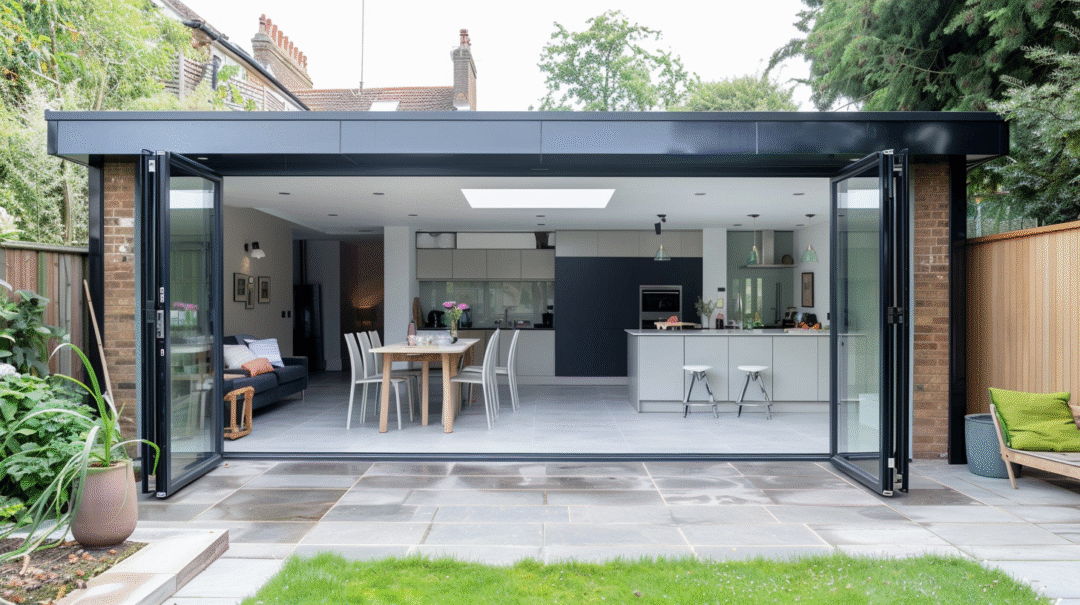
3.2 Example 2 – Modern Orangery (£40-55,000 inc VAT)

  • 3.8 × 5 m brick-based Orangery with aluminium lantern.
  • 2x Anthracite Aluminium BiFolding Doors.
  • Includes planning permission, building regulations, brick pillars, internal house wall removal, plastering and electrics.

3.3 Example 3 – Tiled-Roof Extension (£45-55,000 inc VAT)

  • 7.4 x 3 m solid-roof build with 2x sky vista glass units in the roof.
  • White uPVC frames.
  • Includes building regulations, take-down of the old conservatory,  internal house wall removal, plastering and electrics.

4. How to Keep Costs Under Control

  1.  Design around how you’ll use the space
    • Start with function, not footprint. A slightly smaller, better-insulated build is often more usable and more cost-effective compared to a larger, colder one.
  2. Be realistic about finishes
    •  Interior extras like flooring, lighting and plastering can add 10–20 % to a build. Decide early what’s essential and what can wait. That is how you stay on budget.
  3. Combine materials intelligently
    •  Most Precision builds use aluminium for the doors (for strength and slim-frames) and uPVC for the main frame (for insulation and value). It’s a simple way to achieve a premium look without the full aluminium price tag.
  4. Choose performance over size
    • A high-spec roof and glass package will do more for comfort and resale value than adding an extra half metre in length. Energy efficiency pays you back long after the build.
  5. Fix your price properly
    • Look for a company that offers a fixed-price quote, not an “estimate.” It keeps accountability clear and prevents creeping extras once work starts.

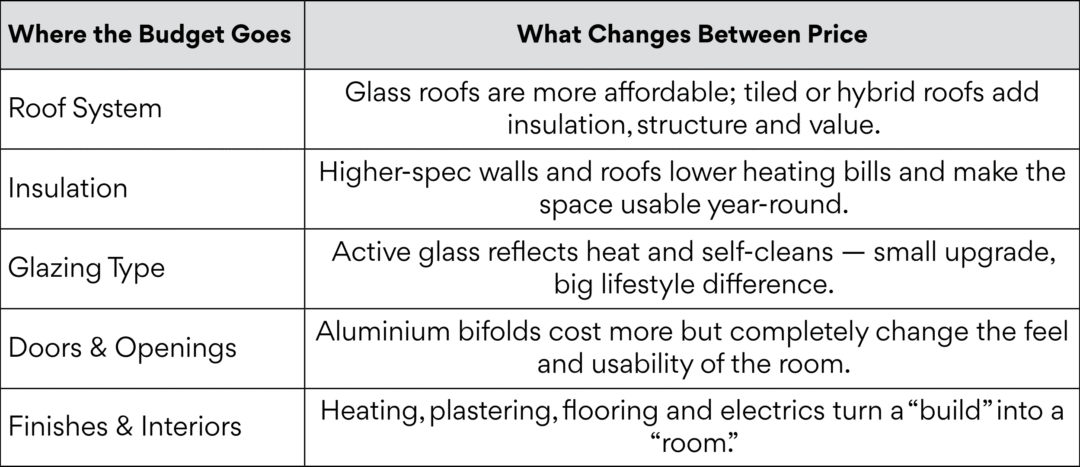
5. What you actually get for your money

Price differences aren’t just about size. They are about specification and finish. Two extensions can look identical on paper but feel completely different once built.

Here is where the money really goes:

Precision Tip: Don’t just compare prices. Compare specification.
A £35,000 conservatory and a £35,000 tiled roof extension deliver very different outcomes in comfort, lifespan, and property value.

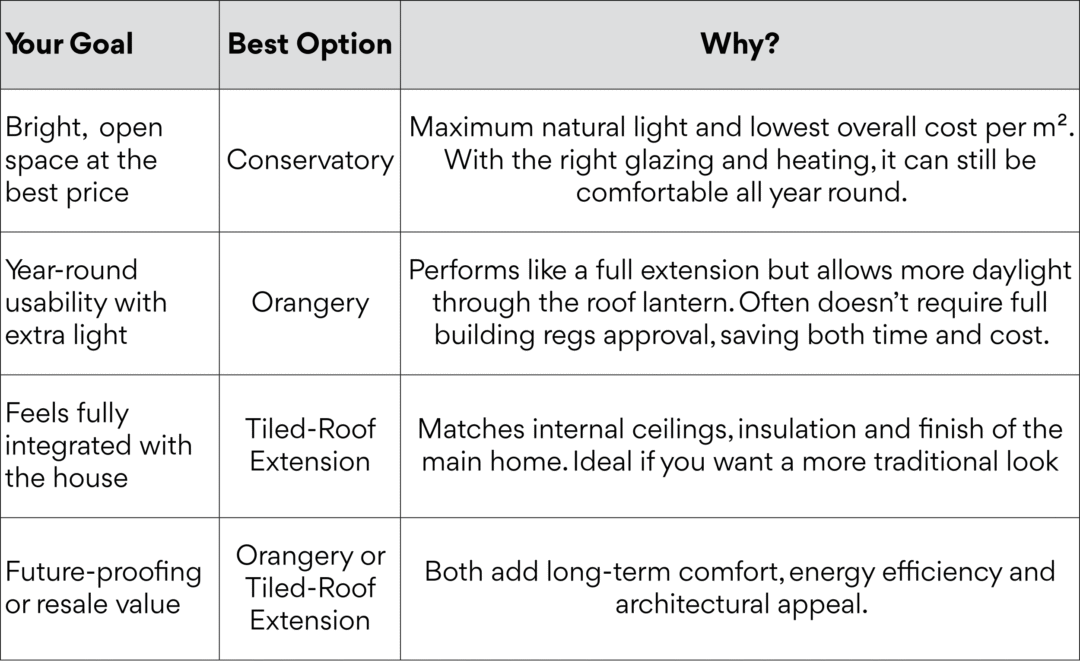
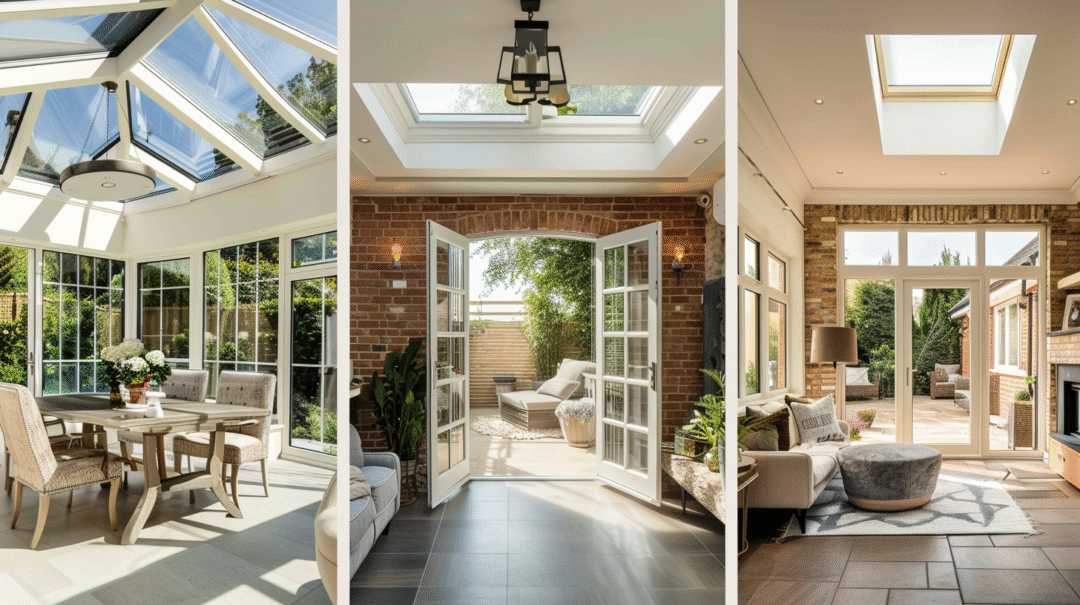
6. Which Structure delivers the best value for you?

Each structure has its own strengths. The “best” one depends on how you want to use the space and what look you’re aiming for.

Precision Insight:

If your budget allows, upgrading to an orangery or tiled roof system gives an extra level of insulation and usability all year round.

But don’t overlook a conservatory. With the right roof design, glazing, and heating setup, we can make it a bright, comfortable room that’s functional through every season.

6. Our Honest Summary

It’s easy to get lost in prices, styles, and technical terms — but every successful project comes down to three things:

  1. Clarity at the start — fixed quotes, clear drawings, no assumptions.
  2. Quality materials, chosen for purpose — not upsold for margin.
  3. A company that delivers on its promises.

At Precision, every design is built on those principles.

Whether you choose a conservatory, orangery, or tiled roof extension, our job is to help you invest confidently. We want you to enjoy a finished space that feels like it’s always belonged to your home.

Find out more

Plan Smarter. Build Better

Get a transparent, 2025 fixed-price quote that fits your space and budget. Conservatory, orangery or tiled roof extension – designed for comfort all year round.

uPVC vs Aluminium – Which Is Better for Your Home?

Trying to decide between aluminium and uPVC? Here’s an honest, real-world look at the pros, cons, and what to think about before spending the extra money.

last updated Oct 27, 2025
category Guides
Share with friends

I met with a customer this week who asked a question we hear all the time:

“Is aluminium really worth the extra money compared with uPVC?”

It is a great question and got me thinking that he, like many homeowners, wasn’t sure what the real difference was beyond the colour or price tag.

So, if you’ve been wondering the same, here’s the simple truth. Both materials are excellent. The right choice depends on how you plan to use the space, what style you want, and how long you expect to stay in the home.

At Precision, we design in both systems, so here’s a transparent comparison to help you choose confidently.

1. Cost & value

In most cases, aluminium frames are around 20–40% more expensive than uPVC equivalents.

That’s because aluminium is stronger, requires more complex manufacturing, and offers slimmer frames.

However, cost isn’t everything.

  • uPVC keeps the project budget lower while delivering great insulation.
  • Aluminium costs more initially but offers a longer lifespan and higher resale appeal thanks to its modern look and build quality. 

💡 Precision Tip: For long-term homes or high-design projects, aluminium is often worth the investment. For classic conservatories or value-led builds, uPVC delivers unbeatable performance for the price.

2. Thermal Performance

Thermal efficiency has levelled out in recent years.

  • uPVC is naturally more insulating, reducing heat transfer through the frame.
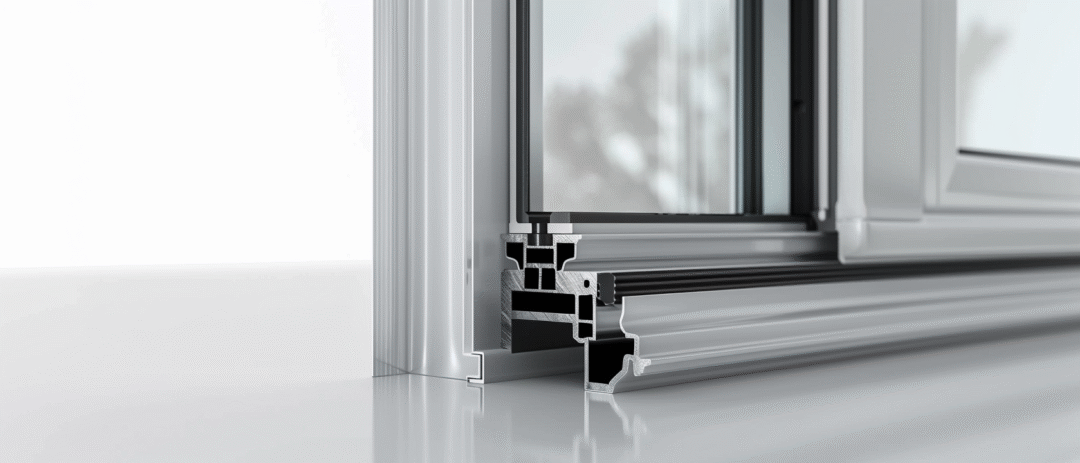
  • Aluminium used to lag behind but now features advanced thermal breaks – hidden barriers that stop heat loss.

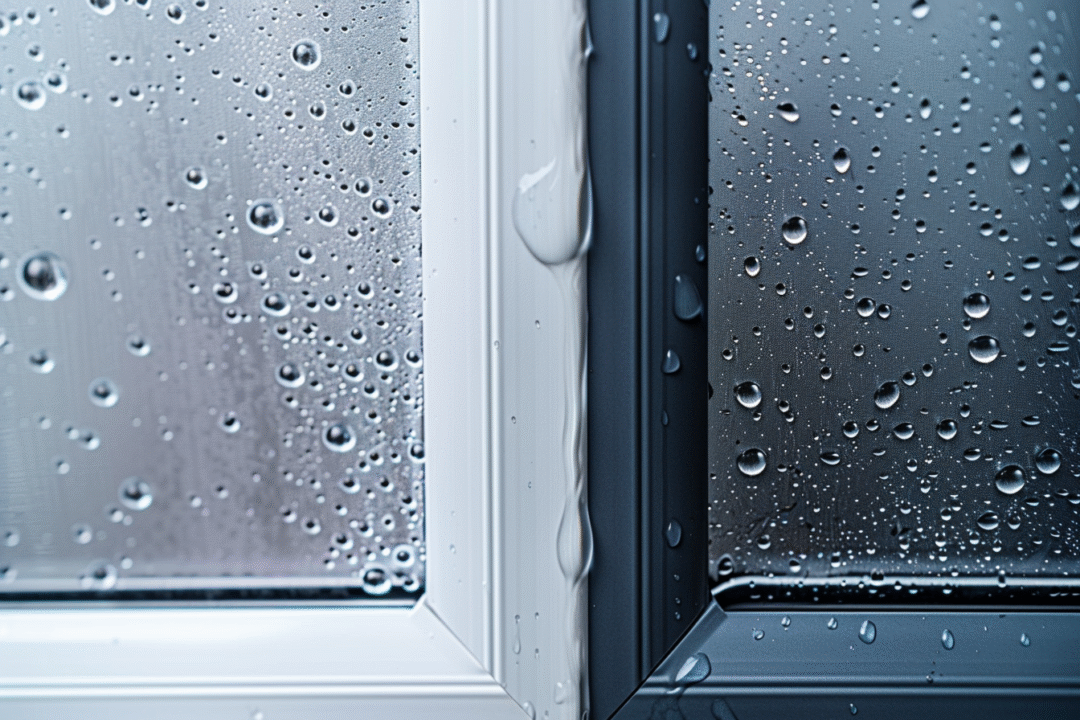
What is a thermal break?
A thermal break is a thin, non-metal layer (often made of plastic or resin) built inside the aluminium frame.
It separates the cold exterior metal from the warm interior, preventing heat from escaping and condensation from forming.
Think of it like a built-in insulator between the inside and outside of your window or door frame.

When paired with modern active glass or a tiled roof system, both achieve excellent year-round comfort.

Key point: The roof and glazing choice make more difference to warmth than the frame material alone.

3. Strength and Design Possibilities

Because it’s stronger, aluminium allows thinner frames and larger panes of glass without extra supports.

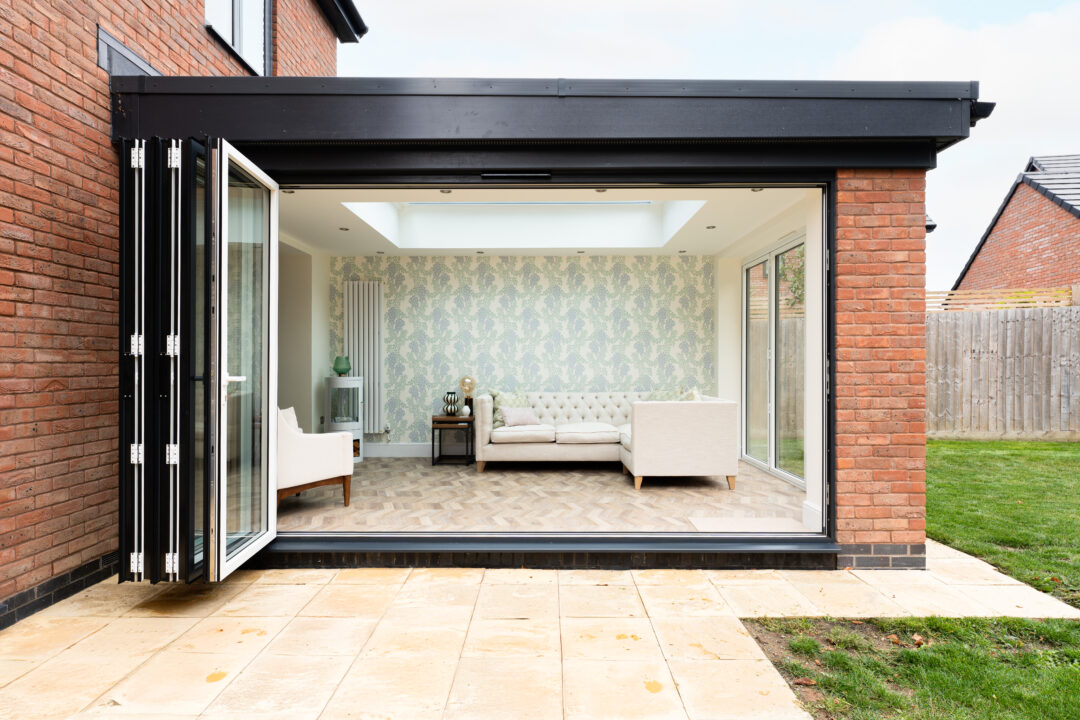
That’s why, on most projects featuring bifold or sliding doors, we’ll specify aluminium for the doors only. This allows the design to handle the size and movement safely and maintain slim sightlines.

The rest of the structure (apart from the roof) can often remain uPVC, keeping costs down and insulation high.

This hybrid approach delivers the best of both worlds: strong, stylish doors with an efficient, budget-friendly frame system.

However, if the goal is a fully contemporary look. Clean lines, minimal frame thickness, and matching colour throughout, then we’ll recommend going fully aluminium for a seamless aesthetic.

Precision Insight: Many customers choose aluminium doors with uPVC frames, but if your design focuses on symmetry or ultra-modern styling, a full aluminium system gives the sharpest finish.


4. Maintenance & Lifespan

Both materials are low-maintenance — no painting, no rusting, no warping.

Factor
uPVC
Aluminium
Cleaning Simple wipe-down twice a year Same
Colour fade May dull slightly after 20+ years Powder-coated finish resists fading for 30+ years
Repairs Easy and inexpensive Rarely required

Real-world view: We expect uPVC systems to last 25+ years and aluminium around 35+ years, depending on location and care.


5. Style & Colour Options

Both offer extensive customisation:

  • Unlimited RAL colours on both aluminium and uPVC.

  • uPVC can also achieve realistic woodgrain effects. Rosewood, Golden Oak, Irish Oak, and more.

  • Aluminium provides a flawless, contemporary finish but cannot replicate woodgrain texture.

So, if you’re trying to match existing Rosewood windows, uPVC is ideal. If you’re after clean anthracite lines or dual-tone contrast, aluminium will look sharper.

5. Sustainability

Aluminium is one of the most recyclable materials on earth. It can be reused indefinitely without losing quality.

uPVC is also recyclable, though it slightly downgrades each time it’s reused.

Both materials are eco-friendly options when sourced responsibly and installed with energy-efficient glazing.

5. Quick Summary

Priority
Best Choice
Lower cost uPVC
Sleek, modern design Aluminium
Woodgrain / heritage look uPVC
Large openings (bifolds/sliders) Aluminium
Long lifespan Aluminium
Energy efficiency Both (depends on roof/glass)

Our Honest View

Every home and every homeowner is different. 

Aluminium offers strength, sharp lines, and a longer lifespan. uPVC offers warmth, flexibility, and the option to match existing finishes.

At Precision, we design in both materials because the best system is the one that fits your space, budget, and style not a one-size-fits-all answer.

Find out more

See the Difference in Person

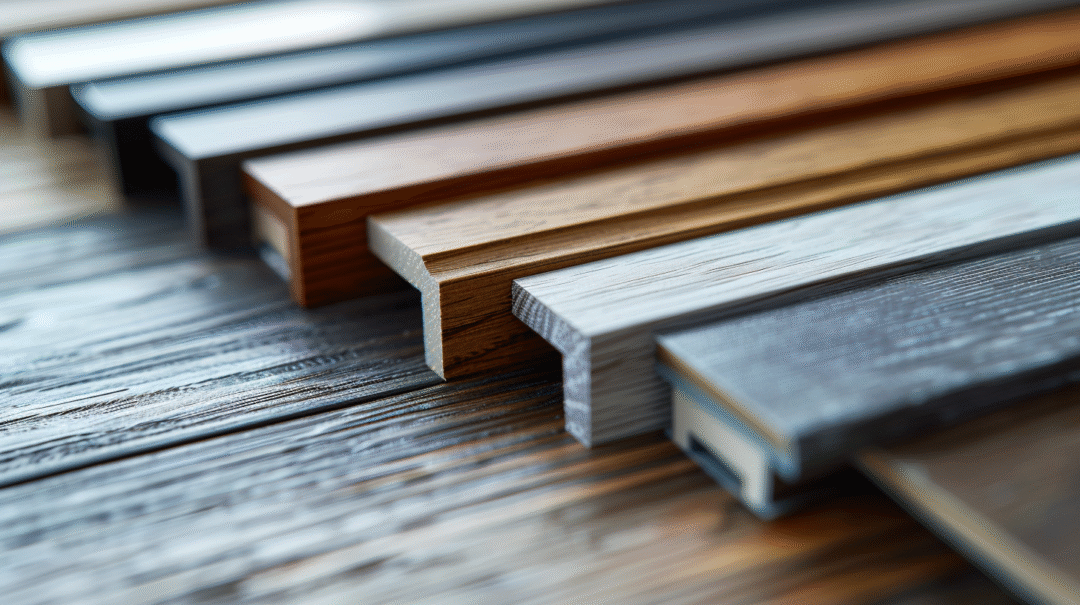
Book a free design consultation and see both uPVC and aluminium frame samples side-by-side. So you can feel the difference yourself.

Sauna in Summer, Icebox in Winter? Here’s How We Fix the Conservatory Problem

Say goodbye to extreme temperatures—discover the smart upgrades that turn your conservatory into a comfortable, year-round living space.

last updated Sep 3, 2025
category Guides
Share with friends

We’ve all heard the joke… Conservatories are either boiling hot in summer or freezing cold in winter.

And honestly? Older builds earned that reputation. They had thin polycarbonate roofs, poor ventilation, and no insulation. But modern conservatories? They have come a long way.

Here’s how we tackle the usual conservatory temperature problem to ensure yours stays comfortable all year long:

1. Upgrade the Roof

The roof is the biggest game changer. We offer options like:

  • Tiled insulated roofs – create a solid extension feel, with fantastic thermal performance.
  • Hybrid roofs – a mix of solid panels and glazing to let in light without the heat.
  • High-performance glass roofs – with solar control, heat reflection, and noise reduction.

You don’t need to choose between light and comfort anymore—you can have both.

2. Use Active Glass

Forget the old greenhouse effect. Our active glazing reflects heat away in summer and retains warmth in winter. Bonus: It also cuts glare and helps keep the glass clean by breaking down dirt and debris. This is especially useful near trees or if birds visit often.

3. Insulate and Ventilate

Good insulation is key—not just in the roof, but in the base, walls, and frames. And just as important? Proper ventilation. Opening vents, trickle vents, and even a small roof vent can make a huge difference to airflow and comfort.


4. Choose Quality Frames and Doors

Cheap uPVC frames can let draughts in and heat out. We use high quality, energy-saving frames and doors. They keep your conservatory snug and at a steady temperature. So, you won’t shiver in winter or sweat by mid-morning.


5. Think Ahead with Heating and cooling

Plan for comfort, not just structure. Options like:

  • Underfloor heating
  • Slimline radiators
  • Ceiling fans or smart blinds …can help you control the environment year-round.

The result? A room you can actually use—every single day of the year.

Whether you’re using it as a kitchen extension, playroom, garden lounge or even a home office, a properly built conservatory adds space and value—without becoming a seasonal regret.

Find out more

Want to transform yours? Or design a new one that gets it right the first time?

Book a free 30-minute consultation with one of our experts and let’s create a space that works all year round.

Which One Wins? The Truth About Conservatories and Orangeries

They might look similar at first glance, but conservatories and orangeries offer very different styles, structures, and benefits. Here’s what sets them apart and how to choose the right one for your home.
last updated Aug 12, 2025
category Guides
Share with friends

One of the most common questions we get asked is, “Should I choose a conservatory or an orangery?””

Both add space, light, and value to your home. But they have different builds, feel different, and suit different needs. Let’s break it down.
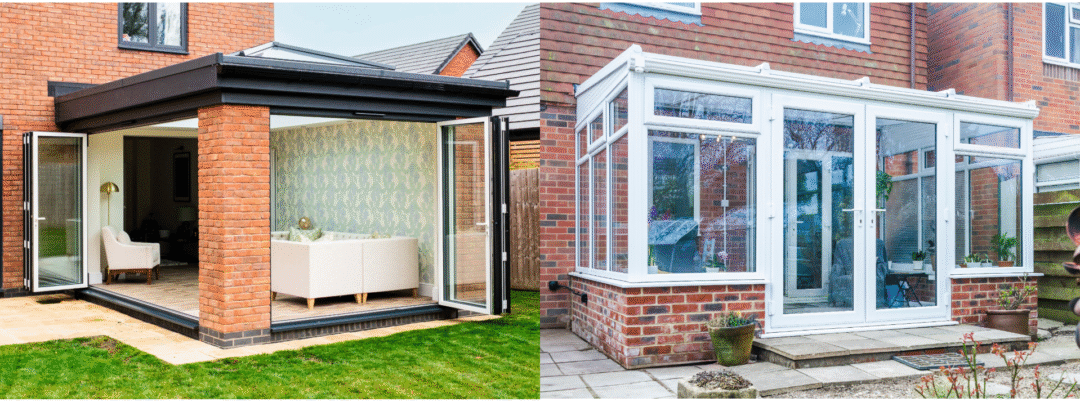
What is a Conservatory?

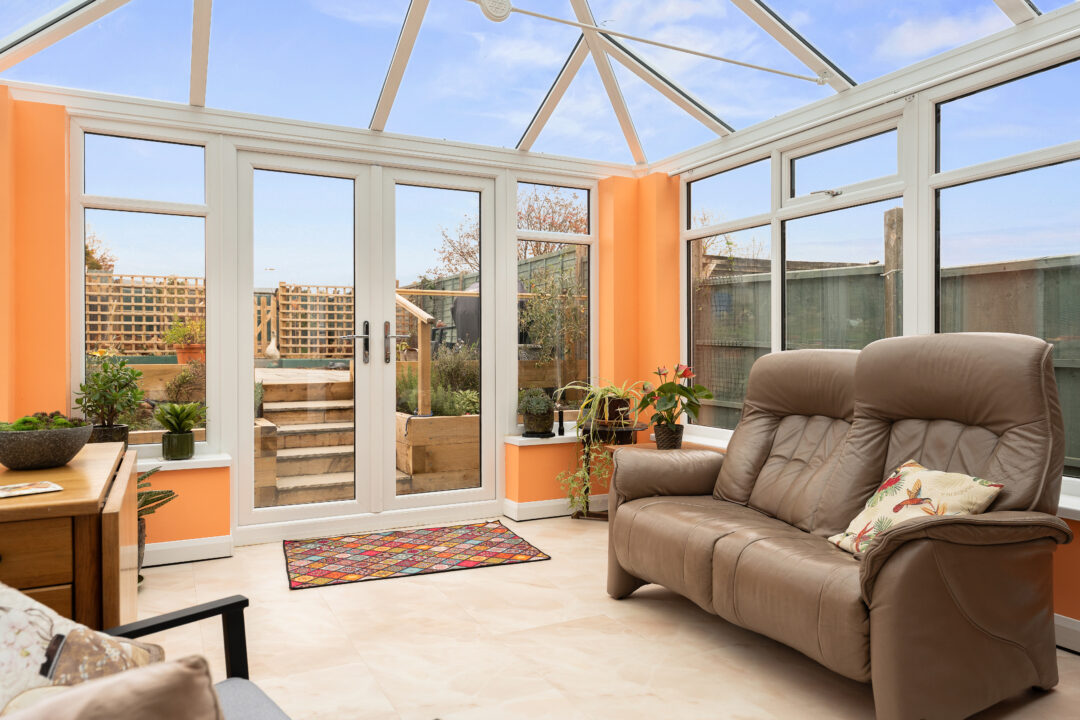
A conservatory is a fully glazed structure, typically with:

  • Large glass walls on all sides
  • A glass roof (or more recently, a hybrid or tiled roof)
  • A lighter, brighter feel with garden views all around

Conservatories are designed to bring the outside in. They bring in plenty of natural light. They are great if you want a room that feels linked to your garden.

What is an Orangery?

An orangery is a sturdy, room-like structure. It mixes classic extension features with big windows and a central roof lantern. It typically includes:

  • Solid pillars or brickwork walls (often 50%+ of the structure)
  • A flat roof with a central glazed lantern
  • More insulation and a cosier feel

Orangeries feel more like a seamless continuation of your home. They are ideal for kitchens, dining rooms, or lounges that need a balance of light and structure.
Main differences at a Glance

Feature
Conservatory
Orangery
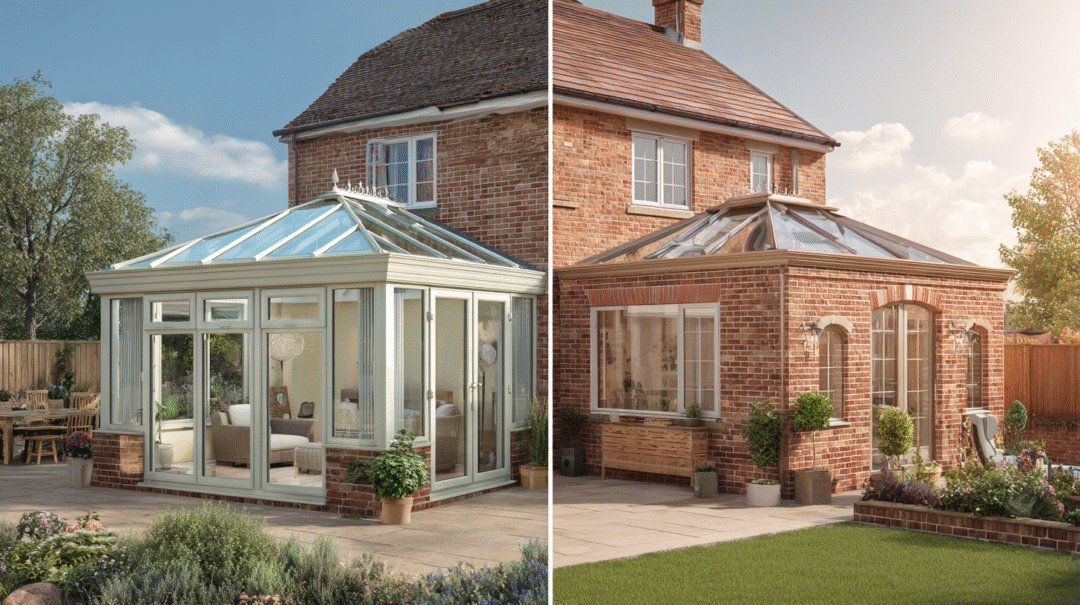
Wall Structure Mostly glass Solid walls with glass inserts
Roof Often fully glazed or hybrid Flat roof with central lantern
Appearance Bright, airy, garden-facing Elegant, architectural, extension-style
Feel Light-filled and open Cosy, solid, room-like
Best for Garden rooms, lounges Kitchens, dining areas, year-round use


Which one should you choose?

The right choice depends on:

  • How you’ll use the space — e.g., daily family use vs. occasional lounging

  • How much light you want vs. insulation
  • The style of your home — traditional vs. modern, detached vs. semi
  • Your budget and timeline

Need lots of light and a garden connection? A conservatory could be perfect. Want something more substantial, with that “extension feel”? An orangery might be the better fit.


Or have the best of both

Thanks to modern materials and clever design, you can now mix features from both:

  • Glazed walls with insulated pelmets
  • Solid base walls with large doors
  • Roofs that combine tiled sections and roof lights

We’ll help you design a space that looks and feels exactly how you want it — without needing to squeeze into one label.

Find out more

Need Help Choosing? Lets Speak.

Book a free 30-minute consultation and we’ll help you decide what works best for your home, your lifestyle, and your goals. No pressure — just clear advice and real options.